
If you like following Japanese anime through news, interviews, and behind-the-scenes talk, this one’s worth your time. It also gives Japanese learners a nice chance to listen for voice, tone, and real entertainment vocabulary in context. Sounds good, right?



Yomi no Tsugai and the new radiko Original Podcast
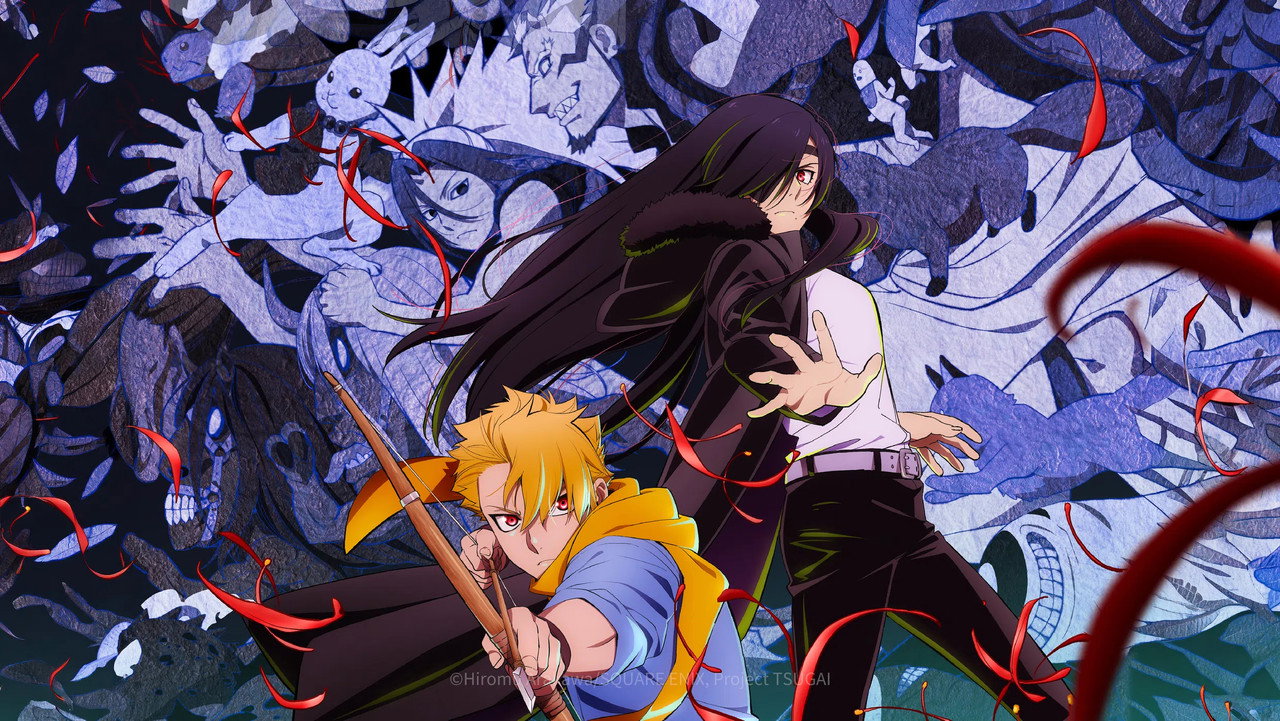
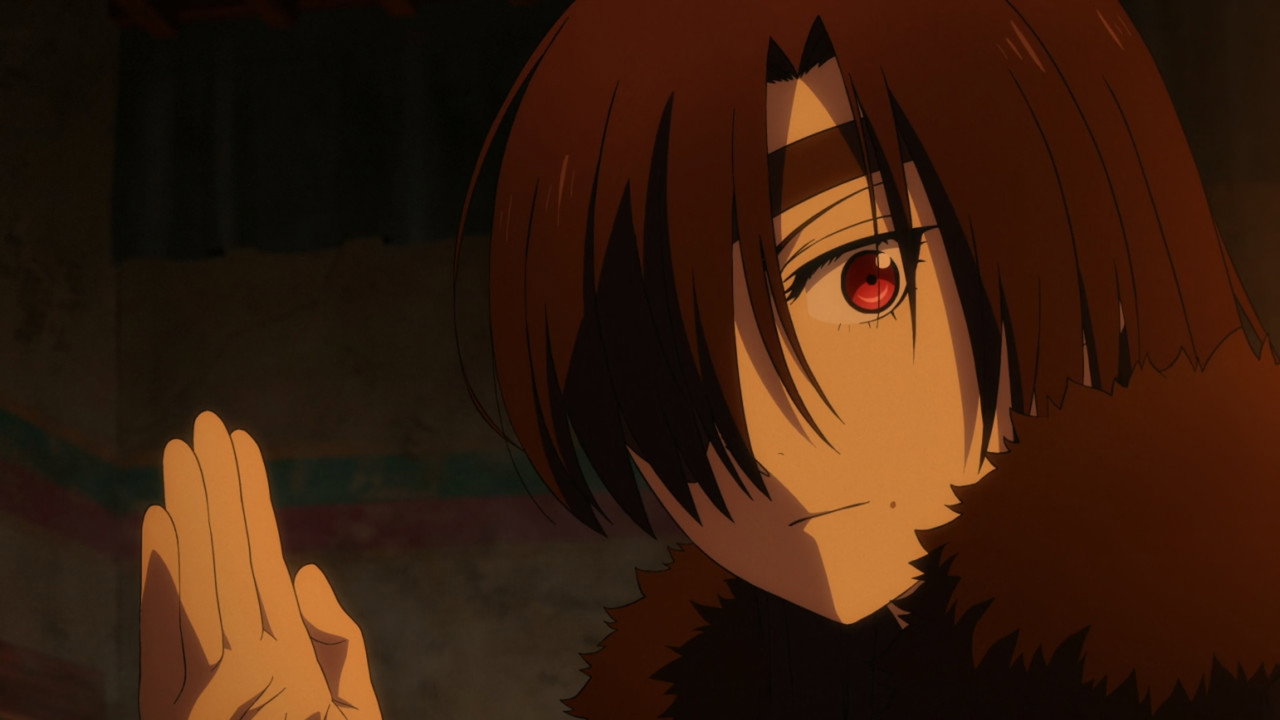
Yomi no Tsugai is stepping beyond the TV anime format, and now it has its own radiko Original Podcast. That’s the core news here, and it fits the series well, because Yomi no Tsugai already lives in that sweet spot between dark fantasy, mystery, and character-driven storytelling.
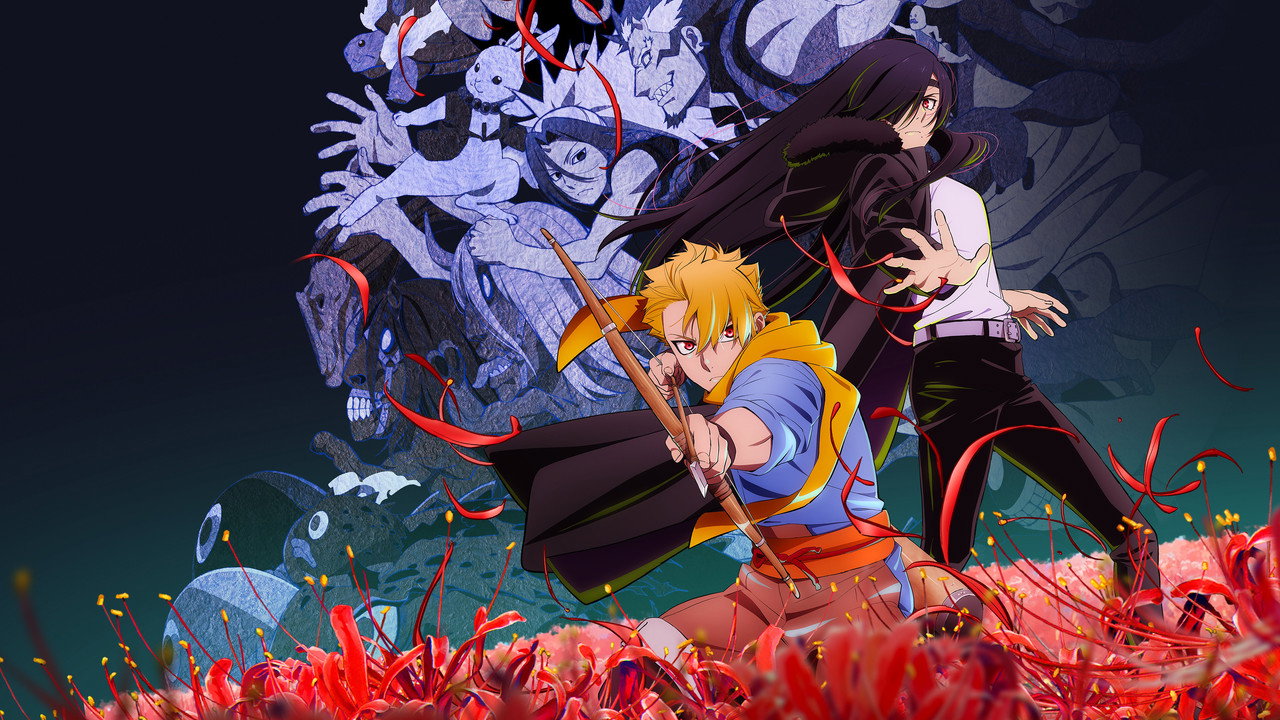
The podcast is tied directly to the TV anime Yomi no Tsugai, which brings Hiromu Arakawa’s manga to a wider audience. If you know her work from Fullmetal Alchemist, you’ll already understand why this title has so much attention. Classic Japan, isn't it? A major manga getting a proper multimedia push, first the anime, then an audio project that gives fans a new way in.
What many overlook is that radiko isn’t just a random streaming app, it’s one of Japan’s best-known radio distribution platforms. It lets listeners catch radio programmes by region, and its original content has become a real part of the modern Japanese media mix. For anime fans, that means this podcast isn’t just promotion, it’s part of how a series builds its world off-screen. Wait, there’s more.
Two-part broadcast, exclusive guests, and Miyuri Shimabukuro
Here’s the kicker: the Yomi no Tsugai podcast will be broadcast in two parts. That matters, because two-part projects often give creators room to breathe, instead of squeezing everything into one short chat. It usually means better pacing, more practical talk, and a clearer sense of who the guests are and why they were invited.
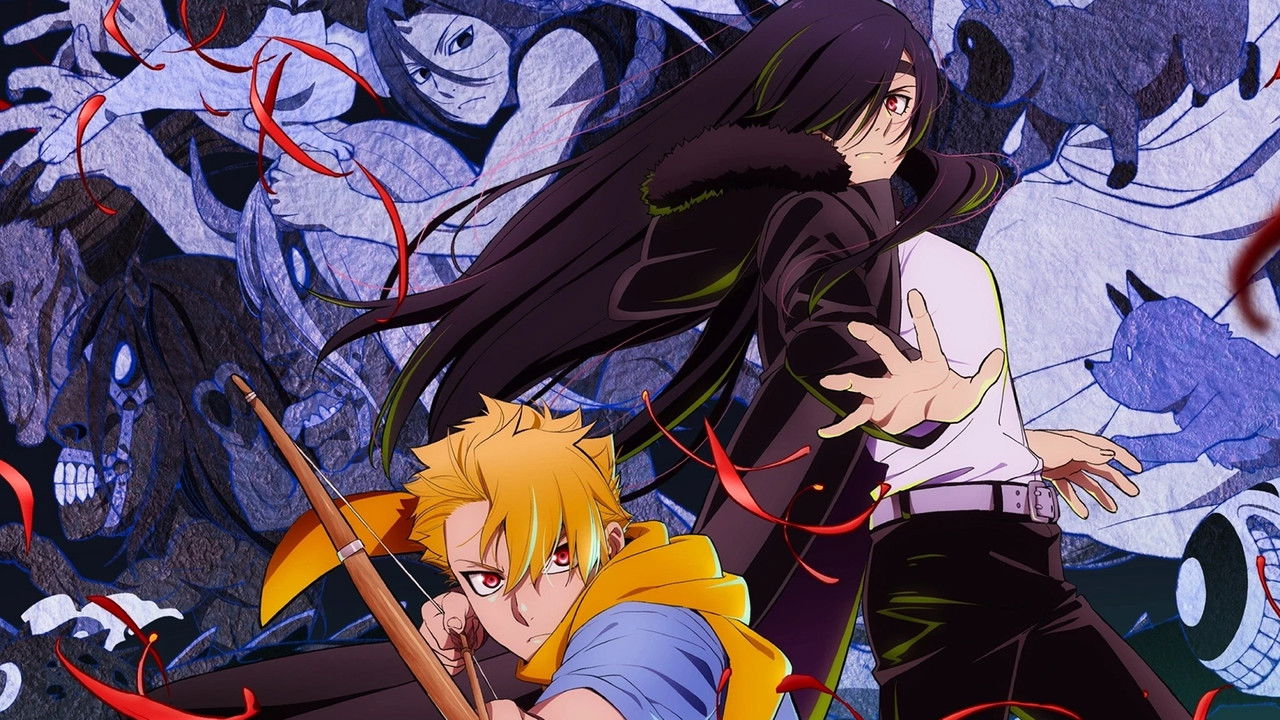
The guest list includes Miyuri Shimabukuro, and that’s the name many fans will notice first. She’s built a solid presence in anime voice acting, and her appearance gives the podcast a very specific appeal. If you follow 声優 (seiyuu, voice actor) culture, you know these guest episodes are often where the best anecdotes show up, the kind about recording sessions, character choices, and how a role changes from page to script.
Why this matters for anime listeners
Unlike what we’re used to with plain trailer drops, this sort of podcast gives the cast a chance to shape the story around the series. You hear the rhythm of the industry, and you get a more human view of the production. Trust me on this one: for Japan fans, that’s often more interesting than another short promo video.
That reminds me: Japanese learning fans can get a lot out of this too. Listen for everyday words like omoshiroi, 凄い (sugoi, amazing), or 頑張る (ganbaru, to do one's best), but also for media terms such as 解説 (kaisetsu, explanation; commentary), 情報 (joho, information), and 番組 (bangumi, program; show). You won’t need a transcript to start noticing patterns, and that makes the experience feel active instead of passive. My tip: replay short segments and shadow the speakers if you want to train your ear. Sounds good, right?
Why radiko is a smart platform choice for anime promotion
Basically, radiko works because it feels local, current, and easy to slot into daily life. In Japan, radio still has a strong place in commuting culture, and radiko made that even more practical by moving listening onto phones and laptops. That means an anime podcast there can reach people where they already spend time, on trains, at home, or during a lunch break.
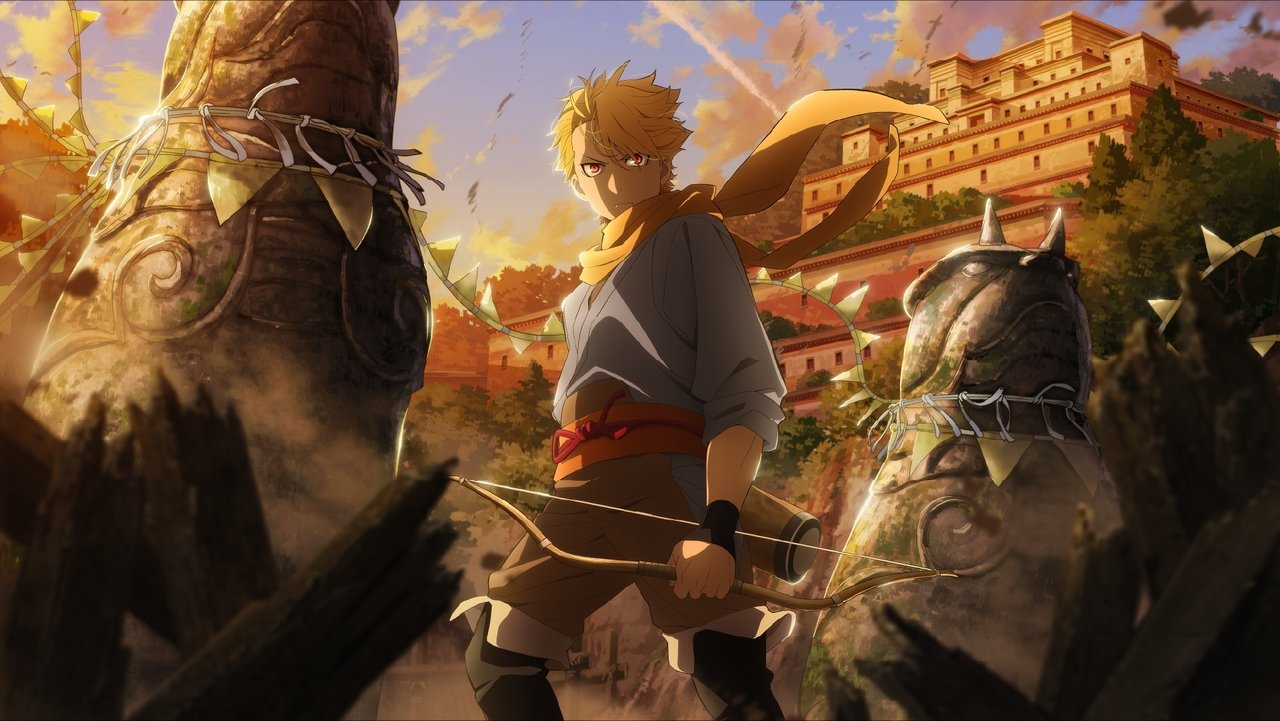
Oh, almost forgot: for a manga like Yomi no Tsugai, which has strong worldbuilding and a memorable cast, audio promotion is a clever move. The manga started serialization in 2021 in Square Enix’s Gangan Joker, and its art and atmosphere are part of the draw. A podcast can’t show that art, of course, but it can deepen the emotional side of the property, especially when the speakers know how to talk about character chemistry and adaptation choices.
No joke, this is exactly the kind of niche media move that Japan does well. A manga becomes an anime, the anime gets radio support, and fans follow the conversation across platforms. For people studying Japanese, that gives you a real-world example of how media ecosystems overlap, and how words like media, キャラクター (kyarakuta, character), and kaisetsu appear naturally in conversation. Highly recommended: use these news items as reading practice, then match them with the related audio if you can.

What fans and learners should watch for next
While we’re at it, this announcement is also a reminder to keep an eye on how anime marketing is changing. Social clips are still important, but podcasts give projects more breathing room. They also let voice actors build a stronger connection with listeners, which is especially useful for a series like Yomi no Tsugai that already has a dedicated manga audience.
I still remember exactly how many anime fans used to wait for magazine scans or forum posts just to get casting news. Now the information moves faster, but the excitement hasn’t changed. If you care about Japanese pop culture, this is the kind of update that rewards close attention, because it tells you how a title is being positioned, not just what it is. My verdict: the radiko angle makes perfect sense, and Miyuri Shimabukuro is a very smart guest choice.
Before I forget: if you’re building Japanese vocabulary, try collecting words from podcast announcements and press releases. Terms like saihou, 特別 (tokubetsu, special), and haishin show up all the time, and they’re useful in real media contexts. That’s the kind of learning that sticks because it’s tied to actual news, not textbook examples. Wait, there’s more.
In pictures
Frequently Asked Questions
What is the new Yomi no Tsugai podcast?
It is a radiko Original Podcast tied to the TV anime Yomi no Tsugai, created as part of the series’ promotion.
Who appears as a guest?
Miyuri Shimabukuro is one of the featured guests in the two-part broadcast.
Why should Japanese learners care?
It offers real Japanese media vocabulary, natural speech patterns, and a useful look at how anime promotion works in Japan.

