
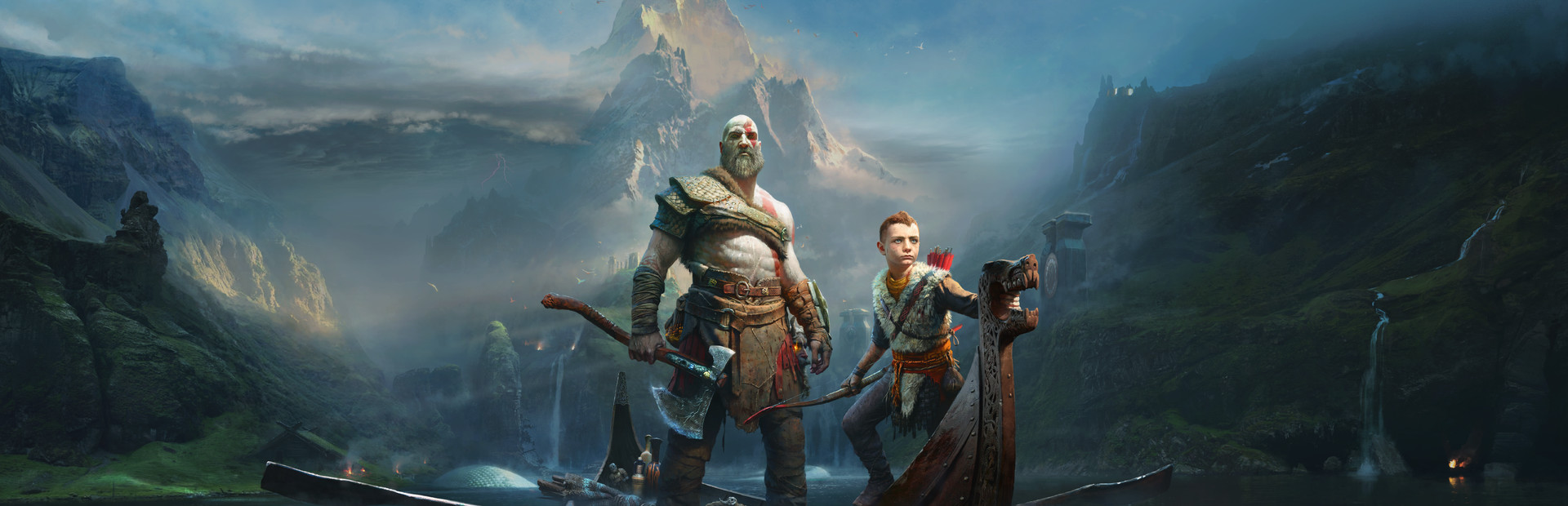
And that’s exactly why this idea has legs. If Sony ever sends God of War into Japanese mythology, we’d get a new stage, new gods, and a very different kind of cultural drama.
![Dragon Ball Z: Kakarot [Master Edition]](https://s.pacn.ws/1/p/1eh/dragon-ball-z-kakarot-master-edition-908785.1.jpg?v=t8ja8t&width=400)

![Tiny Tina's Wonderlands [Next-Level Edition] (English)](https://s.pacn.ws/1/p/13a/tiny-tinas-wonderlands-nextlevel-edition-english-707353.12.jpg?v=rt1dpt&width=400)
Here's the thing: the latest wave of speculation around God of War Japan didn’t come from nowhere. It started with chatter around Santa Monica Studio, the PlayStation team behind the modern series since 2005, and with the fact that the franchise has already reinvented itself twice. First came the original Greek saga on PlayStation 2, then the 2018 reboot shifted Kratos into the world of Norse myth, with God of War Ragnarök following in 2022. That history matters, because this series clearly doesn’t stay parked in one mythology for long.
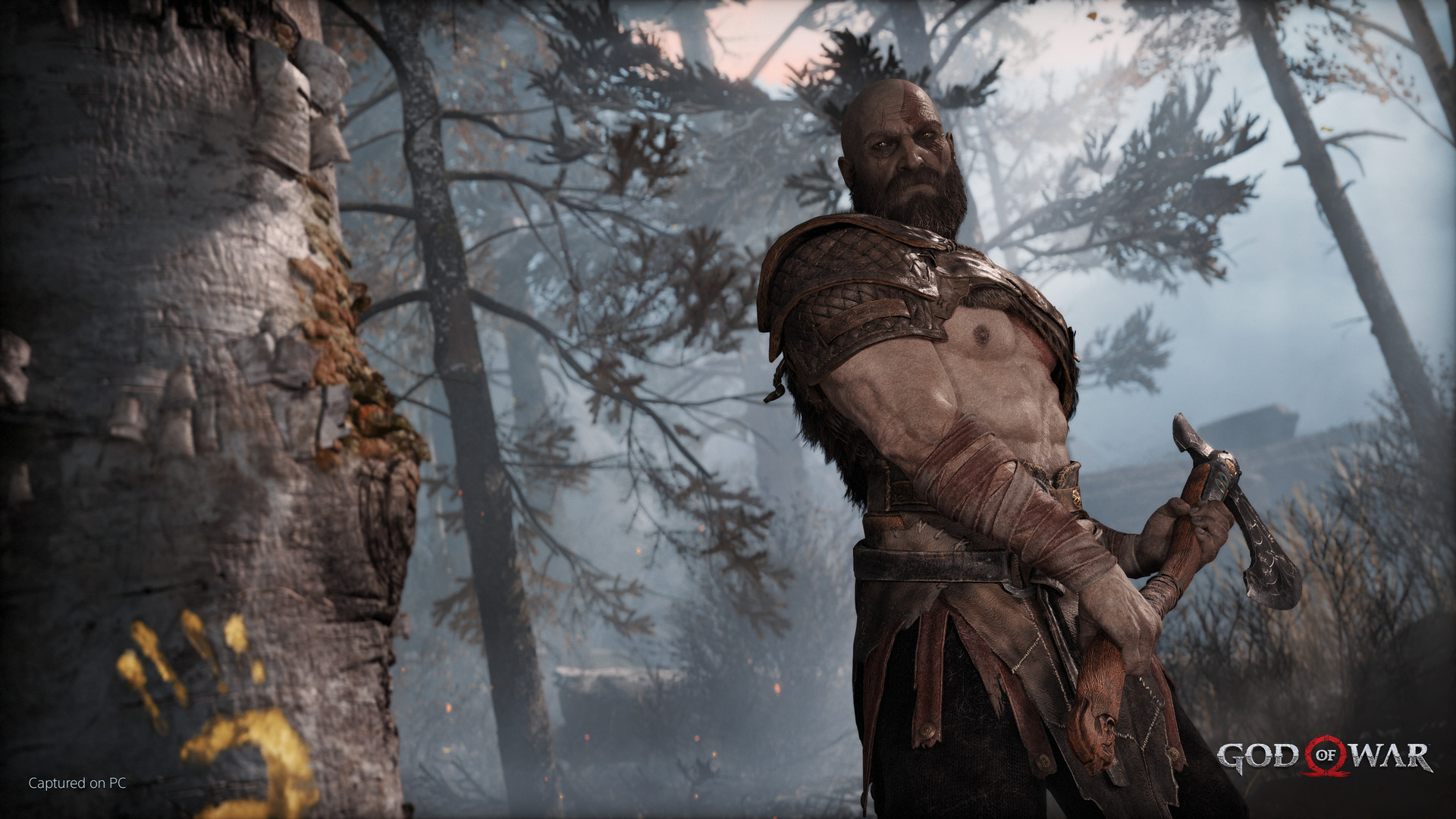
Let me show you why this Japan angle hits so hard. The God of War name is now a proven IP with a huge global audience, and Sony knows how to use myth as a framework rather than just a backdrop. If Santa Monica wanted a third big mythic chapter, Japan would give it a fresh emotional register, a different pantheon, and a visual language that could stand apart from Olympus and Midgard. From my experience, that kind of clean shift is exactly what keeps long-running game series alive. Personally...
Santa Monica Studio and the God of War Legacy
Santa Monica Studio isn’t some random name attached to a rumour, it’s the engine room. The studio launched the first God of War in 2005, built the series into one of PlayStation’s biggest brands, and then pulled off one of the cleanest reinventions in recent memory with the 2018 title. That game sold more than 23 million copies by early 2023, which tells you just how much room Sony has to experiment with the brand.
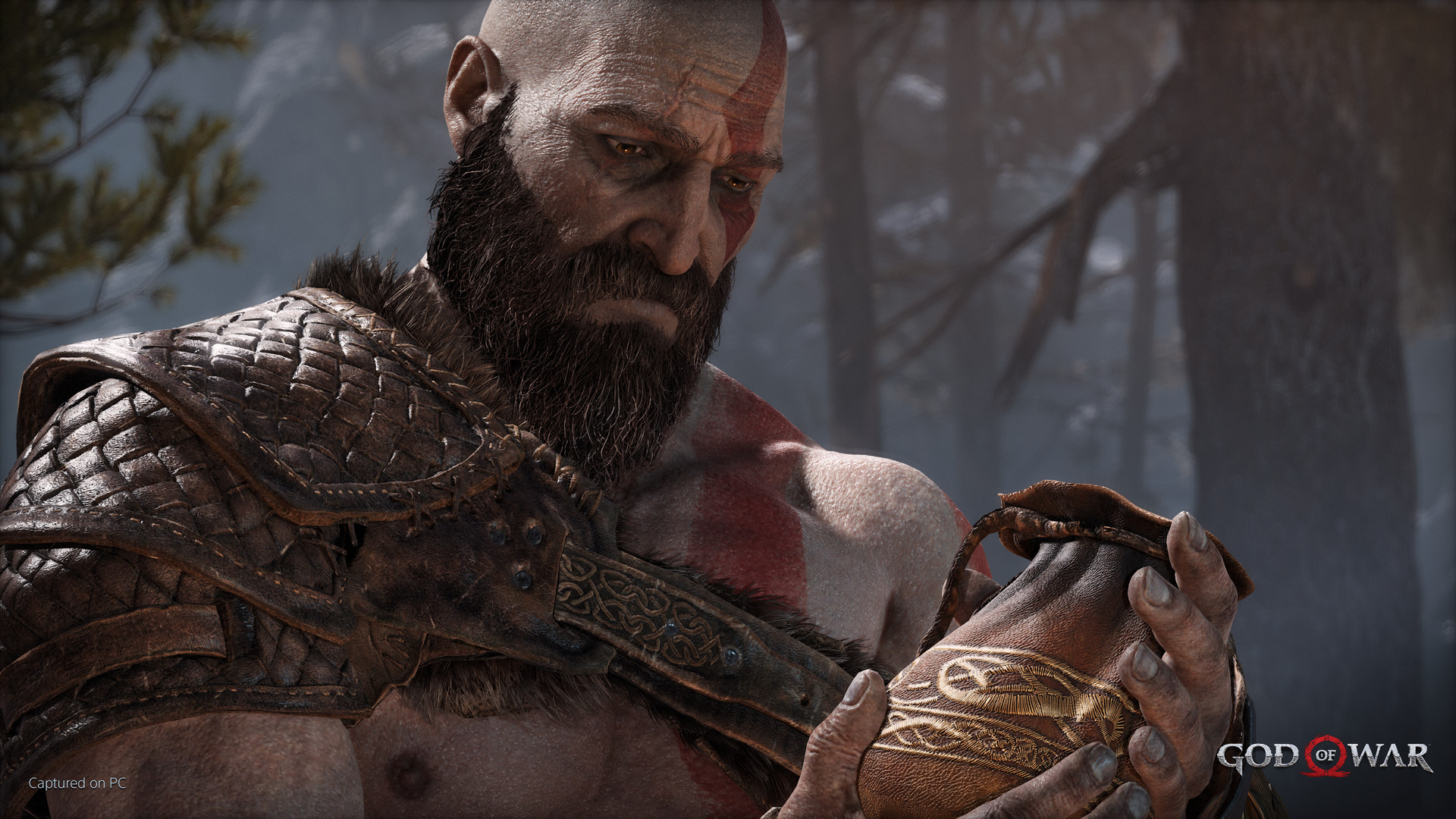
While we're at it: the studio also proved it can balance spectacle and character writing. Kratos went from pure rage machine to a father-son story with Atreus, and that emotional shift made the whole world feel bigger. If Santa Monica can do that with Greek and Norse material, a Japan myth spinoff wouldn’t just be skin-deep, it could become a proper new chapter in the series’ identity. From my experience...
Why this matters for Sony
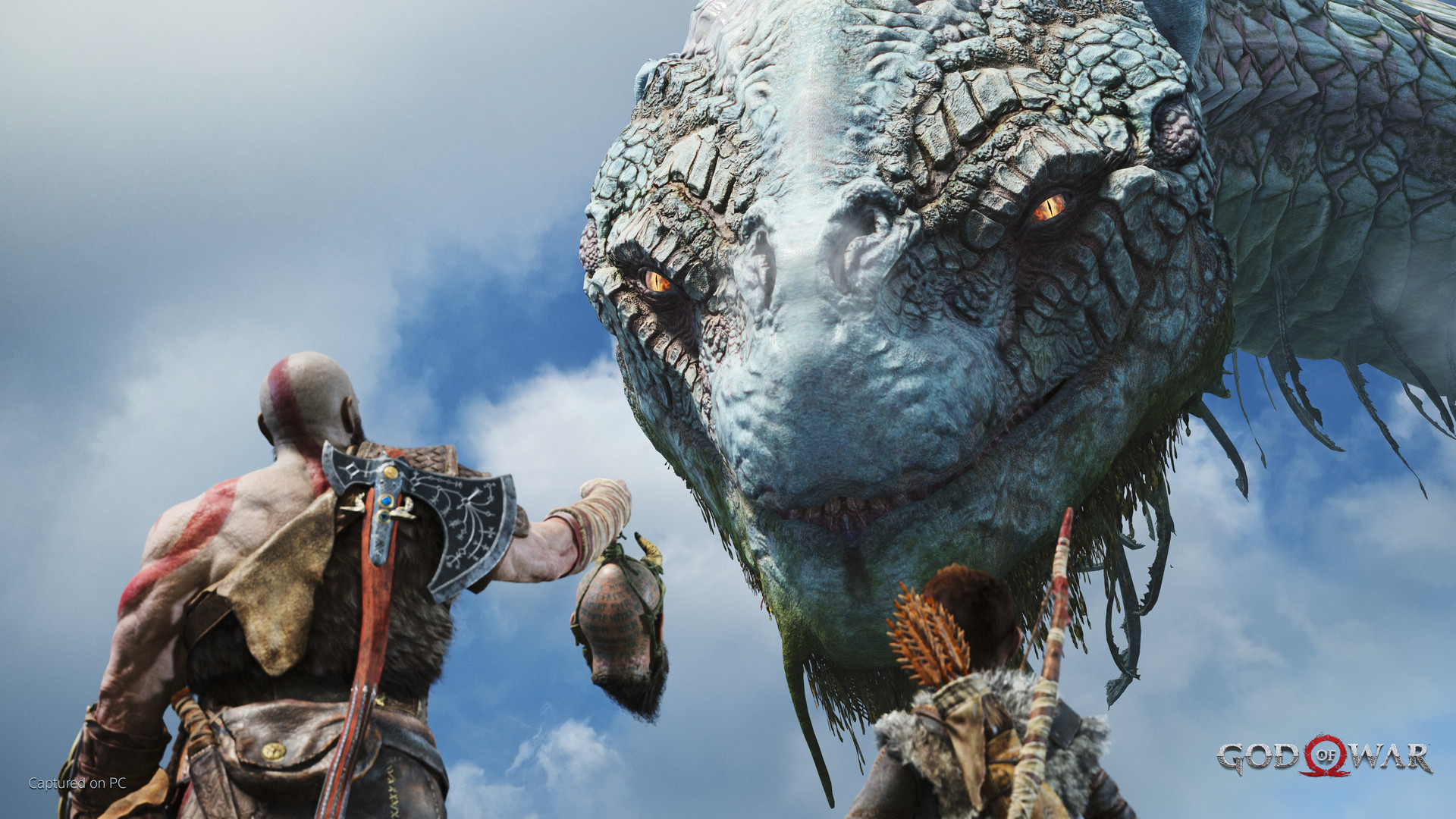
The reason is simple: Sony doesn’t treat God of War like a disposable franchise. It’s a flagship, and flagship series get room to breathe between mainline entries. A Japan-set spinoff could work as a side project, a bridge title, or even the first step toward a bigger mythological trilogy. Sounds weird, but it's true. Big publishers love testing a strong IP in a new setting before committing to a full-scale leap.
Japanese Mythology as the New Stage
Picture this: a God of War game built around kami, 鬼 (oni, demon; ogre), and 幽霊 (yurei, ghost) instead of Zeus or Odin. That switch would instantly change the tone. Japanese mythology has its own rhythm, more seasonal, more spiritual, sometimes eerie, sometimes tragic, and often tied to landscape and ritual rather than just family feuds among gods.
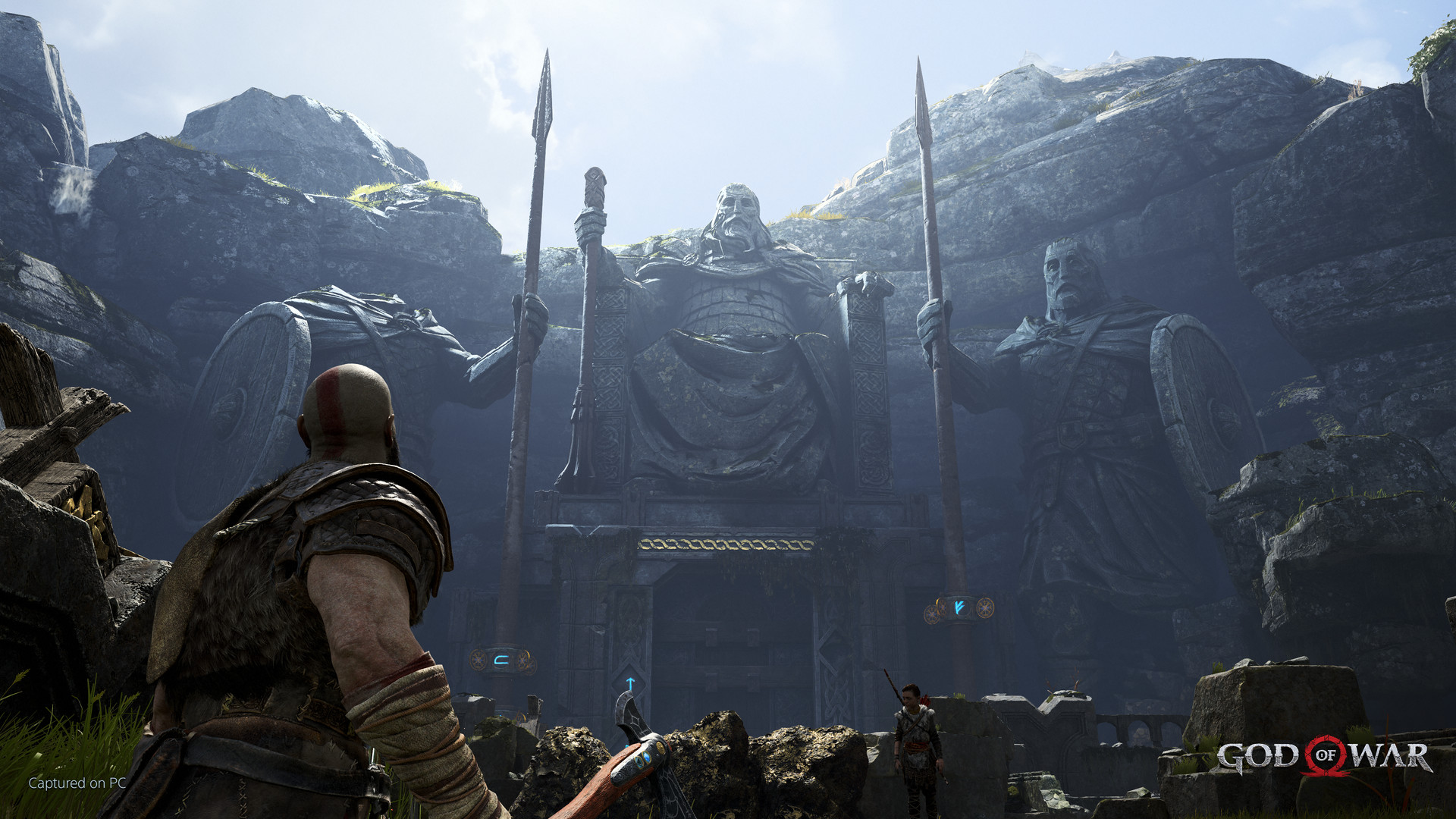
A great example: the idea of a 鳥居 (torii, shrine gate) gate works visually the same way a giant palace gate does in Greek myth, but the meaning is different. A torii marks a boundary between the ordinary and the sacred, and that kind of threshold design would suit a God of War game perfectly. Take 狐 (kitsune, fox spirit) for instance. A fox spirit could be ally, trickster, guide, or threat, all in one encounter, which is exactly the kind of ambiguity Santa Monica likes to build tension around. My tip: that flexibility is gold for game writing.
Here’s the catch: Japanese mythology isn’t just a grab bag of monsters. If Sony ever uses it, the writers would need to respect specific traditions, regional stories, and the difference between public folklore and local shrine culture. That’s where the setting gets interesting for Japanese learners too. Words like kami, yurei, oni, and 祭り (matsuri, festival) are already familiar to many fans, but the real fun is seeing how they connect to actual customs, not just game lore. Personally...
What a Japan setting could actually look like
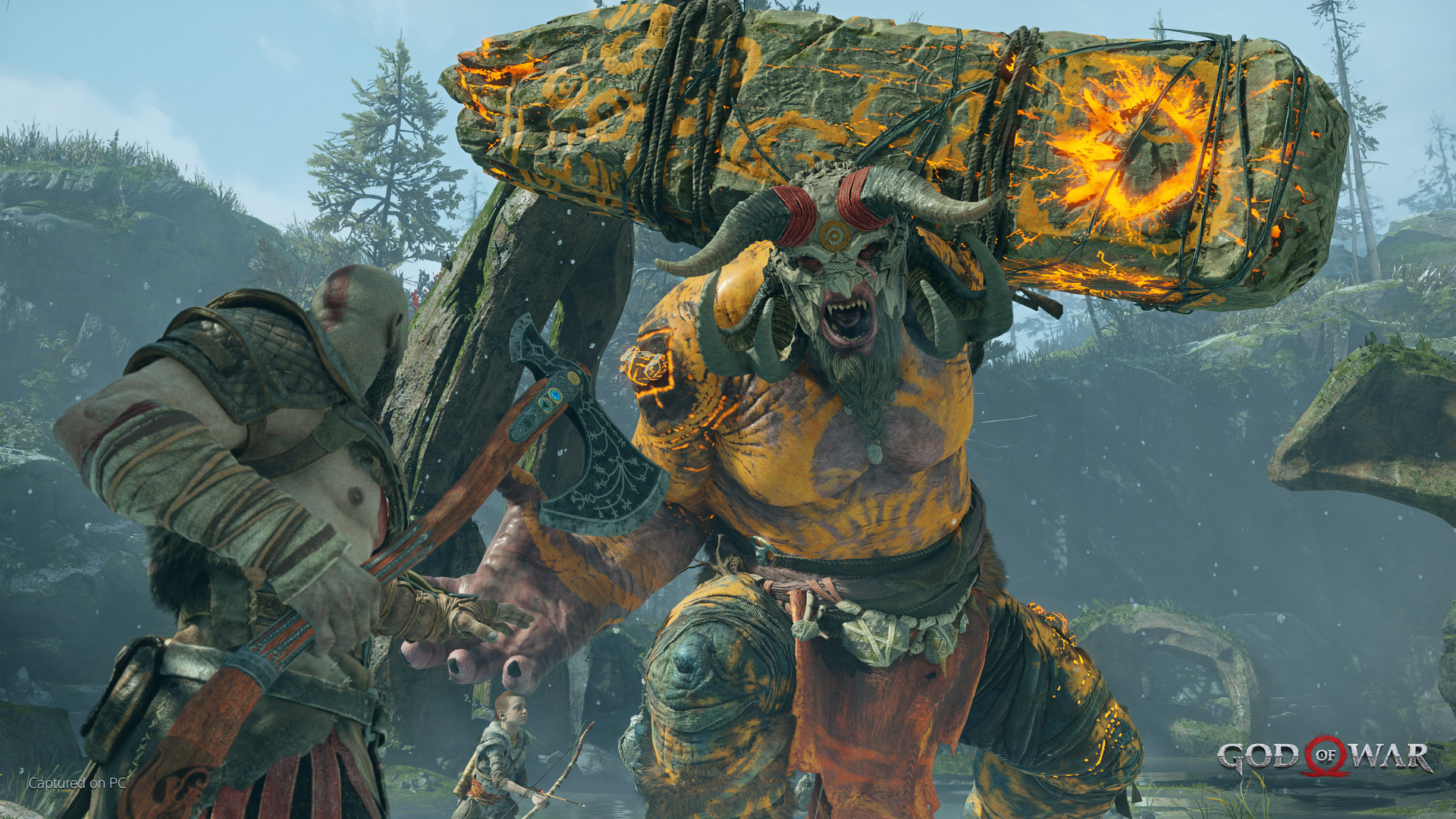
Think less generic feudal Japan, more mythic Japan. A snowy mountain shrine in Nagano, a storm-battered coastal village in Tohoku, or a moonlit island inspired by Shikoku, all of that would give the game strong atmosphere. The series already loves travel through hostile terrain, and Japan offers an almost endless map of sacred sites, folklore-rich forests, and legendary mountains like Fuji or Osorezan.
No joke: even the architecture would help the storytelling. Wooden corridors, stone lanterns, paper screens, and shrine bells all bring a visual texture that players instantly recognise, even if they can’t name every object. That’s a nice bridge for language learners too, because games often make vocabulary stick better than flashcards do. I’ve seen that myself with words like shrine, gate, and spirit becoming memorable the moment they appear in a dramatic scene. From my experience...
God of War After Greek and Norse: Why Japan Fits
Here's the thing: Greek and Norse myths both revolve around family conflict, power, destiny, and gods behaving badly. Japanese myth can fit that same emotional engine, but with different symbolic tools. Instead of the thunder-and-war vibe of Zeus or Thor, you can lean into purification, ancestor ties, cursed objects, and spirits that linger where they shouldn’t.
On the flip side: a Japan spinoff wouldn’t need to copy historical Japan at all. In fact, it would probably work better as an alternate mythic version of Japan, just as God of War never treated Greece or Scandinavia as museum exhibits. The franchise’s strength is exaggeration. It takes real myth, pushes it through action-game drama, and comes out with something operatic. A Japan arc could do the same with 神道 (shinto)-inspired imagery, 妖怪 (yokai, supernatural creature) encounters, and a central journey that feels both personal and epic. My tip: that’s the sweet spot.
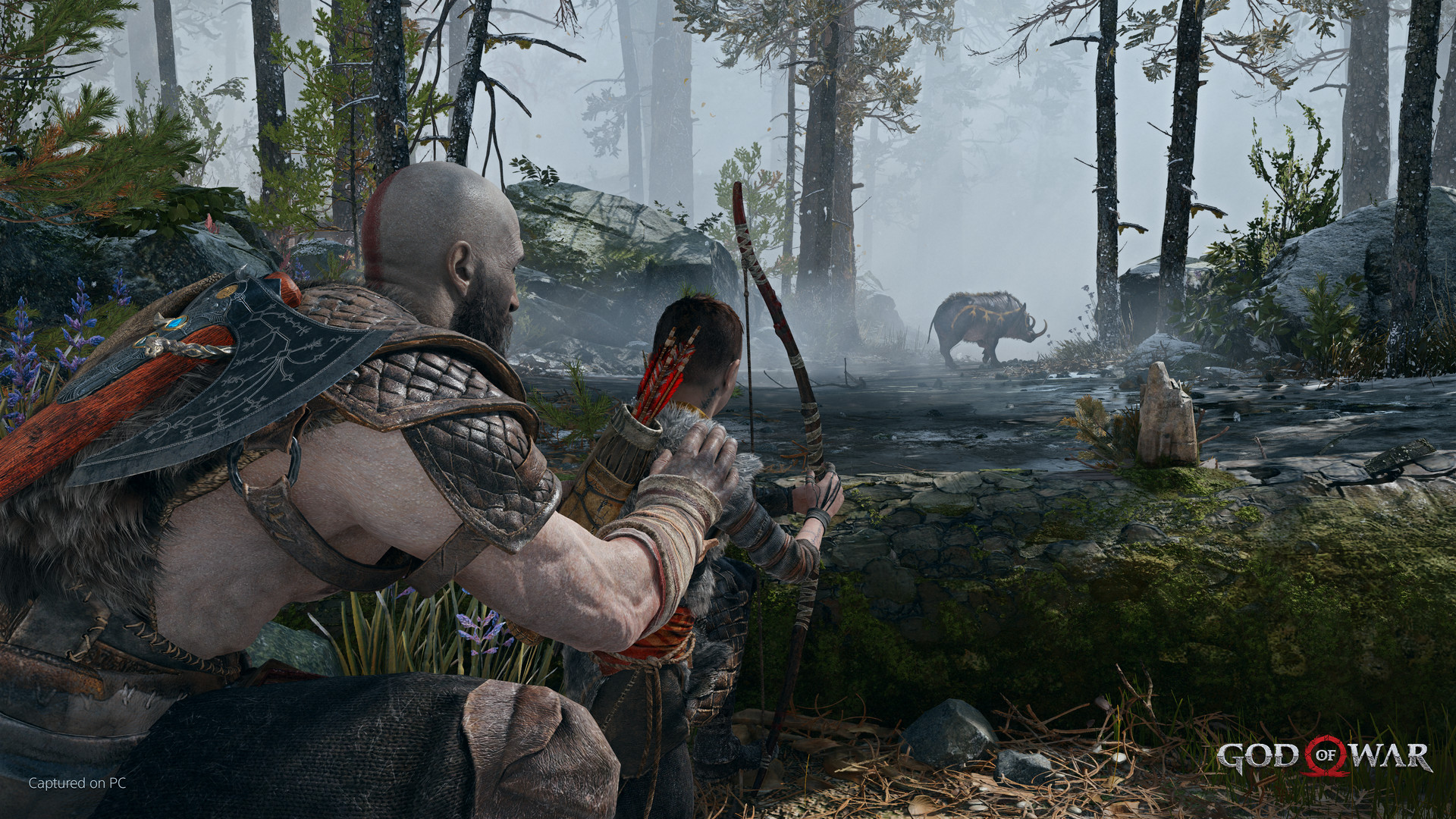
And if Santa Monica ever goes that route, the timing would make sense too. The Norse arc wrapped in 2022, and teams like this usually need a long runway for concept work, worldbuilding, and prototype testing. If anything is happening, it’s probably still in early creative stages, which is why rumours and teases matter so much right now. A studio this size doesn’t light a new mythology on fire overnight. Personally...
Why Japan Fans Should Keep an Eye on This Rumour
For Japan fans, this isn’t just another PlayStation whisper. It’s a chance to imagine a Western blockbuster franchise taking Japanese myth seriously, with enough scale to show off folklore, language, and setting in a way that casual players can actually absorb. For learners, that’s a bonus. A game like this could turn cultural words into living images, and that’s often how vocabulary sticks for good.
What I especially like: this idea also gives us room to think about how Japan is represented in global games. A well-made myth spinoff wouldn’t be about 侍 (samurai, Japanese warrior) clichés or tourist-board scenery. It would be about story structure, ritual, and mood. That’s a much better fit for a franchise like God of War, and a much more interesting hook for players who love both action games and Japanese culture. My verdict: if Sony ever announces this, it won’t just be another spin on Kratos, it’ll be one of the biggest myth-meets-Japan moments PlayStation has ever tried.
In pictures
Frequently Asked Questions
Is God of War Japan officially confirmed?
No, it is still a rumor and an idea based on studio speculation and fan discussion.
Why would Japan mythology work for God of War?
Because the series already thrives on myth, conflict, and dramatic worldbuilding, and Japanese folklore offers all three in a new style.
Would this be a mainline game or a spinoff?
Most likely a spinoff or side project, if it happens at all, since major franchise shifts usually start small.


