

And yes, this one comes with an actual space angle, not just a marketing gimmick. Kodansha is working with the Japan Aerospace Exploration Agency, so this is manga meeting space research at about 400 km above our heads. Pretty brilliant.



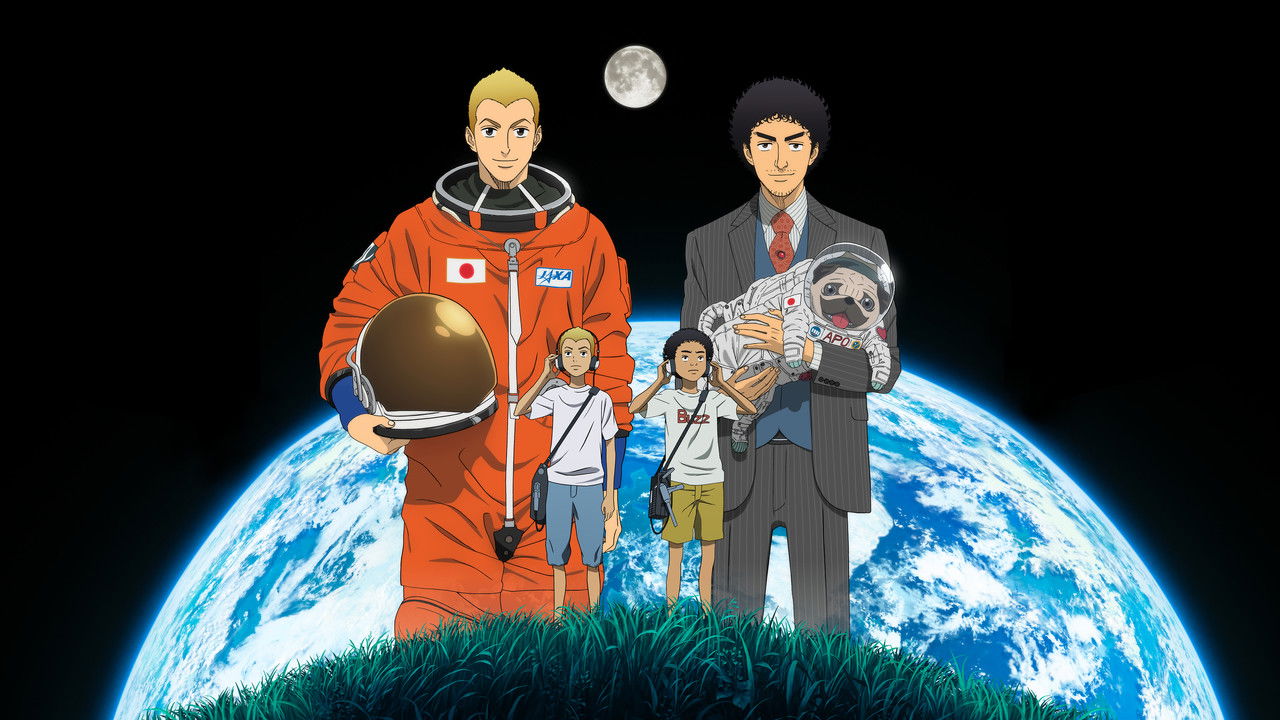
Did you know that manga is heading into orbit for real? Kodansha has launched Mission: SPACE COMIC, a project that will send 宇宙 (uchu, space) Kyodai, better known in English as Space Brothers, to the International Space Station. For Japan fans, this is the kind of crossover that feels almost too perfect, a manga about astronauts actually travelling to space. My tip: keep an eye on this one, because it says a lot about how Japan mixes pop culture with serious engineering.

The idea is simple, but the symbolism is huge. A printed manga volume will be brought to the ISS, roughly 400 km above Earth, where it will become part of an official space mission. Kodansha is doing this with the support of JAXA, Japan's space agency, and that partnership gives the project real weight. This isn't fan service floating around in orbit, it's a cultural object going through a real space programme. Convinced yet?
Why Space Brothers was the obvious first pick
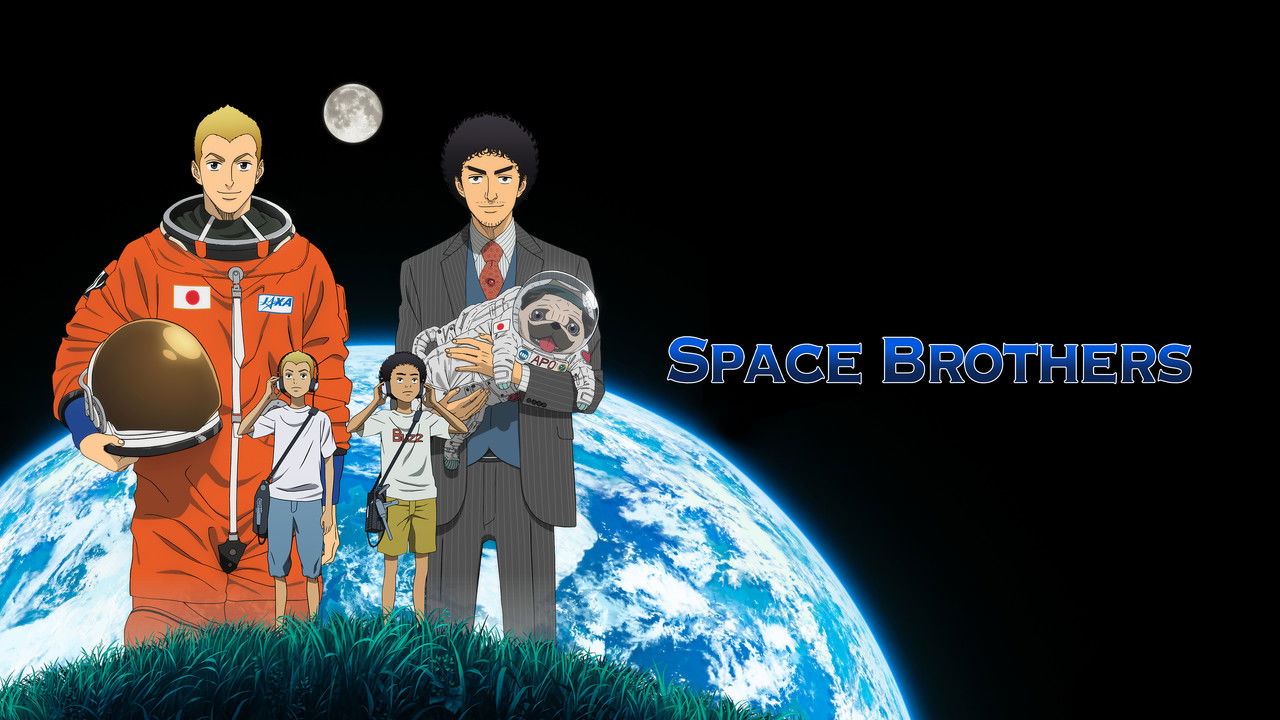
Uchu Kyodai has always been the natural choice for something like this. Created by Chuya Koyama and serialised by Kodansha since 2007, the series follows two brothers chasing the dream of becoming astronauts. It already has the right emotional core, ambition, training, sacrifice, and that very Japanese idea of persisting through endless effort, or 頑張る (ganbaru, to do one's best; to persevere). Classic Japan, isn't it?
The manga also has a long history with real-world space culture. Space Brothers isn't just a cool sci-fi story, it has spent years building trust with readers who care about accuracy. That matters here, because sending a manga to the ISS only works when the title already feels connected to actual aerospace life. The best part is that the story is about reaching space, and now the physical book is doing the same.
What makes the title so fitting?
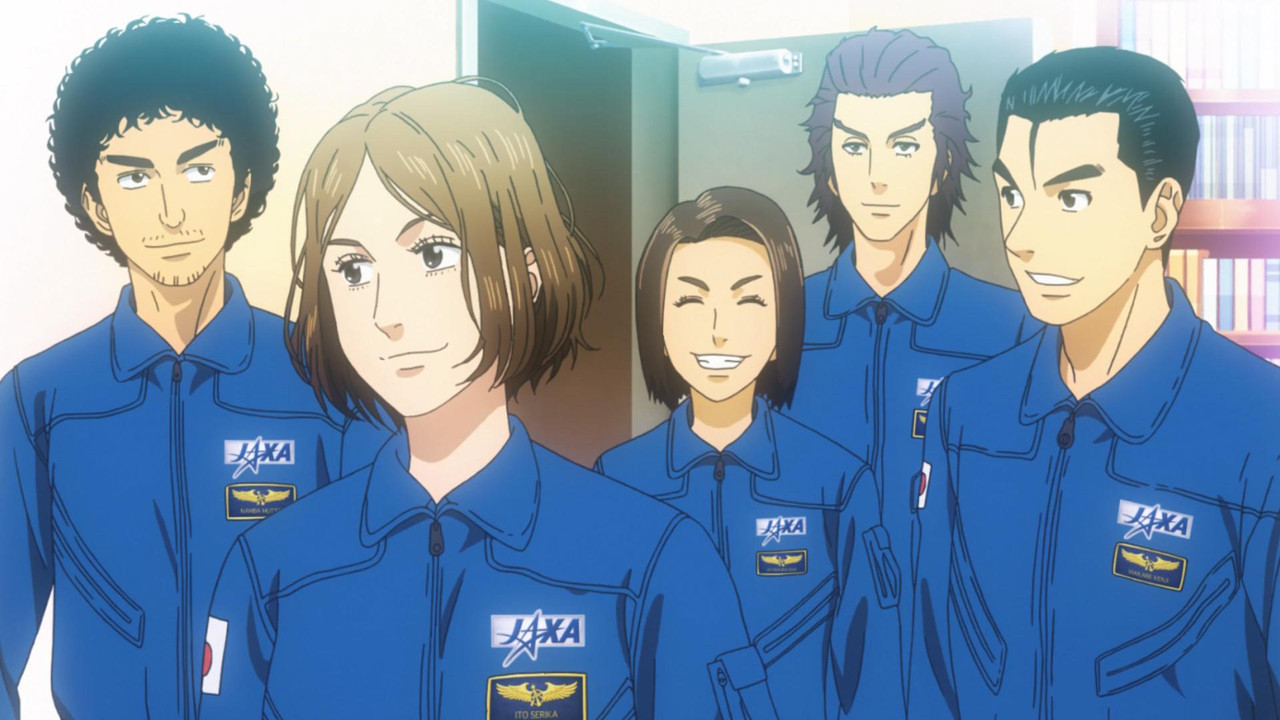
To be fair, plenty of manga feature rockets, stations, or distant planets. But Space Brothers is different, because its drama comes from the human side of space travel. The uniforms, the selection tests, the pressure, the long waits, all of it feels grounded. For language learners, this is a nice reminder that Japanese storytelling often builds excitement through discipline, not just action scenes. My verdict:
Manga at 400 km altitude and what that really means
Here's the kicker: sending manga to the ISS isn't the same as filming a space ad and calling it a day. A physical book has to be prepared for launch, handled properly, and then stored and used in an environment where every gram matters. At about 400 km altitude, even a simple object becomes part of a tightly controlled system, so the book's journey is part of the story itself.
That makes Mission: SPACE COMIC a neat bridge between publishing and space research. Kodansha isn't just celebrating a popular series, it's showing how Japanese media can travel with Japan's scientific work. For learners of Japanese, there is also a language angle here: space-related vocabulary such as uchu (space), ロケット (roketto, rocket) (rocket), 教育 (kyoiku, education) (education), and 星 (hoshi, star) (star) often appears in manga, magazines, and news coverage. Hearing those words in a real context makes them stick. Pro tip: when you see a topic like this, read the headline in Japanese first, then match it with the story. Wait, there's more.
Kodansha, JAXA, and the bigger Japanese space-media connection
Unlike what we're used to in many countries, Japan's big publishers often move close to public institutions and technical fields. Kodansha has a huge catalogue, from long-running 少年 (shonen, boy; boys' / youth) series to serious reportage and educational books, so a project like this fits its wider identity. JAXA, for its part, has a long record of working with schools, researchers, and cultural projects, because space in Japan isn't treated as a distant fantasy. It's part science, part national pride, and part public imagination.
That mix matters. When a publisher and a space agency work together, they don't just promote a manga, they make space travel feel culturally alive. The audience sees that Japan's real missions and its fictional ones can support each other. I especially like that this project doesn't treat manga as something separate from science. It treats it as part of the same ecosystem, which feels very Japanese in the best sense. Highly recommended:
Oh, almost forgot: there is also a nice learning lesson buried in this news. Japanese titles often use direct, memorable naming, and Mission: SPACE COMIC sounds exactly like a project statement, not a vague slogan. For learners, that's useful. You can see how English and Japanese branding often sit side by side, while the actual content stays firmly rooted in Japanese culture. Simple, practical, and very effective.
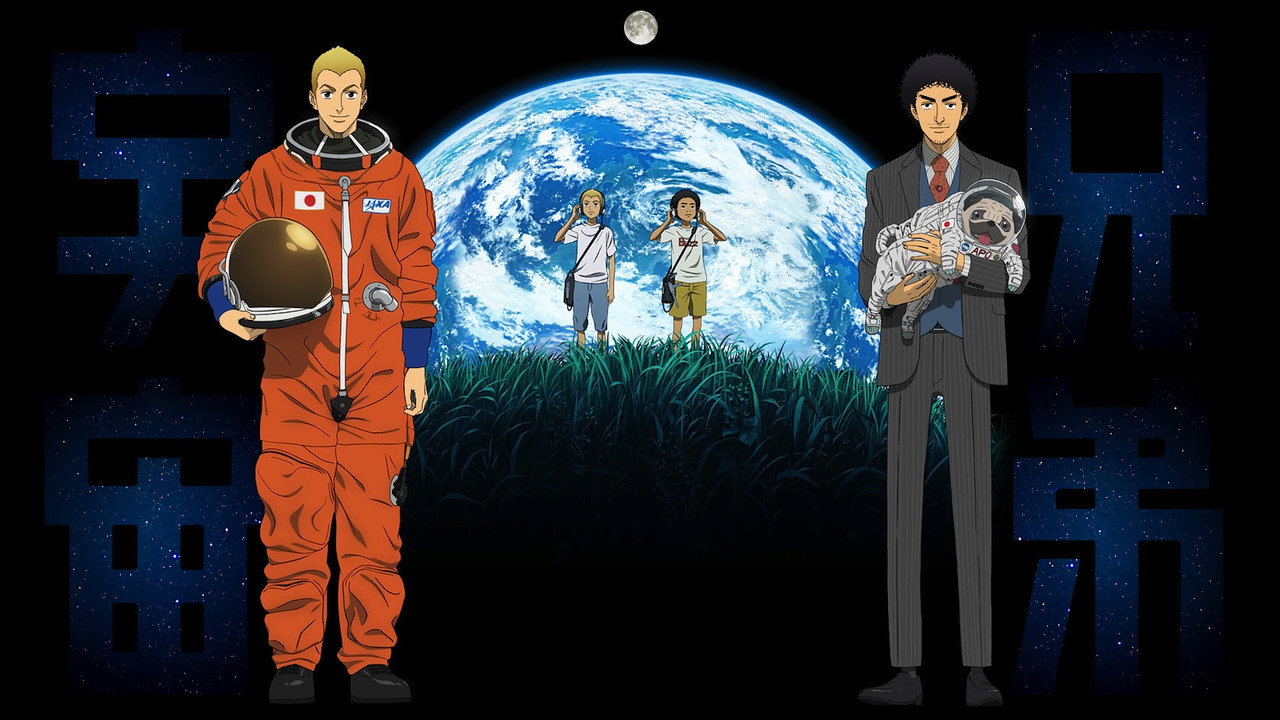
Basically: this story works because it is both symbolic and real. A manga about astronauts is going to space through a real partnership with JAXA, and that makes the whole thing feel bigger than a publicity stunt. It is a reminder that Japanese pop culture doesn't just stay on shelves or screens, it can end up 400 km above Earth. Now that's a plot twist even Space Brothers would approve of. My verdict:
For Japan fans, this is one of those stories that captures everything at once: manga, science, national institutions, and a bit of childlike wonder. If you love learning Japanese, pay attention to the vocabulary around the project, because space news often uses clear, repeated words that are easy to remember. And if you love manga, well, the image of a physical volume floating in orbit is just too good to ignore. Convinced yet?
In pictures
Frequently Asked Questions
What is Mission: SPACE COMIC?
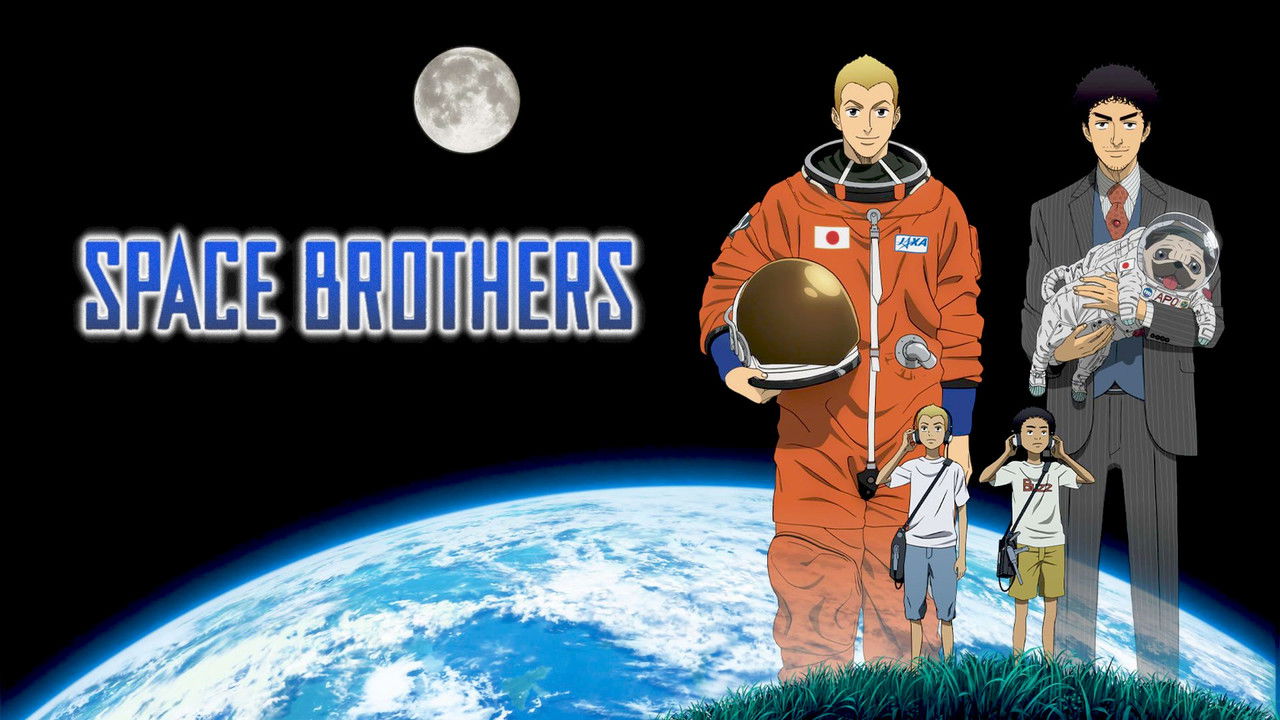
It is a Kodansha project that sends manga into space, starting with Space Brothers.
Why was Space Brothers chosen first?
Because its story about astronauts and space dreams matches the project perfectly.
How high is the International Space Station?
It orbits at roughly 400 km above Earth.

