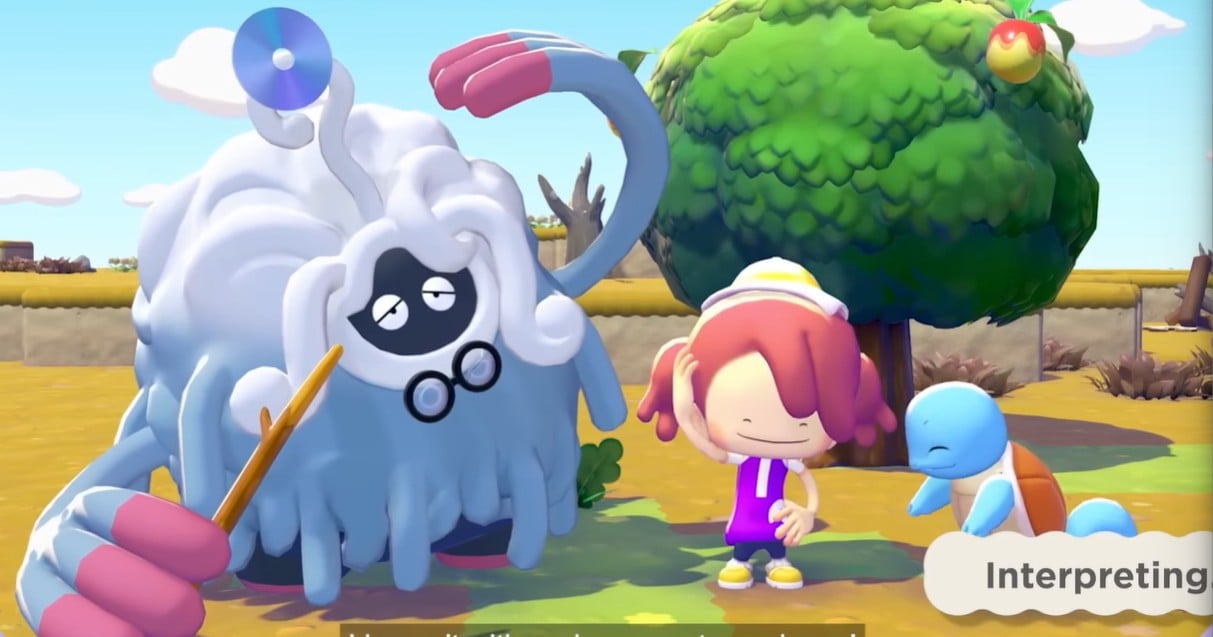
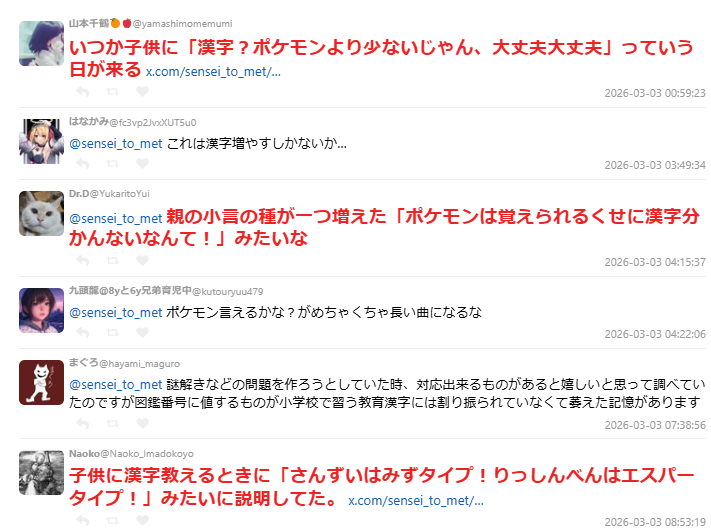
Ever wondered why a random pop culture stat can make Japanese learners sit up straighter? This is one of those moments. A viral comparison says there are more Pokémon than the number of kanji children are expected to learn in Japanese elementary school, and that tiny fact has travelled across social media like a fast little Pikachu.
![Dragon Ball Z: Kakarot [Master Edition]](https://s.pacn.ws/1/p/1eh/dragon-ball-z-kakarot-master-edition-908785.1.jpg?v=t8ja8t&width=400)

At first glance, it sounds like a joke. But there is a real language-learning angle here, and it’s a very good one. If you’re studying Japanese, the comparison gives you a neat way to picture the size of the school kanji system, while also showing just how enormous the Pokémon franchise has become. Let’s look at it properly!
Pokémon vs Kanji: What the comparison actually means
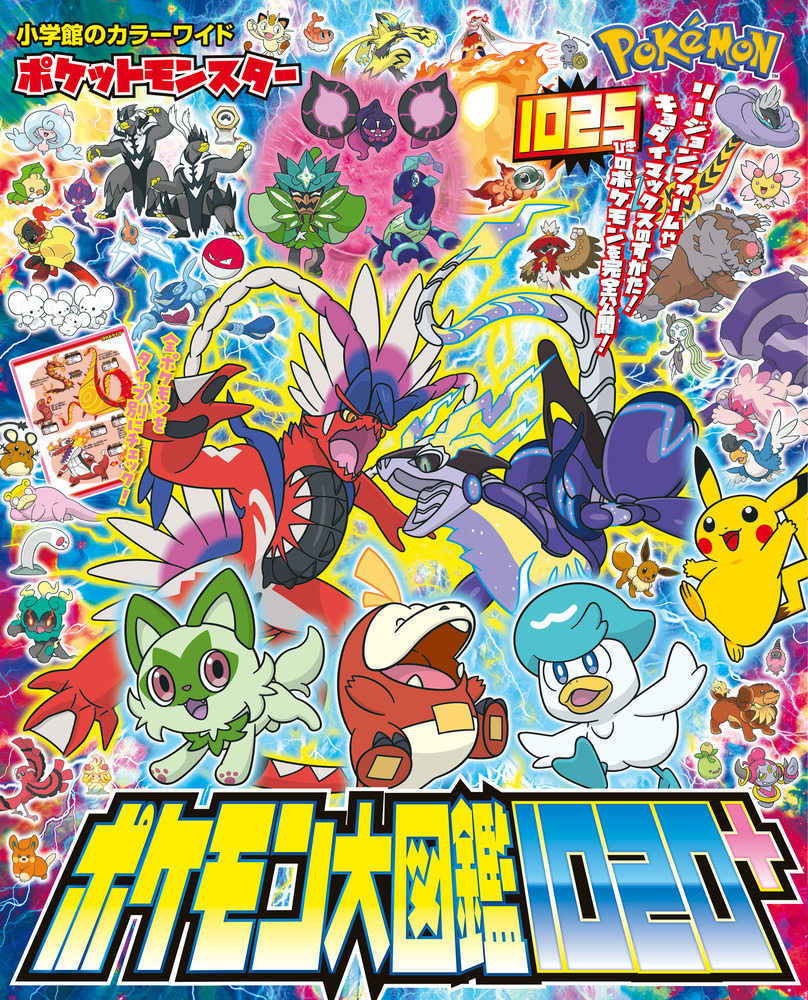
Did you know that the main Pokémon series has crossed 1,000 creatures? As of the latest generations, the franchise has 1,025 officially numbered Pokémon, counting everything from Bulbasaur to the newest additions. That number is now far beyond the 100 or so characters many people imagine when they first hear about elementary-school kanji.
But let’s stick with the school reference for now. In Japan, children learn a graded set of kanji through elementary school, and by the end of grade 6 they’re expected to know 1,026 kyokashu kanji, the standard list used in school textbooks. That number is strikingly close to the current Pokémon count. In other words, the internet claim isn’t that Pokémon literally outnumber all kanji in Japanese. It’s comparing Pokémon to the kanji children are formally taught first. And that makes the story much cleverer than it first appears.
On the flip side, the comparison is also a reminder that school kanji are just the beginning. Real Japanese uses thousands more characters in newspapers, names, literature, and daily life. So if you felt relieved that Pokémon only barely beat the elementary list, well... the language still has more levels to unlock! 😅
Why social media loved this Japanese language stat
What many overlook: this kind of comparison works because it mixes two worlds people already care about. Pokémon gives you nostalgia, colour, and instant emotional recognition. Kanji gives you that slightly nervous learner feeling. Put them together, and suddenly a language fact becomes shareable.
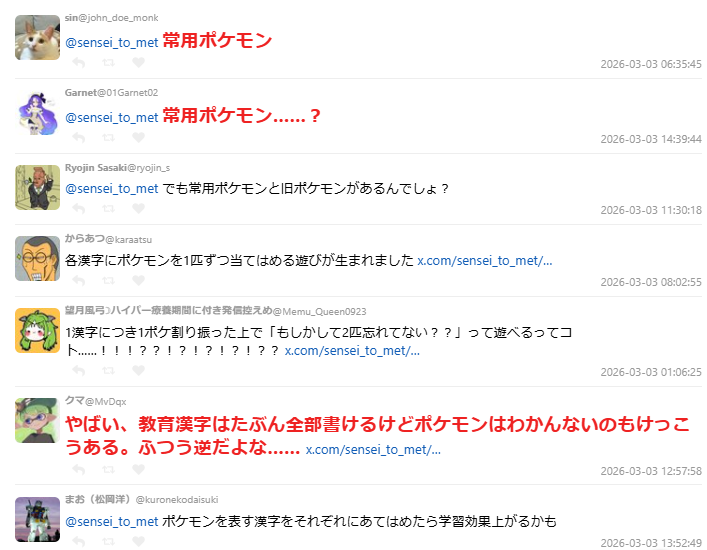
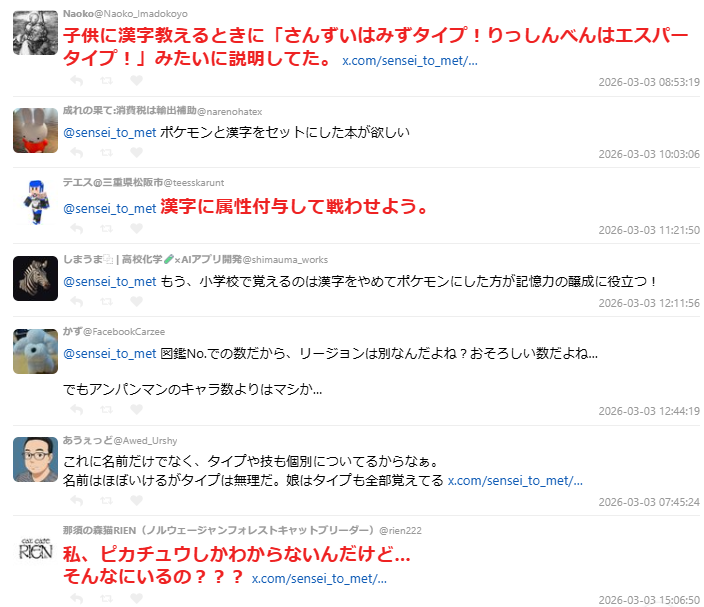
The discussion spread widely on social media because the numbers are easy to remember. I saw the same reaction over and over: surprise first, then a quick mental image of a child in Japan learning the same number of characters as there are Pokémon species. That’s such a neat hook for Japan fans, especially if you enjoy trivia that connects language and pop culture. Not bad, right?
Seriously though: the reason this lands so well is that it makes an abstract study goal feel concrete. Learning 1,026 kanji sounds huge. Learning “as many characters as there are Pokémon” sounds strangely playable. My tip: when a big number feels scary, attach it to a cultural anchor you already know. It really can make the target feel more natural.
The Japanese school kanji system, explained simply
Compared to back home, Japanese school kanji are taught in a very structured way. Children don’t learn the entire writing system at once. They move step by step, and the government-defined list gives everyone a shared baseline for literacy. That’s one reason the comparison with Pokémon works so well, because it uses a familiar educational frame rather than the full complexity of Japanese writing.
Here is the rough breakdown of the elementary-school list:
- 1st grade: 80 kanji
- 2nd grade: 160 kanji in total
- 3rd grade: 200 more, and so on
- By 6th grade: 1,026 total kanji
A great example: the word for school, gakkou, uses kanji that learners meet fairly early. The characters for numbers, directions, family members, and daily actions often appear in this elementary set too. So if you’re studying Japanese, you’re not trying to memorise random symbols in the dark. You’re moving through a public, shared syllabus that Japanese children also follow.
And it gets better: this is why kanji study becomes less scary when you group characters by grade or theme. You start seeing patterns, not just isolated shapes. That’s exactly how real progress happens. Wait, there’s more.
What this means for Japanese learners and Japan fans
If you’re a beginner, this internet fact can actually be motivating. You don’t need to know every kanji in Japan to start reading. You need the basics, then the school list, then the everyday characters that show up again and again. Real Japanese becomes much more approachable when you think in stages instead of all at once.
Here are a few learner-friendly terms tied to the topic:
- kanji - Chinese character used in Japanese writing
- shougakusei - elementary school student
- kyokashu kanji - school-taught kanji
- gakkou - school
- benkyou - study
What I especially like is the cultural side of this story. Pokémon isn’t just a game series from Nintendo and Game Freak, first launched in 1996 on the Game Boy in Japan. It’s also a language of its own, with names, types, evolution lines, and inside jokes that Japan fans around the world understand instantly. That makes it a perfect bridge topic for learners like you.
And if you’re the kind of person who enjoys reading about how Japan talks about its own culture, keep an eye on the way numbers are framed. Japanese media loves playful comparison stories like this one, because they turn everyday knowledge into something shareable and easy to feel. Convinced yet?
Insider tip: when you see a viral stat, check what’s being compared. Sometimes the wording is loose, but the underlying idea is still useful. Here, the real lesson isn’t just “Pokémon are many.” It’s “Japanese school kanji are a clear, defined benchmark.” That nuance matters!
If a friend tells you that Japanese writing is impossible, you can now say, with a smile, that children in Japan are taught a finite, graded set first. And if you want to keep building from there, that’s exactly the kind of steady, real-world approach that makes Japanese feel manageable. From my experience...
Frequently Asked Questions
Are there really more Pokémon than school kanji?
Yes, the current Pokémon count is slightly higher than the standard elementary-school kanji list in Japan.
Does this mean Pokémon are harder than Japanese?
No. It is just a fun number comparison. Japanese writing is far more complex than that one school list.
Why did this comparison spread online?
Because it is easy to understand, surprising, and it connects pop culture with language learning.