

If you only know the chorus from clips and edits, now’s the right time to slow down and look at what King Gnu actually brings to the table. The band has serious rock credentials, and Aizo fits the JJK mood better than a casual listen might suggest.



King Gnu Aizo keeps popping up because Jujutsu Kaisen fans are doing what they always do when a new arc heats up, they start hunting for the opening song, the lyrics, and the story behind the artist. The search surge around the Shinjuku arc is real, and it tells you something useful about anime music, timing, and fandom behaviour.

The reason’s simple: a strong anime opener does more than promote a show, it becomes part of the memory of the arc itself. That’s exactly why people are asking, who are King Gnu, what does Aizo mean, and why does this song feel built for JJK season 3?
Who King Gnu are and why Japanese rock fans care
King Gnu formed in Tokyo in 2013, originally under the name Serge Ibaka before settling on the name they use now. The core line-up is Daiki Tsuneta, Satoru Iguchi, Kazuki Arai, and Yu Seki, and their sound mixes rock, pop, jazz, soul, and electronic textures in a way that feels very Japanese without being easy to label.
Daiki Tsuneta is the creative centre. He writes, composes, and shapes much of the band’s identity, and that matters for anime fans because King Gnu don’t just supply a catchy hook, they build songs with arrangement changes, dynamic tension, and a cinematic sweep. Their 2019 album Sympa and 2020 release Ceremony turned them into one of the biggest modern Japanese rock acts, and Aizo continues that line.
Quick detour: if you study Japanese through music, King Gnu are gold. You get clear emotional vocabulary, natural contractions in lyric flow, and lots of everyday words that sound simple but carry weight in context. My tip: read the lyrics once in ローマ字 (romaji, roman letters; romanization), then again with a dictionary, because you’ll catch phrases that feel much deeper the second time around. From my experience...

What Aizo means and how the lyrics work
Aizo is written as 愛 (ai, love; affection) and zo, and the title points towards love, affection, or attachment, but not in a sugary way. In Japanese pop culture, words like ai often carry a heavier emotional charge than the English word love, and King Gnu lean into that tension instead of softening it.
Here’s the thing: the song doesn’t read like a simple romance track. It feels more like a collision between desire, pain, memory, and the urge to keep moving even when something inside you’s already been damaged. That’s very close to the emotional weather of Jujutsu Kaisen, where attachment can save people, ruin people, or both at once.
Know that feeling when a song sounds upbeat for a few seconds, then turns sharp and uneasy? Aizo does that well. The arrangement creates pressure, then releases it, then tightens again, which is exactly the sort of musical movement that works for battle anime. It’s a strong fit. But that’s not all.
Japanese learning angle: words worth noticing
For learners, Aizo is useful because songs often make repeated emotional terms stick. Watch for words like ai, 心 (kokoro, heart; mind), 残響 (zankyou, echo; reverberation), and ushinaau when you read similar lyrics elsewhere, because they show up across a lot of Japanese media. Compare how the band places these words against the music, and you start hearing Japanese rhythm rather than just translating line by line.
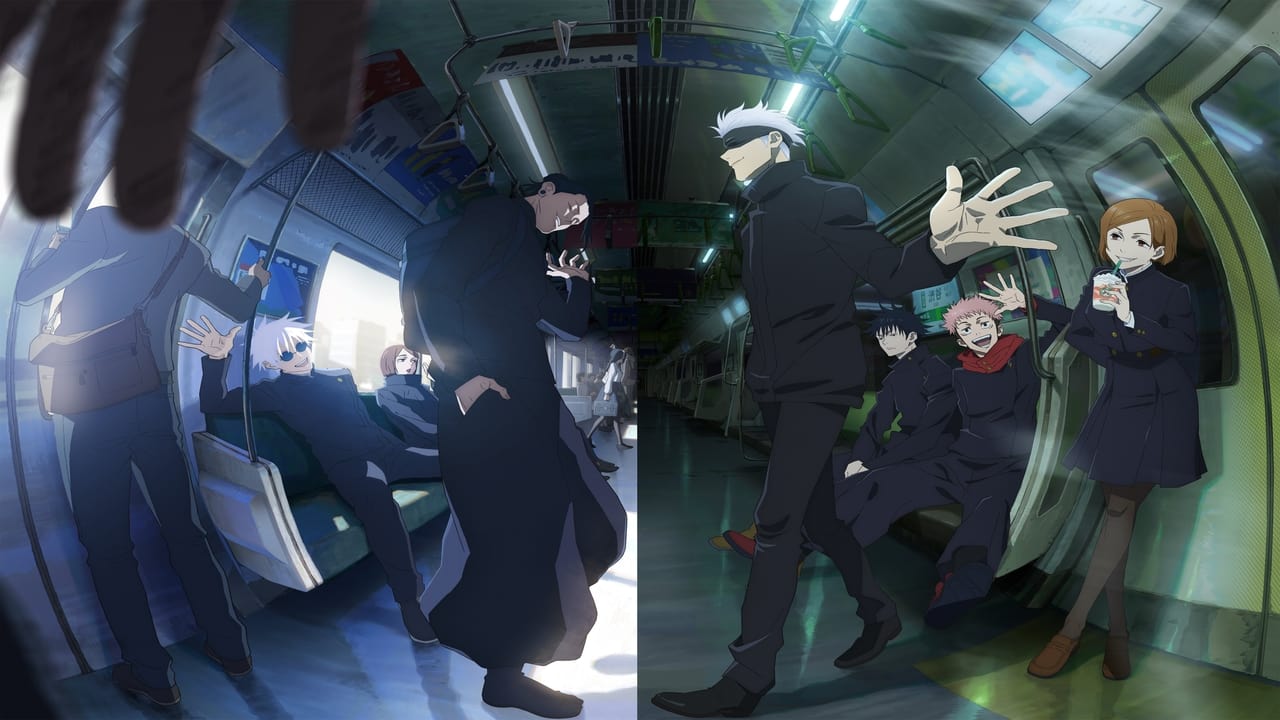
Compared with back home, Japanese lyrics often leave more unsaid, and that silence matters. A single repeated word can carry the whole emotional load, especially in anime themes. From my experience...
Why Aizo fits the Jujutsu Kaisen Shinjuku arc
Imagine a narrow alley in Tokyo. That’s the kind of visual mood Jujutsu Kaisen often creates, even when the fight scenes explode into giant supernatural chaos. The Shinjuku arc raises the stakes in a brutal way, and a King Gnu track like Aizo fits because it sounds like tension before impact.
The Shinjuku setting itself matters too. Shinjuku is one of Tokyo’s busiest districts, packed with neon, stations, side streets, and late-night energy, so it already has a built-in visual identity. JJK uses that city pressure well, and a song with urban bite makes the whole package feel more grounded.
While we’re at it: anime openings help set expectations. A fast, stylish song tells viewers to brace themselves, but it also gives them a musical anchor for the arc. That’s why fans search for the track name right away, then replay the opening scene, then start sharing lyric screenshots on social media. Highly recommended: if you want to understand the hype, watch the opening once for visuals, then once just for sound design.

That reminds me: King Gnu have already worked with major anime properties, so this isn’t a random match. Their music has the drama, polish, and emotional temperature that a big 少年 (shonen, boy; youth) series needs. The pairing feels deliberate, not decorative. Personally, I think that’s why the demand spike happened so fast.
How to listen to Aizo as a Japanese learner
Start with the chorus, not the full song. That sounds backward, but it helps because anime themes often repeat the most useful words in the hook, and those are easier to memorise. Then go back and listen for vowel length, phrase breaks, and the way the singer stretches emotional words across the beat.
My tip: write down three lines, then translate them in your own words, not in perfect textbook English. You’ll learn more from a rough personal translation than from copying a machine gloss. If you also follow the official Jujutsu Kaisen site at jujutsukaisen.jp, you can match the song mood with the current arc promotion and see how Japanese anime marketing ties image, music, and story together.
The first time I went to Japan... I noticed how often music is used as a cue for mood, especially in stations, stores, and trailers. Anime openings work the same way, they condense a feeling into two minutes. Aizo does that with style, and the more you know about King Gnu, the better it lands. From my experience...
For readers who want more Japan coverage, check out more Japan news on jpnerd.com.
In pictures


Frequently Asked Questions
Who is King Gnu?
King Gnu is a Tokyo-based Japanese band formed in 2013, known for blending rock with pop, jazz, and electronic elements.
What does Aizo mean?
The title points to love or deep affection, but in the song it carries a heavier emotional feel rather than a simple romantic meaning.
Why are people searching for this song now?
Interest has risen because of the Jujutsu Kaisen season 3 Shinjuku arc, which has pushed fans to look up the opening track and its lyrics.


