

For Japan fans and language learners, this one is especially interesting because it connects a legendary cyberpunk story with a studio known for bold visual choices. The result could be something that feels very fresh while still carrying the mood that made Ghost in the Shell such a big name in the first place.



Ghost in the Shell 2026 anime is no longer just a vague future project. According to the trailer released on YouTube, the new series is set for 7 July, and it will stream on Amazon Prime Video. That makes this one of the clearest franchise updates in years, and it also gives fans something concrete to watch for instead of guessing in the dark.

What makes this announcement hit harder is the studio choice. Science SARU has built a reputation for movement, rhythm, and visual risk-taking, so this isn’t a safe, paint-by-numbers reboot. Sounds weird, but it’s true: that kind of energy could be exactly what Ghost in the Shell needs right now. And there’s more.
Ghost in the Shell 2026 Anime: What We Know So Far
The new series is being positioned as a fresh chapter rather than a simple rerun of the 1995 film. That matters, because the original Ghost in the Shell, directed by Mamoru Oshii and released in 1995, became a landmark not just for anime fans, but for sci-fi cinema worldwide. It mixed dense philosophy, cool technology, and a rainy urban atmosphere that still feels iconic nearly three decades later.
Compared with back home, where many long-running franchises get endless sequels that mostly play it safe, Ghost in the Shell has always thrived when it asks hard questions. What is a body if the mind can be copied? What makes a person real? Those ideas are still here, and the 2026 series seems ready to tackle them with a newer visual language. Convinced yet?
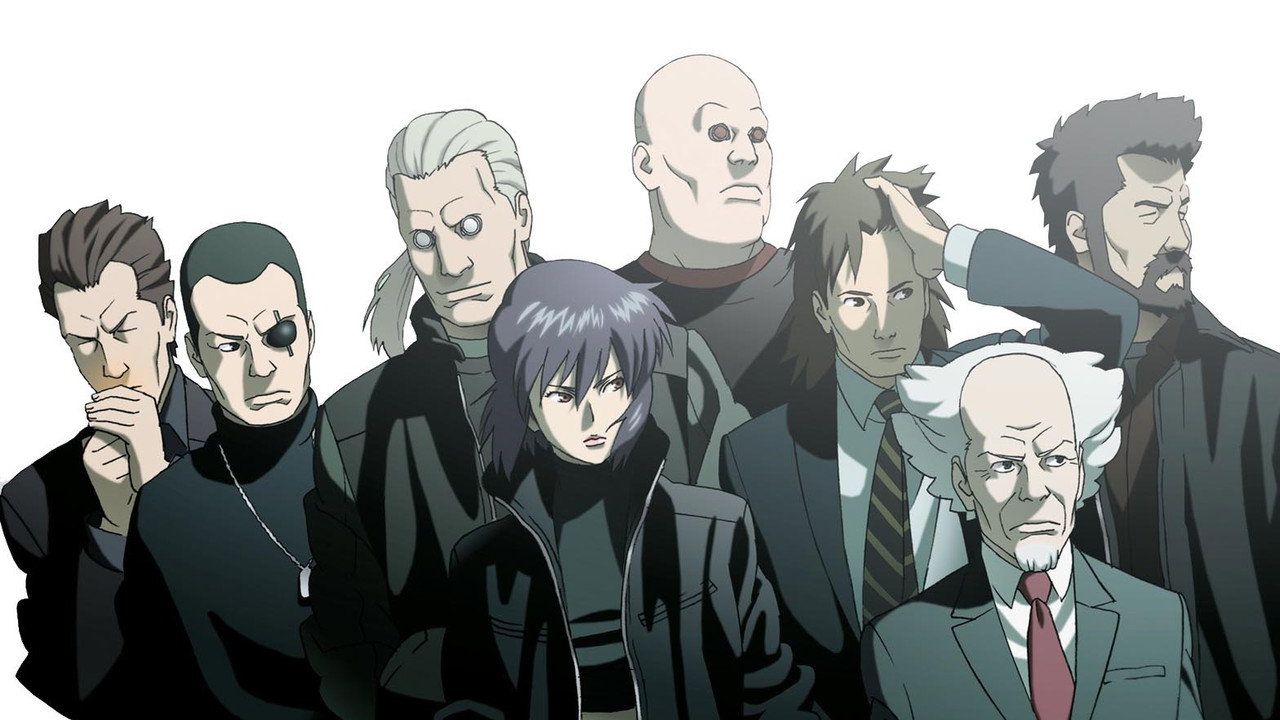
Motoko and Batou remain the core draw
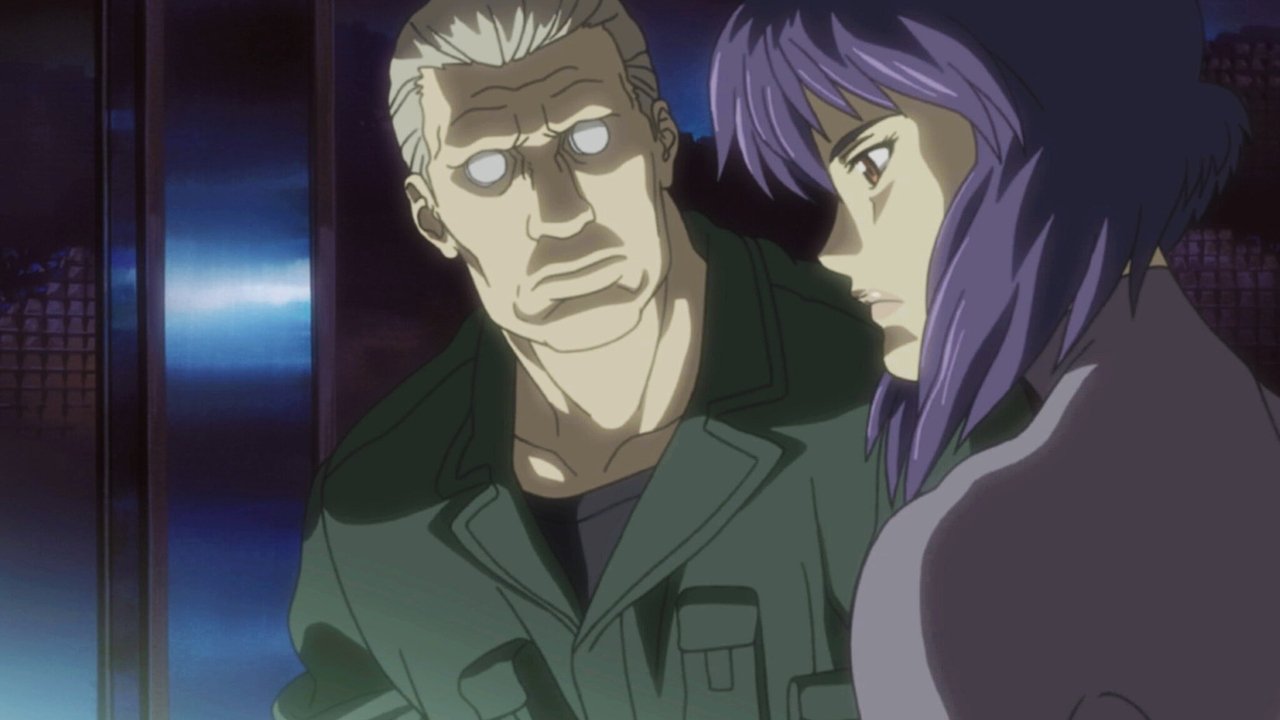
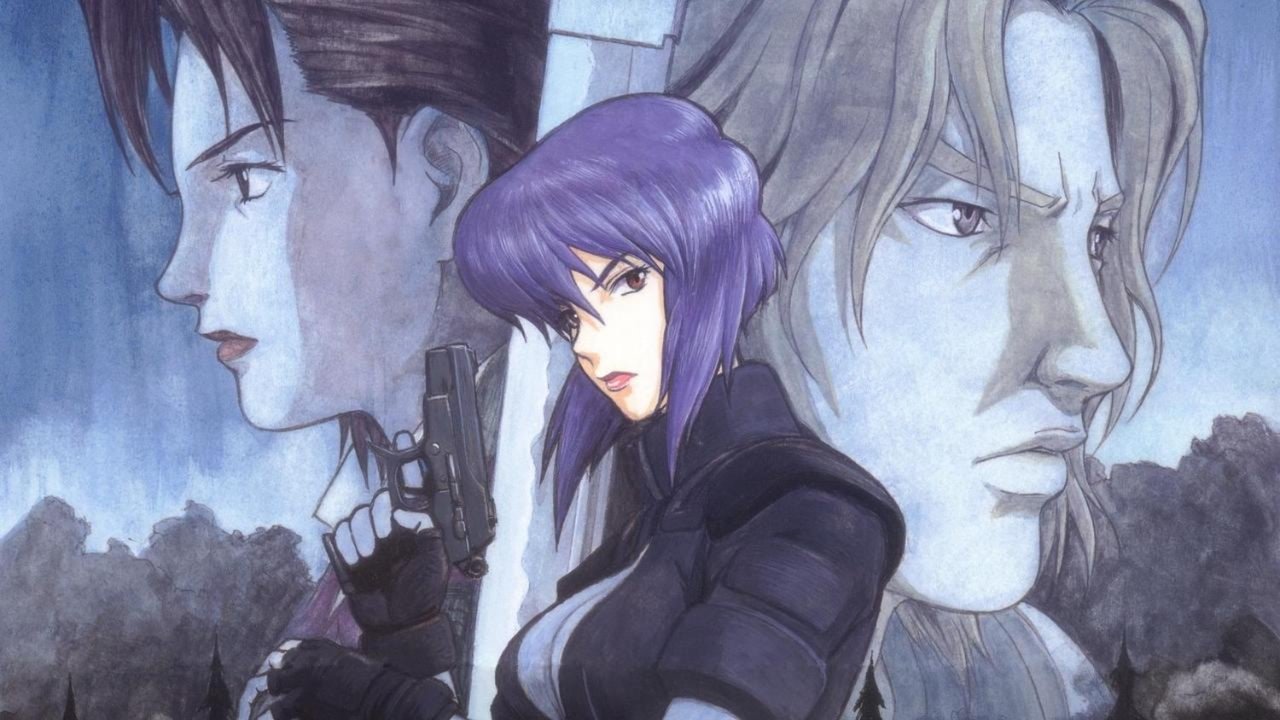
Picture this: you open Prime Video, and there they are again, Motoko Kusanagi and Batou, two characters who define the whole mood of the franchise. Motoko is the calm, precise, almost ghostly centre of the story, while Batou brings a heavier, more grounded presence. Their dynamic has always worked because it feels professional, not overly dramatic.
For Japanese learners, this is a nice chance to notice how character names often carry strong image value even when the speech stays minimal. Motoko's cool, controlled style fits words like 冷静 (reizei, calm, cool-headed), meaning cold-blooded or calm under pressure, while Batou's role often feels more akin to 強い (tsuyoi), strong and dependable. Let me show you why that matters: Ghost in the Shell doesn't just tell you who these people are, it shows you through posture, timing, and silence. My verdict:
Science SARU Style and Why It Matters
Science SARU is not a studio that blends into the background. It has a long track record of distinctive motion and expressive timing, especially in projects that need energy without losing emotional weight. If you've seen titles such as Inu-Oh, Keep Your Hands Off Eizouken!, or Devilman Crybaby, you already know the studio likes to stretch the frame, then snap it back into place.
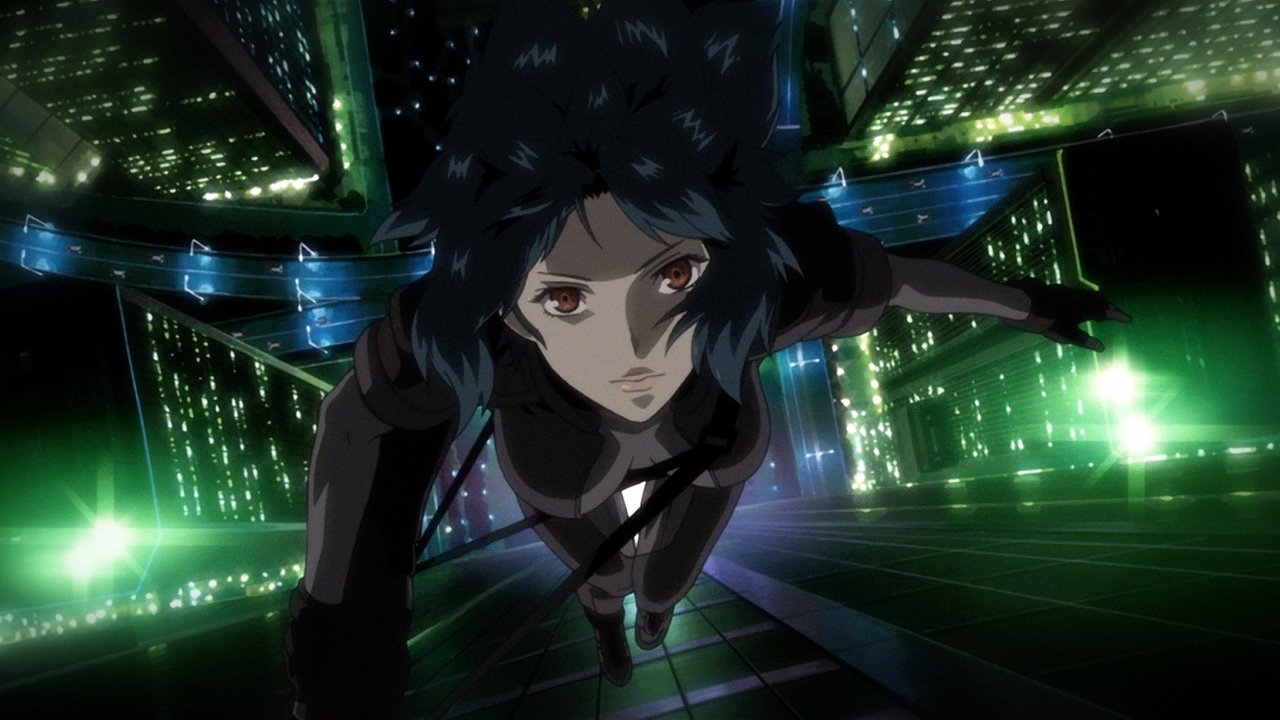
The best part is that approach could be a great match for cyberpunk. Ghost in the Shell needs sleek machinery, crowded cityscapes, and digital tension, but it also needs moments that feel human. Science SARU can make a simple head turn or a short walk feel loaded with meaning. On a related note, the studio's style often leans into fluid motion instead of stiff polish, so the action may feel less mechanical and more alive. Simply brilliant.
What could change visually?
Here's the kicker: a Science SARU version doesn't have to copy the metallic seriousness of the 1995 film to respect it. It could use stronger colour shifts, sharper movement, and more experimental scene transitions. That doesn't mean the tone will be light, only that the visuals may feel more immediate and less museum-like.
For Japan fans, this is also a reminder that anime studios have personalities of their own. In Japanese, people often talk about an artist's 個性 (kosei, individuality; personal style), meaning individuality or personal style. Science SARU has plenty of it. On the flip side, some longtime fans may want a more traditional cyberpunk look, so the big question is whether the new design language will feel bold or distracting. My tip: watch the trailer twice, once for the story hints, once just for the animation choices. You'll notice more than you expect.
Amazon Prime Video and the 7 July Release
Amazon Prime Video as the platform is a smart move for reach. Ghost in the Shell has always been the kind of franchise that attracts both hardcore anime viewers and casual sci-fi fans, so streaming lowers the barrier. Instead of waiting for a limited cinema run or niche physical release, viewers in many regions should be able to jump in on day one.
Quick detour: Prime Video also helps with timing. A 7 July launch lands right in summer anime season, when competition is fierce, but attention is high. That can work in the series' favour if the first episode lands with enough impact. And let's be honest, a major cyberpunk title arriving in July feels fitting, almost like city heat, neon glare, and late-night viewing all lined up together. Convinced yet?
Why the release date matters for newcomers
For learners of Japanese pop culture, dates are more than calendar trivia. They tell you how a release is being framed. A summer drop on a global platform says confidence. It suggests the series is meant to travel, not just sit inside one domestic audience.
That matters for jpnerd.com readers too, because Ghost in the Shell is one of those rare franchises where language, technology, and Japanese cultural identity all overlap. Terms like 精神 (seishin, spirit; mind), meaning spirit or mind, and 身体 (shintai), meaning body, keep showing up in discussions of the franchise. If you're building Japanese vocabulary around media, this series is a good excuse to keep those words in your head. Seriously though: that kind of learning sticks better when it's tied to something you actually want to watch.
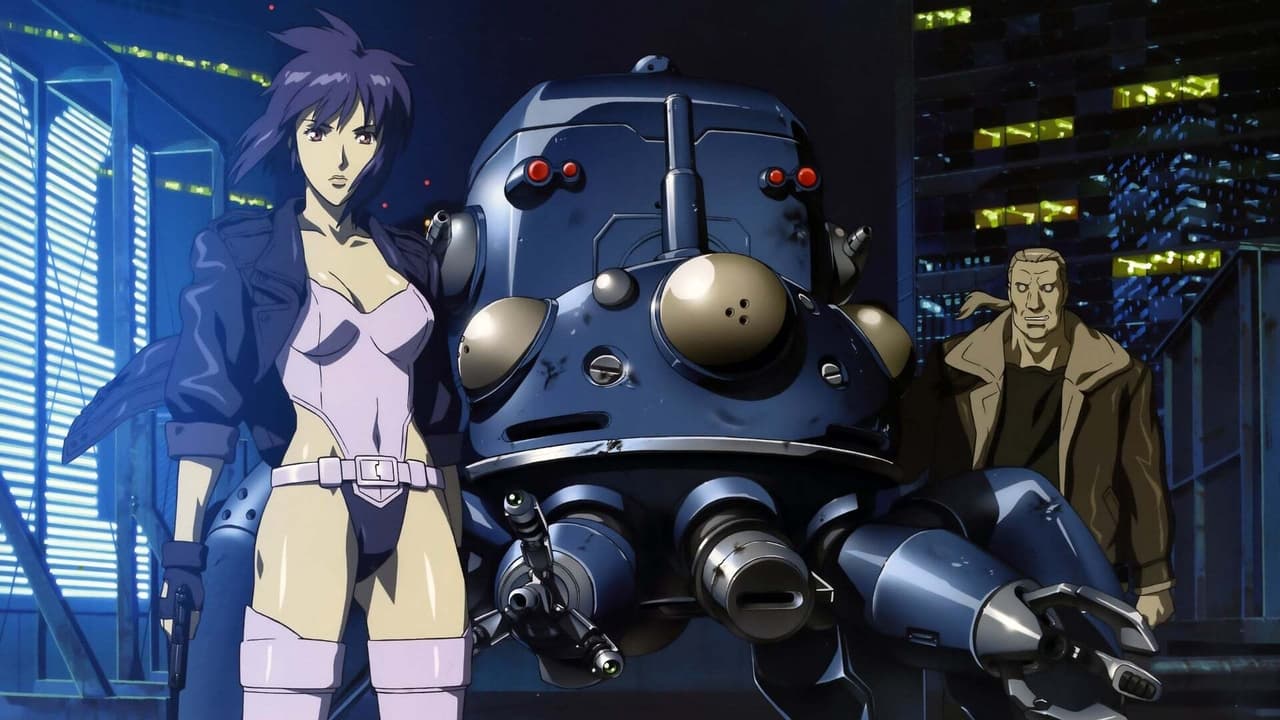
In pictures
Frequently Asked Questions
When will the new Ghost in the Shell series start?
The series is scheduled to start on 7 July.
Where will Ghost in the Shell 2026 stream?
It will stream on Amazon Prime Video.
Why are fans excited about Science SARU?
Because the studio is known for bold animation, strong motion, and a style that could give the franchise a fresh look.
If you want to keep following Japanese entertainment news, anime updates, and Japan culture stories, check out more Japan news on jpnerd.com.

