
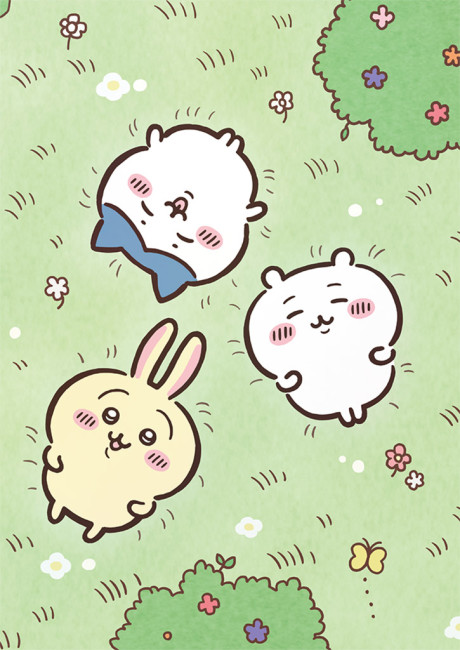
If you like Japanese pop culture, this is a lovely example of how character branding, travel hubs, and fan energy all meet in one place. And yes, it’s as adorable as it sounds.
![Dragon Ball Z: Kakarot [Master Edition]](https://s.pacn.ws/1/p/1eh/dragon-ball-z-kakarot-master-edition-908785.1.jpg?v=t8ja8t&width=400)

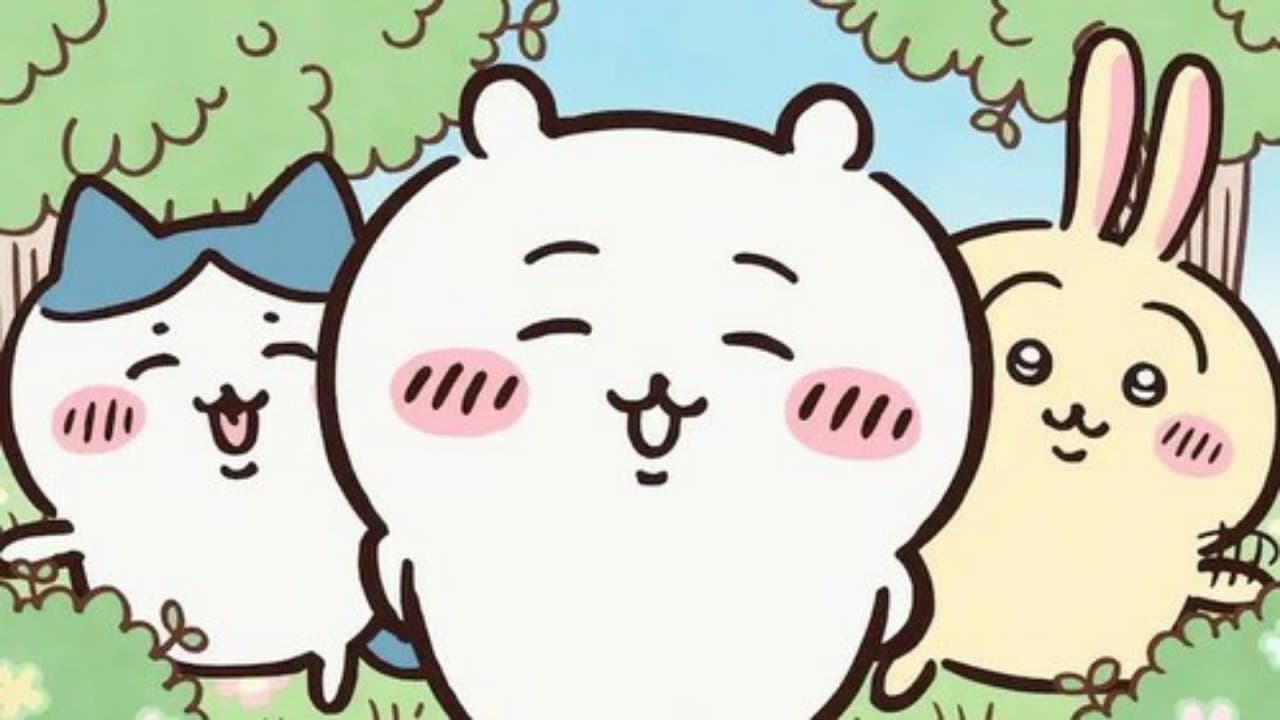
Chiikawa at Tokyo Station sounds almost too cute to be real, but that’s exactly what happened. The popular manga character was appointed “Station Master for a Day” in Tokyo, turning one of Japan’s busiest rail hubs into a full-on pop culture promotion.

No wonder, because Chiikawa has become one of Japan’s most recognisable modern characters, and rail companies know a good mascot moment when they see one. The event wasn’t just about looking sweet for photos, it was a neat piece of marketing built around a character that already has huge emotional pull with fans.
Chiikawa takes over Tokyo Station
Tokyo Station is more than a transport hub, it’s a symbol. Opened in 1914, rebuilt after wartime damage, and still one of the most important gateways in the country, it welcomes millions of passengers every year. Put Chiikawa there, and you immediately get attention.
That’s the deal here: a beloved manga figure became the face of a special campaign at the station, with themed visuals and a promotional atmosphere that made everyday commuting feel a little more playful. For fans, it’s the kind of event that turns a normal platform walk into a photo opportunity. Simply brilliant.
What most people don’t know is that Japan has a long history of using characters to humanise public spaces and brands. Train companies, airports, shops, and local governments often lean on mascots because they’re friendly, memorable, and easy to share on social media. Chiikawa fits that model perfectly, except with even more internet power behind it.

Why Chiikawa works so well as a rail mascot
Chiikawa comes from illustrator Nagano, and the manga began as a web comic in 2020. It has since grown into a full-blown cultural hit, with anime, merch, cafe tie-ins, and queues that stretch around corners whenever a new item drops. The character’s name comes from the Japanese phrase for “small and cute”, and that idea is baked into every promotion.
And it gets better: Chiikawa isn’t just cute in a static, toy-like way. The stories mix sweetness with a little anxiety, awkwardness, and everyday struggle, which makes the character feel more human than a standard mascot. That emotional range helps explain why fans don’t just like Chiikawa, they care about Chiikawa.
A great example: a railway station is full of stress, schedules, and rushing feet, so adding a calm, familiar character can soften the entire experience. For Japanese learners, that’s also a useful vocabulary moment. Words like 駅 (eki, station), 社長 (shacho, company president; boss), and 切符 (kippu, ticket) come up constantly in train life, and campaigns like this show how language and place are tied together in daily Japan.
Japan pop culture meets station marketing
Speaking of which, Tokyo Station has become a prime stage for themed promotions because it sits at the heart of travel, shopping, and tourism. It connects 新幹線 (Shinkansen, bullet train; high-speed rail) lines, commuter routes, and major business districts, so any campaign there gets massive visibility. A character takeover there is basically billboard meets souvenir machine.
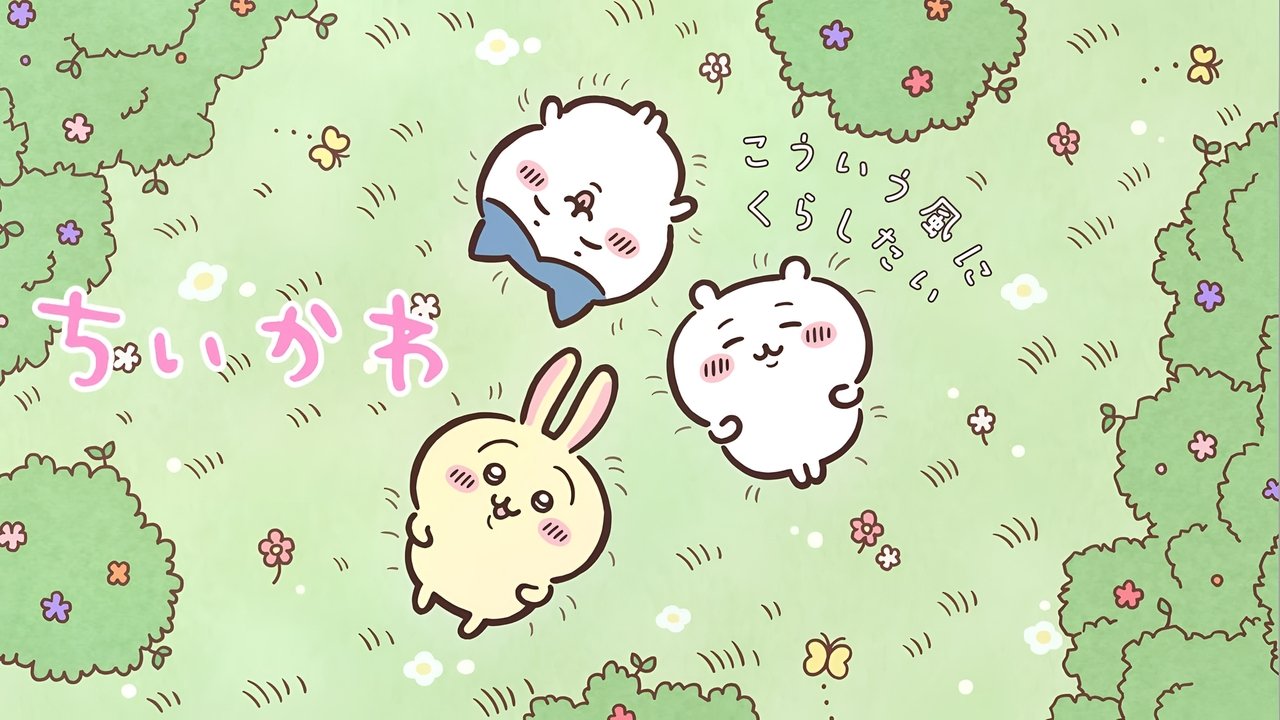
The Chiikawa event also shows how Japanese marketing often works best when it feels like an experience rather than an ad. Fans may come for the character, but they stay to browse merchandise, take pictures, and share the moment online. That loop is gold for brands, and Japan has refined it for years with anime, game, and mascot collaborations.
I still remember how often I’ve seen station spaces turned into pop culture zones in Japan. From seasonal 桜 (sakura, cherry blossoms) displays to limited-time anime stamps, stations are rarely just stations. They become mini event venues, and that makes travelling feel a lot more alive. My tip: if you’re in Japan, always look up from the timetable, because the walls around you may tell a better story than the train board.
What this says about modern Japan
For Japan fans and Japanese learners, the Chiikawa station event is more than a cute headline. It’s a snapshot of how contemporary Japan blends entertainment, business, and public space without making the seams too obvious. A manga character can stand beside railway branding and somehow it all feels natural.
On a related note, this kind of promotion is also a nice reminder that Japanese pop culture isn’t limited to anime conventions or shopping streets in Tokyo’s trendier districts. It reaches ordinary places too, from stations to convenience stores to municipal campaigns. That’s part of what makes Japan so easy to enjoy and so fun to study.
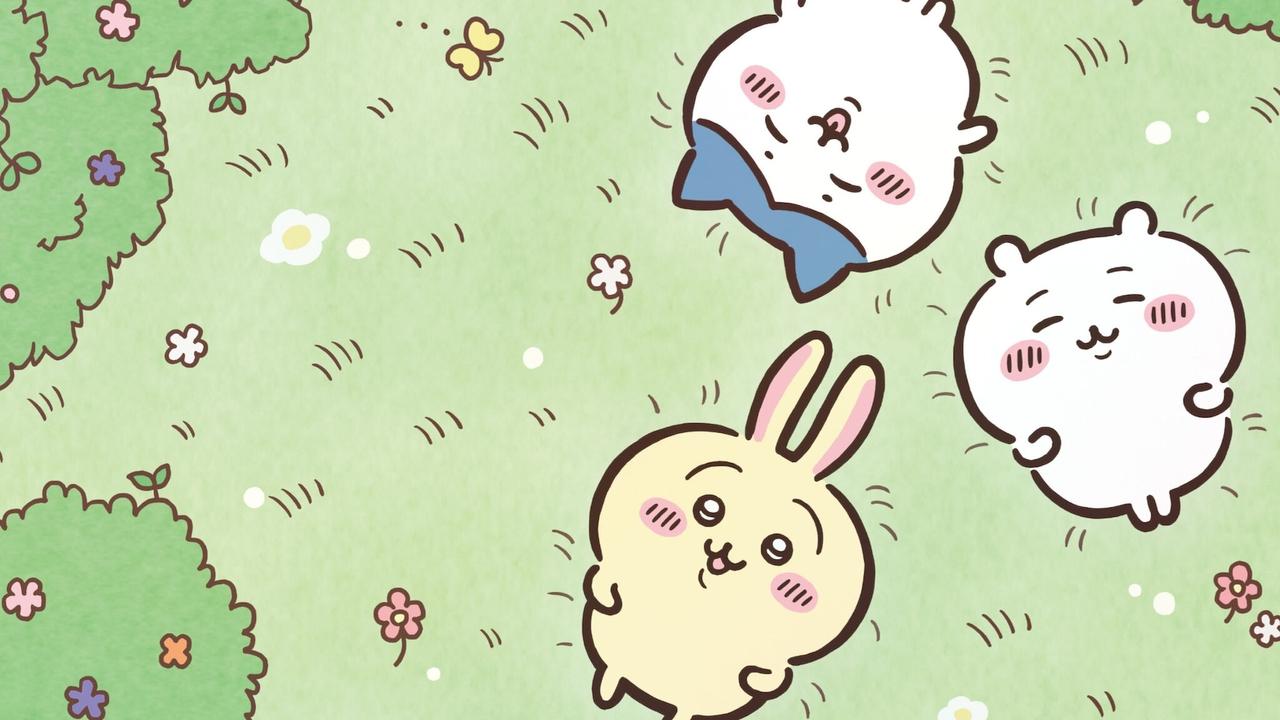
What I especially like is that these events give learners real-world context for vocabulary and behaviour. You see how people line up, how limited-time goods create excitement, and how polite station culture still stays in place even during the cutest promotional chaos. Sounds good, right?
If you’re studying Japanese, keep an ear out for words linked to travel and event culture, like 営業 (eigyo, business; sales; operations), 記念 (kinen, commemoration; anniversary), and 回答 (kaito, answer; response). They pop up all over the place in promotion-heavy Japan, and they’re easier to remember when attached to something as memorable as Chiikawa.
For fans of Japanese culture, this is exactly the sort of crossover that makes a trip to Tokyo feel special. A station can be a station, sure. But with Chiikawa on duty, it becomes a tiny piece of pop culture history. My verdict: I’d happily stop by just to see it.
In pictures
Frequently Asked Questions
What happened at Tokyo Station?
Chiikawa was appointed as Station Master for a Day as part of a special promotion.
Why did this event get so much attention?
Because Chiikawa is extremely popular in Japan, and Tokyo Station is one of the country’s biggest and most visible transport hubs.
Is this a common kind of promotion in Japan?
Yes, character tie-ins and themed station campaigns are a well-established part of Japanese marketing.

