

What makes this comeback extra interesting for jpnerd readers is the setting, a brutal alternate Europe with WW1-style warfare, rank structures, and battlefield politics. Classic Japan, isn’t it?


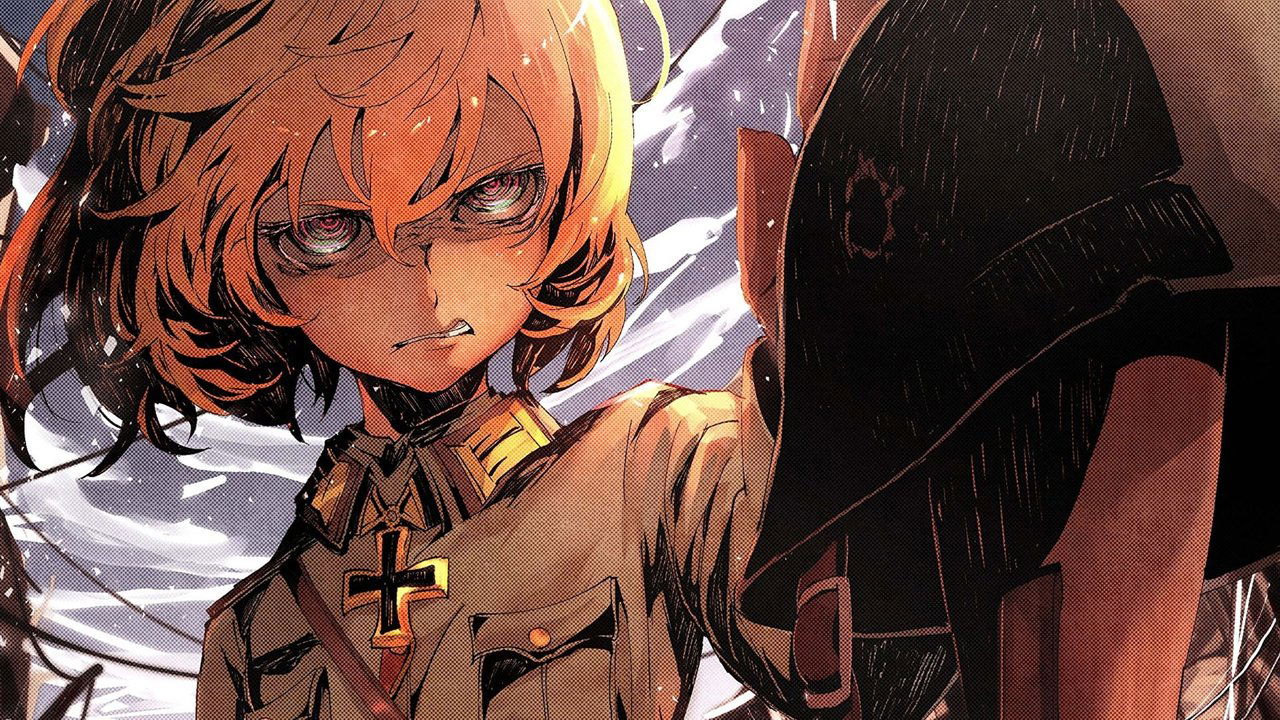
Picture this: a tiny blonde officer with terrifying precision, a trench-war setting that feels ripped from an alternate history textbook, and a fanbase that’s waited nearly a decade for more. Saga of Tanya the Evil season 2 is back in the spotlight, and the timing feels almost unreal, because the first season aired in 2017. No exaggeration: that’s a long gap for any anime, especially one with such a clear identity.

For German viewers, the Crunchyroll DE simulcast matters too. The series has always had a particular pull in German-speaking countries, because its world-building leans heavily on WW1-era Europe, from uniforms and command chains to the bleak logic of front-line strategy. If you’re studying Japanese, this is also a good title for picking up military and political vocabulary in context, like 兵隊 (heitai, soldier), 指令 (shirei, command; order), and 戦場 (senjo, battlefield), even when the story is set in a fantasy version of Europe. But that’s not all.
Saga of Tanya the Evil season 2: why this comeback matters
What most people don’t know is that the long silence after season 1 didn’t kill the franchise. The original anime, based on Carlo Zen’s light novels, built a solid reputation because it mixed reincarnation, war, bureaucracy, and cold logic in a way that still feels sharp. Tanya Degurechaff isn’t just another overpowered lead, she’s a calculated anti-hero in a military machine, and that makes every scene feel heavier than the average 異世界 (isekai, other world).

Season 2 arrives after about nine years, and that gives the return real weight. Fans who discovered the show in 2017 are now older, maybe even fluent enough to catch Japanese nuances that once slipped by. Take 軍隊 (guntai, army; troops) for instance, the word for army, or 司令官 (shireikan), commander, both of which fit this series perfectly. Watching with subtitles, then comparing the terms you hear, is a great way to turn anime time into study time. From my experience...
Crunchyroll simulcast and the German connection
Speaking of which... the Crunchyroll simulcast on 8 July is the cleanest way for European fans to keep pace with the new season. If you live in Germany, Austria, or Switzerland, the timing is especially convenient, because you can follow the discussion as it happens instead of waiting around for clips and spoilers to trickle in. That shared release window also gives the series a stronger community feel, which matters more than people think.
Quick detour: the German connection goes deeper than just streaming availability. Saga of Tanya the Evil plays with a central European military aesthetic, from uniforms to architecture to battle maps, and that makes it feel strangely familiar to viewers who know European war fiction. The tone is still very Japanese, though, especially in how it treats efficiency, hierarchy, and punishment. The result is a rare hybrid, a fantasy war story filtered through Japanese storytelling instincts. Wild, isn’t it?
Studio NUT, Takayuki Yamamoto, and Kenta Ihara return
Fun fact: season 2 is being produced by Studio NUT, the same studio associated with the series’ visual identity. That continuity matters because Tanya’s world depends on sharp staging, clean military formations, and convincing aerial combat. If the studio changed everything at once, the whole mood could wobble, and this show really can’t afford that.
The staff lineup also gives fans a reason to relax. Takayuki Yamamoto is directing, and Kenta Ihara is handling the scripts again, just like in season 1. That continuity usually helps with pacing and character voice, especially in a story where the dialogue has to balance cold military procedure, sarcasm, and Tanya’s internal monologues. My tip: if you want to appreciate the writing, pay attention to how orders and rank language are handled, because that’s where the show gets a lot of its tension. Wait, there’s more.

Why the show still stands out in 2026
I still remember exactly how sharply the first season separated itself from the crowd. While many isekai series lean into comfort, Saga of Tanya the Evil keeps asking what war looks like when a brilliant but ruthless mind is trapped inside a child-sized body. That contrast never gets old, and it also explains why the series stayed memorable for so long, even without a quick follow-up season.
For Japan fans, there’s also a cultural angle worth noting. Japanese war stories often use strict hierarchy, duty, and discipline as dramatic fuel, and Tanya pushes those themes to an extreme. If you’re learning Japanese, try noting words like shirei, 機関 (kikan, institution; organization), and 義務 (gimu, duty; obligation) when they appear in military settings elsewhere too, because this show gives those terms a strong emotional frame. On a related note: this is exactly the kind of series that rewards repeat viewing. Highly recommended:
So yes, 8 July is the date to circle if you’ve been waiting for Tanya’s return. Nine years is a brutal gap, but the staff, the setting, and the Crunchyroll DE release all point to a comeback that should get people talking fast. If you want more Japan coverage like this, check out more Japan news on jpnerd.com.
In pictures


Frequently Asked Questions
When does Saga of Tanya the Evil season 2 start?
The new season starts on 8 July on Crunchyroll DE.
Why is this season getting so much attention?
Because it returns after about nine years, and the series has a strong fanbase plus a distinctive war-fantasy setting.
Is there a Japanese learning angle here?
Yes. The military setting is useful for learning vocabulary related to ranks, orders, and battlefield language.

