
What makes it even better is the game’s core gimmick: a chameleon mechanic that feels simple at first, then gets sneakily clever. If you like indie stories, Japanese game culture, or just a good underdog win, this one’s worth your time.
![Dragon Ball Z: Kakarot [Master Edition]](https://s.pacn.ws/1/p/1eh/dragon-ball-z-kakarot-master-edition-908785.1.jpg?v=t8ja8t&width=400)


Meccha Chameleon: how a tiny Japanese indie game shocked Steam
Did you know that a single Japanese developer managed to put Meccha Chameleon right into Steam’s spotlight? No exaggeration: the game sold 2 million copies in just five days, which is the sort of number usually linked to giant publishers, not one-person projects. That alone makes this one of the most eye-catching indie stories from Japan this year.
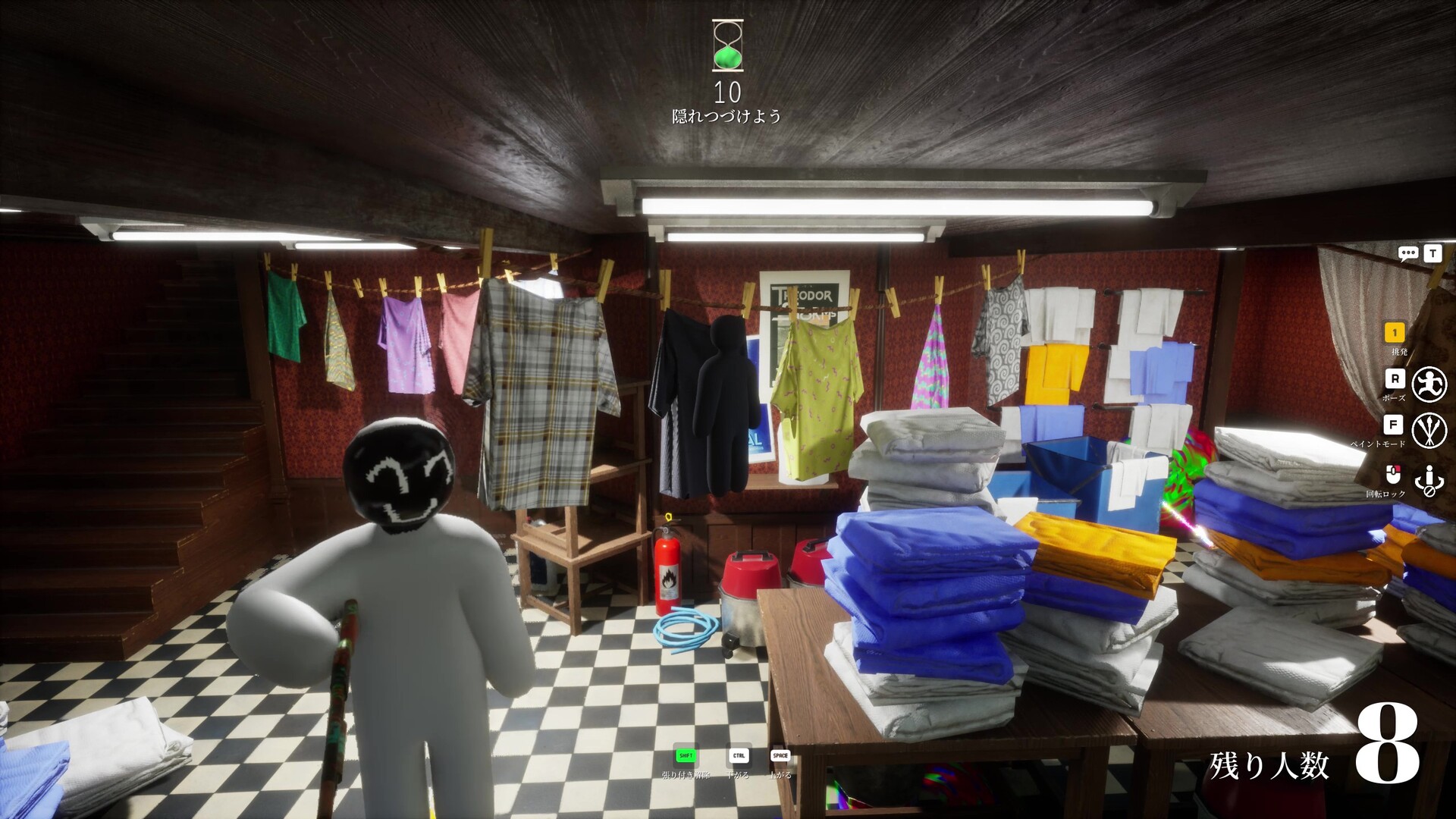
The creator goes by Lemorion 1224, and the game was self-published, so there wasn’t a big marketing machine hiding behind it. That matters. It means the success came from a sharp idea, strong timing, and the kind of word-of-mouth that Steam players can generate fast when a game feels fresh. Sounds good, right?
How the chameleon mechanic works in Meccha Chameleon
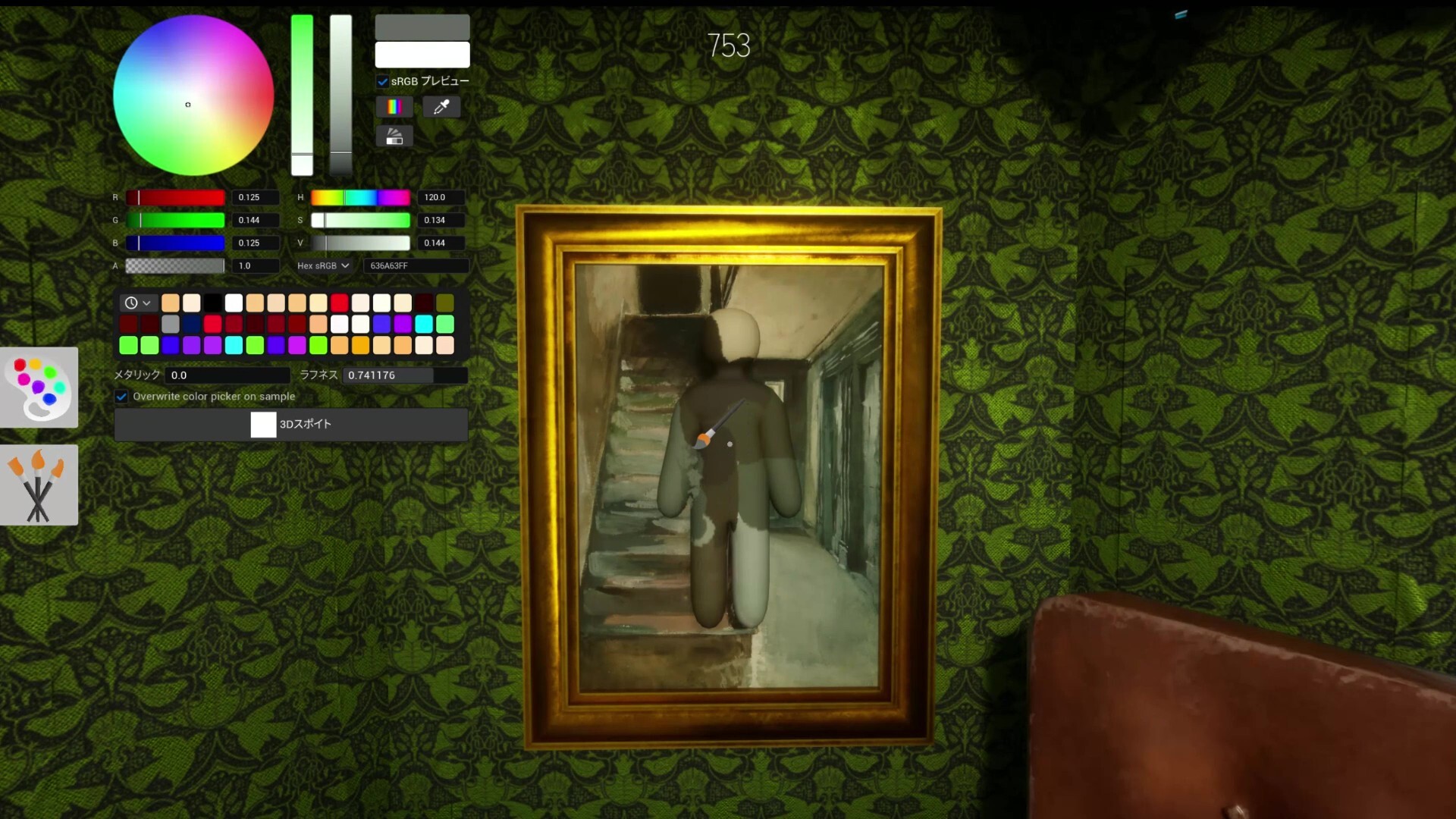
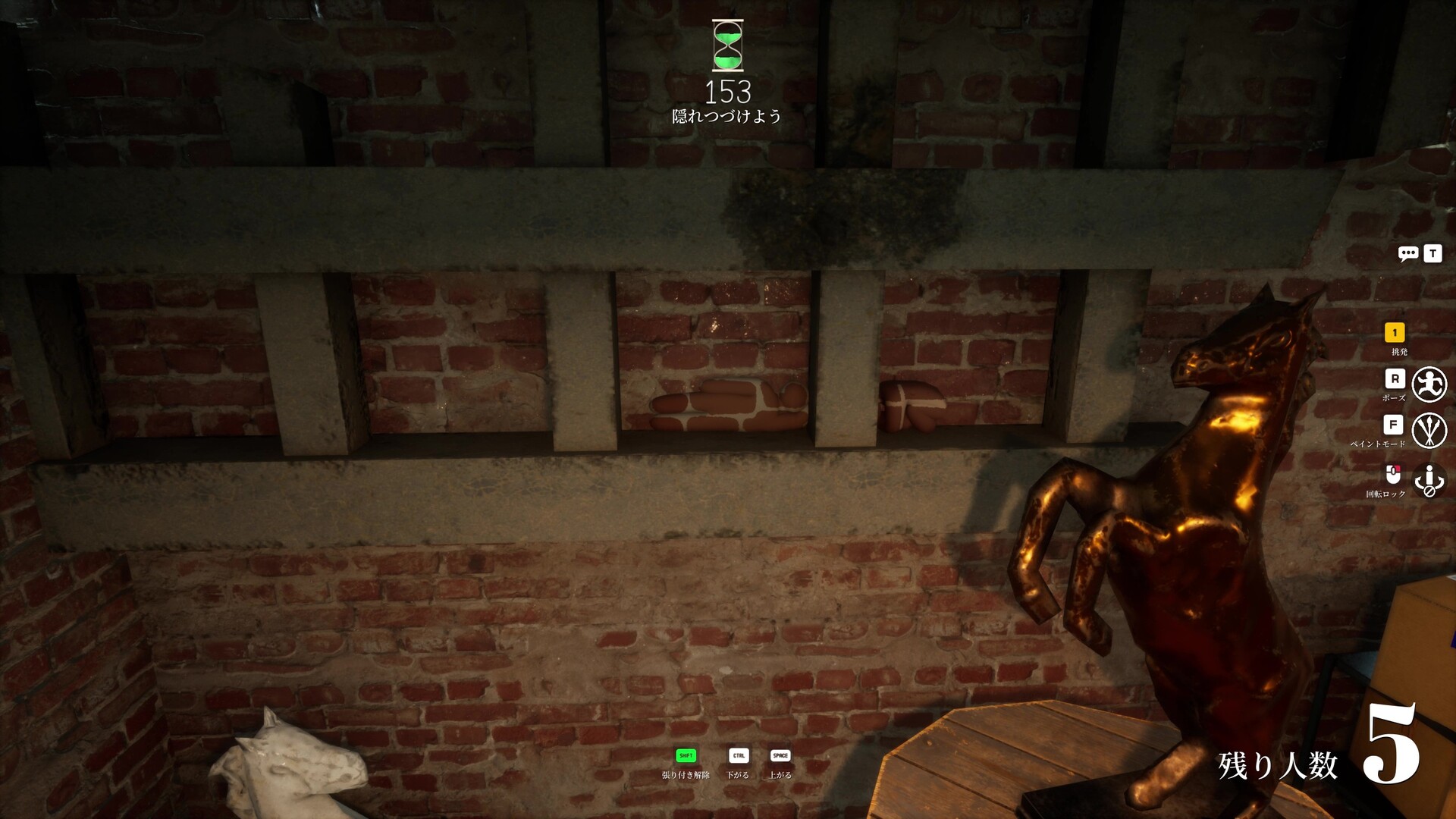
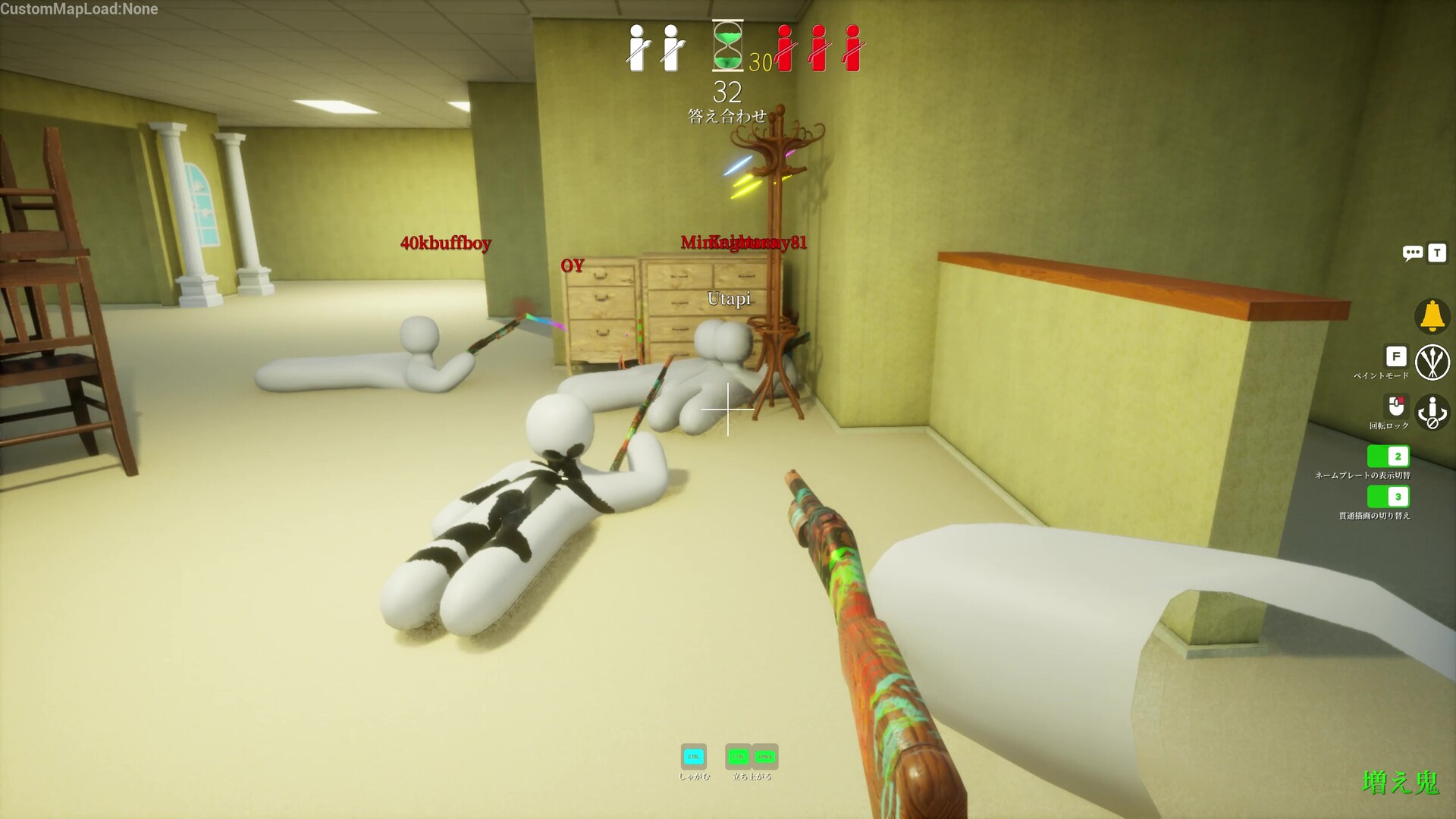
Let me show you why the gimmick works. Meccha Chameleon is built around hide-and-seek, but with a twist that fits the title perfectly: you play as a chameleon, and your body can blend into the environment, letting you sneak, evade, and mess with other players’ expectations. It sounds weird, but it’s true, and that odd little idea is exactly why people keep talking about it.
For example, the chameleon mechanic isn’t just visual decoration. It changes how you move through spaces, how you read rooms, and how you think about being seen. That creates tension, then comedy, then a bit of panic when someone spots you at the worst possible moment. Compared with back home, where many indie games play safe, this one feels like it was made by someone who really wanted to toy with player habits. My tip: if a game makes you grin before you even understand all the rules, keep watching it. Wait, there’s more.
Why the concept feels so shareable
Quick detour: part of the appeal is that the game is easy to explain in one sentence. In Japanese game culture, that matters a lot. A clean hook, or 引っ掛け (hikkake, hook; trick; catchy hook) in the broad sense of a catchy idea, can travel far when players clip funny moments and post them online. That is exactly the kind of energy Steam loves.
Speaking of which... the game also taps into a familiar comedy rhythm. You get the tension of 隠れ (kakure, hidden; concealment)-style hiding, then the payoff when the disguise works, or fails in a spectacular way. If you’re learning Japanese, this is a nice example of how game vocabulary often overlaps with everyday words, like 隠れる (kakureru, to hide) for hiding and 見える (mieru, to be visible; to be seen) for being visible. Simple words, very useful, and suddenly they feel memorable because there’s a funny image attached. From my experience...
Who is Lemorion 1224, the solo developer behind the hit?
Plot twist: the headline isn’t just about the game, it’s about the person behind it. Lemorion 1224 is a Japanese solo developer, which means the design, coding, and overall direction were largely shaped by one creator’s taste. That’s a big reason people in Japan’s indie scene are paying attention, because solo development still has a strong romantic pull there. One person, one idea, one strange little game that suddenly gets huge. Simply brilliant.
What I especially like is that this kind of success story feels very Japanese in spirit, even when the distribution is global. There’s a long-running appreciation for compact, highly focused projects, from 同人 (doujin, fan-made; independent doujin work) games to small PC releases that build a fanbase through charm rather than scale. Meccha Chameleon fits that lineage nicely, even if its Steam numbers are on a much bigger level than most doujin titles ever reach.
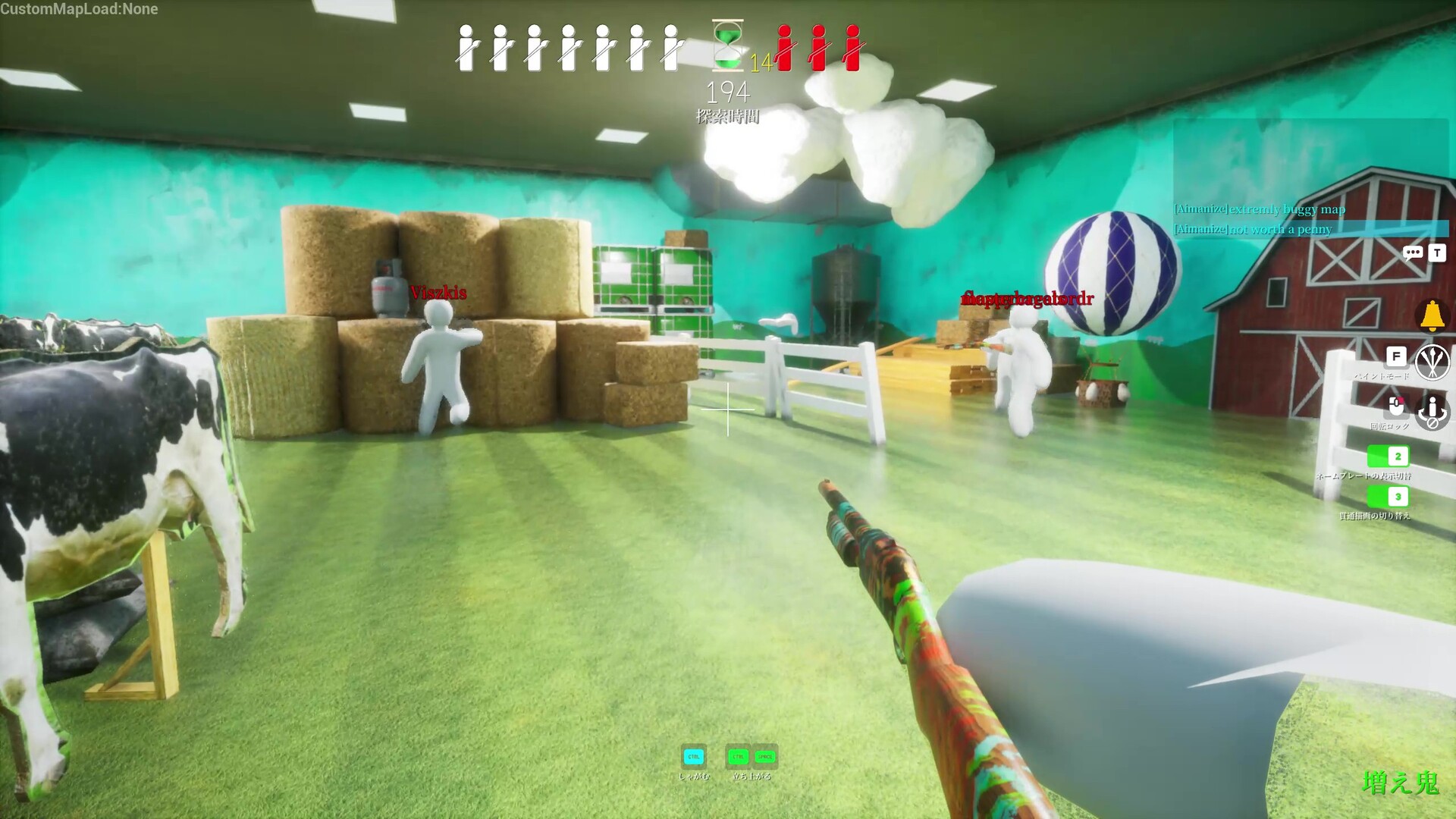
Oh, almost forgot: because the game is self-published, it also shows how much power individual creators now have on Steam. A solo dev in Japan no longer has to wait for a traditional publisher to approve every weird idea. If the hook is strong enough, players can do the rest. This is my absolute hidden gem! Wait, there’s more.
Why people compared Meccha Chameleon to Among Us
While we’re at it: the comparison to Among Us makes sense, even if the games aren’t the same at all. Both were indie titles, both exploded through social sharing, and both turned simple premises into huge online conversations. Among Us became a lockdown-era phenomenon in 2020, while Meccha Chameleon is riding a different kind of viral wave through Steam and gaming communities.
The important part is not that they share mechanics, but that they share momentum. A small game can grow absurdly fast when players feel like they discovered something before everyone else. That feeling is powerful. For Japan fans, it’s also fun to watch how a local creator can suddenly join the same conversation space as global indie hits.
There’s another detail worth mentioning: the game’s price is around 1,000 yen on Steam, which makes it feel accessible rather than risky. That kind of pricing is common for compact indie releases in Japan, where many players are happy to take a chance on a clever idea if the entry cost is low. Add in the possibility of a German version, or at least multilingual support depending on the store listing, and you can see why international players are curious. If you’re a language learner, checking supported languages is also a neat habit, because it teaches you how game pages label language support, subtitles, and interface options. Sounds good, right?

What Japanese learners can take from this Steam hit
Imagine a narrow alley in Tokyo. You’re walking past tiny shops, someone slips behind a vending machine, and suddenly the whole street feels like a stealth puzzle. That is the kind of mental picture Meccha Chameleon gives me, and it’s a good reminder that Japanese games often turn everyday movement into something playful.
For language learners, the fun part isn’t just the game itself, but the vocabulary around it. Words like hideru, kakureru, 逃げる (nigeru, to escape; to run away), and 見る (miru, to see; to look) show up in all sorts of contexts, from games to travel to casual conversation. If you remember them through a game like this, they stick better. That’s why Japan fans should keep an eye on indie hits, not just big Nintendo releases.
The bigger lesson is simple. Japanese solo developers are still capable of making the internet sit up and pay attention, and Steam is one of the best places for that to happen. When a game is strange, polished, and easy to share, it can break through fast, even without a huge team. From my experience, those are the stories that age best. While we’re at it: if you enjoy this kind of Japan gaming coverage, keep following the scene closely, because the next surprise could be even stranger.
In pictures
Frequently Asked Questions
What is Meccha Chameleon?
It is a Japanese indie hide-and-seek game built around a chameleon-style camouflage mechanic.
Who made the game?
The game was created by Lemorion 1224, a Japanese solo developer.
Why is it being compared to Among Us?
Both games were indie hits that spread quickly through online sharing and player discussion.