
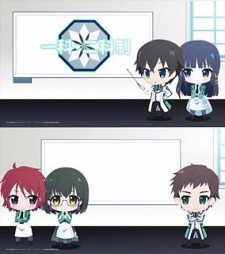
What makes it interesting is the mix of news and fandom timing, because this isn’t just a random book release. It’s a publisher-driven package from Houchi Shinbunsha, aimed right at people who want to keep up with the series while the anime buzz is still hot.



Magical High School Special Edition lands on June 12
Magical High School Special Edition, officially titled Mahouka Koukou no Rettousei 特別 (tokubetsu, special)-bu, is set for release on June 12. That date matters because it lines up with the second anime phase of the franchise, so this isn’t a side note or a random commemorative item. It’s a deliberate fan product, and that changes how you read the whole release.

If you follow anime publishing in Japan, you’ll know this kind of timing is common, but it still feels exciting when it happens with a long-running title. The publisher is Houchi Shinbunsha, a company better known for news media, so seeing them handle a special edition for a popular anime-related property is a nice twist. Wild, isn’t it? A newspaper publisher leaning into otaku culture with a clear seasonal tie-in.
Here’s the catch: this isn’t being positioned as a vague “celebration” item. The release date is concrete, the product name is fixed, and the reason for publication is also clear, the second anime phase. For fans, that makes it easier to plan a purchase, especially if you like collecting print items that connect to broadcast campaigns, magazine features, or anniversary drops. Sounds good, right?
From a Japanese learning angle, this is also a handy phrase set to remember. 特別部 (Tokubetsu-bu, special section / special edition) means special edition or special issue, and 発送 (hassou, shipping / release date) can mean a release or shipping date depending on context. If you can spot those words in Japanese announcements, you’ll often understand the key point faster than waiting for a full translation. Insider tip: those little labels tell you a lot about what kind of product you’re looking at.

Why this anime tie-in matters for Mahouka fans
The reason is simple: Mahouka has always had a strong bridge between novels, anime, and print promotion. When a series reaches a second anime phase, publishers often use the moment to refresh interest, pull in old readers, and give current fans something physical to buy. That’s why a special edition like this feels more useful than a generic promotional poster.
A great example: Japanese publishers often release 特別号 (tokubetsu-go, special issue) or 増刊 (zoukan, supplementary issue / extra edition) style products around major media events, and fans respond because the item becomes part of the broadcast season itself. For Japanese learners, this is also a good real-world case study in how media ecosystems work in Japan. Anime doesn’t just air, it supports books, magazines, extras, and store campaigns. Pretty brilliant, really.
What most people don’t know: these tie-ins can help you track how a franchise is being marketed. If a title gets a print special close to a new anime run, that usually means the publisher expects fresh attention. In practical terms, this can mean renewed talk on social media, bookstore displays, and a spike in searches for the original work. No wonder, because fans love products that feel tied to a specific moment in the series timeline.
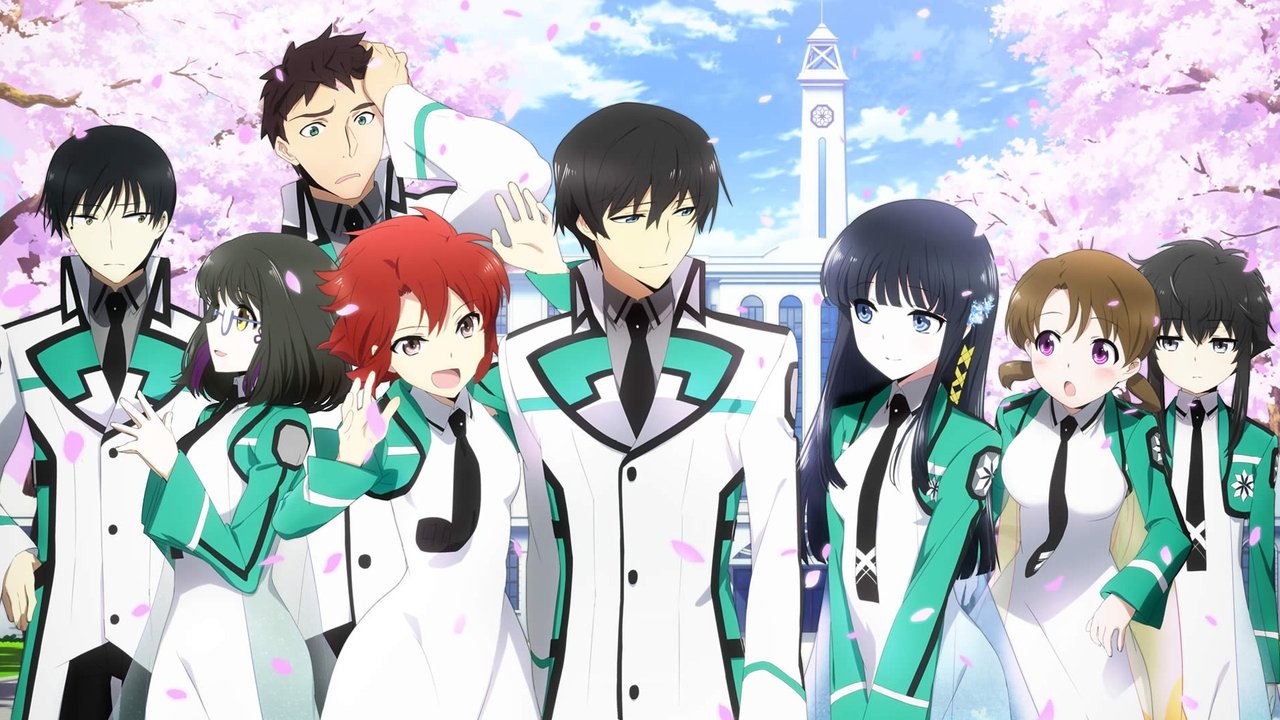
My tip: if you’re studying Japanese, watch how fan announcements are phrased. Look for words like 記念 (kinen, commemorative) (commemorative), tokubetsu (special), and 販売 (hanbai, sale / sales) (sale). Those terms show up everywhere in Japanese pop culture news, and once you recognise them, headlines become much easier to scan. From my experience, that’s one of the fastest ways to make Japanese news feel less intimidating.
What Houchi Shinbunsha is doing here
Houchi Shinbunsha is the publisher behind this special edition, and that detail deserves attention. In Japan, newspaper companies and media publishers often handle special print projects tied to entertainment properties, especially when they know there’s an active fan base ready to buy. This release fits that pattern neatly.
It’s early morning in Kyoto. You’re at a bookstore, maybe near a station, and a themed special edition appears on a display shelf next to anime magazines and character goods. That kind of scene happens all the time in Japan, and it helps explain why these releases matter so much. They’re not just content, they’re placement, timing, and fandom all rolled into one.

That’s why the publisher name matters here. Houchi Shinbunsha gives the project an established media backing, while the June 12 release date gives it urgency. Fans who follow Mahouka don’t need a long explanation, because the tie-in speaks for itself. If you’re the kind of reader who enjoys collecting anime-related print items, this is exactly the sort of release to keep on your radar.
Plot twist: the real value may not even be the content alone, but the way the item marks the start of a broader second-anime wave. In Japan, that wave effect is powerful. One anime season can revive old novels, prompt new covers, and push readers back into the source material. That ripple is part of the fun, and it’s one reason Japanese fandom feels so interconnected.
Imagine a narrow alley in Tokyo. A small shop has stacks of new releases, and a clerk casually points to a special edition tied to a current anime. That’s the kind of everyday pop culture moment that makes Japan feel so alive to fans overseas. If you’re learning Japanese, these are the real-world signals worth noticing, because they show how language and media move together. But that’s not all.
In pictures


Frequently Asked Questions
What is the release date for the special edition?
It is scheduled for June 12.
Is this release connected to the anime?
Yes, it is tied to the second anime phase of the series.
Who is publishing it?
Houchi Shinbunsha is the publisher.
If you enjoy tracking Japanese pop culture releases like this one, keep an eye on how anime and print media support each other. For more updates, see more Japan news on jpnerd.com. Sounds good, right?


