For Japan fans, this is also a great reminder that Nintendo’s next chapter isn’t just about first-party charm. It’s about how far modern game tech can stretch on a handheld-style device, and what that means for developers, players, and the future of Japanese gaming culture. Sounds good, right?
![Dragon Ball Z: Kakarot [Master Edition]](https://s.pacn.ws/1/p/1eh/dragon-ball-z-kakarot-master-edition-908785.1.jpg?v=t8ja8t&width=400)
![Startup Company [Console Edition] (Limited Edition)](https://s.pacn.ws/1/p/157/startup-company-console-edition-limited-edition-741799.16.jpg?v=ry4mm8&width=400)
![Startup Company [Console Edition]](https://s.pacn.ws/1/p/157/startup-company-console-edition-741779.10.jpg?v=ry4ngq&width=400)
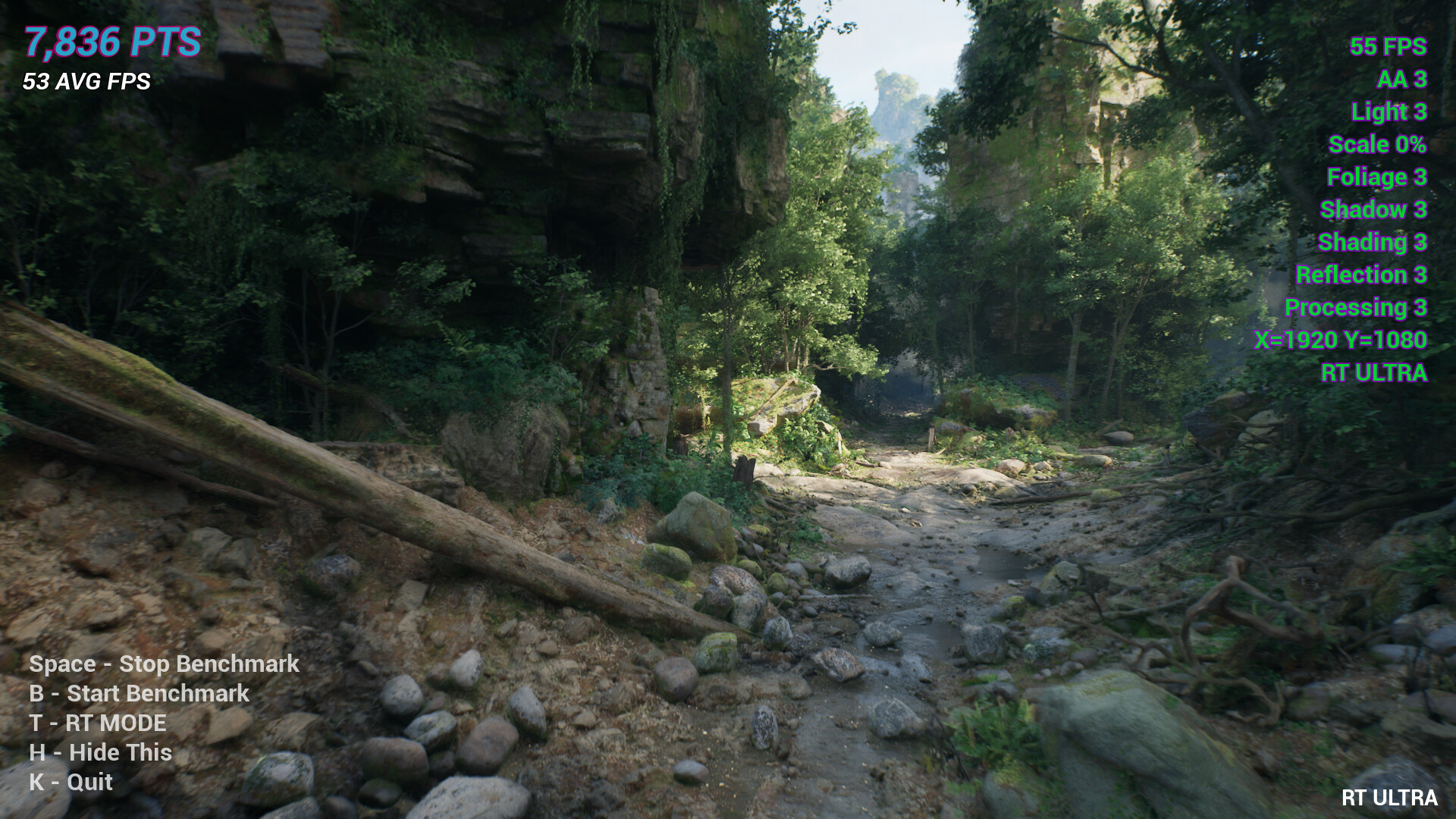
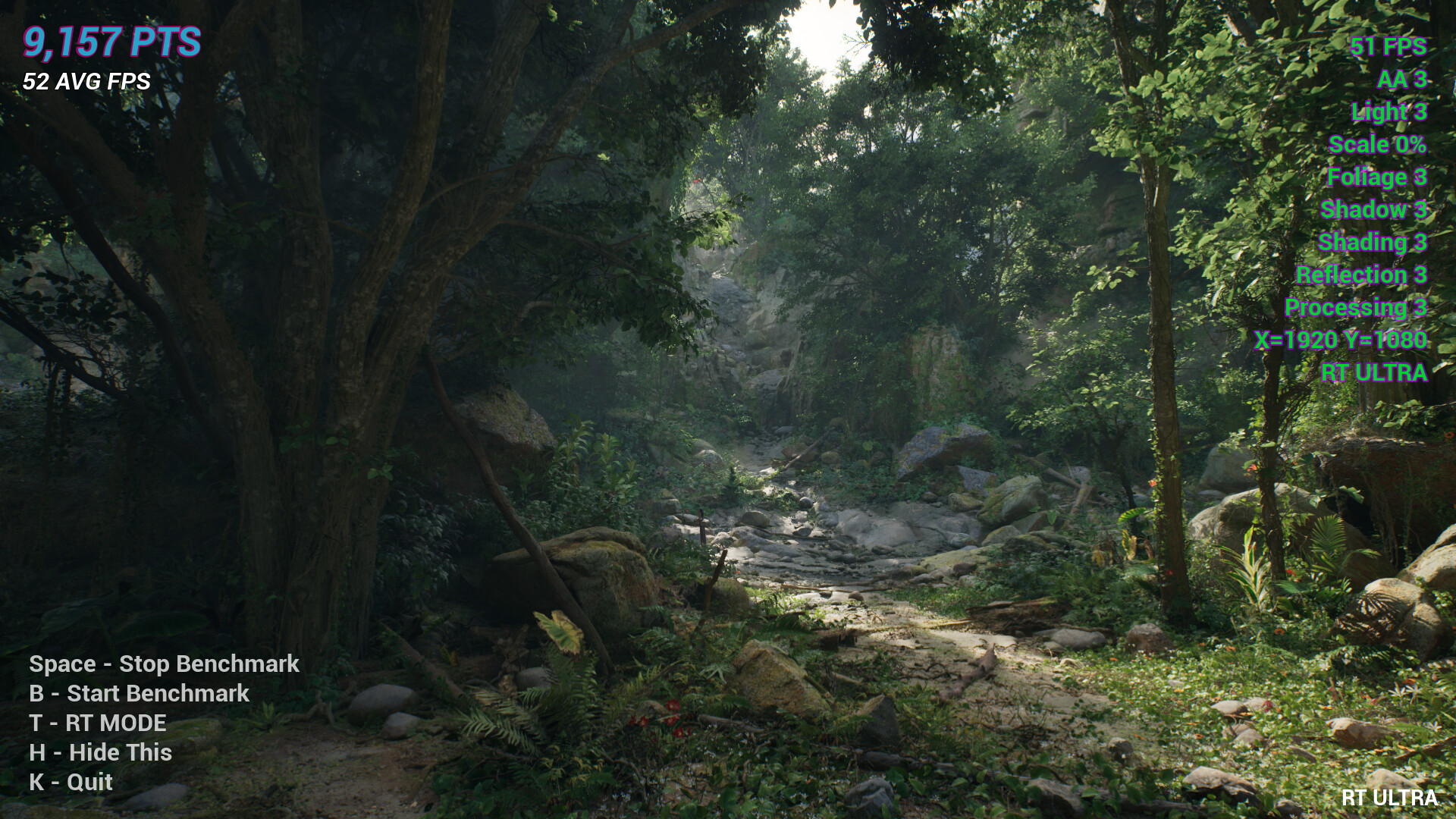
Unreal Engine 5 on Switch 2 is one of those tech stories that sounds too neat to be true, until you look at the numbers. Epic Games says a new Unreal Engine 5 update can run up to twice as fast on Nintendo Switch 2, and that changes the whole mood around the console, at least from a developer’s point of view. If you care about how games are built, not just how they look, this is a big deal.
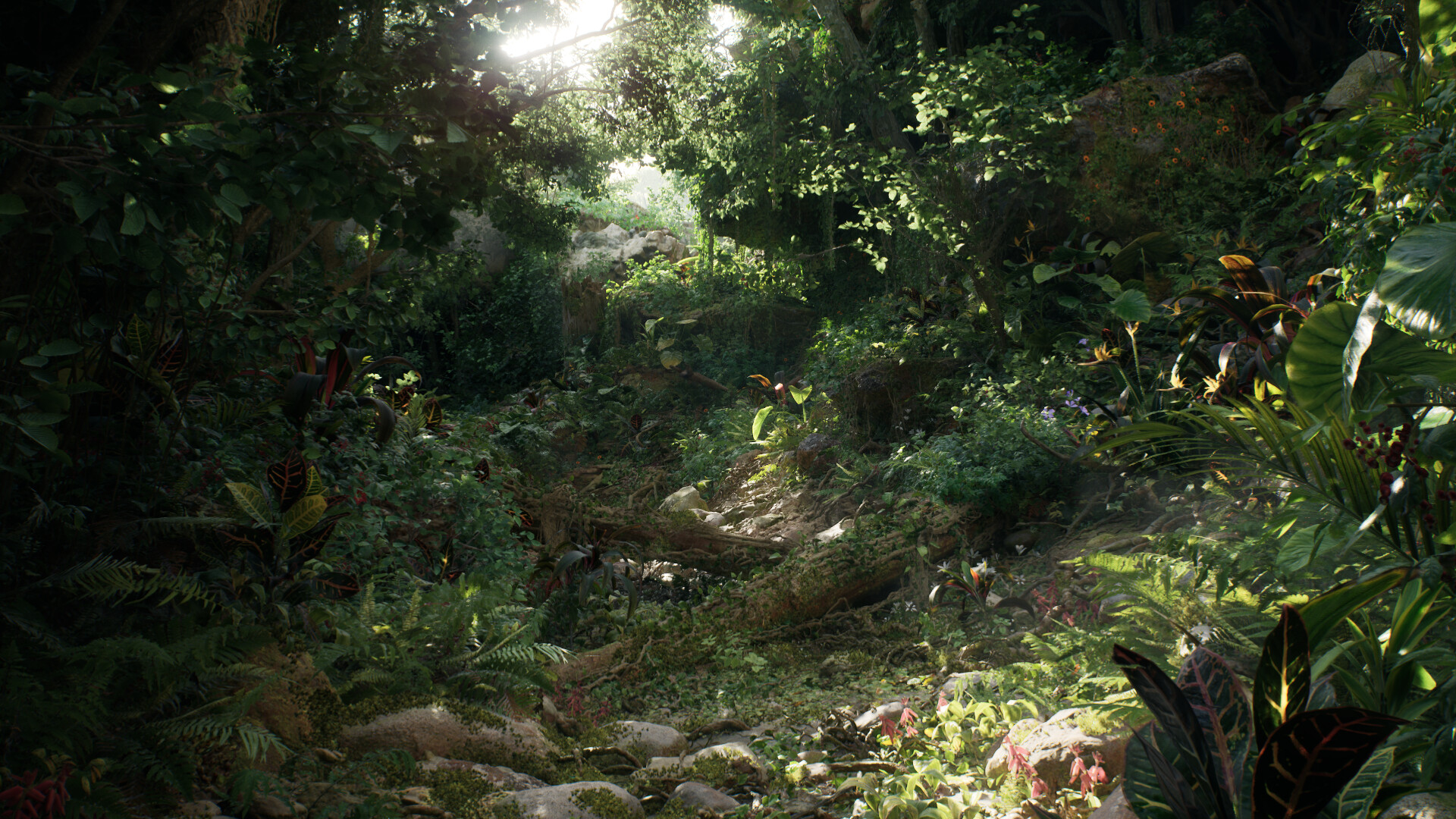
Know that feeling when a platform gets labelled "good for Nintendo games, but not really for heavy tech"? That’s the old framing, and this update pushes right through it. The surprise isn’t only that Switch 2 can handle Unreal Engine 5, it’s that Epic’s talking about such a clear performance jump, with real platform-specific tuning instead of vague marketing talk. From my experience, that kind of detail usually means the engineers have found a very practical path forward. Simply brilliant.
Epic Games and the Unreal Engine 5 Update for Switch 2
Epic Games launched Unreal Engine 5 in 2021, and since then the engine has become known for features like Lumen for dynamic lighting and Nanite for virtualised geometry. Those tools are powerful, but they can be heavy, especially on smaller hardware. That’s why this Switch 2 update matters so much, because it’s not just about getting UE5 to run, it’s about making it run efficiently on a device that sits in a very different class from a gaming PC or a home console like PlayStation 5 or Xbox Series X.
What many overlook: Epic isn’t talking about some tiny internal tweak. The company has introduced platform work that targets memory use, CPU overhead, and rendering efficiency, all the boring-sounding parts that decide whether a game feels smooth or clumsy. On a machine like Switch 2, every millisecond counts, especially when a game is trying to juggle handheld power limits, battery life, and docked output. That's why a doubling of performance is more than a headline; it's a signal.
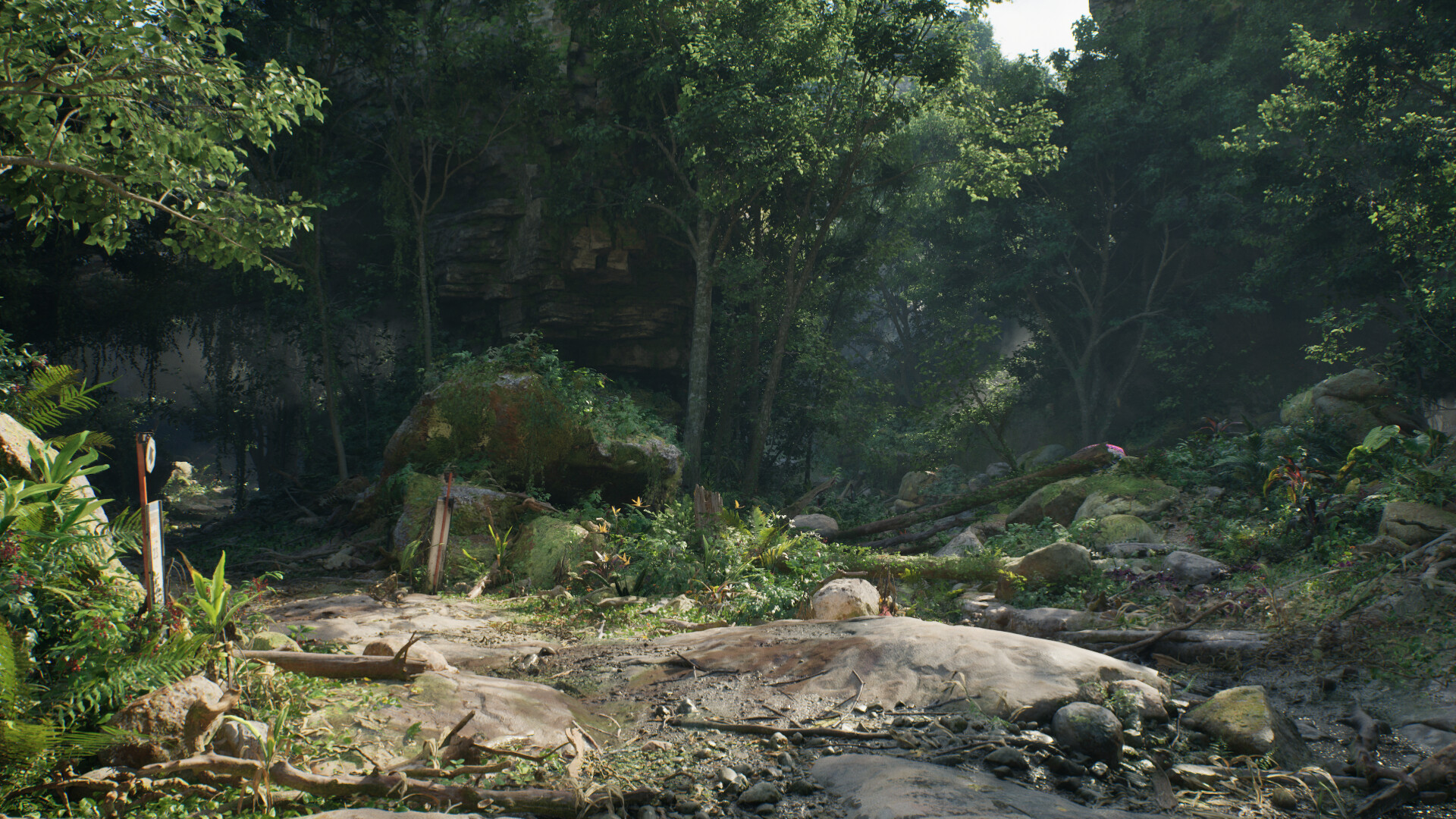
Compared with back home, where tech news often gets reduced to spec-sheet bragging, Japanese players tend to think in terms of how a system actually feels in daily use. That makes this story easier to appreciate. If a game loads faster, keeps its frame rate steadier, and avoids ugly compromises, then the upgrade is real, not theoretical. Hand on heart, that’s the kind of progress gamers notice immediately. Sounds good, right?
Why Nintendo Switch 2 Performance Matters So Much
Nintendo has always played a different game from Sony and Microsoft. The company’s hardware strategy has usually leaned towards clever design, portability, and a software line-up that turns hardware limits into identity, from Wii in 2006 to Switch in 2017. Switch 2 continues that line, but modern engines like Unreal Engine 5 raise the stakes because players now expect richer worlds, denser scenes, and more ambitious presentation even on portable hardware.
Here’s the thing: if UE5 can run twice as fast on Switch 2, that gives studios more room to breathe. It can mean higher frame rates, fewer dropped frames, better asset streaming, and less aggressive visual cutback. It can also mean developers can spend less time fighting the engine and more time building the actual game. For a studio with tight schedules, that’s gold.
What it could mean for Japanese studios
Japan has a strong history with portable gaming, and that culture still matters. Think about how many players grew up with Game Boy, Nintendo DS, 3DS, and the original Switch, often playing on trains, in cafes, or between classes. A better-performing UE5 on Switch 2 could help Japanese studios make larger RPGs, action games, and hybrid projects that still fit a portable lifestyle. It’s easy to imagine more polished releases from teams that want flashy visuals without forcing players onto a big TV setup.
My tip: keep an eye on mid-sized Japanese studios, not just the huge names. They’re often the ones who benefit most when middleware gets easier to use. If the engine runs cleaner, more teams can take a shot at ambitious ideas without building everything from scratch. That reminds me: Japanese game development has always been very good at adapting constraints into style. Wild, isn't it?
How This Fits Japanese Gaming Culture and Learning
For Japan fans, this news also has a language side. Tech stories like this are a nice way to learn practical vocabulary, because Japanese gaming media often uses words like doraibaru for driver, patsu for patch, and puraformansu for performance in katakana-heavy writing. If you follow Nintendo news in Japanese, you’ll also see phrases like 強化 (kyo-ka) for enhancement and 災害 (saigai, disaster) for compatibility problems, depending on the context. That’s useful real-world reading practice, not textbook filler.
Seriously though: this is where gaming and language learning overlap in a really natural way. If you read Nintendo, Epic Games, or Japanese tech coverage side by side, you start noticing how Japanese articles often frame improvements in terms of usage comfort and practical results. It’s not just "faster", it’s smoother, more stable, easier to enjoy. That distinction shows up all over Japanese media, from game previews to phone reviews to car coverage. Convinced yet?
And yes, there’s a cultural angle too. Japan’s gaming scene has always valued portability, neat engineering, and elegant design. When a handheld-style console suddenly gets a major performance win from a global engine like Unreal Engine 5, it feels like two worlds meeting in the middle. One is Epic’s large-scale tech ambition, the other is Nintendo’s long tradition of making compact hardware feel special. The best part: both can win at once.
From my experience, stories like this age well because they reveal the direction of the whole industry, not just one patch note. If Switch 2 can keep attracting strong engine support, then third-party games should look less like downgrades and more like real options. That could be huge for players in Japan and beyond, especially those who want one device that handles travel, home play, and modern graphics without drama. Simply brilliant.
In pictures
Frequently Asked Questions
What is the big news about Unreal Engine 5 on Switch 2?
Epic Games says its updated Unreal Engine 5 can run up to twice as fast on Nintendo Switch 2.
Why does this matter for players?
It could mean smoother frame rates, faster loading, and fewer compromises in games built with Unreal Engine 5.
Does this help Japanese game developers too?
Yes, especially studios making portable-friendly games that still want modern visuals and strong performance.