

For Japan fans and Japanese learners, this is also a neat reminder that studio names matter in game culture. If you know RGG Studio from Yakuza, you’ve already got a clue about the tone Sega may be aiming for.
![Dragon Ball Z: Kakarot [Master Edition]](https://s.pacn.ws/1/p/1eh/dragon-ball-z-kakarot-master-edition-908785.1.jpg?v=t8ja8t&width=400)


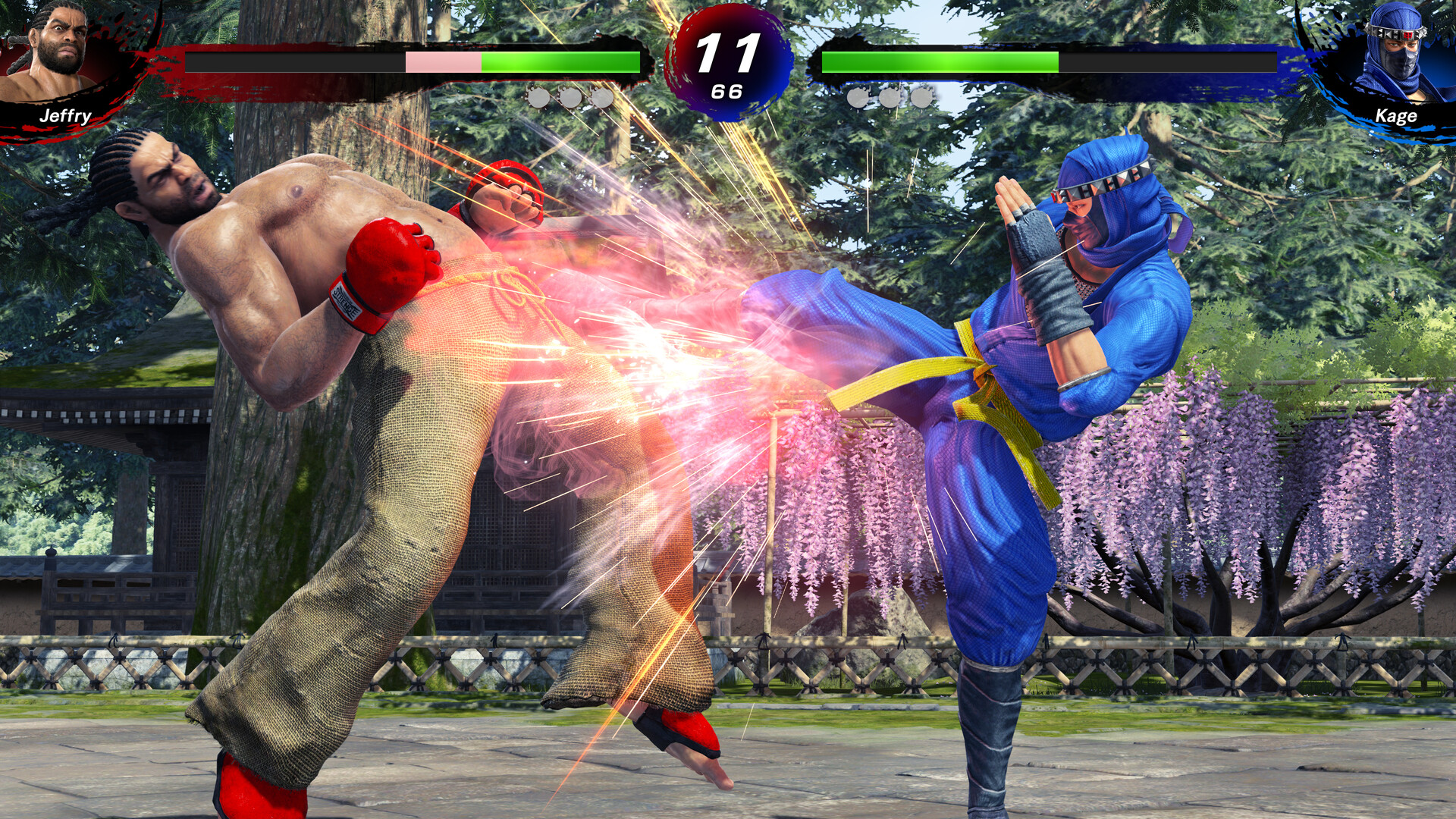
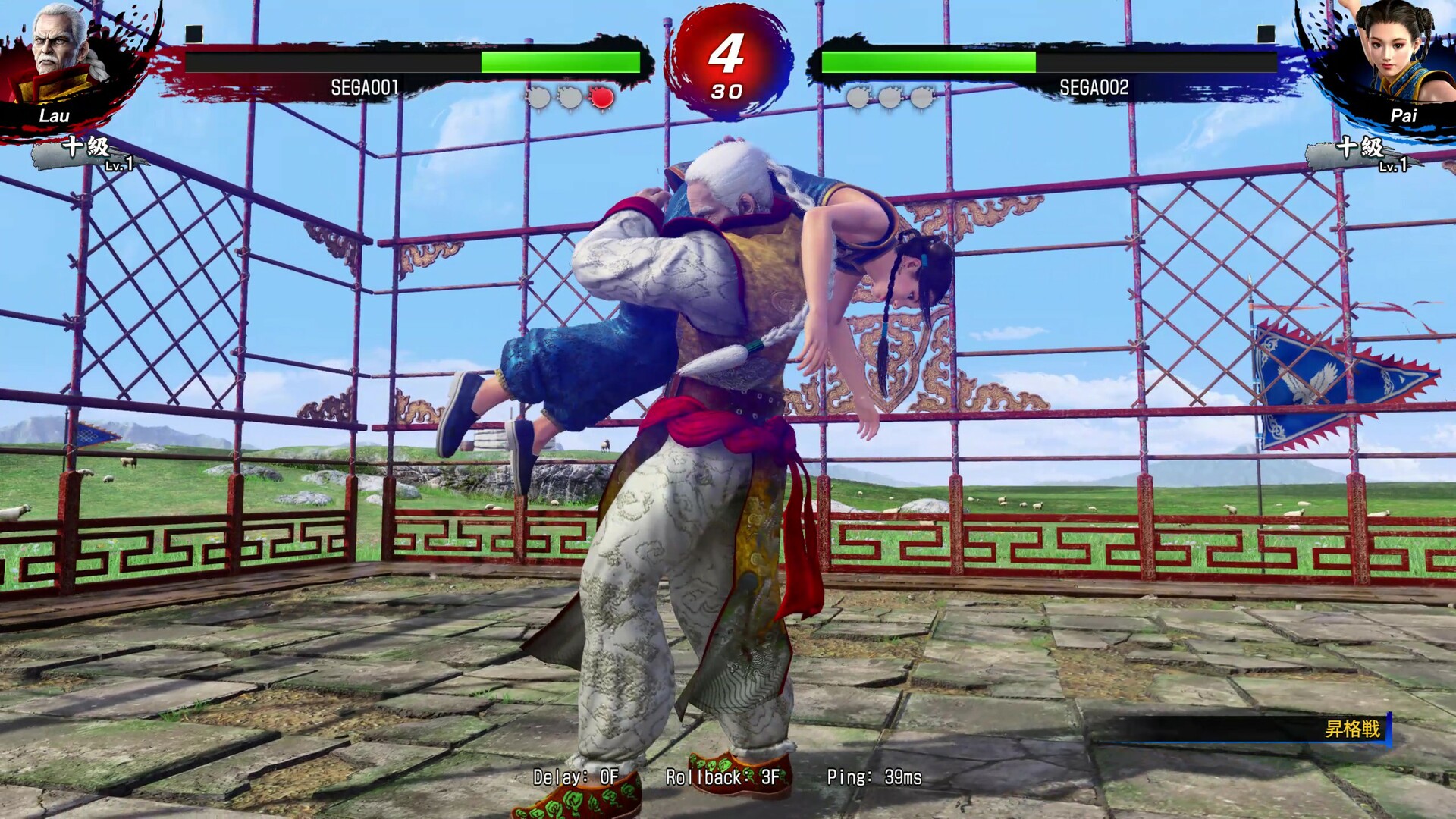
Ever wondered why some game franchises feel fresh again the moment the right studio touches them? Sega’s new plan for Virtua Fighter is a good example. The company isn’t just reviving an old fighter, it’s handing the work to RGG Studio, the team behind Like a Dragon and the modern Yakuza era, and that changes the mood right away.
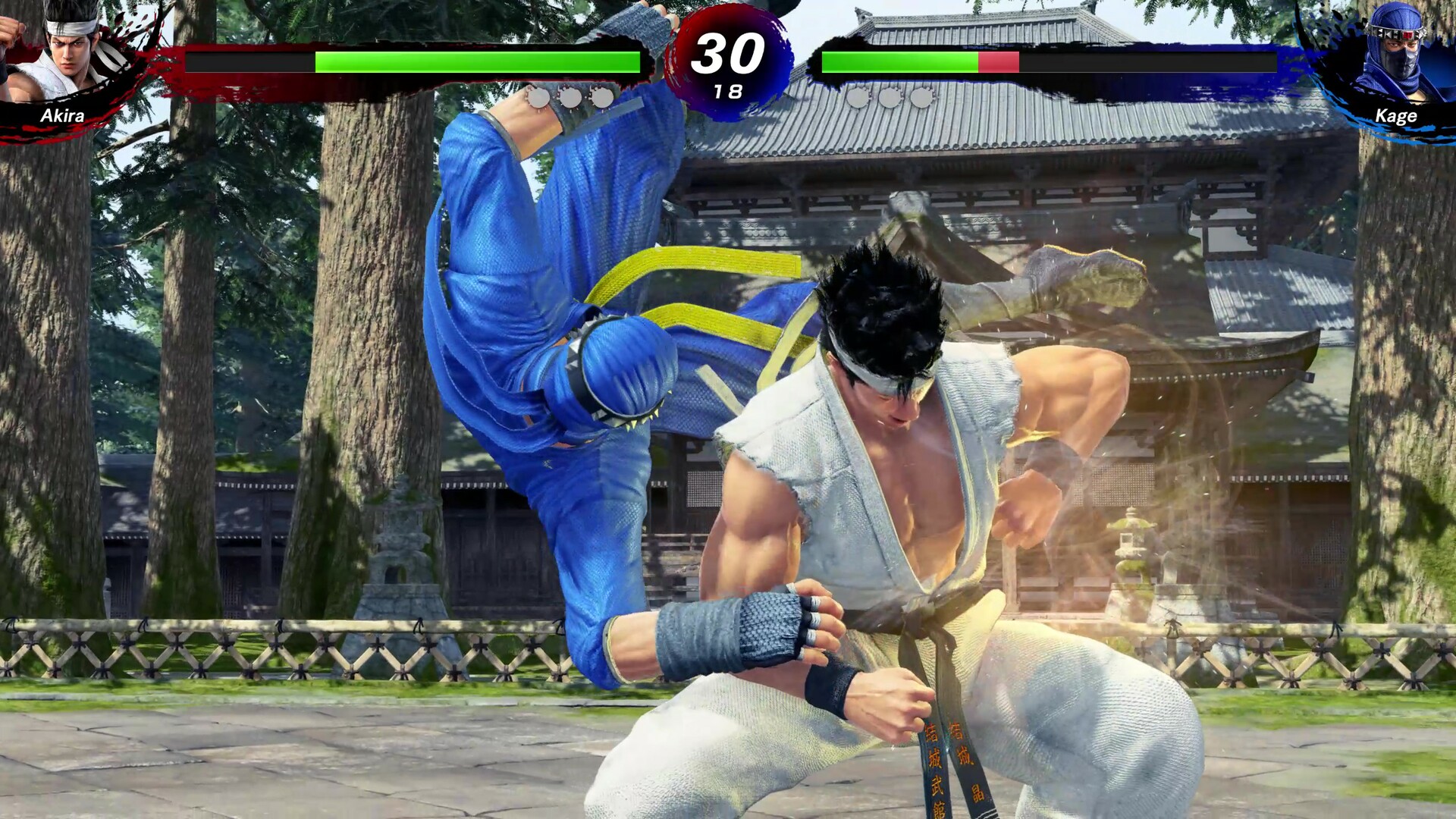
Basically, this isn’t being treated like a simple remaster or a quick sequel. Sega is framing the project as Virtua Fighter Crossroads, and the name alone suggests a turning point, a place where old-school fighting game design meets a newer idea of presentation, character work, and long-term support. For people who study Japanese, this kind of branding is worth watching too, because Japanese game titles often signal direction very clearly. Think of words like 新生 (shinsei, rebirth / renewal) for renewal or 更新 (koushin, update / updating) for updating, the idea is often built right into the name.
Let me show you why this matters. Virtua Fighter is one of Sega’s oldest fighting game pillars, first launched in arcades in 1993. It helped define 3D fighting games long before many modern players were born. The latest mainline entry, Virtua Fighter 5, arrived in 2006, which means the series has spent years living mostly through updates, re-releases, and niche community support. So when Sega says RGG Studio is involved, it feels less like fan service and more like a strategic restart. My tip: if you like Japanese games, keep an eye on the studio name, because that’s often where the real story is. Sounds good, right?
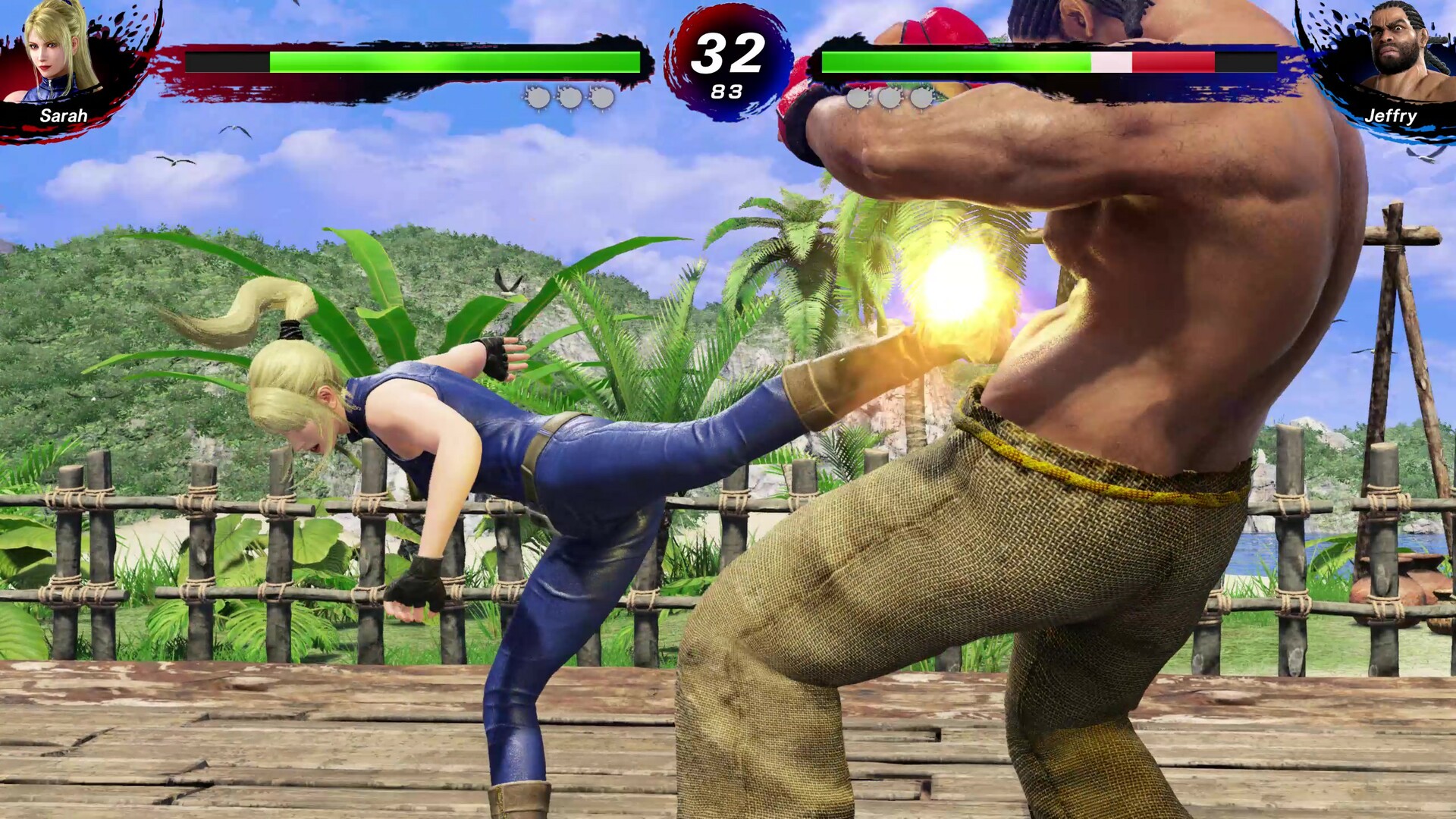
Sega's Virtua Fighter plan and why RGG Studio matters
Here’s the thing: RGG Studio isn’t a random pick. The team built its reputation on dense urban settings, strong character writing, and systems that balance arcade energy with story-driven pacing. The Ryuu ga Gotoku series, known in English as Like a Dragon, began in 2005 and has since become one of Sega’s most reliable brands. That experience matters because fighting games are no longer judged only by combo depth, they also need identity, style, and a reason to keep players talking after launch.
Take Engadget for instance. The outlet’s coverage points to a project that feels broader than a standard versus fighter, and that wider ambition is exactly what makes the RGG Studio pairing interesting. Sega seems to want more than polished mechanics, it wants a world and cast that can carry the brand for years. The reason is simple: in 2025, a fighting game needs spectators, creators, and community clips, not just hardcore lab monsters in training mode.
Let’s be honest: Sega has tried plenty of revivals before, and not all of them left a strong mark. But RGG Studio has a rare track record of making Japanese settings feel lived-in, from back alleys and bars to neon streets and small human dramas. That skill could help Virtua Fighter in a way pure mechanics alone can’t. A rebooted fighter with sharp presentation, clearer character identities, and a modern online structure could pull in newcomers who might otherwise bounce off a technical series. Wait, there’s more.
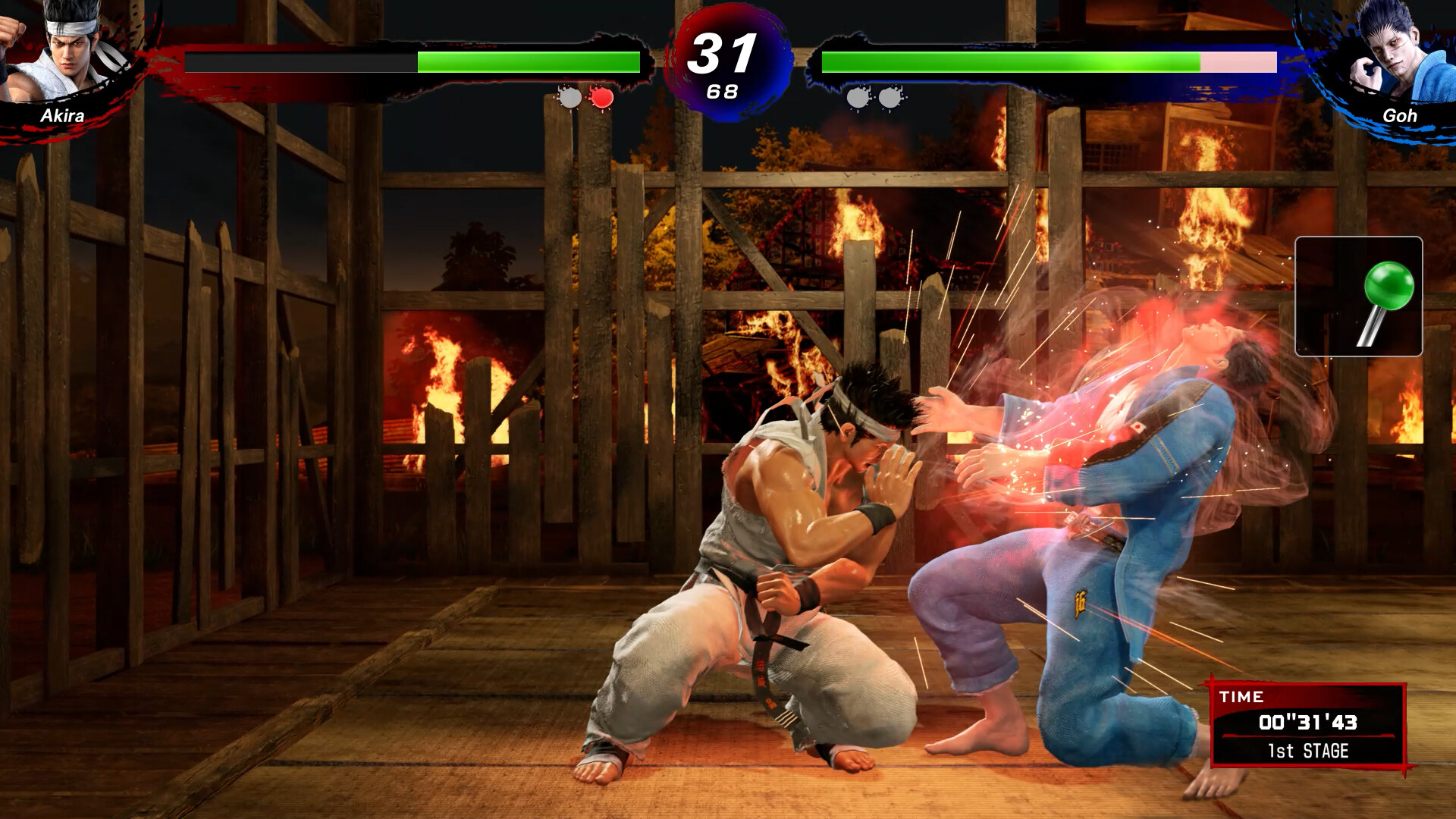
The studio culture angle
What I especially like is the cultural fit. RGG Studio has spent years creating games that feel unmistakably Japanese without turning them into museum pieces. That matters for Japanese learners too, because games like these expose you to real-world vocabulary, casual speech, and urban settings you can actually map onto daily life. If you know words like 町 (machi, town) for town, 先輩 (senpai, senior / upperclassman) for senior, or 頑張る (gambaru, to do one's best / keep going) for keep going, you already have a head start when reading Japanese game dialogue or menus.
Speaking of which... the studio’s name itself, Ryuu ga Gotoku, has become a kind of brand signal. Fans hear it and expect drama, confidence, and a very specific Sega flavour. That kind of trust is valuable when a company is trying to reintroduce a classic fighting series to players who may know it only by reputation. Pretty solid, really.
Virtua Fighter Crossroads and the future of Sega fighting games
Know that feeling when an old series comes back and you can already tell the publisher wants to do it properly? Virtua Fighter Crossroads gives off that energy. The title suggests connection, not isolation, which could mean a bridge between the arcade roots of the series and a more modern, accessible package. Sega has not been shy about revisiting legacy brands lately, but this one feels especially carefully framed.
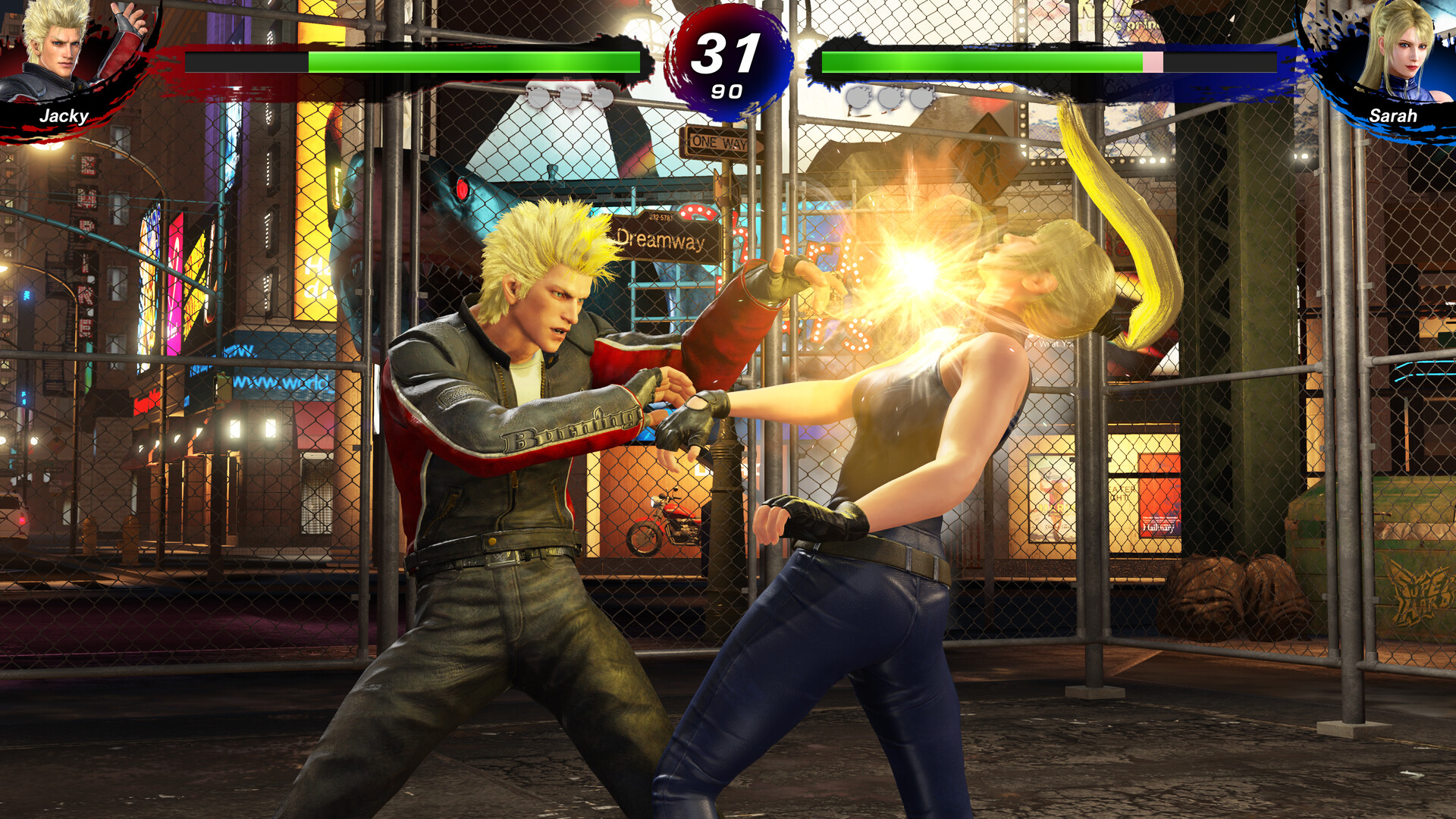
A great example: the original Virtua Fighter ran on Sega Model 1 hardware, and the game was notable for 3D polygons at a time when most fighting games still leaned heavily on 2D sprites. That technical boldness became part of the series identity. If Sega and RGG Studio carry that same spirit into Crossroads, the result could stand out in a crowded genre where many games fight for attention with big crossover rosters or flashy anime aesthetics. Virtua Fighter has always been about clean motion, timing, and spacing, and that DNA shouldn’t be lost.
The opportunity here isn’t just nostalgia, it’s clarity. Sega can say, with a straight face, that this project has a defined creative home. RGG Studio knows how to build worlds people remember, and Virtua Fighter needs that kind of cultural push if it wants to thrive again. A smart reinvention could also help Sega position the game beyond Japan, while still keeping the Japanese identity intact. That balance is hard, but when it works, it feels effortless. My verdict: this is a pretty hidden gem of a move. Sounds weird, but it’s true.
For Japan fans, the best part may be seeing how a famous Sega series gets reintroduced through a studio with such a strong personality. For learners, it’s another reminder that Japanese game news is full of useful language clues, from company names to genre terms and character speech. Keep watching how Sega talks about Crossroads, because the wording will probably tell us a lot about its ambitions. more Japan news on jpnerd.com
In pictures
Frequently Asked Questions
What is Virtua Fighter Crossroads?
It is Sega's new direction for the Virtua Fighter series, presented as a more ambitious revival rather than a simple update.
Why is RGG Studio important here?
RGG Studio brings strong experience with Japanese urban settings, character-driven design, and long-running Sega franchises.
Why should Japanese learners care about this news?
Game news like this exposes learners to studio names, genre language, and cultural references that often appear in Japanese media.

