

For Japan fans and Japanese learners, this isn't just a remake story, it's a little time capsule. And if you've ever wanted your sci-fi and your retro computing to collide, well, this one hits both buttons.
![Dragon Ball Z: Kakarot [Master Edition]](https://s.pacn.ws/1/p/1eh/dragon-ball-z-kakarot-master-edition-908785.1.jpg?v=t8ja8t&width=400)


Guess what? Steins;Gate Re:Boot isn't just another polished rerelease with a new logo slapped on top. The bonus Retro PC version is the kind of detail that tells you the people behind it understand the fanbase, especially the players who care about how a story sounds, looks, and even feels on old hardware. That matters a lot for Steins;Gate, because this series has always been about obsessive detail, message boards, lab coats, and the weird joy of getting lost in technical jargon.
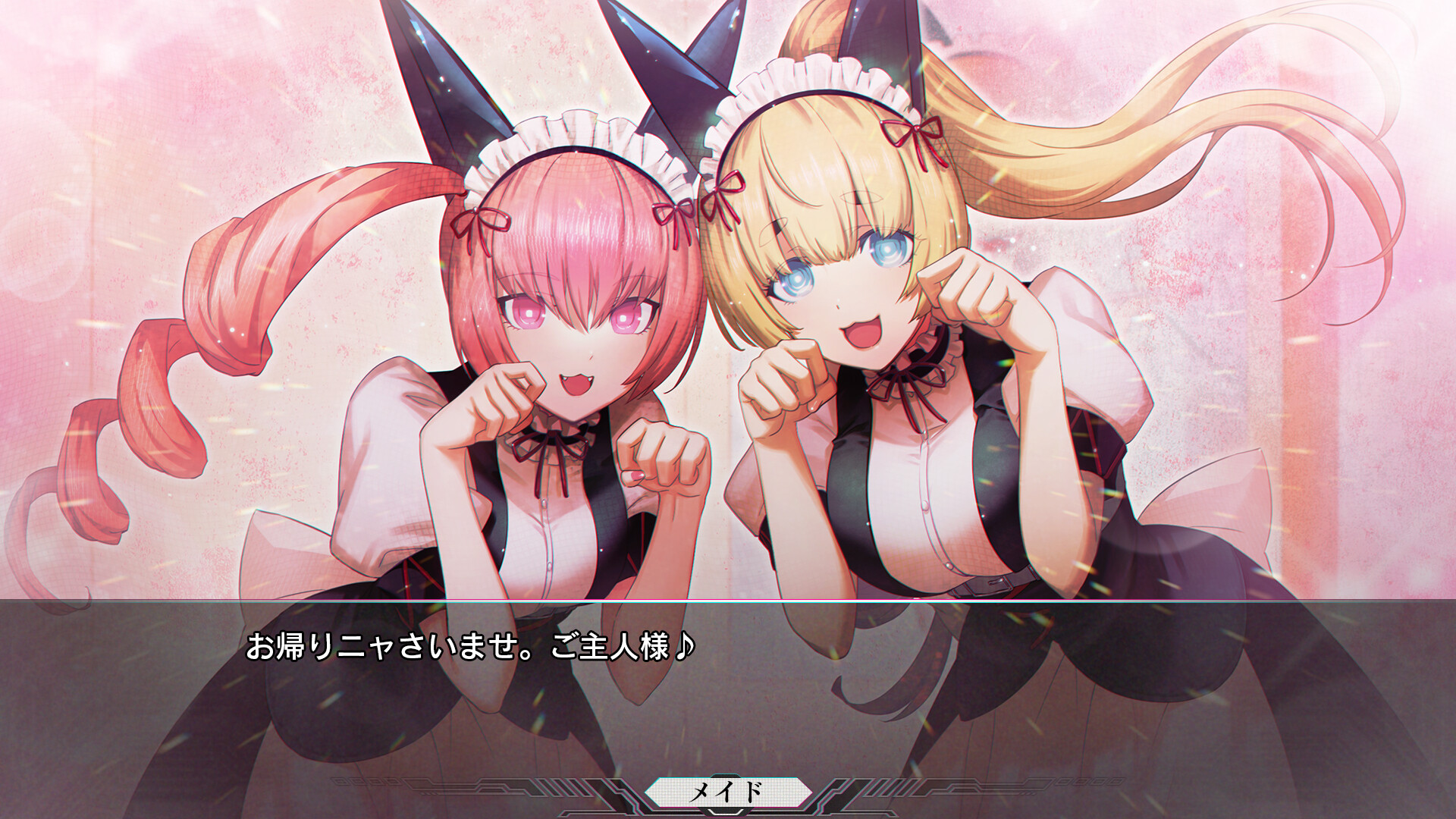
While we're at it, for Japanese learners, Steins;Gate has always been a useful rabbit hole. You get everyday speech, オタク (otaku, geek / nerd) slang, internet culture, and loads of words tied to electronics and research. Phrases like 先輩 (senpai, senior / upperclassman), okabe, 時間 (jikan, time), 科学 (kagaku, science), and 高速 (kousoku, high-speed) all show up in the broader conversation around the series, and that makes the franchise a nice bridge between pop culture and language learning. Wild, isn't it?
The original Steins;Gate game launched in 2009, developed by 5pb. and Nitroplus, and it later became one of the biggest names in the visual novel space. The anime adaptation followed in 2011, and that helped push the series far beyond its original niche. Since then, fans have been returning to it on different platforms, from consoles to PC, and each version has carried a slightly different mood. This new Re:Boot announcement feels like a conscious attempt to honour that history rather than bury it under modern gloss.

Steins;Gate Re:Boot and the logic of a retro bonus
Let me show you why the Retro PC version is such a smart bonus. A lot of remasters try to look cleaner, but visual novel fans often care just as much about atmosphere as they do about resolution. A retro PC edition can preserve that old computer aesthetic, the kind of thing that reminds you of the late 1990s and early 2000s, when Japanese adventure games often had a more limited, but also more characterful, presentation. Take Windows-era PC gaming in Japan, for instance. The interface, font choices, and audio style can completely change how a story lands.
Steins;Gate itself lives on the edge between geek nostalgia and speculative science fiction, so a Retro PC version feels almost on-brand. The series loves CRT-era computer vibes, cramped apartments, lab clutter, and terminal windows. A version that leans into that look and sound gives fans a different way to experience the same story, and that can be a real treat for people who enjoy comparison screenshots, old menus, and hardware-era quirks. My tip: if you care about visual novel preservation, this is the kind of release to watch closely. See what I mean?
Why retro PC presentation still matters
Basically, old-school presentation isn't just decoration. It can shape pacing, readability, and emotional tone. A simpler interface can make dialogue feel more immediate, while dated sound design can trigger a strong sense of time and place. For a series like Steins;Gate, which already plays with timelines and alternate histories, that retro framing adds another layer of irony. You're reading about future tech through a past tech lens. Sounds weird, but it's true.
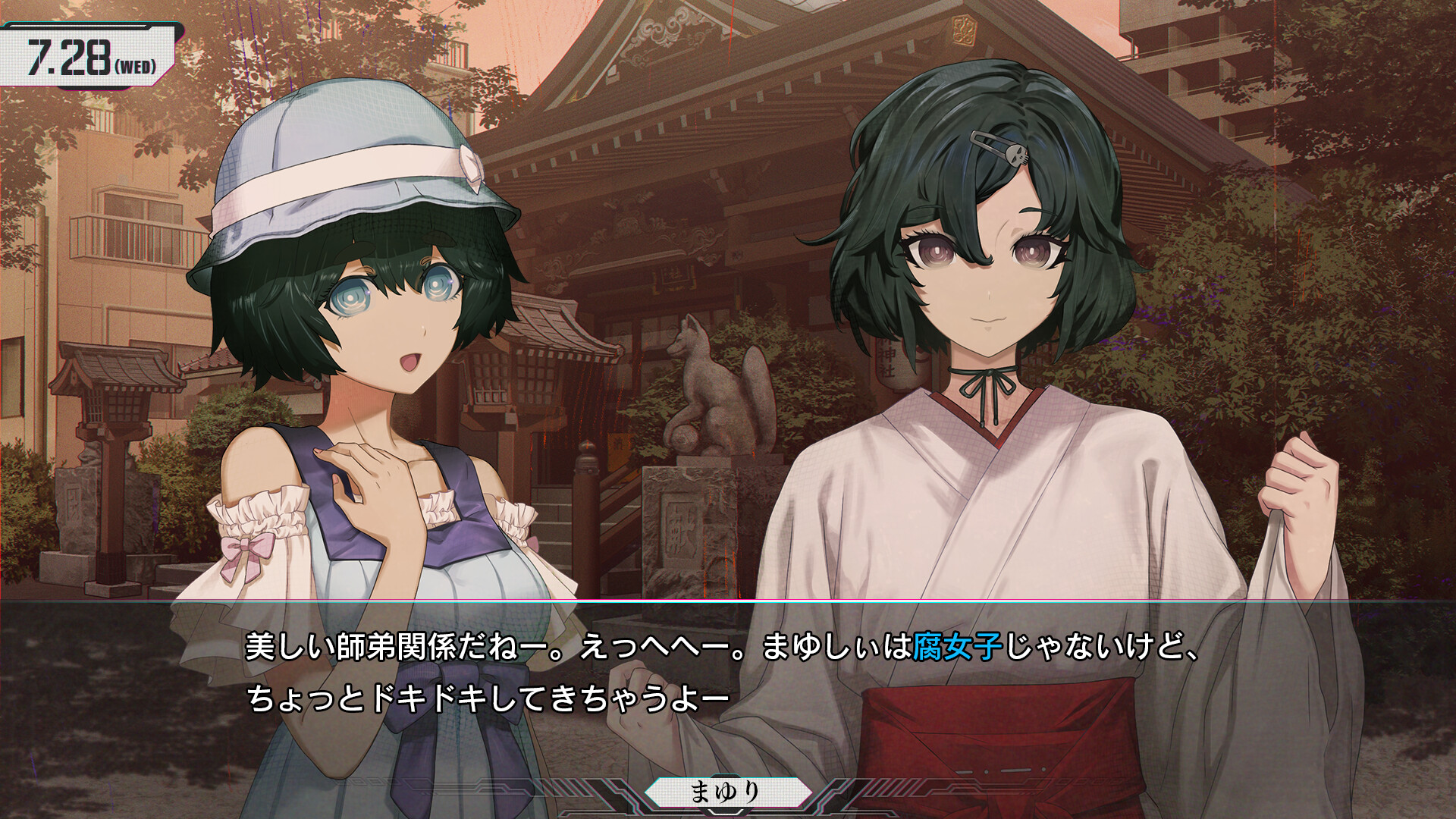
Before I forget, these kinds of bonus editions are also a great talking point for Japanese learners who like to read about games in the original language. Words like かな (kana, kana script), 漢字 (kanji, Chinese characters), denshi, and denwa are easy to spot in tech-heavy settings, and they help you build vocabulary in context. If you can read even a little Japanese, the atmosphere of a retro PC release gives you something tactile to latch onto, not just text on a screen.
Kanji text support and FM-PSG sound sources
Compared with back home, Japanese games sometimes treat typography and audio as part of the identity, not just the packaging. That is why kanji text support in the Retro PC version is a big deal. It suggests the bonus edition won't just be a stripped-down nostalgia item, but something made to feel authentic to Japanese players who still care about traditional text handling. Kanji support also matters for readability, especially in a story heavy with scientific terms, abbreviations, and fast back-and-forth dialogue. For learners, it means a better chance to match spoken lines with written forms.
Then there's the FM-PSG sound source angle, which is the real treat for sound nerds. FM synthesis and PSG chips defined a huge chunk of retro Japanese game audio, from the sharp tones of old console music to the bleepy charm of early PC soundtracks. If you know even a little about game history, you know this isn't just a technical footnote. It is a whole aesthetic. The bonus version using FM-PSG sources points to a deliberate effort to recreate that older sonic colour, rather than merely remix it. Insider tip: if you like comparing versions, listen for how the same scene feels with different timbres. It can change the emotional temperature fast. My verdict: that's exactly the sort of bonus that fans remember.
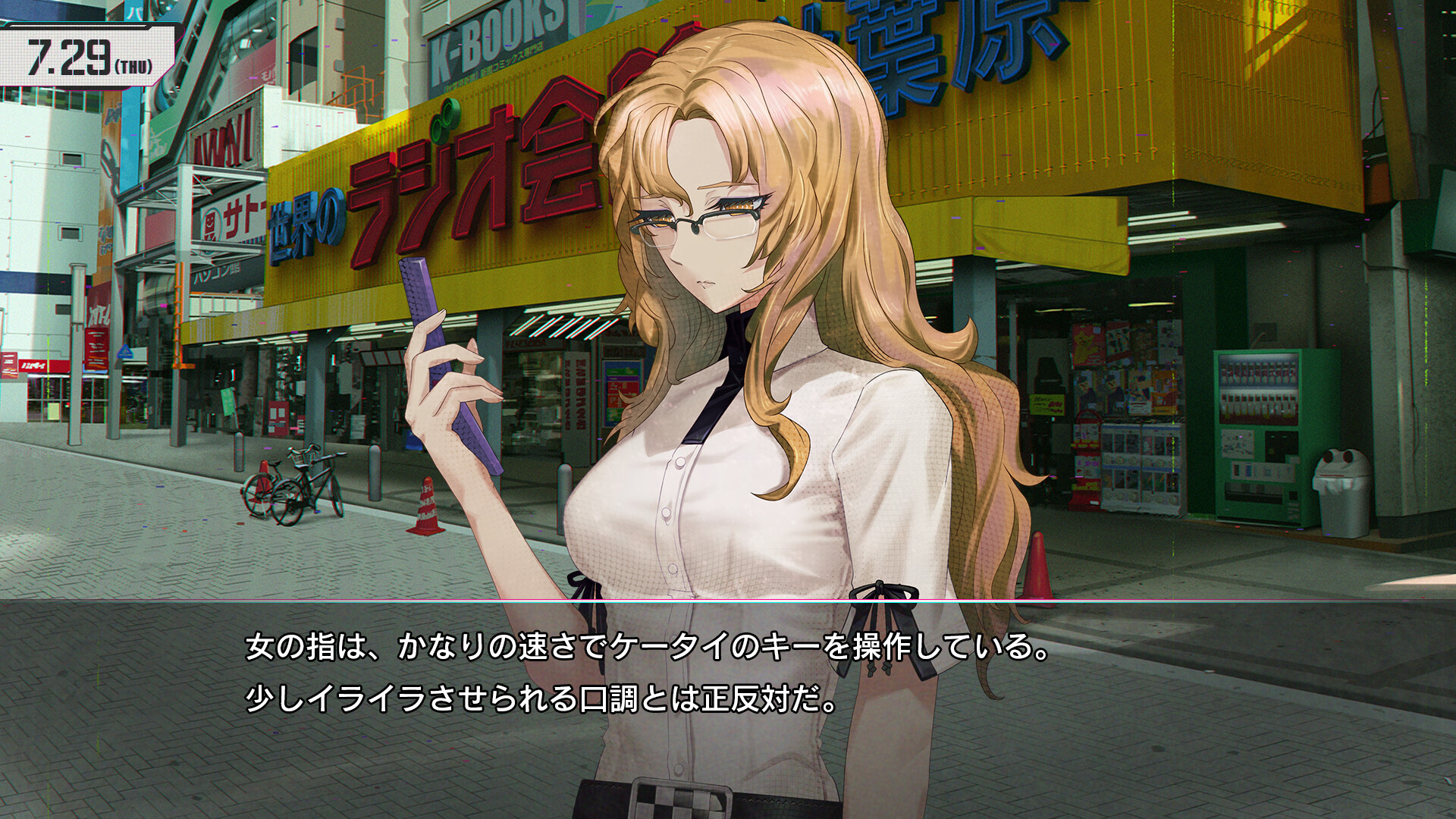
A small gift for fans, a big signal for preservation
The reason is simple: bonus content like this tells you the publisher expects a specific audience, not a generic one. Steins;Gate Re:Boot is being positioned for people who value history, format, and presentation, not just convenience. That is a very Japanese kind of decision, honestly, where attention to mode, medium, and packaging can matter almost as much as the content itself. If you've ever bought a limited edition bento just because the box looked amazing, you'll understand the energy here. Sounds good, right?
What I especially like is that this announcement doesn't treat retro culture as a joke. It treats it as something worth preserving, studying, and enjoying on its own terms. For fans of Japanese language and pop culture, that's a win. You get a classic story, a nostalgic PC-style presentation, kanji-friendly text, and audio that leans into the era that inspired the whole mood. That is a pretty strong bundle, and it should keep both long-time Steins;Gate fans and curious learners talking for a while.
In pictures
Frequently Asked Questions
What is Steins;Gate Re:Boot?
It is a new version of the Steins;Gate visual novel with extra attention to presentation and fan-focused bonuses.
What makes the Retro PC version special?
It aims to recreate an older computer-game feel, with visual and audio choices that appeal to retro fans.
Why do kanji text support and FM-PSG sound matter?
They make the bonus version feel more authentic, both for Japanese readers and for fans who enjoy classic game audio.


