For Japan fans, this is the kind of release that blends fandom, seasonal timing, and a very specific slice of Japanese pop culture. That mix is exactly why it stands out.



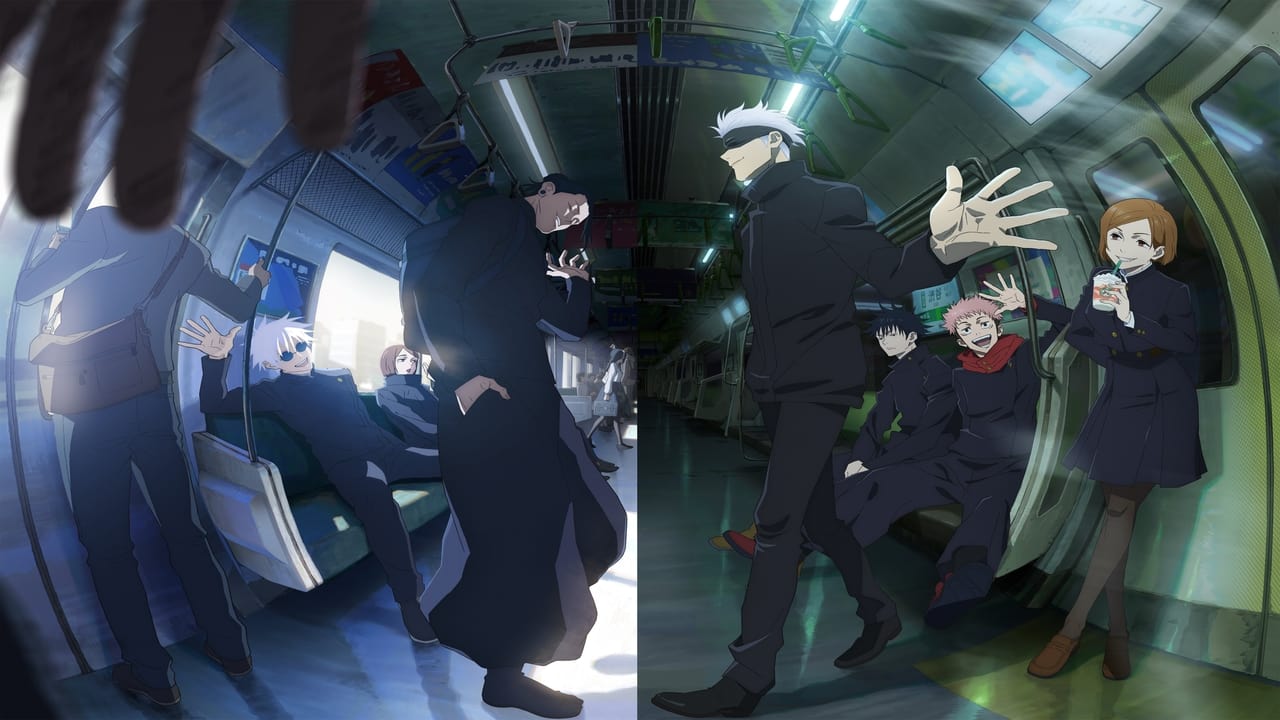
I still remember exactly how school festivals felt in Japan-themed anime, the busy halls, handmade signs, food stalls, and that slightly chaotic energy that makes every scene feel alive. Jujutsu Kaisen is using that same mood for a fresh batch of goods, and the timing’s smart. These aren’t just random character items; they’re built around the 文化祭 (bunkasai, cultural festival), the cultural festival that many Japanese schools hold in autumn, and that gives the whole release a very real-life flavour.
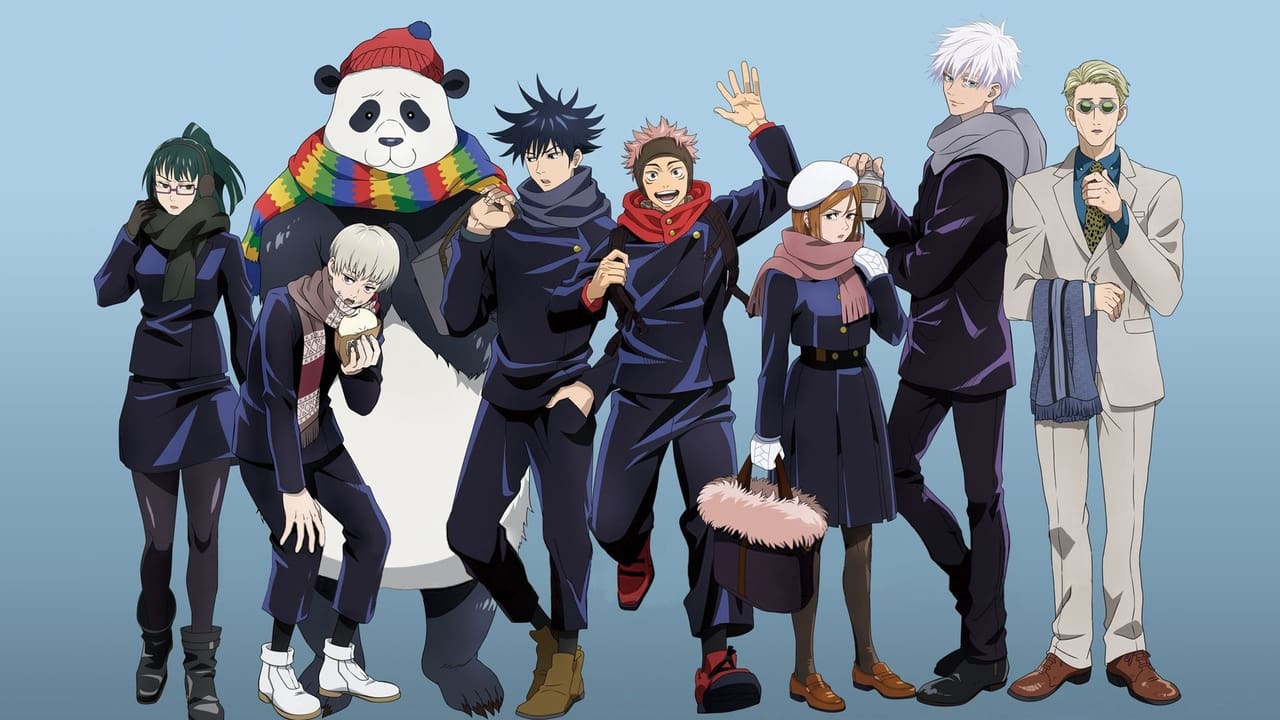
For Japanese learners, this is also a nice vocabulary moment. bunkasai means cultural festival, 学園 (gakuen, academy; school life) points to school life, and 器 (utsuwa, vessel; container) or シーン (shiin, scene) are the kinds of words you’ll often hear around event merchandise and presentation materials. The reason’s simple: anime merchandise often borrows from everyday Japanese school culture, then turns it into something fans can actually buy, collect, and display. And because this line is sold through Animate, one of Japan’s biggest anime and manga retail chains, it already has that proper event-item feel. Sounds good, right?
Jujutsu Kaisen bunkasai goods bring school-festival energy
Here’s the thing: the concept matters just as much as the characters. A cultural festival theme is a strong fit for Jujutsu Kaisen because the series already spends a lot of time in school settings, especially around Tokyo Jujutsu High and the student cast. That means the goods don’t feel forced; they feel like a natural extension of the world.
What most people don’t know is that school festivals in Japan are a huge deal, and they’re not just “cute events” for anime background art. Real bunkasai often include class-run cafés, handmade stage shows, posters, and themed merchandise. So when an anime adopts that motif, it taps into a memory many Japanese viewers instantly recognise, and overseas fans get a little window into a very specific cultural rhythm.

Why the motif works so well
The artwork and product design lean into that festival atmosphere, which makes the release feel seasonal rather than generic. That matters because seasonal goods tend to sell better in Japan, especially when they connect to a real event type. A good example: summer releases often carry 祭り (matsuri, festival) energy, while autumn items can shift towards school events, warm colours, and group scenes. This Jujutsu Kaisen line clearly belongs in the latter camp.
My tip: if you collect anime merchandise, look for theme-based items like this instead of only chasing character popularity. Themed goods often age better in a collection, because they tell a story about the season and the release moment. They’re well worth a look if you like merch that feels tied to Japanese culture, not just a logo slapped on a badge. My verdict: this one has that extra layer.
Animate sale starts on 15 August
Know that feeling when a merch drop appears just before the season you associate with it? That’s what makes this announcement work. According to the original PR release from PRTimes, the Jujutsu Kaisen cultural festival goods will go on sale at Animate starting 15 August.
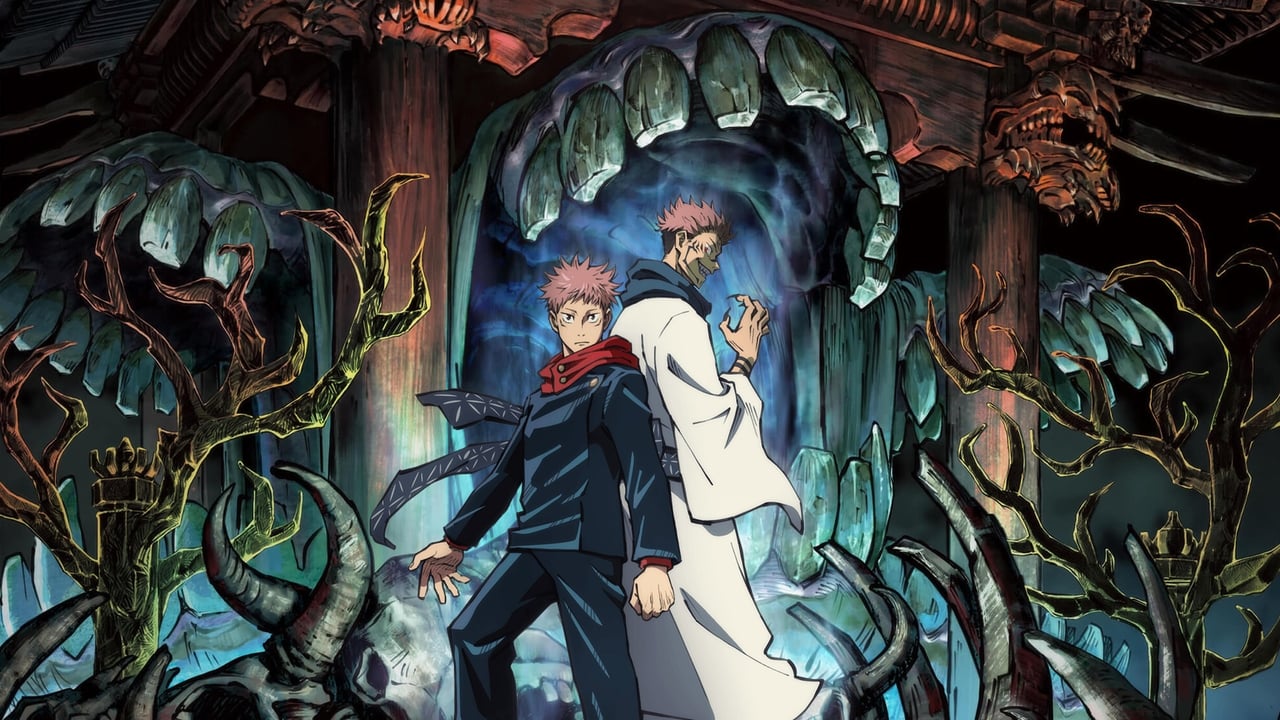
Animate is a major name in Japan’s anime retail world, with stores across the country and a strong online presence. If you’ve ever browsed anime goods in Japan, you’ve probably seen how Animate handles limited runs, special displays, and character-focused campaigns. Speaking of which, that retail setup often makes a simple product drop feel like a small event, especially when a hit franchise like Jujutsu Kaisen is involved.
Why Animate matters here
On the flip side, not every merch release gets this kind of visibility. A store like Animate gives the goods a bigger stage, and that can influence how fast items move, especially for popular series. Jujutsu Kaisen still has enormous name recognition, thanks to the manga by Gege Akutami and the hit anime adaptation from Mappa, first broadcast in 2020. That legacy keeps the franchise in the spotlight even when the news is just about merchandise.
Insider tip: if you’re in Japan around launch time, check both the physical Animate locations and the online shop. Merchandise tied to a themed campaign can sell out in one place faster than the other, and some fans prefer in-store pickup for limited products. The event factor is part of the fun, and it’s one reason anime retail in Japan feels so different from ordinary shopping. Sounds good, right?
What Japan fans and language learners should watch for
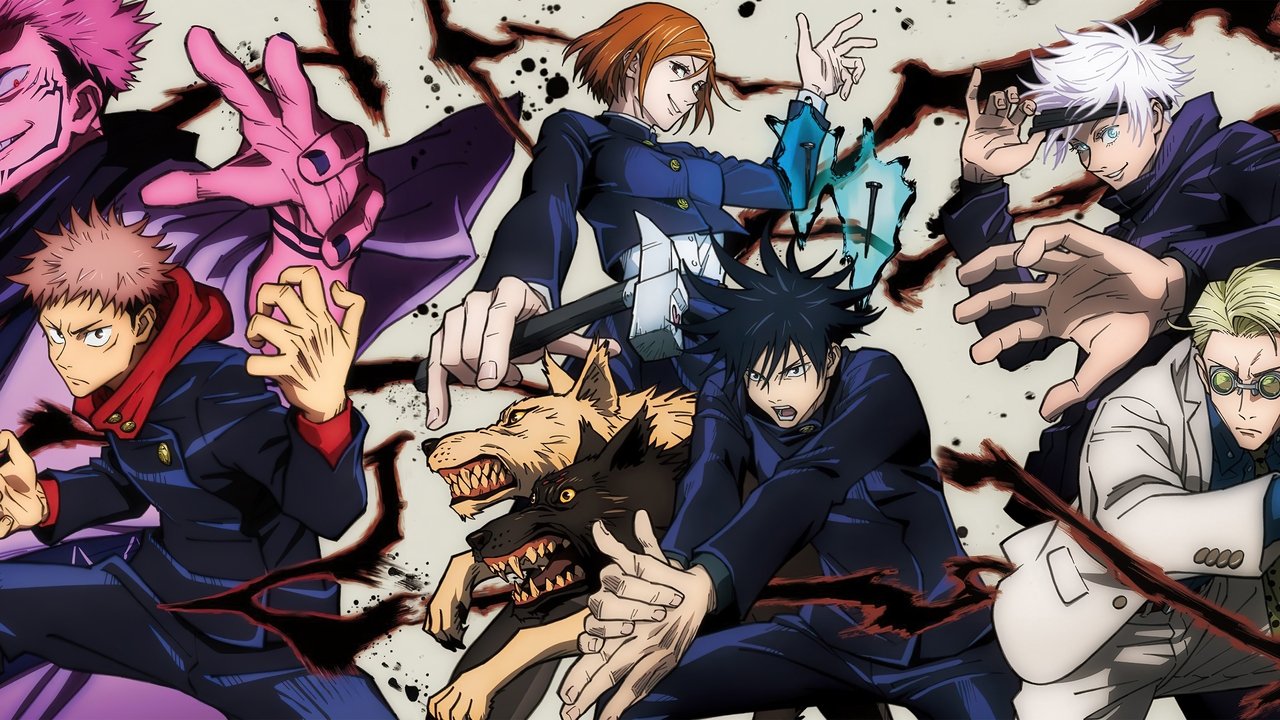
Picture this: you’re looking at a Jujutsu Kaisen item and you can read the campaign text, recognise the theme, and understand why the design choices were made. That tiny bit of comprehension makes merch collecting more satisfying. For learners, this release is a good excuse to notice festival-related vocabulary such as bunkasai, matsuri, 店 (mise, shop; store), and 衣装 (ishou, costume; outfit), especially when Japanese stores describe the atmosphere of a product line.
It also helps you spot how Japan uses context in branding. A school festival theme doesn’t need heavy explanation for Japanese customers, because the cultural reference is already built in. That brings us to something useful for learners: reading merch announcements is a low-stress way to train your eye for practical Japanese. Short product notes, dates, store names, and campaign wording often use clear language, so even intermediate learners can get a lot out of them.
What I especially like is how these kinds of releases show anime, retail, and real Japanese culture overlapping. The goods aren’t just about buying something with Yuji or Gojo on it. They’re about capturing a season, a school-event mood, and a very Japan-specific sense of timing. For fans planning a trip, that’s half the fun. You might go in for one acrylic stand, then end up learning three new words and a bit more about Japanese school life. My tip: keep an eye on event merch like this, because it teaches you how anime marketing actually works in Japan.
If you want more stories like this, check out more Japan news on jpnerd.com.
In pictures

Frequently Asked Questions
When do the Jujutsu Kaisen cultural festival goods go on sale?
They go on sale on 15 August.
Where will the goods be available?
The release is set for Animate.
Why is the cultural festival theme interesting?
It connects the series to a real Japanese school tradition, which makes the merchandise feel especially authentic.