
No wonder, because Sega knows exactly where this name sits in pop culture, especially for Japan fans who remember the arcade era as one of the country’s great entertainment exports. And now the idea of a Crazy Taxi revival feels like more than a reboot, it feels like a signal.
![Dragon Ball Z: Kakarot [Master Edition]](https://s.pacn.ws/1/p/1eh/dragon-ball-z-kakarot-master-edition-908785.1.jpg?v=t8ja8t&width=400)


Sega and the return of a pure arcade rush
Crazy Taxi first appeared in arcades in 1999, then landed on the Dreamcast in 2000, and it became one of Sega’s most recognisable late-90s hits. You didn’t just drive, you hurled people across a neon city, ignored traffic rules, and tried to squeeze every second out of the clock. That energy made it stand out, and it still does.
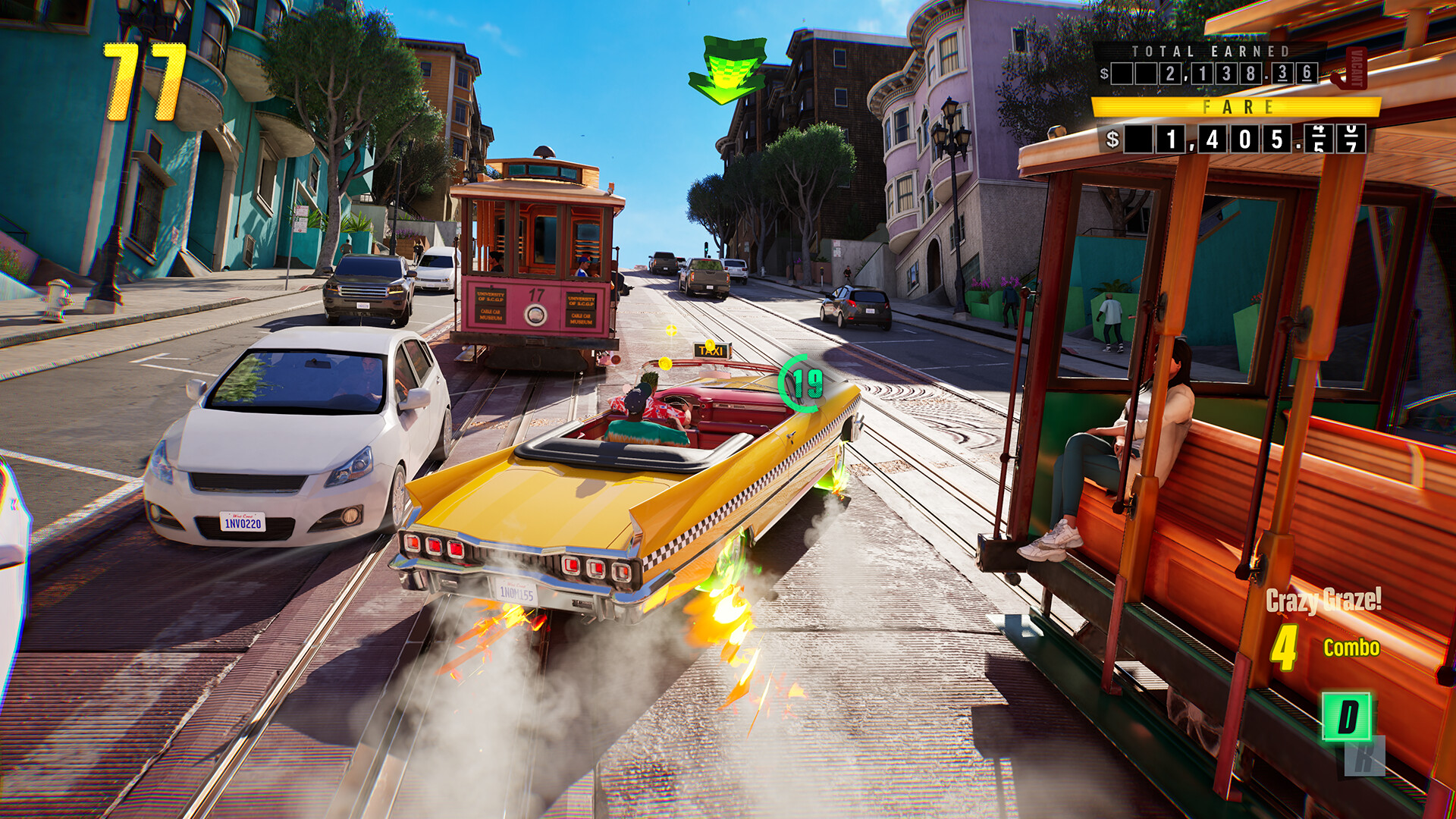
Let's be honest: part of the charm is how unapologetically loud it is. The music, the horn blasts, the exaggerated speed, it all feels like an arcade machine shouting at you to keep going. Sega built a reputation on that kind of design, from Daytona USA to Jet Set Radio, and Crazy Taxi sits right in the middle of that legacy. But let's stick with Crazy Taxi for now. It’s the one that many players remember with the biggest grin.
What I especially like is that the game doesn’t try to be realistic. It’s a pop-culture version of city driving, and that makes it very easy to connect with Japanese game history. The premise is simple enough to explain in a language lesson too: タクシー (takushi, taxi), バス (basu, bus), 信号 (shingou, traffic light; signal), 交差点 (kousaten, intersection). If you’re learning Japanese, arcade games like this are great for vocabulary because the setting is visual and the context is obvious. From my experience...
Why an arcade-classic revival matters now
Picture this: a new generation sees Crazy Taxi for the first time, not as a relic, but as something fresh and ridiculous. That’s the power of an arcade-classic revival. In an era full of huge open worlds and 100-hour backlogs, a game that says “go fast, pick up passengers, and don't waste time” feels almost rebellious.
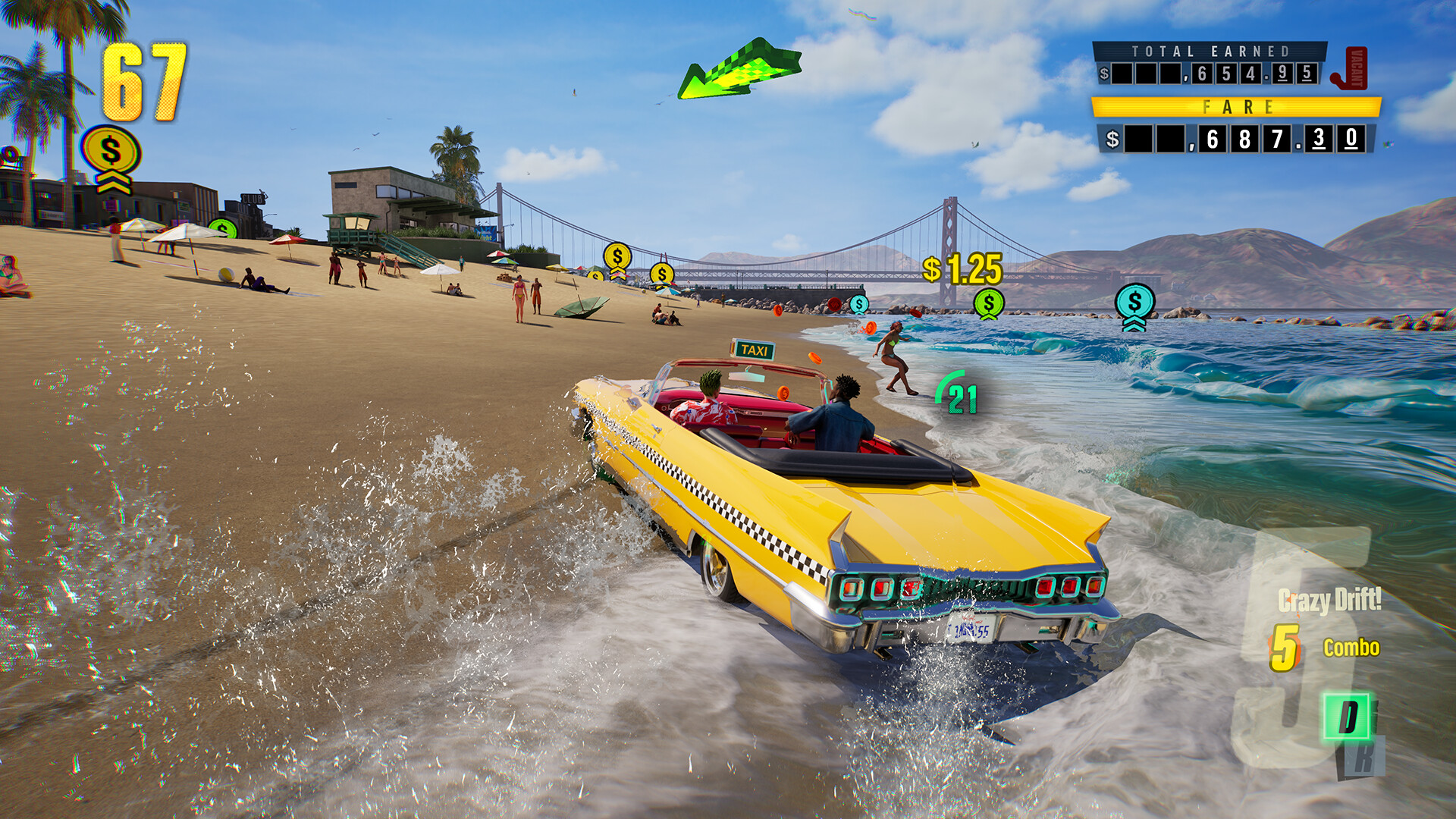
Hand on heart: that’s exactly why old Sega names keep coming back into the conversation. People don’t only want polish, they want personality. Crazy Taxi had plenty of that, and the original game’s structure was built for quick sessions, replayability, and score chasing. You can still feel how well that fits modern short-form play habits, especially on handheld systems, cloud gaming, or mobile-inspired platforms. For example: if a revival keeps the original city-chasing rhythm, but updates the controls and presentation, it could land with both veterans and newcomers.
Insider tip: if you’re learning Japanese, pay attention to how arcade games turn simple verbs into memorable action words. 走る (Hashiru, to run) for running or driving fast, tasu for taxi-related reading in loanword-heavy contexts, and 客 (kyaku, passenger; customer) for passenger can all become sticky when tied to gameplay. That kind of learning works because your brain links the word to motion. Simply brilliant. This is my absolute hidden gem!
Sega's brand of nostalgia is bigger than one taxi
When Sega revives an arcade classic, it’s not just selling a title, it’s reopening a piece of Japan’s entertainment memory. Arcades once shaped city life in places like Akihabara, Shibuya, and Osaka’s Den Den Town, where bright cabinets and noisy crowds created a culture that felt social as much as competitive. Crazy Taxi belonged to that world, even if most players met it through home consoles later on.
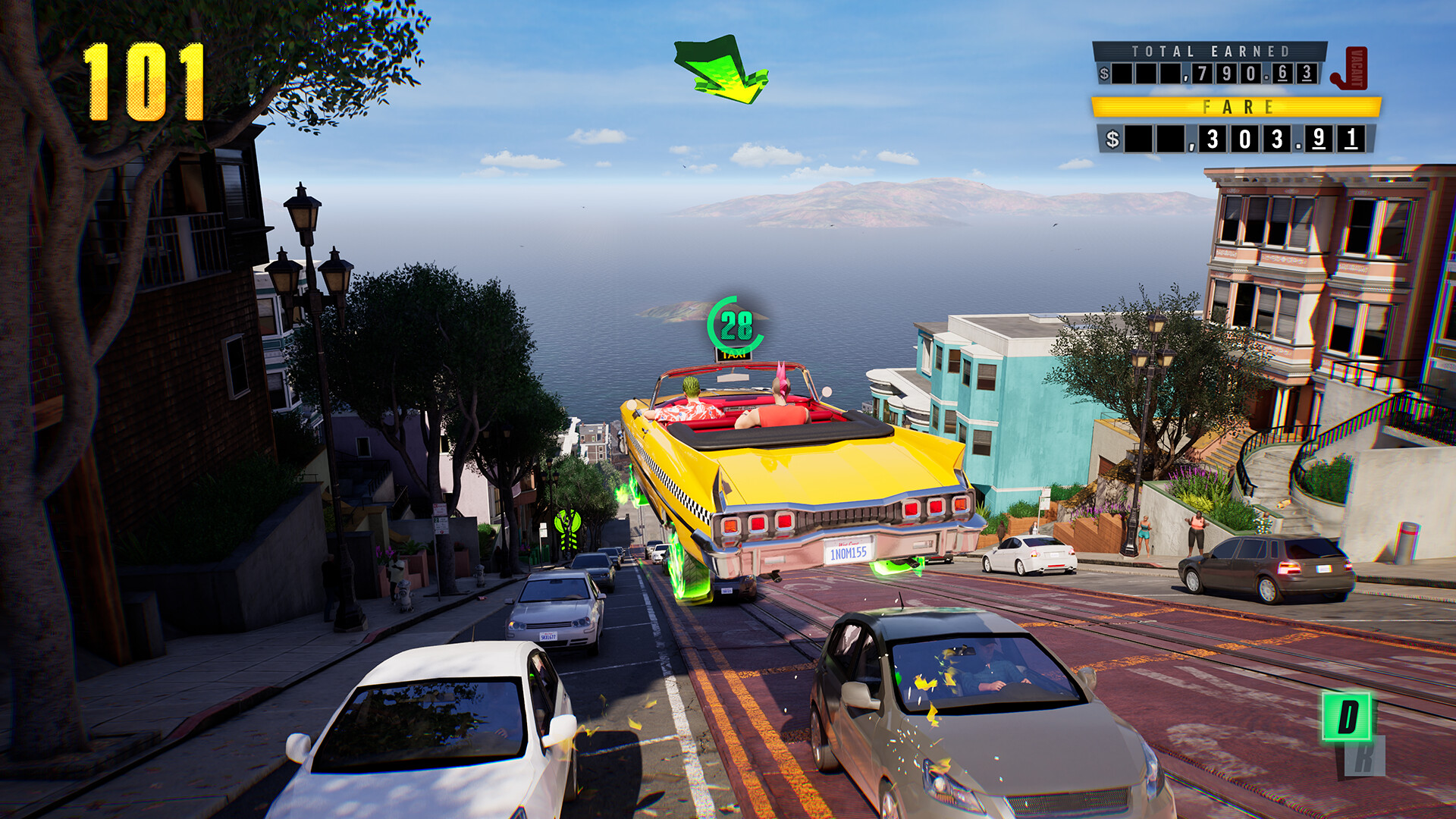
Know that feeling when a game instantly reminds you of a specific era? That’s what Sega is tapping into. No wonder, because the company’s catalogue is full of names that carry strong emotional weight: Sonic the Hedgehog, Sakura Wars, Virtua Fighter, House of the Dead. A Crazy Taxi comeback would sit neatly beside those if Sega wants to build a wider revival strategy around its older arcade identities. Convinced yet?
What a modern Crazy Taxi could look like
If Sega moves ahead, the big question is not whether Crazy Taxi should return, but how. A faithful remake could keep the original gameplay loop, while a full new entry might add online leaderboards, new cities, and more passenger routes. The original game already had a strong score attack identity, so online ranking systems would make sense, especially for players who love shaving off seconds.
That said, the soundtrack and style matter just as much as the gameplay. Crazy Taxi is remembered for its attitude, and any revival would need to protect that tone. If Sega smooths it too much, the soul disappears. If it leans into the original’s energy, it could become a great example of how Japan’s arcade heritage still works in 2026. That's why the project feels worth watching, even before concrete details arrive.
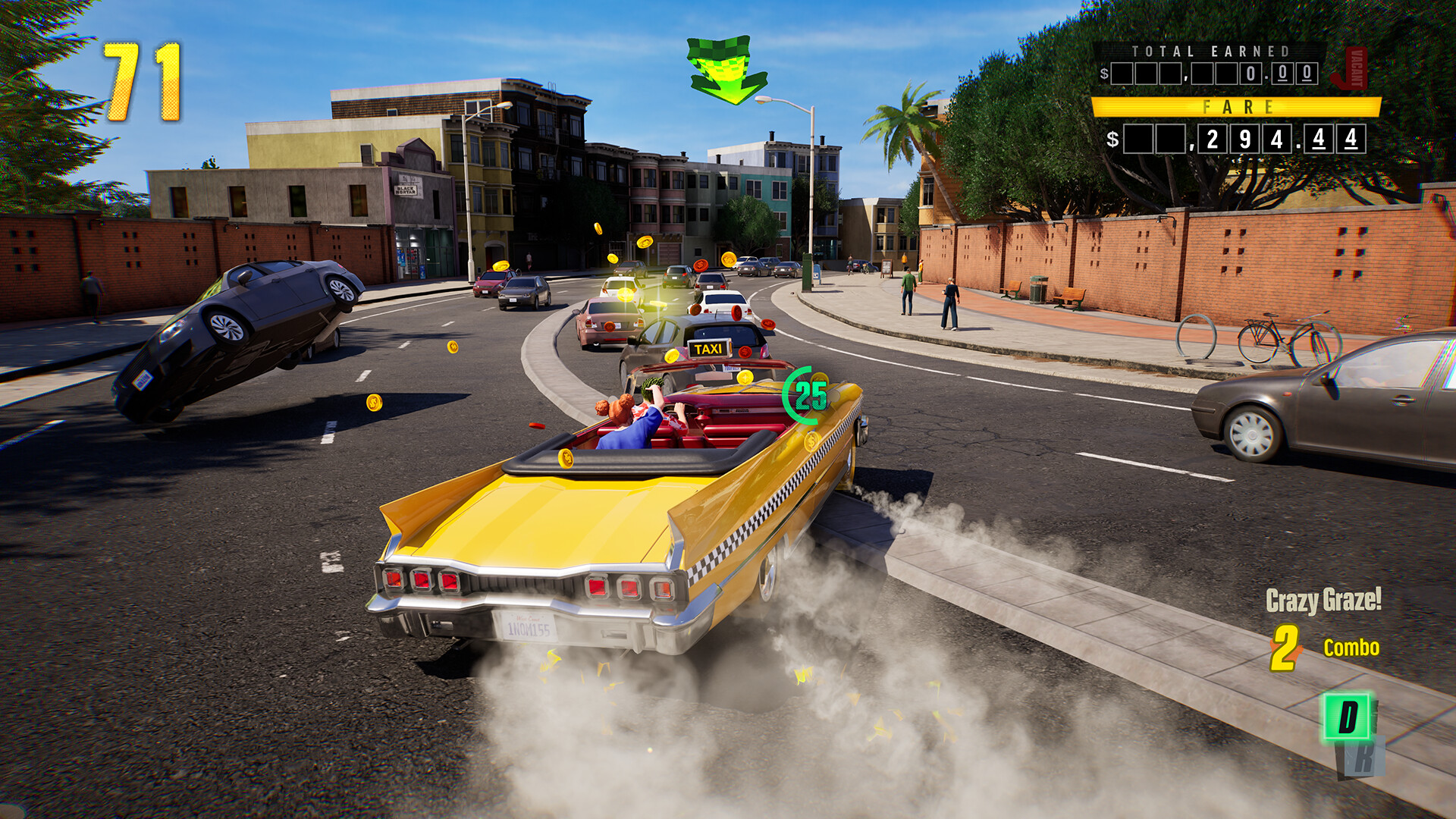
My tip: if you ever want to explain the game to a friend in Japanese study mode, keep it simple. Say, 車 (kuruma, car) de kyaku o hirotte, 早く (hayaku, quickly; early) hakobu. It’s easy, practical, and it captures the whole idea in one line. For Japan learners, that’s the kind of phrase that sticks because it feels useful, not textbook-clean.
And for Japan fans, the appeal is just as clear. Sega is not only reviving a name, it’s reviving a mood, a sound, a whole slice of game history. If Crazy Taxi really rolls back into the spotlight, it could remind people why arcade classics still matter, and why Japan’s pop culture legacy keeps finding new lanes to speed down. But that's not all.
In pictures


Frequently Asked Questions
What is Crazy Taxi?
It is a Sega arcade driving game first released in 1999, where players race to deliver passengers as quickly as possible.
Why do fans talk about an arcade revival?
Because older Sega games have strong nostalgia value, and their fast, social style still fits modern gaming tastes.
Is Crazy Taxi relevant for Japanese learners?
Yes, because its simple driving and city terms make it easy to pick up practical vocabulary in context.


