
What the Numbers Actually Tell Us
The Japan Tourism Agency has put a concrete figure on something many Japan fans already felt in their gut: roughly 11.8% of inbound tourists say that anime, manga or game content was a direct motivation for their visit. That's not a rounding error; that's millions of people booking flights to Tokyo, Kyoto and Osaka partly because a game or anime series made them fall in love with Japan before they ever set foot there.
Speaking of which, that 11.8% figure doesn't even capture everyone who was influenced indirectly. You might book a trip for food or cherry blossoms and still find yourself standing in Shibuya, thinking about the opening sequence of Persona 5. The line between "I came for the culture" and "I came for the game" is blurrier than any tourism statistic can capture.

My verdict? These numbers are almost certainly an undercount. Hand on heart, how many Japan fans reading this right now have watched an anime, paused on a rooftop shot of Tokyo, and thought, "I need to go there"? Exactly.
Persona 5 and the Shinjuku-Shibuya Effect
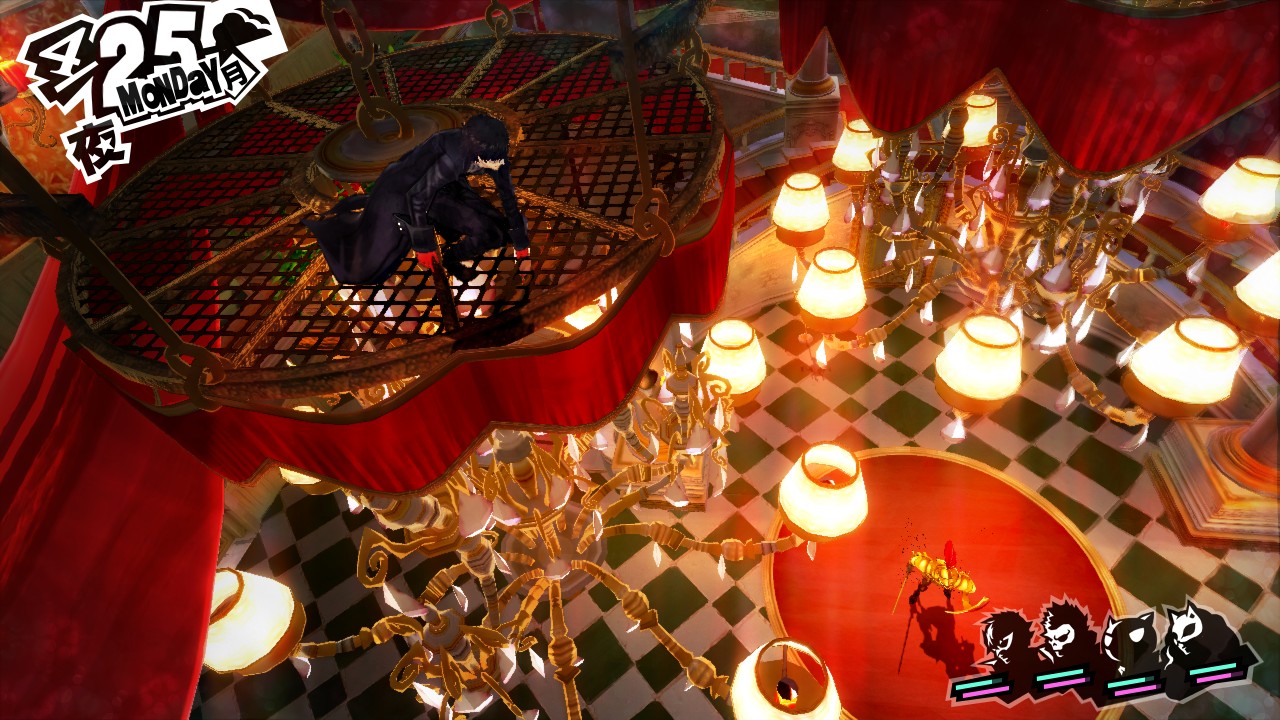
Let's talk specifics. Persona 5, the 2016 JRPG developed by Atlus, is set almost entirely in recognisable Tokyo locations. Shibuya's scramble crossing, the narrow alleyways of Shinjuku, and the elevated train lines cutting through the city skyline. Atlus didn't invent these places; they just rendered them beautifully enough that a generation of players now associate those streets with Joker's calling cards and the Phantom Thieves.
Real Locations That Players Recognised Immediately
Picture this: you step out of Shibuya Station, turn left, and realise you've already "walked" this route dozens of times in-game. The in-game location Leblanc Cafe is widely believed to be modelled on small kissaten in Yotsuya and surrounding areas of Shinjuku. The train scenes are clearly Yamanote Line. Even the layout of Shujin Academy mirrors real school architecture in Tokyo's denser wards. Fans in communities like r/Persona5 have spent years mapping these connections, and the results are genuinely impressive.

What most people don't know is that Atlus has never officially confirmed every single real-world counterpart for each location. That ambiguity actually fuels the tourism; people go to find the answers themselves. Classic Japan, isn't it?
Anime Locations and the Broader Pilgrimage Culture
Japan already has a long tradition of seichi junrei, literally "sacred place pilgrimage," where fans travel to the real locations that inspired their favourite anime. Your Name (Kimi no Na wa, 2016) sent floods of tourists to the Hida-Furukawa area in Gifu Prefecture and to specific staircases in Tokyo's Shinjuku ward. Demon Slayer turned the Asakusa district and parts of Kyushu into pilgrimage hotspots. This is nothing new in Japan; what is new is that video games are now firmly part of that same conversation.
No joke: the Fushimi Inari shrine in Kyoto, featured briefly in Persona 5, saw a measurable uptick in visitors who specifically mentioned the game. The shrine itself, known for its thousands of vermillion torii gates, is already one of Japan's most visited spots. Persona 5 just added another layer of meaning for a specific subset of visitors.
Learning Japanese Through the Locations You Love
Here's the kicker for anyone studying Japanese: fandom tourism is one of the best motivators for vocabulary acquisition. When you're walking through Shibuya and you see the kanji for scramble crossing, スクランブル交差点 (sukuranburu kousaten), you don't forget it. When you buy a ticket at a konbini and recognise the word from your favourite anime, Japanese stops feeling abstract. It becomes something you've already practised in a virtual world.




By the way, learning place names in Japanese is a surprisingly effective study strategy. Districts like 新宿 (Shinjuku), 渋谷 (Shibuya) and 浅草 (Asakusa) appear constantly in anime and games, so you're essentially drilling real geography while enjoying the content you already love. My tip? Keep a small notebook of location kanji from your favourite series before your trip. You'll be reading signs faster than you expect.
Why This Trend Isn't Going Away
Compared to back home, Japan offers something genuinely rare for pop culture fans: a country where the fictional and the real overlap almost seamlessly. The reason is partly architectural and partly cultural. Japanese cities, especially Tokyo, are visually dense and distinctive. Narrow alleys, neon signs, vending machines on every corner, and the specific geometry of a koban police box. These details translate perfectly into animation and game design. When you arrive in person, recognition is almost instant.
No exaggeration: the tourism infrastructure around fandom travel is growing to match demand. Regional tourism boards in Japan are now actively producing maps and guides for anime and game locations. The city of Kyoto has worked with studios directly. Some local governments have commissioned collaborations specifically to attract this demographic. It's a two-way relationship now, not just accidental overlap.

What I especially like is that this kind of tourism tends to draw visitors to smaller neighbourhoods and less-visited areas that standard travel guides ignore. If Persona 5 sends someone to a quiet Yotsuya side street, or Your Name sends them to a regional town in Gifu, that's genuinely good for Japan's broader tourism spread. Sounds good, right?
The fandom tourism boom is real, it's measurable, and it's changing how a generation of travellers thinks about Japan. Whether you're a Persona fan, a Demon Slayer devotee, or someone who fell for Tokyo through a Studio Ghibli film, the impulse is the same: you want to stand inside the world you love. Japan, more than almost any other destination on earth, actually lets you do that.
From my experience, no amount of travel research compares to that moment of real-world recognition. You planned the trip, you studied the map, but when you turn the corner and it's actually there? That's the whole point.
Find more Japan news on jpnerd.com and keep exploring.
In pictures

Frequently Asked Questions
Which real Tokyo locations appear in Persona 5?
Persona 5 features heavily stylised versions of Shibuya, Shinjuku, Akihabara and Asakusa. The in-game Leblanc Cafe is commonly associated with small cafes in the Yotsuya area, though Atlus has not confirmed every location officially.
What does seichi junrei mean?
Seichi junrei (聖地巡礼) translates roughly as "sacred place pilgrimage" and refers to the Japanese fan practice of visiting real-world locations that inspired anime, manga or game settings.
How significant is anime tourism for Japan's visitor numbers?
The Japan Tourism Agency reports that approximately 11.8% of inbound tourists cite anime, manga or game content as a direct motivation for their visit, making it a significant and growing segment of inbound tourism.