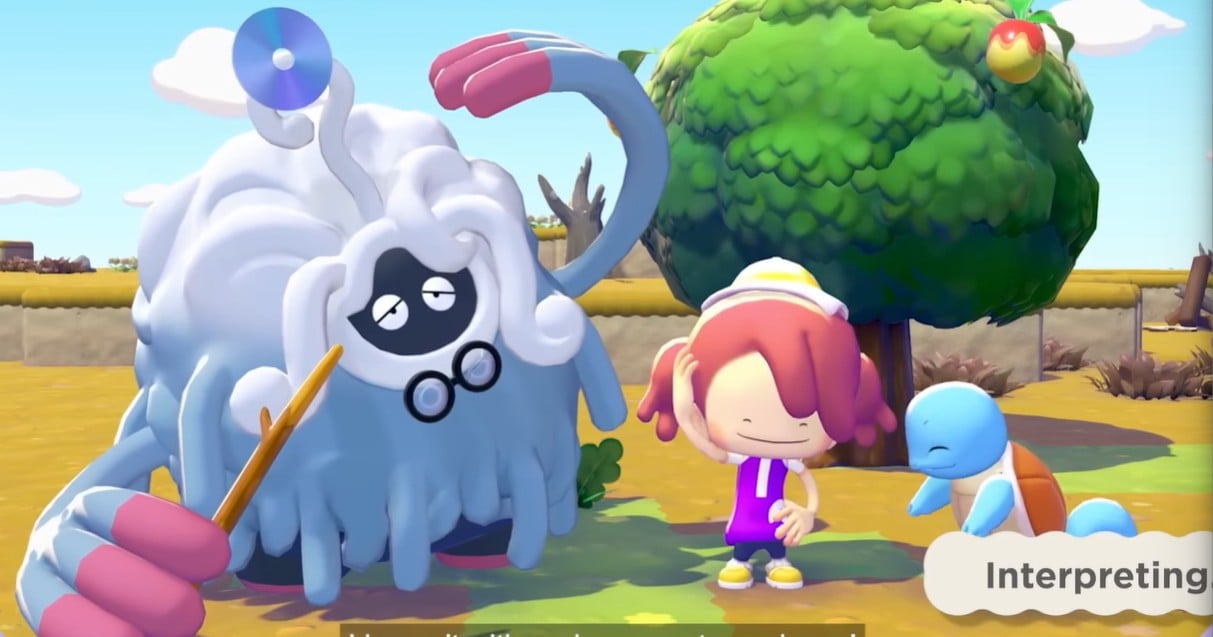
Pokémon Worlds 2026 promo cards are the headline here, and honestly, that’s exactly the kind of news TCG fans were hoping for. The World Championships always bring a mix of play, collecting, and pure event energy, and this year’s reveal leans hard into all three.
![Dragon Ball Z: Kakarot [Master Edition]](https://s.pacn.ws/1/p/1eh/dragon-ball-z-kakarot-master-edition-908785.1.jpg?v=t8ja8t&width=400)
While we're at it: if you’re learning Japanese, events like this are a neat chance to pick up real-world terms tied to hobbies, like pureza for card sleeves, 将来 (shorai) for something future-facing, or biju for a prize item in casual speech. Not every fan needs that vocabulary, of course, but Japan culture and card game culture overlap a lot, and that’s part of the charm. No wonder, because Pokémon in Japan has always been both a game and a collector scene, with a very polished event style attached to it.
Seriously though: the 2026 Worlds reveals matter because they’re concrete. We’re not talking vague tease art or a random teaser post. We’ve got promo cards, competitor kits, Pokémon Center plush, and vendor presence, all of which affect what people will line up for, what traders will chase, and what attendees will actually be able to buy or pull during the event.
Oh, almost forgot: for Japan fans, this kind of setup feels very familiar. Big events in Japan, whether it’s Comiket, a game expo, or a Pokémon Center launch, often combine exclusive goods with a strong queue culture. You’ll see the same mindset here, where people aren’t just attending, they’re planning. My tip: if you ever go to a major pop culture event in Japan or abroad, know the merch first, then the schedule. That saves stress, and sometimes cash too. Wait, there’s more.
Worlds 2026 promo cards: the collector bait everyone notices first
Fun fact: promo cards are often the fastest way to tell how seriously an event wants to speak to collectors. At Pokémon Worlds, the promo cards usually end up being the items that everyone remembers months later, because they’re tied to attendance, placement, or special distributions rather than a normal retail release.
For 2026, the buzz is centred on event-specific promos that give Worlds its own visual identity. That matters, because the card art, stamps, and distribution method all change the value story. A stamped Worlds card doesn’t just look cool, it signals that the player or collector was part of a very specific moment in time. In the Japanese collector mindset, that sort of temporal marker is a big deal. Think 祭り (matsuri, festival) souvenirs, but for the TCG crowd.
Did you know that...? Japanese collectors often use the word 後日 (gojitsu, later date; at a later time) when talking about things they’ll sort through later, and that fits these promos perfectly. Some people’ll open the envelope right away. Others’ll sleeve the card, store it, and compare print quality online for weeks. Sounds weird, but it’s true. The moment a Worlds promo exists, grading talk is never far behind, especially if the card has a clean stamp or a popular character.
Here’s the kicker: Worlds promos are also a travel item. If you’re flying in for the event, these cards become the kind of thing you protect with extra sleeves, hard cases, and maybe a binder page you won’t touch until you’re home. That’s not paranoia, that’s just smart collecting. And for Japanese learners, “保護 (hogo)” for protection and “shinsatsu” for inspection are handy words to know when people start discussing card condition online. My verdict: promo cards are still the single most important reveal, because they carry both emotional and resale weight. Sounds good, right?
Competitor's kits for Pokémon Worlds 2026 and what they mean
Ever wondered why competitor's kits matter almost as much as the promos? The answer is simple, they tell you what the tournament feels like on the ground. A good kit isn’t just packaging, it’s part welcome gift, part memory box, part status symbol for players who made it to the biggest stage of the year.
Unlike what we're used to from regular local leagues, Worlds competitor kits usually come with exclusive branding and items that can’t just be bought off a shelf. That exclusivity creates a second market instantly. People who don’t compete still want a look at the contents, and people who do compete often keep the kit sealed for the same reason they’d keep a limited 弁当 (bento, lunchbox; boxed meal) box container from a festival: the experience is in the object itself.
What I especially like: competitor kits bridge the gap between play and display. Pokémon has always done this well. A Worlds kit can be functional, sure, but it also tells a story about location, year, and community. For Japan-based fans, that’s a familiar design language. Even packaging can feel like お土産 (omiyage), the souvenir logic of “I was there, and here’s proof.” Simply brilliant.
And there’s a practical side too. Competitor items often set the tone for the venue, help players keep track of essentials, and give vendors a clear idea of what kinds of accessories are in demand. If sleeves, deck boxes, and playmats are in the kit, expect matching products to sell fast near the hall. No exaggeration: the kit can influence the whole shopping rhythm of the weekend. Wait, there’s more.
Pokémon Center plush and vendors at Worlds 2026
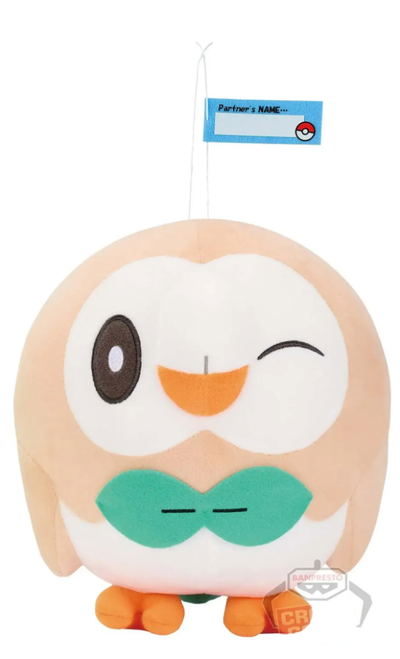
Does the merch area matter that much? Absolutely. Pokémon Center plush are often the emotional hook for attendees who may not even be deep into competitive play. A soft, event-branded plush gives the show floor a different texture, literally and culturally. It’s the kind of item that ends up in travel photos, desk setups, and gift posts long after the venue clears out.
The vendor side is just as important. Once Pokémon Center plush are part of the reveal, the vendor ecosystem gets more interesting, because attendees start planning around limited stock, restocks, and the order of purchase. In Japan, that queue logic is second nature. People line up early, check signage carefully, and compare notes with friends. No wonder, because the same discipline shows up at concert merch tables and character pop-ups all over Tokyo and Osaka.
Seriously though: plush are not a side note. They’re a signal that Worlds 2026 is being treated as a full fan event, not only a tournament. That’s good news for families, casual collectors, and Japan fans who enjoy character goods as much as gameplay. If you know words like 可愛い (kawaii, cute), omiyage, and 会場 (kaijou, venue; hall), you already understand the cultural pull. It’s soft power, but in plush form. My tip: if you’re attending in person, set a merch budget before the doors open, because event goods can vanish fast. Wait, there’s more.
For readers who follow Japanese event culture closely, this is where Pokémon Worlds feels especially familiar. Limited goods, clear branding, and strong visual identity all echo the best parts of a Japanese expo. It’s organised, a little intense, and very easy to love. And if you’re tracking the wider Japan news and pop culture angle, keep an eye on how these event reveals shape collector chatter over the next few weeks.
Frequently Asked Questions
What are Pokémon Worlds promo cards?
They are special event cards tied to the World Championships, usually with limited distribution and collector appeal.
Why do competitor kits matter so much?
They give players exclusive event items and often become collector pieces because they are only available to participants.
Are Pokémon Center plush sold only at the event?
Often yes, or at least in very limited event windows, which makes them highly desirable for attendees and collectors.