

For Japan fans and Japanese learners, it’s a neat example of how a classic arcade name from the Dreamcast era keeps returning in new forms, with new tools, new worries, and plenty of opinions. Sounds good, right?
![Tennis World Tour 2 [Complete Edition]](https://s.pacn.ws/1/p/11f/tennis-world-tour-2-complete-edition-673815.6.jpg?v=qsiqxt&width=400)


It’s early morning in Kyoto, and my feed is already full of game industry drama. Sega has confirmed that generative AI was used in Crazy Taxi: World Tour, specifically for some background assets, and that one detail has been enough to light up forums, social media, and the usual comment sections. Here’s the thing: this isn’t a vague tech demo, it’s a real title tied to one of Sega’s most recognisable arcade brands. No wonder, because Crazy Taxi still carries serious nostalgia for a lot of players.
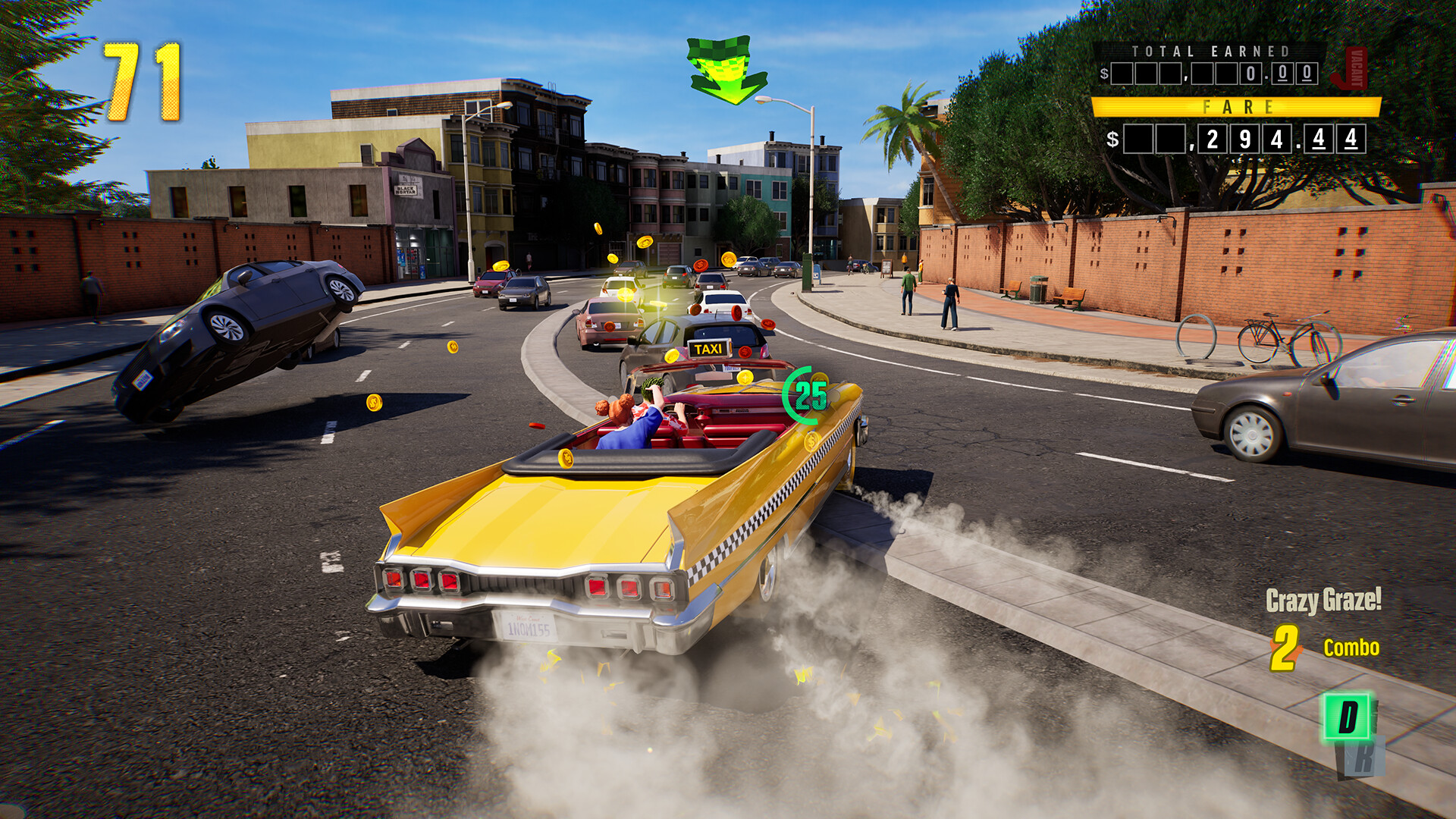
The new game sits in a very different place from the original Crazy Taxi, which first arrived in arcades in 1999 and later became a hit on the Sega Dreamcast in 2000. That older game was all about speed, attitude, and loud visual style, with players rushing passengers across a city map while Offspring songs blasted in the background. Crazy Taxi: World Tour, by contrast, is being discussed for something much less playful, the use of AI-generated material in development. Seriously though: that shift tells you how fast the conversation around game art has changed.
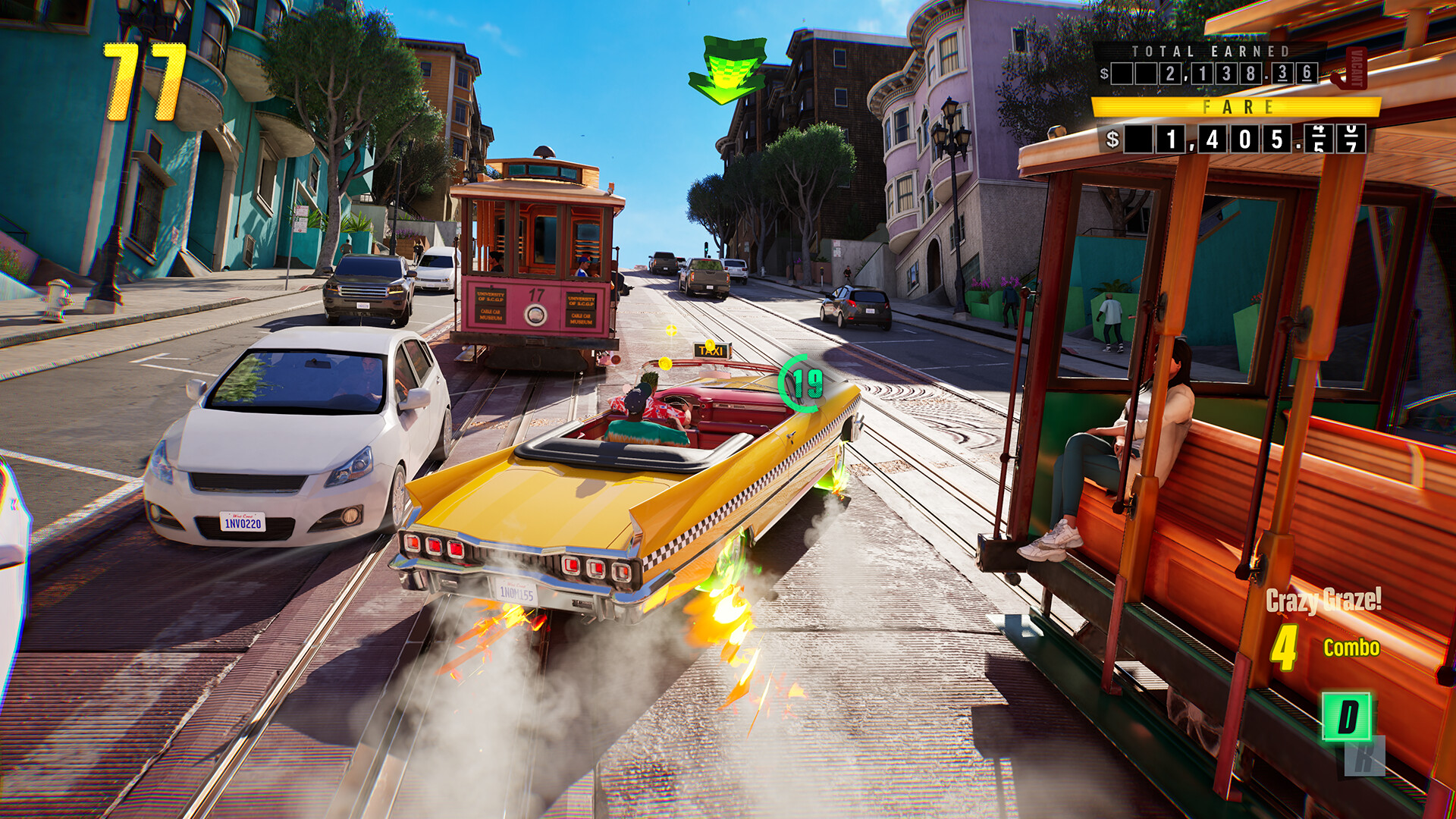
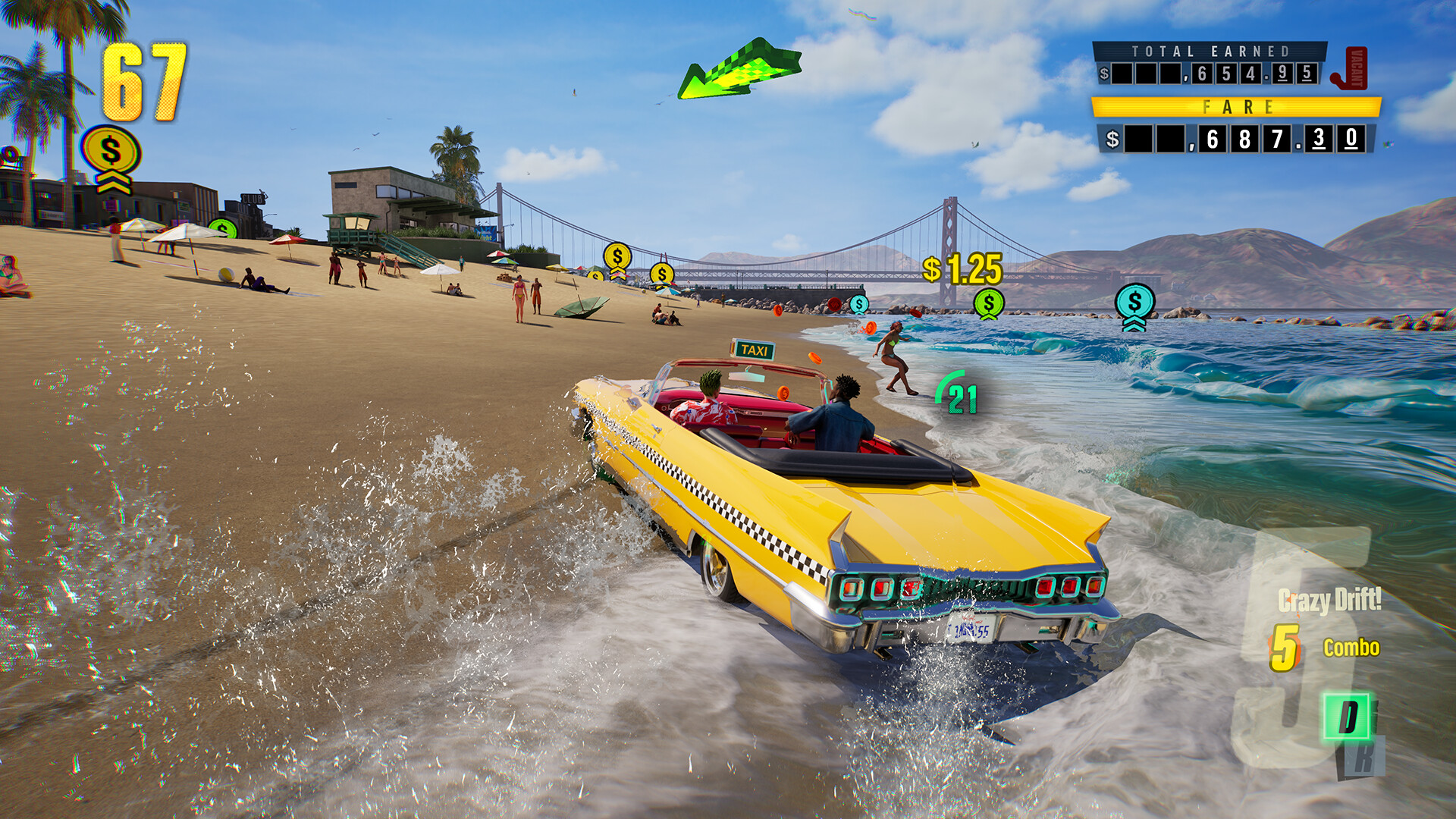
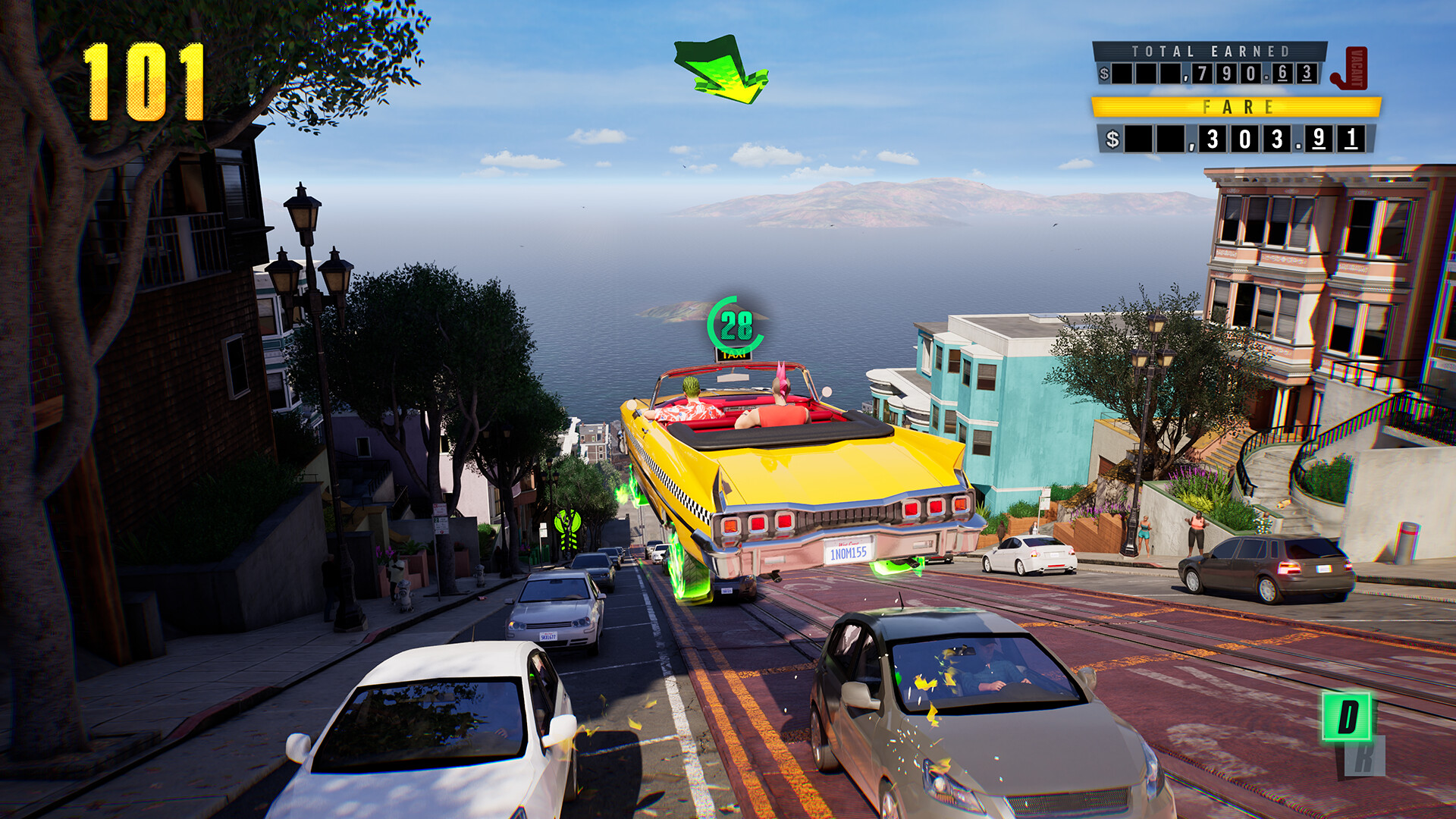
What many overlook is that background assets aren’t the same as core gameplay systems or character models. In game development, they usually mean the visual elements that fill out the world, things like signs, posters, street clutter, skyline details, shop fronts, and other scenery that makes a city feel alive. Take Crazy Taxi: World Tour, for instance. If Sega used generative AI for those layers, the most likely goal was probably to speed up production and reduce the burden on artists who’d otherwise need to create repetitive environmental pieces by hand. Sounds efficient, but it also raises a very old question in a new form: what happens when the shortcut becomes part of the finished product?
Crazy Taxi: World Tour and Sega's AI admission
Here’s the kicker: the controversy didn’t start because players found a hidden clue on their own. It started because Sega confirmed the AI use after questions were raised about the project. According to reporting from Game Informer, the company said generative AI was involved in background asset creation, and it also responded to concerns around that choice. That matters, because companies often try to stay vague when a sensitive production topic comes up. Sega didn’t fully avoid the issue, and that alone makes this story worth watching.

There’s also a cultural layer here that Japan fans will appreciate. Sega isn’t just any publisher, it’s a company with deep arcade history, from Super Monkey Ball to Yakuza, and from Virtua Fighter to Sonic. When Sega makes a call like this, people notice. In Japanese, you might hear fans talk about a title having a certain 味 (aji, flavour; character), a kind of flavour or character. The fear among critics is that AI-generated scenery could flatten that flavour if it becomes too generic. Personally, I think that concern is fair. If a Crazy Taxi city starts looking like a stock-city template, the series could lose some of its rowdy personality. Wait, there’s more.
Why the background assets matter so much
Background art might sound minor, but it shapes how a game feels frame by frame. In a fast-driving game like Crazy Taxi, players are moving constantly, glancing at streets, corners, traffic, and signage while making split-second decisions. Even if you never stop to stare at a billboard, your brain reads the whole environment. No exaggeration: the scenery can change the mood of a race from energetic to empty.
For Japanese learners, this is a handy vocabulary moment too. Words like 背景 (haikei, background) (background) and 素材 (sozai, materials; assets) (materials or assets) come up a lot in game-art discussions, interviews, and design notes. If you ever read Japanese development news, you’ll see terms like gengo AI or 生成AI (seisei AI, generative AI) for generative AI, and 作品 (sakuhin, work; piece) for a work or piece. Knowing that vocabulary helps you follow industry talk without getting lost in the English buzzwords. What I especially like is that this is one of those cases where language learning and game news overlap naturally. Simply put, it’s a nice bonus.

The other point is practicality. Game production is expensive, and background work often eats time without always getting the spotlight. If AI can help with rough drafts, variant textures, or placeholder city props, studios may see it as a useful assistant rather than a replacement for artists. But that line is exactly what many players are arguing about. No joke: the moment a company says AI was used, people immediately want to know how much, where, and whether humans still shaped the final result.
What this means for Japan fans and Japanese learners
If you follow Japanese games closely, this story fits a pattern that’s been growing for years. Japanese studios have become more open about using modern tools, but they also face intense scrutiny whenever automation touches creative work. Look at Capcom, Square Enix, or Bandai Namco, and you’ll see a broader industry where efficiency, cost, and artistic identity are always in tension. Sega’s move with Crazy Taxi: World Tour just throws that tension into sharper relief.
Here’s the deal: for Japan fans, the real story isn’t only whether AI was used. It’s whether the final game still feels like Crazy Taxi. That means loud energy, bright city chaos, and the kind of exaggerated arcade spirit that makes the series memorable. If the background assets are polished enough to support that energy, many players may shrug and move on. If they feel lifeless, people won’t be so forgiving. My tip: watch how Sega talks about human oversight, because that usually tells you more than the AI label itself.
And for learners, game controversies like this are actually useful reading practice. They combine business language, tech terms, and fan reaction in one place. You get words like 確保 (kakutoku, to secure; to obtain) (to secure), 研究 (kenkyu, research) (research), and 評価 (hyoka, evaluation; assessment) (evaluation) appearing in real contexts, not textbook sentences. That’s a far better way to build recognition. Also, if you enjoy browsing Japanese gaming chatter, keep an eye on how fans use short, punchy reactions. The tone can be polite one moment, then blunt the next. Sounds weird, but it’s true.
At the end of the day, Sega has done what many companies avoid, it confirmed the AI angle instead of letting rumours spiral forever. That makes Crazy Taxi: World Tour more than just another sequel announcement. It becomes a test case for how a famous Japanese game series handles generative AI in the actual production pipeline. For now, the debate is less about whether the tool exists and more about whether players will accept it when they know where it was used. Worth keeping an eye on, because the next big discussion in game development may not be about graphics or consoles at all, but about process. Personally...
In pictures
Frequently Asked Questions
What did Sega confirm about Crazy Taxi: World Tour?
Sega confirmed that generative AI was used for some background assets in the game.
Why are background assets such a big issue?
They shape how the game world feels, even if players do not focus on them directly.
Why does this matter to Japanese game fans?
It affects a classic Sega series and shows how Japanese studios are handling AI in creative work.


