
The timing is even better than expected, with a Nintendo Direct reveal on June 9 and a release date set for September 10, 2026 on PS5, Switch 2, Switch 1, and PC. If you’ve heard the word Touhou before but never had a clear starting point, this is the one to watch.
![Dragon Ball Z: Kakarot [Master Edition]](https://s.pacn.ws/1/p/1eh/dragon-ball-z-kakarot-master-edition-908785.1.jpg?v=t8ja8t&width=400)


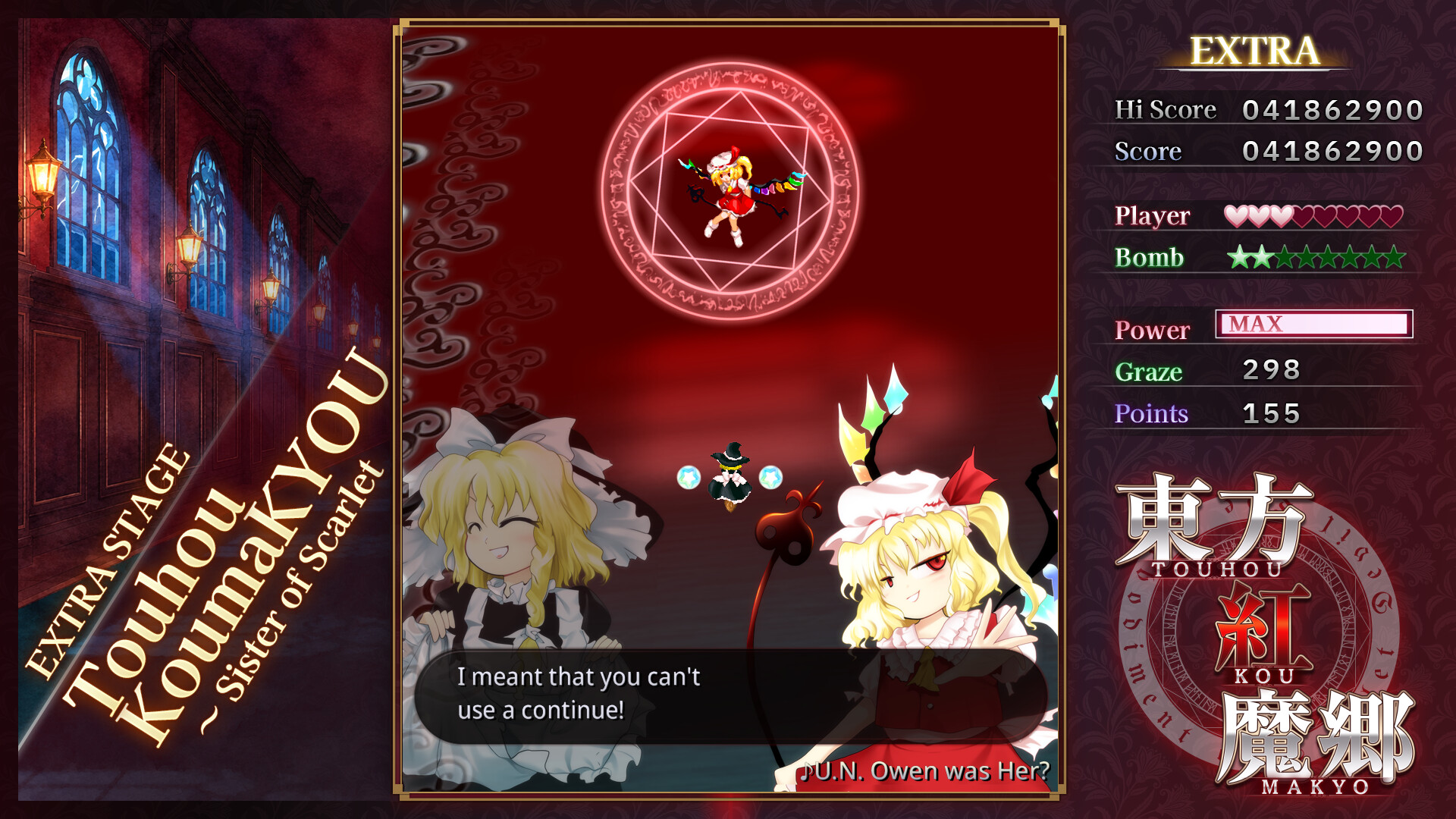
Touhou Koumakyou New Classic is the sort of announcement that makes long-time Japan fans sit up straight. For German-speaking players, it matters even more, because it is the first official German localisation in the 24-year history of the Touhou franchise. That sounds wild, but it’s true.
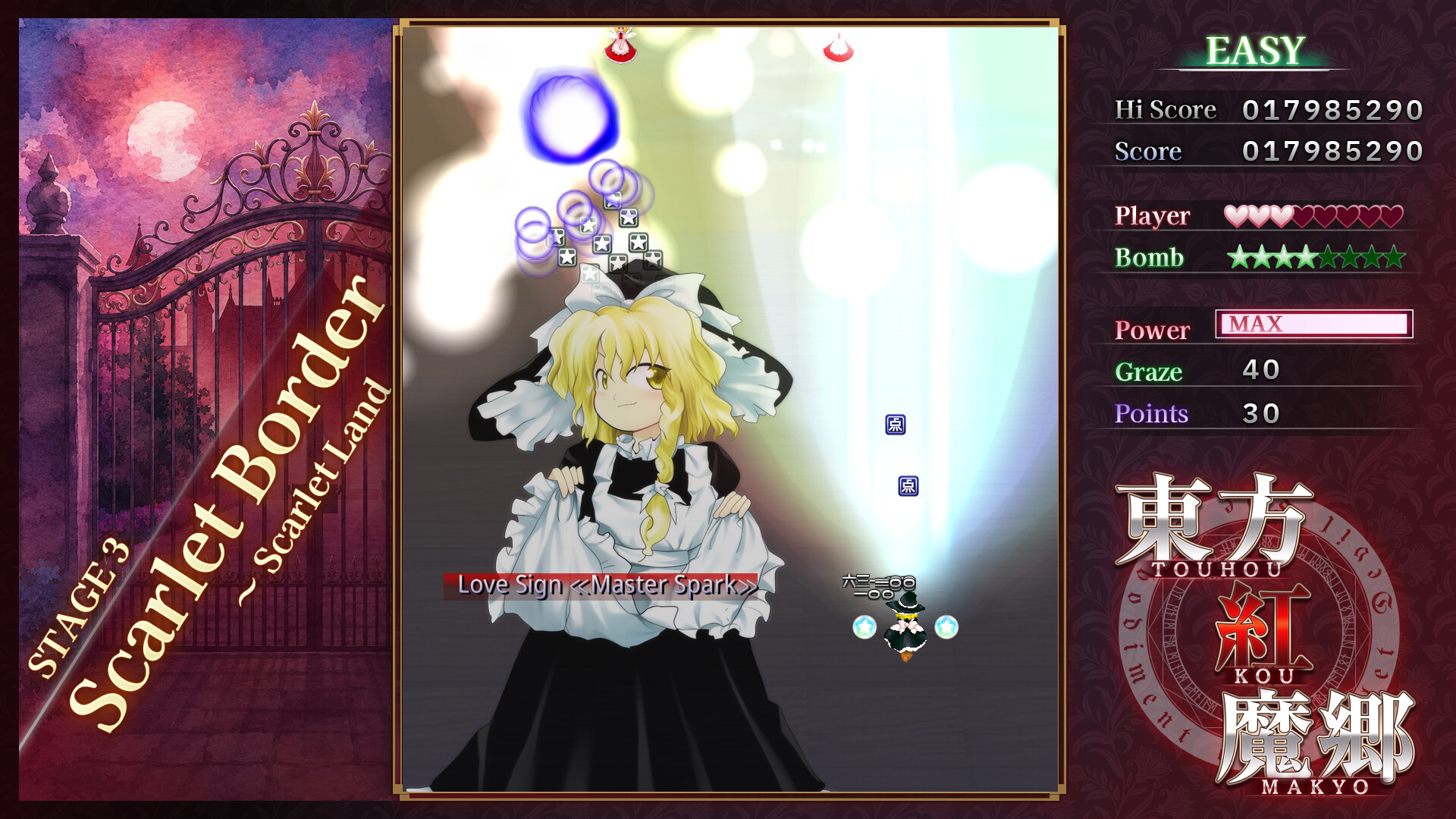
For years, Touhou lived in a strange space between cult fandom and near-total inaccessibility. The games were famous, the characters were everywhere, and the music spread across 同人 (doujin, fan-made self-published works) circles, fan art sites, and rhythm-game communities, yet most new players outside Japan had to rely on fan patches, translated wikis, or YouTube explanations. Now there’s finally an official route in, and that changes the whole conversation.
Let’s be honest: if you’ve ever heard people mention Reimu, Marisa, or Gensokyo and then immediately lost the plot, you’re not alone. That confusion is part of the Touhou experience, especially for people who know Japan through anime, gaming, or doujin culture but never found a clear entry point. This release could be that entry point, and for German readers, the local language support is a very practical bonus. Convinced yet?
What Touhou is, and why this release matters
Touhou is a long-running shoot 'em up series created almost entirely by one person, ZUN, the developer, composer, writer, and face of the project. The main games are famous for their 弾幕 (danmaku, bullet curtain), meaning dense bullet patterns that turn the screen into a kind of moving art piece. It’s part reflex test, part memory game, part rhythm exercise for your eyes.
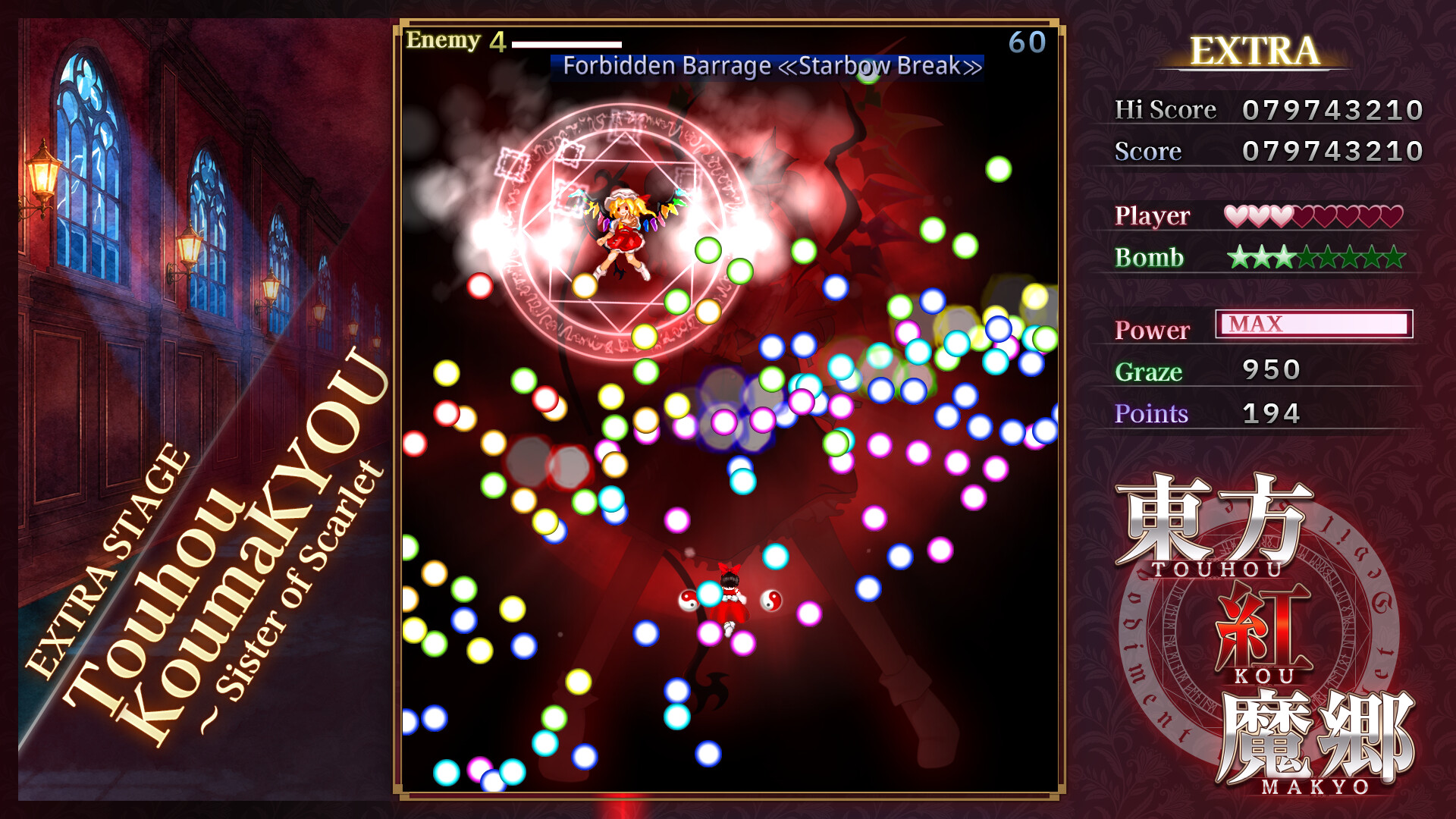
Ever wondered why Touhou has such a huge fan following despite being so hard to approach? The answer is simple: it blends sharp design, memorable music, and a cast of characters that fans love to remix, redraw, and reimagine. ZUN’s work gave rise to a huge doujin ecosystem, where fans created everything from music albums to manga, figurines, and parody games. That fan culture is a big reason Touhou survived and grew for so long.
Sounds weird, but it’s true. For more than two decades, many players experienced Touhou mainly through unofficial translations and community knowledge. The series was never absent, it was just fragmented, and often intimidating for newcomers. That’s why an official German release feels like more than a checkbox, it feels like a real invitation.
My tip: if you’re learning Japanese, Touhou is a fun place to pick up recurring words tied to fantasy, shrines, 妖怪 (yokai, supernatural creature), and everyday gamer vocabulary. You’ll run into names like reimu, marisa, and gensokyo again and again, and that repetition helps more than you’d think. Wait, there’s more.
Nintendo Direct, September 10, and the first official German localisation
The announcement arrived during the Nintendo Direct on June 9, 2026, which is exactly the kind of stage a long-awaited comeback deserves. According to Gematsu, Touhou Koumakyou New Classic is set for release on September 10, 2026, and it’s coming to PS5, Switch 2, Switch 1, and PC. That multi-platform rollout matters, because it puts the game in front of both console players and PC fans without making anyone pick a single lane.
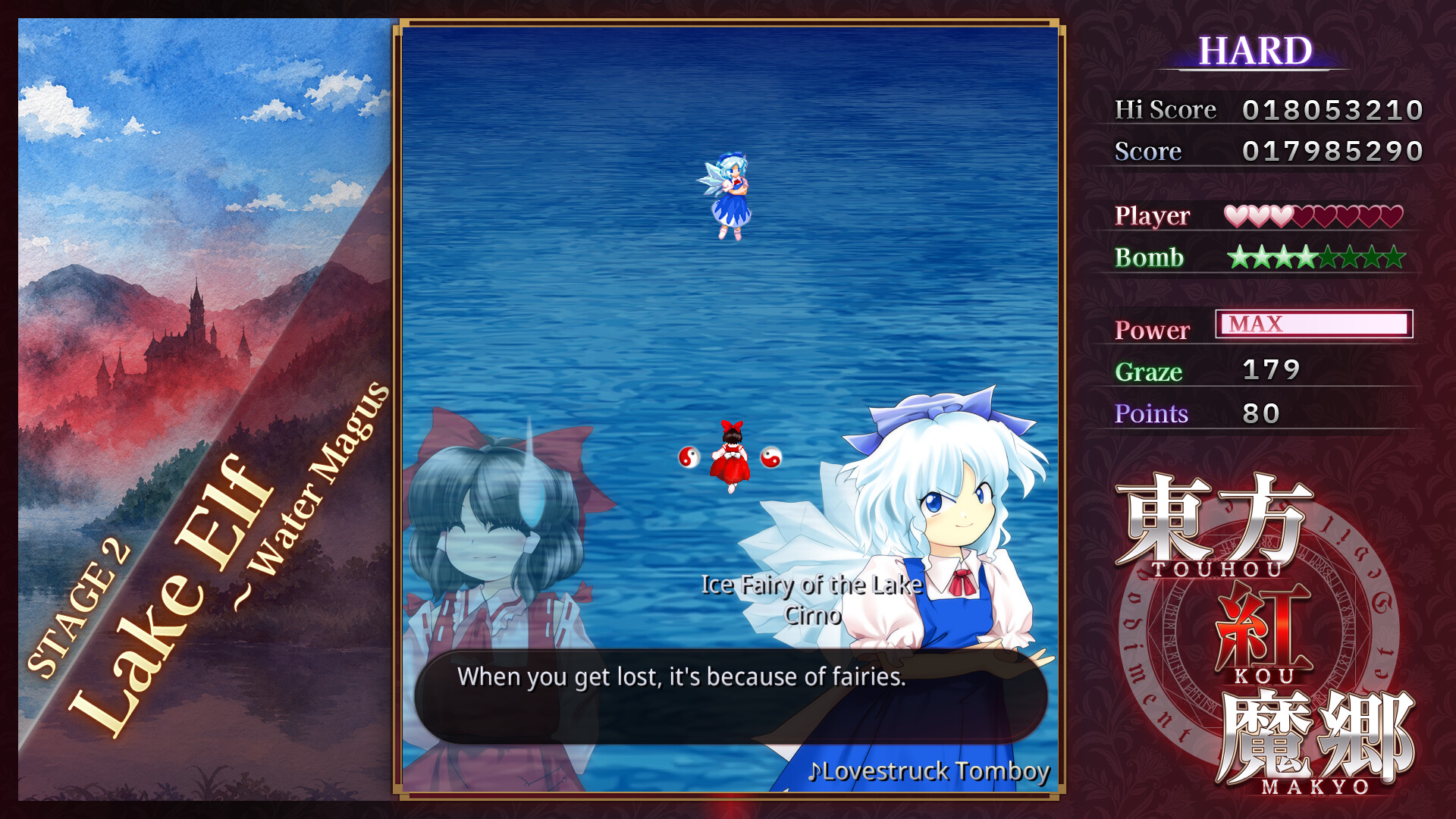
While we're at it: the German localisation is the real headline for jpnerd readers. Official language support means menus, story text, and likely a much smoother onboarding experience for players who would never touch a fan patch. For a series with such a long unofficial history, that’s a pretty big shift in tone, from niche import culture to something that feels intentionally welcoming.
A great example: imagine a player in Berlin, Munich, or Cologne who has heard about Touhou from friends, music remixes, or fighting game circles, but never wanted to wrestle with a wall of English fan terminology. Now that player can finally start in German, follow the story, and learn the franchise’s basic rhythm without friction. That’s not just convenient, it’s smart localisation. Simply brilliant.
Plot twist: the official German release also makes Touhou a better recommendation for Japan learners who usually avoid complex fan-led translations. You can study simple gameplay language, character names, and recurring location terms, then compare them with Japanese romaji names and community terminology. If you’ve ever used games to build vocab, this is exactly the kind of title that rewards curiosity.
ZUN, doujin culture, and why Touhou keeps lasting
Imagine a narrow alley in Tokyo. On one side, you have a tiny event booth selling handmade music discs and art books, on the other, a game that started as a solo project and somehow became a cultural landmark. That’s the kind of ecosystem Touhou grew out of, the same doujin culture that powers events like Comiket and keeps fan creativity moving at a speed most companies can’t match.
ZUN’s name is central here. He has stayed unusually hands-on for a creator with this level of influence, and that consistency is part of the series’ identity. Touhou doesn’t feel like a committee product, it feels like a personal world that fans were invited to build around. That's why the franchise has outlived so many flashier trends.
For Japan fans, this history is important because Touhou is one of those rare cases where fan culture and official culture have grown side by side. You’ll find its music in remix circles, its characters in doujin manga, and its language in online fandom spaces, all while the main games continue quietly in the background. That’s a very Japanese kind of longevity, built on community, repetition, and a lot of shared shorthand. Highly recommended:
And for language learners, the franchise is packed with useful soft culture terms. Words like doujin, shrine, 妖怪 (youkai, supernatural creature), and spell card show up constantly, and even if you only know them in romaji at first, they start to form a mental map of how Japanese pop culture talks about fantasy and play. If you like learning through context, Touhou gives you plenty of it. My verdict: this is the cleanest official doorway Touhou has had in years.
In pictures

Frequently Asked Questions
What is Touhou Koumakyou New Classic?
It is an upcoming Touhou game release tied to the long-running bullet-hell series created by ZUN.
Why is this release important for German players?
It is the first official German localisation in the series’ history, which makes the game much easier to approach.
When and where will it launch?
It is scheduled for September 10, 2026 on PS5, Switch 2, Switch 1, and PC.


