

And yes, that matters, because Demon Slayer has turned packaging into part of the product. If you care about Japanese media culture, or you just like watching a studio understand what its audience will pay attention to, this is the sort of release worth tracking.



Here’s the thing: the first chapter of 鬼滅 (kimetsu, demon slaying) no 刃 (yaiba, blade): Infinity Castle isn’t just getting a Blu-ray and DVD release fair, it’s getting the full ceremonial treatment. That means a new ufotable drawing, bonus display material, and a mini taishi photo event designed to keep fans talking after the film itself has already done the box-office damage. No exaggeration: this is how a major anime property extends its lifecycle in practice, not just in theory.
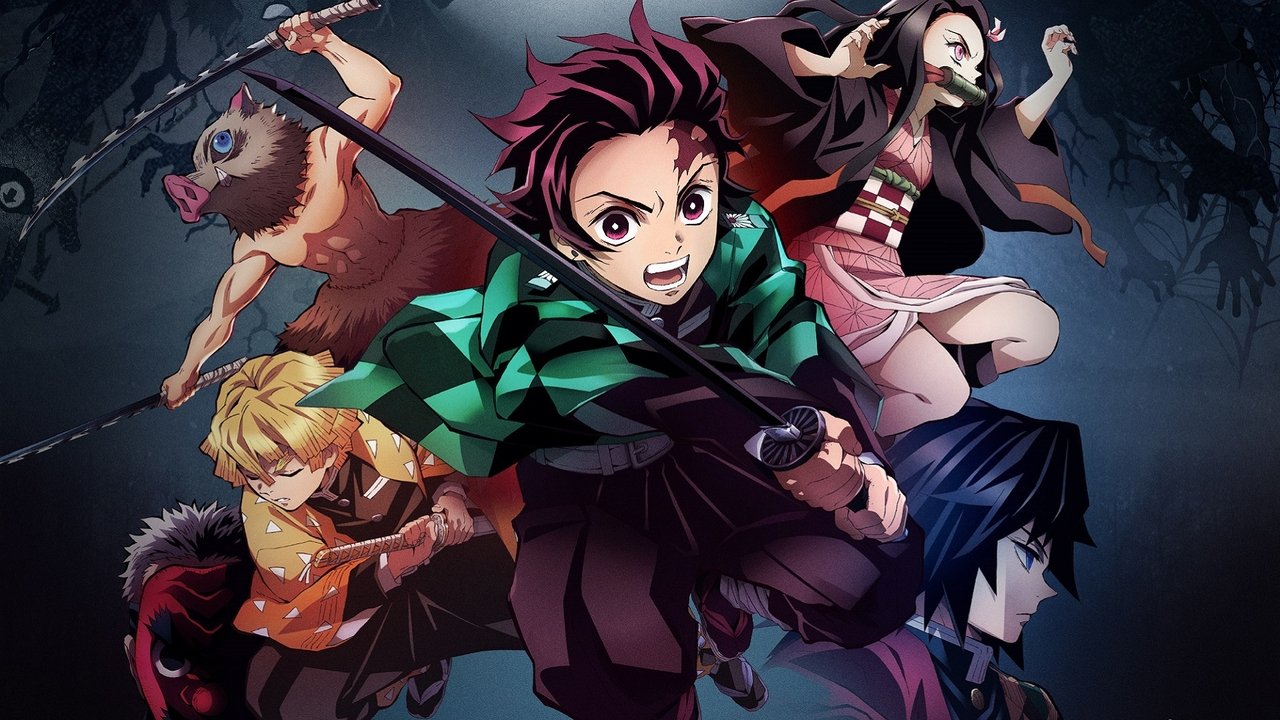
For Japan fans and language learners, this kind of campaign is worth watching closely. The words matter, the structure matters, and the merchandising logic matters even more. When you see a release fair like this, you’re looking at a carefully staged afterlife for a movie, one built around collectability, limited-time store promotion, and the quiet suggestion that you’ll regret not buying the thing now. That’s not cynical. It’s just how the machine works. And Demon Slayer, more than most titles, knows how to make the machine look elegant.
Kimetsu no Yaiba: Infinity Castle and the logic of the first chapter
The movie in question is Kimetsu no Yaiba: Infinity Castle First Chapter, the start of the anime’s final cinematic run through the infamous 絆 (kizuna, bond)-freezing maze known as the Infinity Castle arc. If you’re learning Japanese, kimetsu refers to demon slaying, yaiba means blade, and 無限城 (mugen jo, infinite castle) is the more literal way the castle title often gets discussed in Japanese conversation. That vocabulary is part of the appeal, honestly. Fans don’t just watch Demon Slayer, they absorb its terminology by accident and then pretend they meant to.
What stands out here is the word first. Not finale, not endgame, not climax, but the opening chapter of a larger film strategy. That suggests Toho, Aniplex, and ufotable are treating the Infinity Castle material less like a single event and more like a staggered campaign, with each new release feeding the next. That brings us to the actual problem, or rather the opportunity: once the theatrical run slows down, how do you keep the audience emotionally and financially invested? Easy. You hand them a new piece of artwork and call it a fair.

It’s a clever move because Demon Slayer doesn’t rely on scarcity alone. It relies on ceremony. The franchise has always understood that fans will line up for the feeling of being present, of being included, of owning the version with the extra thing attached. From my experience covering anime releases, that’s the difference between a plain disc rollout and a release event people actually remember. See what I mean?
Blu-ray and DVD release fair: why collector culture still works
The Blu-ray and DVD release fair is built for the collector mindset, and there’s nothing accidental about that. Japanese home-video campaigns have long used 特典 (tokuten, bonus item; extra perk) style extras, retailer bonuses, and visual promotions to turn a disc into a small event. Demon Slayer just does it with far more confidence and, frankly, far more polish than most titles can afford to imitate.
Here’s the kicker: the announcement doesn’t simply say “disc release”. It frames the entire thing as a fair, which in Japanese retail language suggests a limited campaign with display materials, bonus items, and a sense of occasion. That matters for fans who like to visit animate, chain bookstores, or specialty shops and see the franchise physically staged in front of them. A stream announcement disappears in a day. A shelf display lingers. A new ufotable illustration on a cardboard standee? That becomes a photo stop, then a social post, then a reason to buy the disc instead of waiting for a streaming window.
By the way, this is where Japanese fan culture is more disciplined than outsiders sometimes assume. People don’t just consume a release, they track the release structure itself. Which retailer has the bonus? Which date is the fair active? Which poster uses the new key visual? That’s why something like this can generate real momentum, especially for a franchise as visually branded as Demon Slayer. The economics are straightforward, but the choreography is the interesting part. Personally, I think that’s the bit worth paying attention to. From my experience...

New ufotable artwork and the mini taishi photo event
The new drawing is the real bait
Let me show you why the ufotable artwork matters so much. New studio-drawn material is the currency of this ecosystem. It’s not enough that the film exists, it has to be re-specified through a fresh image, because the image is what fans collect, share, and value. ufotable is particularly strong at this, with clean linework, controlled colour design, and a habit of making promotional art look like it belongs to the same production system as the animation itself. That consistency is catnip for collectors.
And yes, the first reveal matters. The announcement explicitly notes that the new ufotable drawing is being shown for the first time, which gives the campaign a debut event feel. In other words, this isn’t merely packaging the movie, it’s creating a second premiere around the home-video release. Sounds weird, but it’s true. This is the kind of thing that turns a disc into a keepsake, even for fans who already saw the film in theatres.
Mini taishi photo event, explained
Then there’s the mini taishi photo event, which is exactly as delightfully specific as it sounds. Taishi in this context points to a standee or life-size display, the sort of thing Japanese shops use to create a quick in-store photo moment. The “mini” version suggests a smaller-scale installation, but that doesn’t make it less effective. If anything, it makes it easier to place in stores and easier for fans to snap a picture without feeling like they’re staging a pilgrimage. No drama, just a neat little photo opportunity with franchise branding attached.

That smaller physical scale also tells you something about the campaign. It’s not trying to be a theme-park activation. It’s trying to be a repeatable retail touchpoint, one that can travel across multiple locations and still feel local. For a film property like Demon Slayer, that’s smart. The audience already knows the characters, the arc, the stakes. What they want now is a reason to re-engage, post something, and maybe buy a copy for the shelf. My tip: if you’re learning Japanese, pay attention to the event language here. Words like フェア (fairu, promotional fair), kaijo, and kinen show up constantly in Japanese promotional copy, and they tell you a lot about how media campaigns are framed. That’s useful vocabulary, not just fandom trivia. Not bad, right?
On the flip side, this is also a reminder that Demon Slayer’s after-sales strategy works because the franchise understands restraint. It doesn’t flood the market with random junk. It gives you one sharp visual, one event hook, and one collector reason to act. That’s enough. Often, it’s more than enough. The result is a campaign that feels planned rather than noisy, which is rarer than it should be in anime marketing. From my experience...
That reminds me: the best anime release campaigns don’t ask whether you liked the movie. They assume you did, then ask whether you want to own a piece of the version they’re making visible now. Demon Slayer is very, very good at that little bit of pressure. Which is why the Infinity Castle Blu-ray and DVD fair is worth noticing even if you’re not usually the type to care about discs. The franchise is selling memory, display value, and a very tidy sense of completion. And honestly, that’s the business model in its cleanest form. See what I mean?
For readers following Japan entertainment news, this one is easy to recommend because it hits several lanes at once: a major anime film, a studio-branded visual debut, and a store campaign built around the collector instinct. If you enjoy tracking how Japanese releases are marketed, this is your kind of rabbit hole. more Japan news on jpnerd.com
In pictures


Frequently Asked Questions
What is the Infinity Castle release fair?
It is a Blu-ray and DVD promotion tied to Kimetsu no Yaiba: Infinity Castle, built around retailer display campaigns and collector bonuses.
Why is the new ufotable artwork important?
Because fresh studio art is often the main draw for collectors, and it gives the release a new visual identity beyond the film itself.
What is the mini taishi photo event?
It is a small in-store display or photo spot connected to the campaign, designed to encourage visits and fan photos.

