

What makes it work is the tone. It feels playful, a little unhinged, and very Japanese in that “why not?” way that often gives us the best small games.
![Dragon Ball Z: Kakarot [Master Edition]](https://s.pacn.ws/1/p/1eh/dragon-ball-z-kakarot-master-edition-908785.1.jpg?v=t8ja8t&width=400)


Don't Let It Starve and the strange charm of Make A Bento
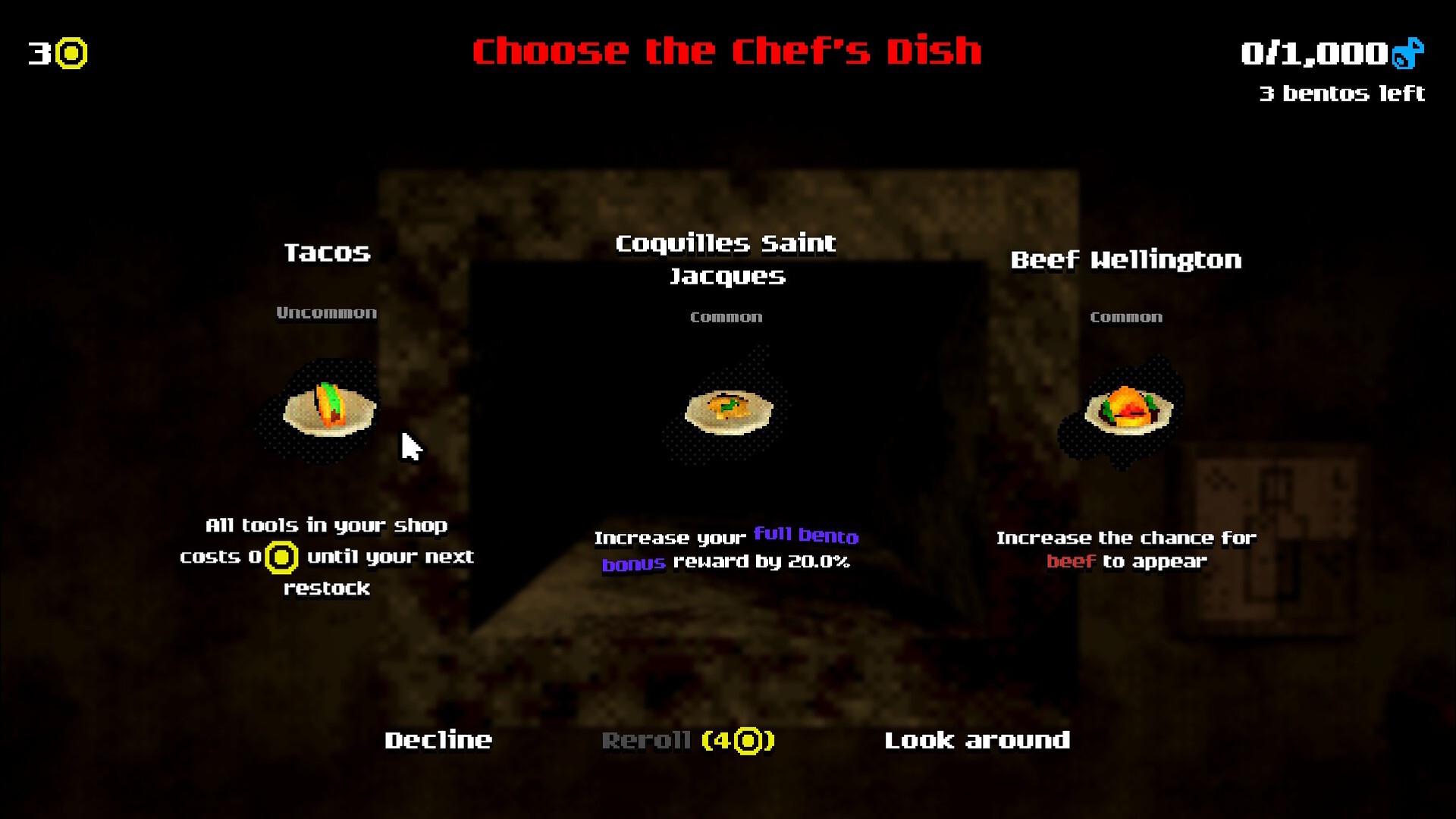
Guess what? A game called Don't Let It Starve already sounds like a joke, but that title works because it tells you the whole mood in three words. The project behind it is Make A 弁当 (bento, boxed lunch), a free release that wraps food prep, monster design, and rogue-lite pressure into one compact indie idea.
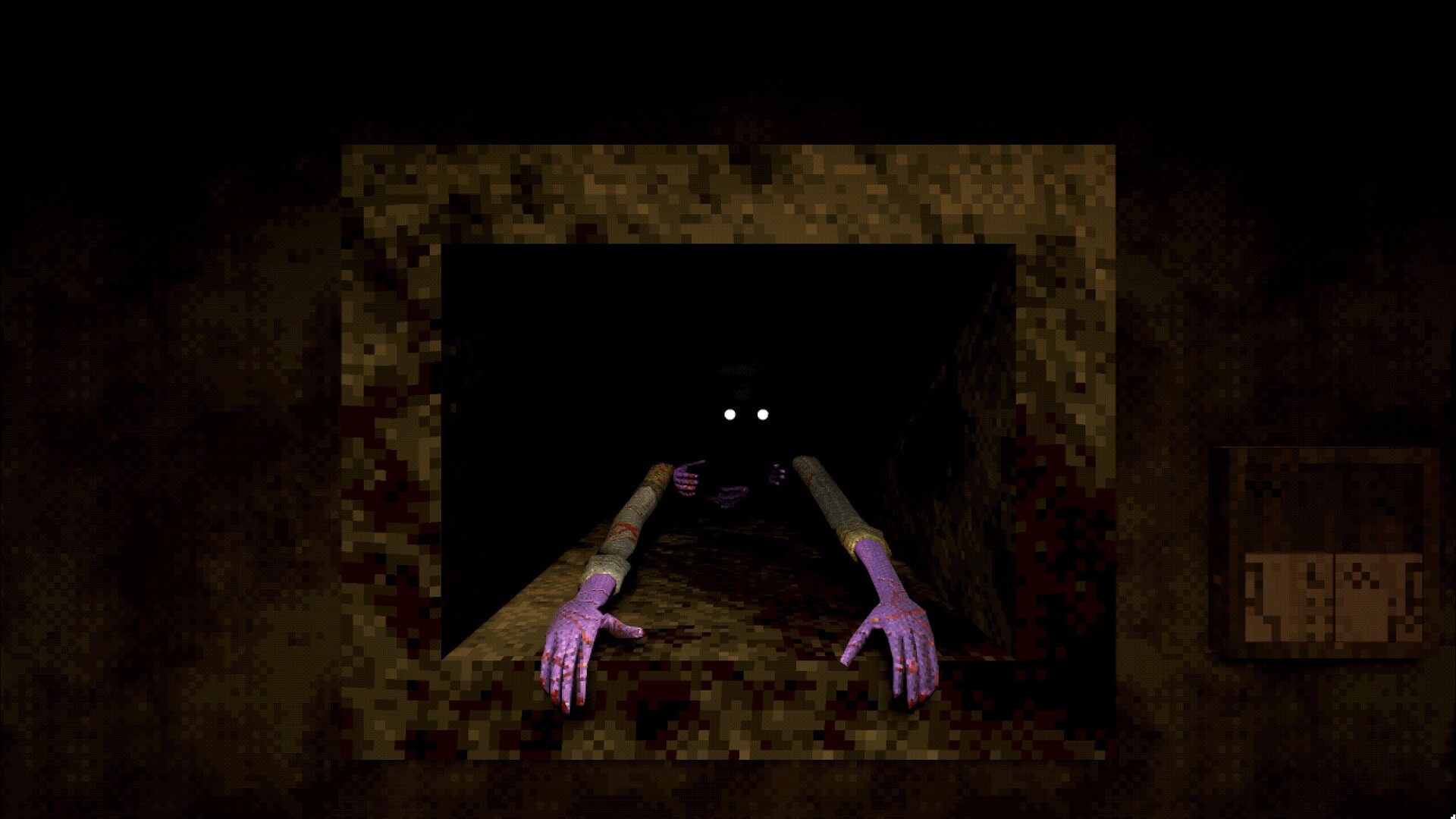
The setup is simple on paper, yet weirdly memorable. You're dealing with bentos, which are deeply familiar in Japanese daily life, while also feeding or handling monsters, so the whole thing lands between school-lunch nostalgia and creature-collector energy. For Japanese learners, that contrast is gold, because bento is one of those words you'll hear everywhere, from convenience store ads to home-cooking blogs, and here it gets pulled into a very different context. My tip: when a game uses a common word in a strange genre mash-up, remember it. That's how vocabulary sticks.
Here's the kicker: this isn't trying to be a huge blockbuster. It feels like the work of people who know that a sharp concept can carry a whole game if the execution has enough personality. A free release helps too, because players are far more willing to try something experimental when the barrier to entry is basically zero. Wait, there's more.
Why a monster-cook setting works so well in a Japanese indie game
Picture this: you're not just battling monsters, you're also thinking about what to cook, how to present it, and whether your food choices can survive the game's pressure. That kind of design is very close to the spirit of many Japanese indie games, where one strong hook is often more valuable than a giant budget. It also fits Japan's long love affair with cute food design, from character lunch boxes to themed cafe menus in Tokyo, Osaka, and beyond.
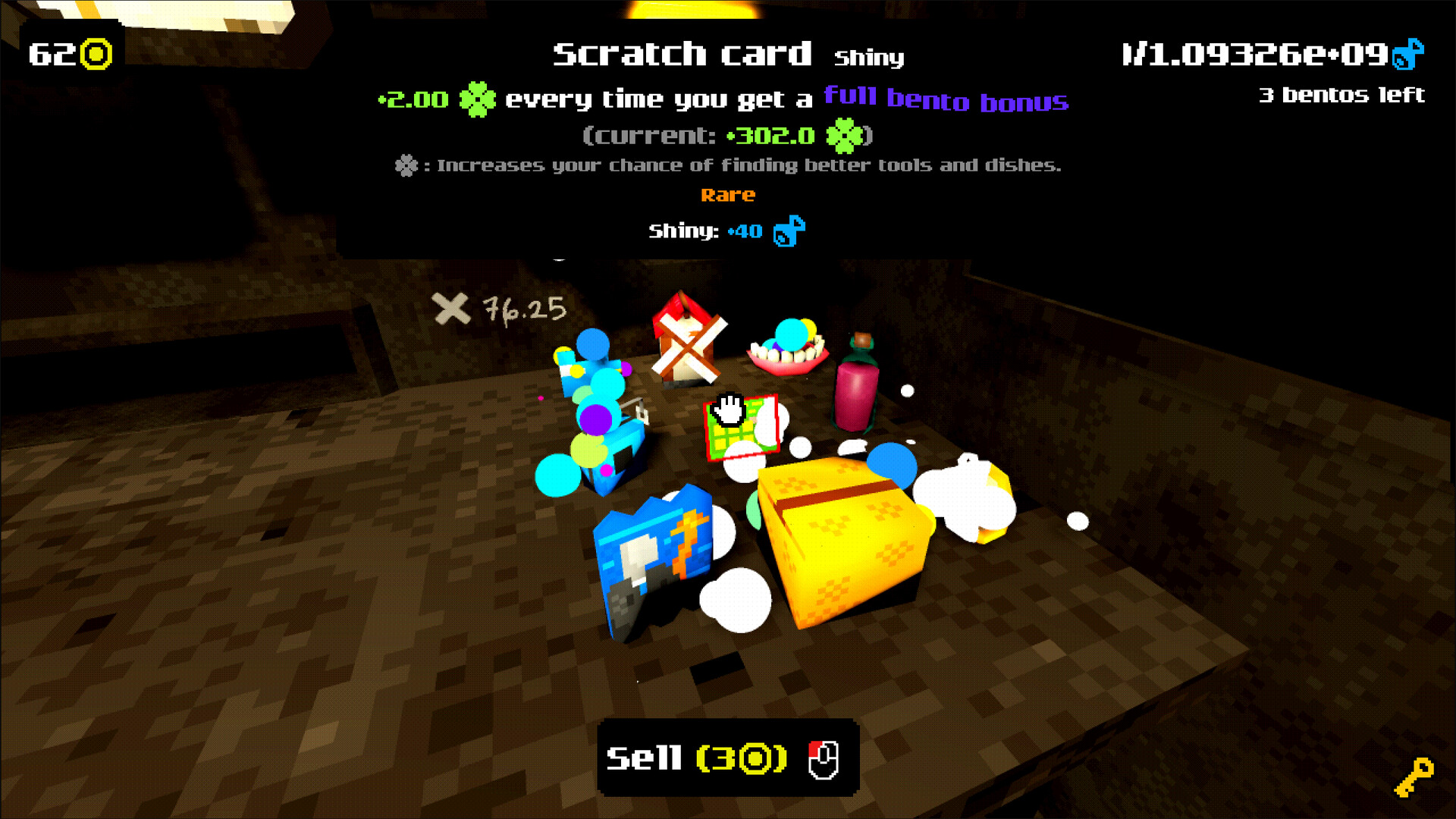
For example: bento culture isn't just about lunch, it's about care, presentation, and tiny acts of creativity. A neat box with rice, 卵焼き (tamagoyaki, rolled omelet), 唐揚げ (karaage, Japanese fried chicken), and a few colourful extras can feel almost like a mini artwork. So when a game builds an entire monster-cook setting around that idea, it taps into something instantly recognisable for Japanese players, while still being weird enough to stand out internationally. That's why Don't Let It Starve feels like more than just “cute food with monsters.” It feels rooted in a real cultural image.
On a related note: the monster angle keeps it from becoming sugary or predictable. Japan has a long history of making “可愛い (kawaii, cute)” things feel sharper, darker, or more surreal than expected, and this game seems to lean right into that tradition. The title itself is a little mischievous, almost like the game is warning you that things will go wrong if you get complacent. Pretty brilliant, really.
Why the tone matters for Japan fans
To be fair: plenty of indie games have clever mechanics, but not all of them have a visual identity that makes you want to talk about them the next day. This one does. The absurd-nice balance is exactly what Japan fans tend to enjoy, because it reminds us of those titles that look adorable at first and then hit you with real challenge, strange systems, or a surprisingly dark edge.
If you're learning Japanese, this is also a fun reminder that game titles can be a vocabulary lesson. Bento, monster, and starve are easy enough to grasp, but the cultural weight comes from the Japanese food idea behind the word. That makes the game a neat little bridge between language learning and pop culture, especially if you already follow anime, JRPGs, or niche indie releases from Japan. Personally...
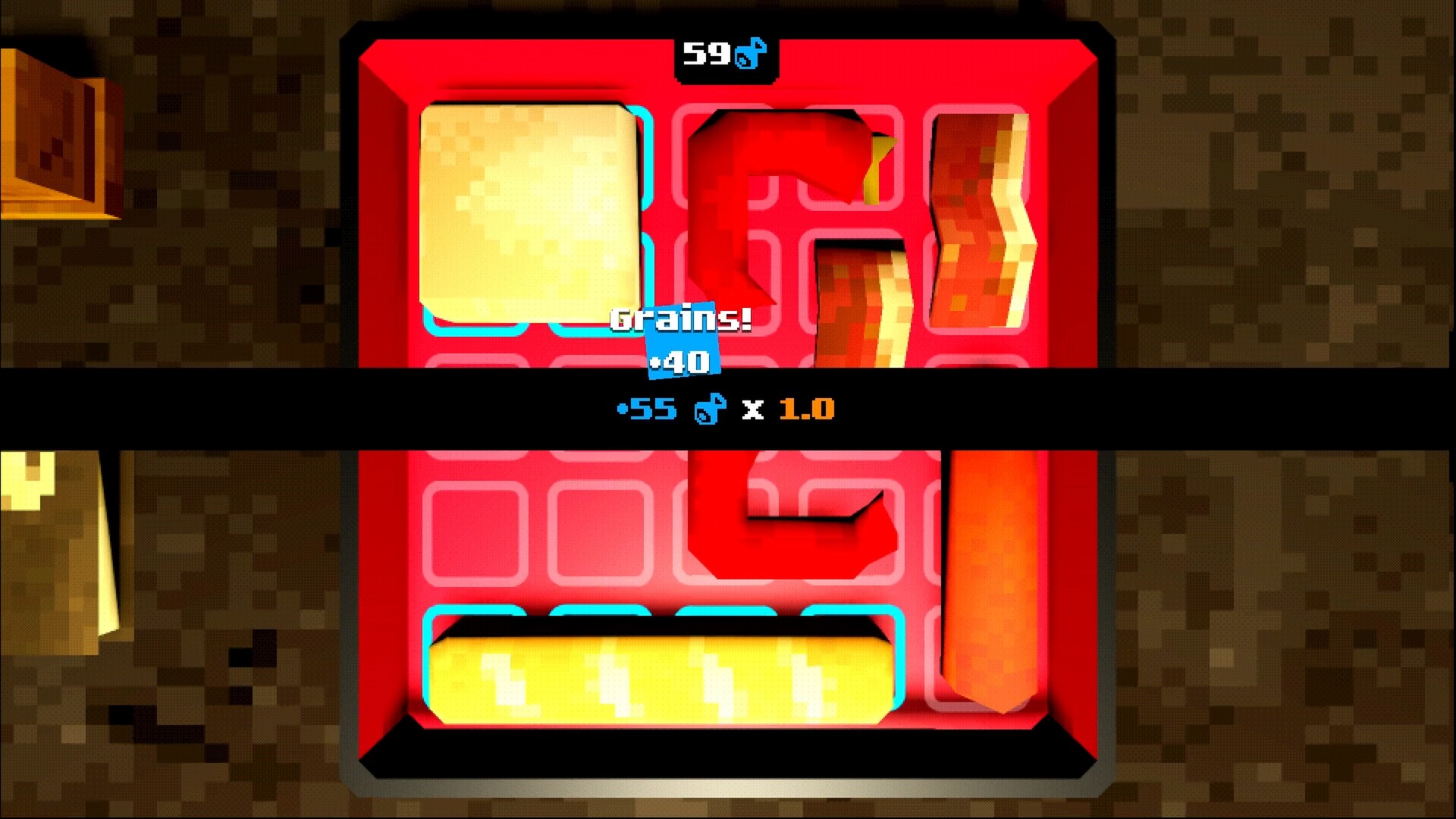
Free release hype: why Make A Bento is worth a look
No joke: free games get judged fast, and that's why a strong concept matters even more. Make A Bento doesn't just rely on “it's free” as a selling point, it uses that freedom to be experimental. If a game like this had a premium price tag, players might demand more explanation or polish upfront, but a free release invites curiosity first.
That brings us to the main appeal of the release model. Free Japanese indie games often spread through social media, word of mouth, and small news sites rather than giant marketing campaigns, which gives them a scrappier life cycle. A lot of fans discover them through posts on X, clips on YouTube, or mentions in game-news roundups, then share them because the concept is so odd it has to be seen. My verdict: that's the right path for something this strange, because the game is easier to appreciate when you approach it like a snack-sized curiosity instead of a major purchase.
Oh, almost forgot: the title Don't Let It Starve also does a lot of work from an English-learning angle. It uses a very plain structure, so even beginners can read the meaning instantly, and that simplicity makes the game name easy to remember. In a market full of long fantasy names and invented spellings, a short phrase with a sharp rhythm stands out fast. Wait, there's more.

What Japan learners can take from this odd little game
Here's the kicker: games like this are not just entertainment, they're cultural snapshots. If you enjoy Japanese language learning, you can use them to build a tiny word bank around food, creatures, and everyday objects. Start with bento, then add related words like お弁当 (obento, boxed lunch), kawaii, 料理 (ryouri, cooking; cuisine), and kitchen if the game or its surrounding material uses them. Even a short trailer or store page can give you useful listening and reading practice.
My tip: keep an eye on indie games that mix ordinary Japanese life with fantasy or horror. They often teach you more about tone and context than textbook examples do. A lunch box in one game can become a survival object in another, and that shift tells you a lot about how Japanese creators like to play with everyday culture. It also makes learning feel less dry, which is half the battle.
If this release is anything to go by, Make A Bento is exactly the sort of tiny, offbeat project that Japan game fans should celebrate. It's cute, a bit chaotic, and confident enough to make a monster kitchen feel normal for a minute. That's a strong sign, especially for a free release. Personally, I'd keep this one on my radar.
In pictures
Frequently Asked Questions
What is Don't Let It Starve?
It is the title linked to the free indie game Make A Bento, which mixes bentos, monsters, and rogue-lite mechanics.
Is Make A Bento a paid game?
No, it was released for free.
Why would Japanese learners care about this game?
It uses common food and culture themes, so it can help learners connect vocabulary with memorable context.


