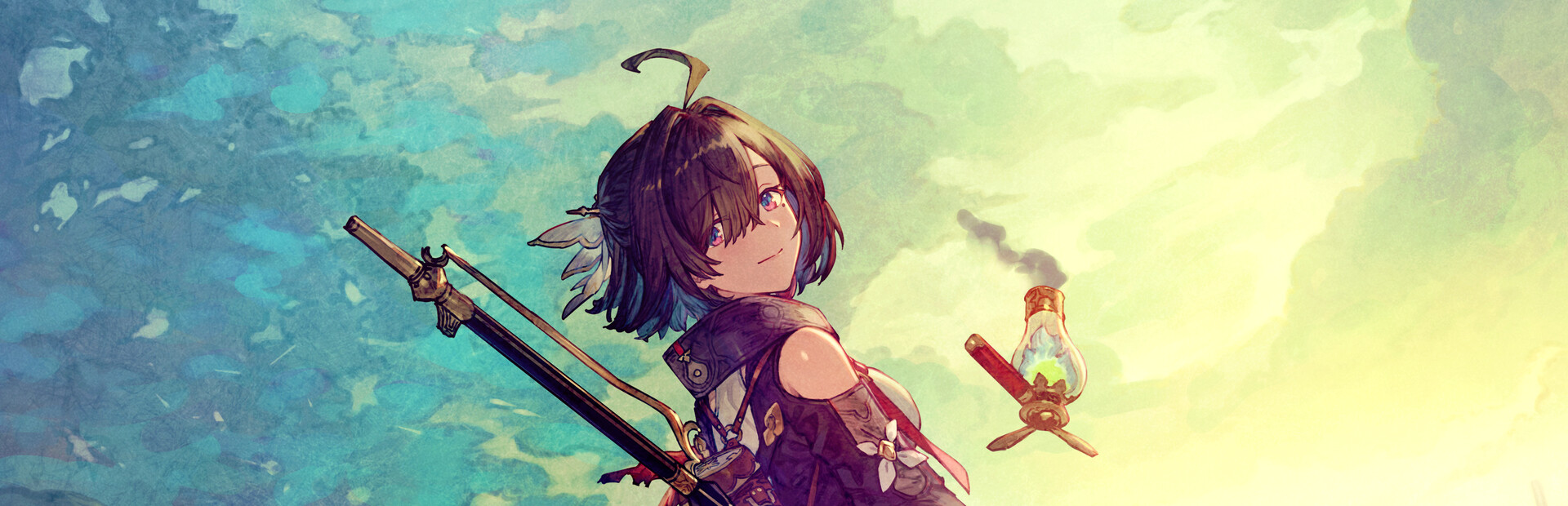
Here’s the thing: Gust’s latest Atelier game already has a very specific vibe, lots of colour, a soft storybook look, and a world that wants to feel cosy rather than punishing. The Switch 2 Edition doesn’t turn it into a different game, but it does smooth out the rough edges enough that the comparison with the original Switch version becomes genuinely interesting.
![Dragon Ball Z: Kakarot [Master Edition]](https://s.pacn.ws/1/p/1eh/dragon-ball-z-kakarot-master-edition-908785.1.jpg?v=t8ja8t&width=400)
![Startup Company [Console Edition] (Limited Edition)](https://s.pacn.ws/1/p/157/startup-company-console-edition-limited-edition-741799.16.jpg?v=ry4mm8&width=400)
![Startup Company [Console Edition]](https://s.pacn.ws/1/p/157/startup-company-console-edition-741779.10.jpg?v=ry4ngq&width=400)
Did you know that Atelier Yumia: The Alchemist of Memories & the Envisioned Land launched in Japan on 21 March 2025, with Gust and Koei Tecmo pushing the series further towards open-field exploration? That date matters here, because the game arrived right as players started asking a very practical question, is the Nintendo Switch 2 version really worth it over the original Switch release?
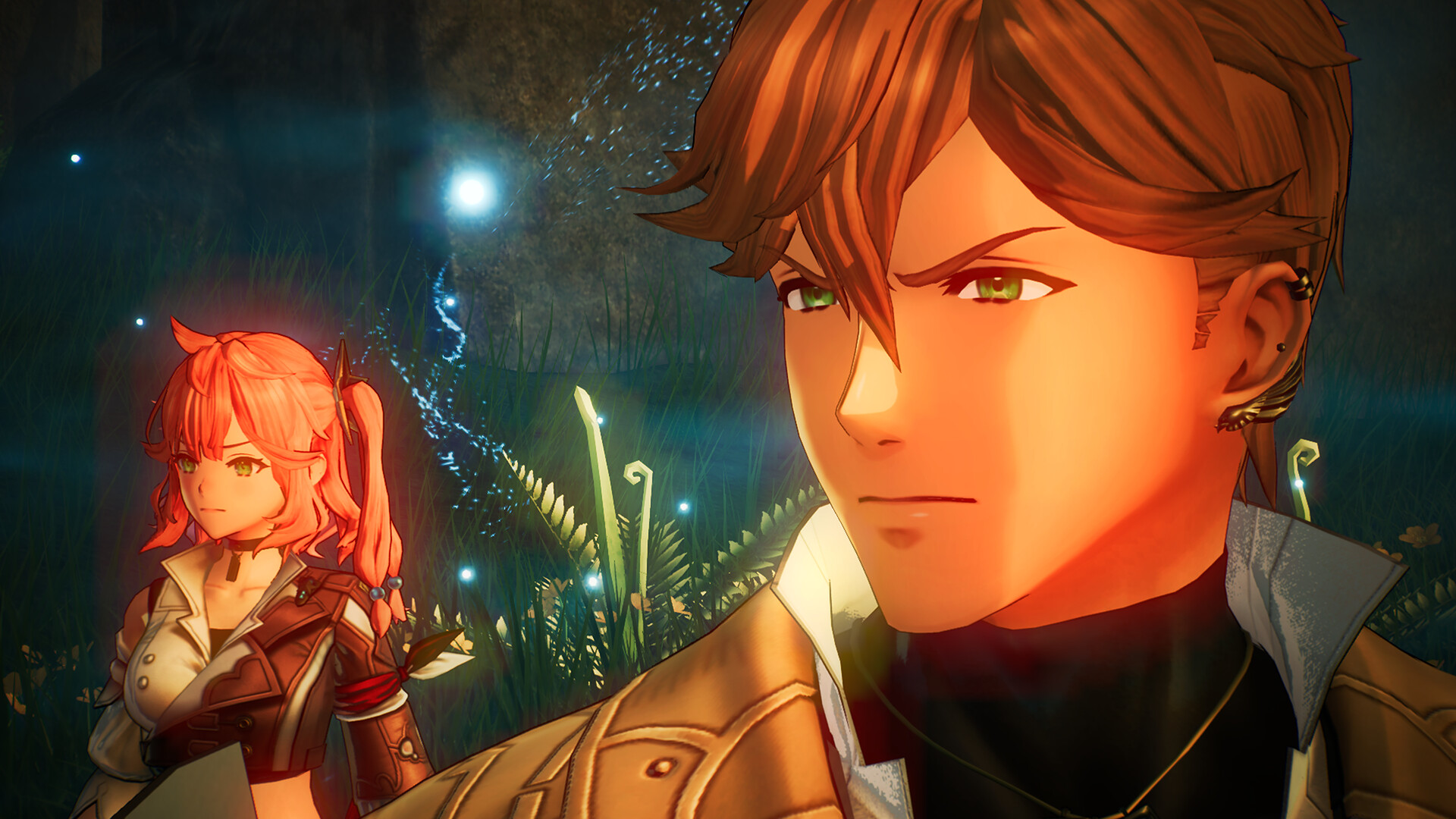
To be fair, this isn’t some giant remake with new content stitched in. It’s a technical comparison, plain and simple, and for Japan fans that makes it even more useful. If you’re learning Japanese, you’ll also notice how often the series leans into words like 未来 (mirai, future), 記憶 (kioku, memory), and 哲学 (tetsugaku-style, philosophy-like; philosophical) mood language, the kind of soft, reflective vocabulary that shows up all the time in JRPG dialogue. Convinced yet?
Switch 1 vs Switch 2 Edition: what actually changes
Unlike what we’re used to with a lot of cross-gen releases, the difference here isn’t just a number on the box. The Switch 2 Edition of Atelier Yumia benefits from stronger hardware in a way you can feel almost immediately, especially when you move between towns, fields, and battle scenes. The original Switch version is playable, but it often feels like it’s fighting the hardware a bit, while the Switch 2 build simply breathes more easily.
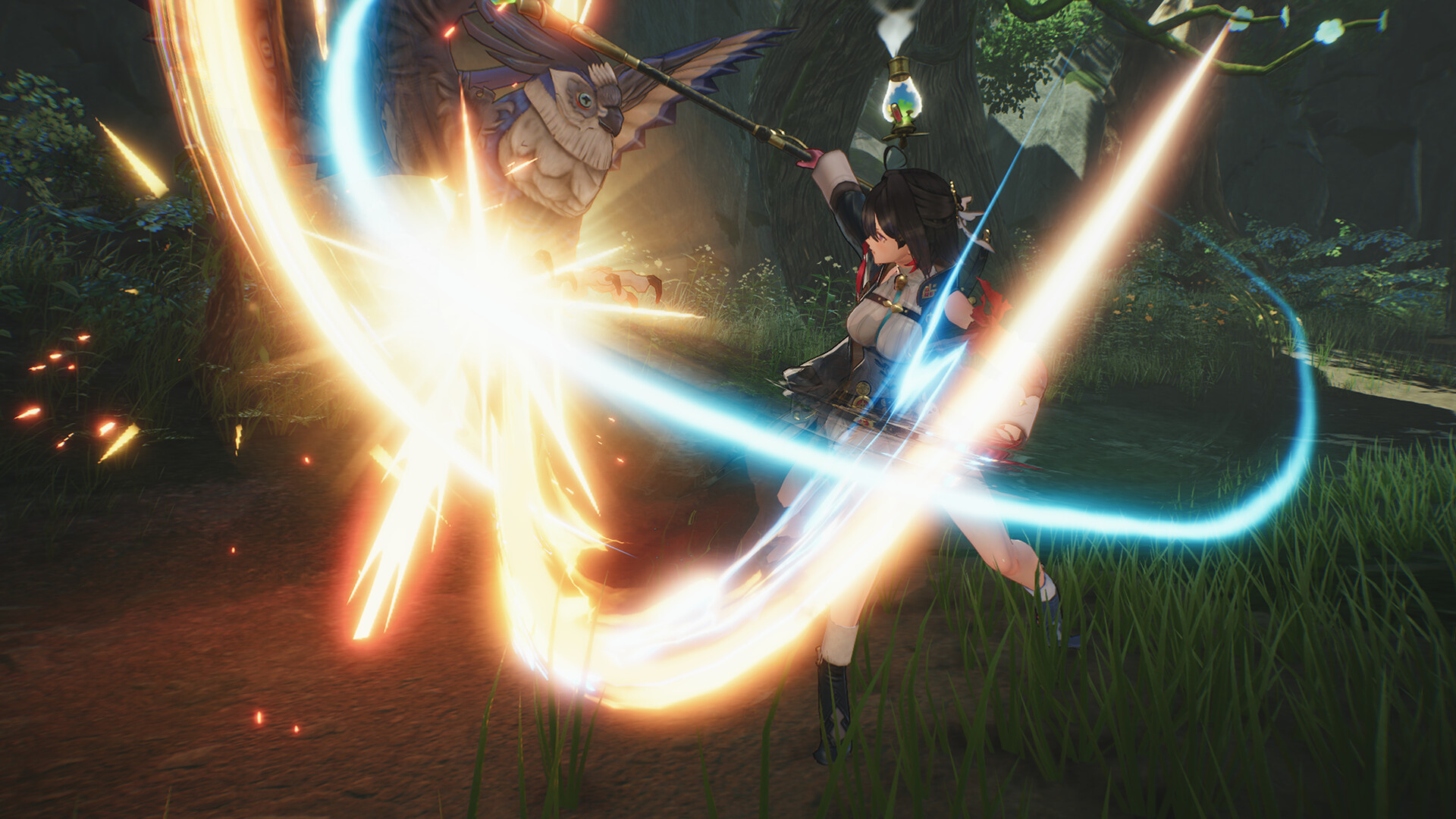
What many overlook: Atelier games aren’t only about battles, they’re about movement, gathering, and looking at the world. That means a steadier frame rate matters more than people expect, because the whole loop depends on exploration feeling relaxed. If the game stutters while you’re riding around a field or opening the map, the mood breaks. On Switch 2, that friction is reduced quite a lot.
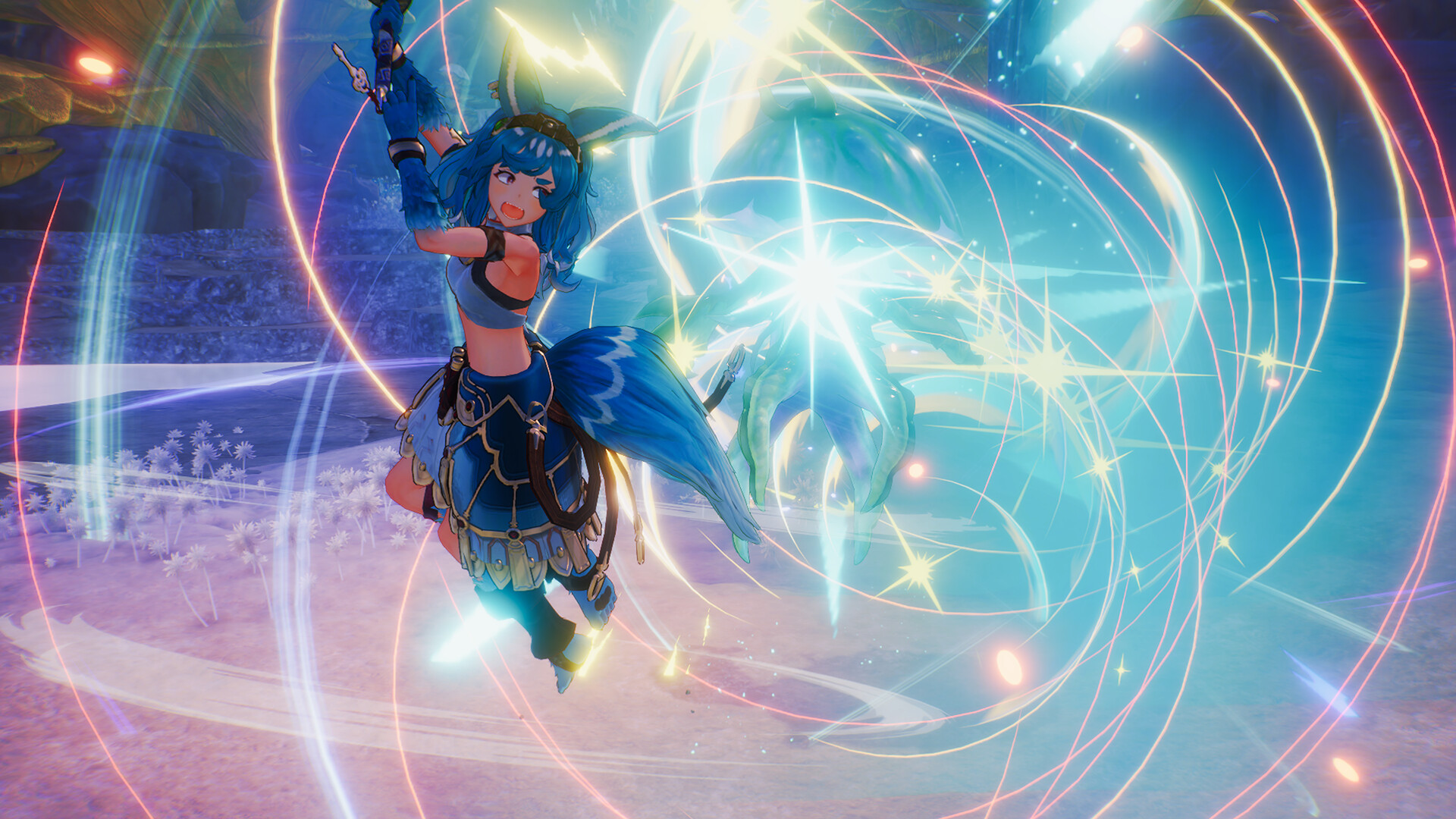
A good example: when you step into busier areas, the Switch 1 version can show obvious slowdowns and heavier loading pauses, while the Switch 2 Edition keeps the pacing much closer to what you’d hope from a modern JRPG. It still doesn’t feel like a high-end PS5 showcase, of course, but it no longer feels like a compromise first and a game second. My tip: if you care about the flow of play more than raw portability, the upgraded version is the one to watch. My verdict: the gap is real, and it’s not subtle.
Visuals: softer art on Switch 1, cleaner image on Switch 2
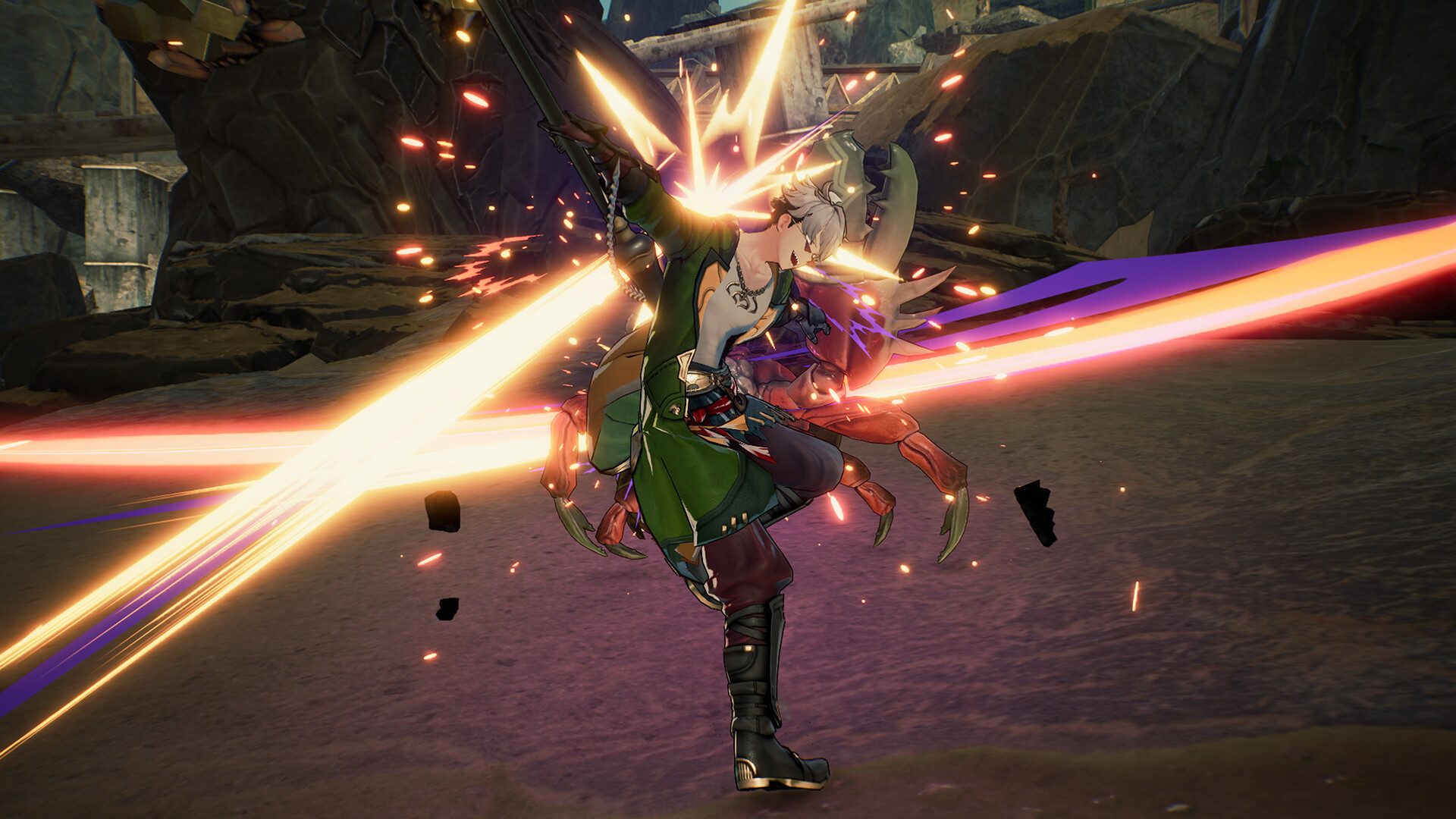
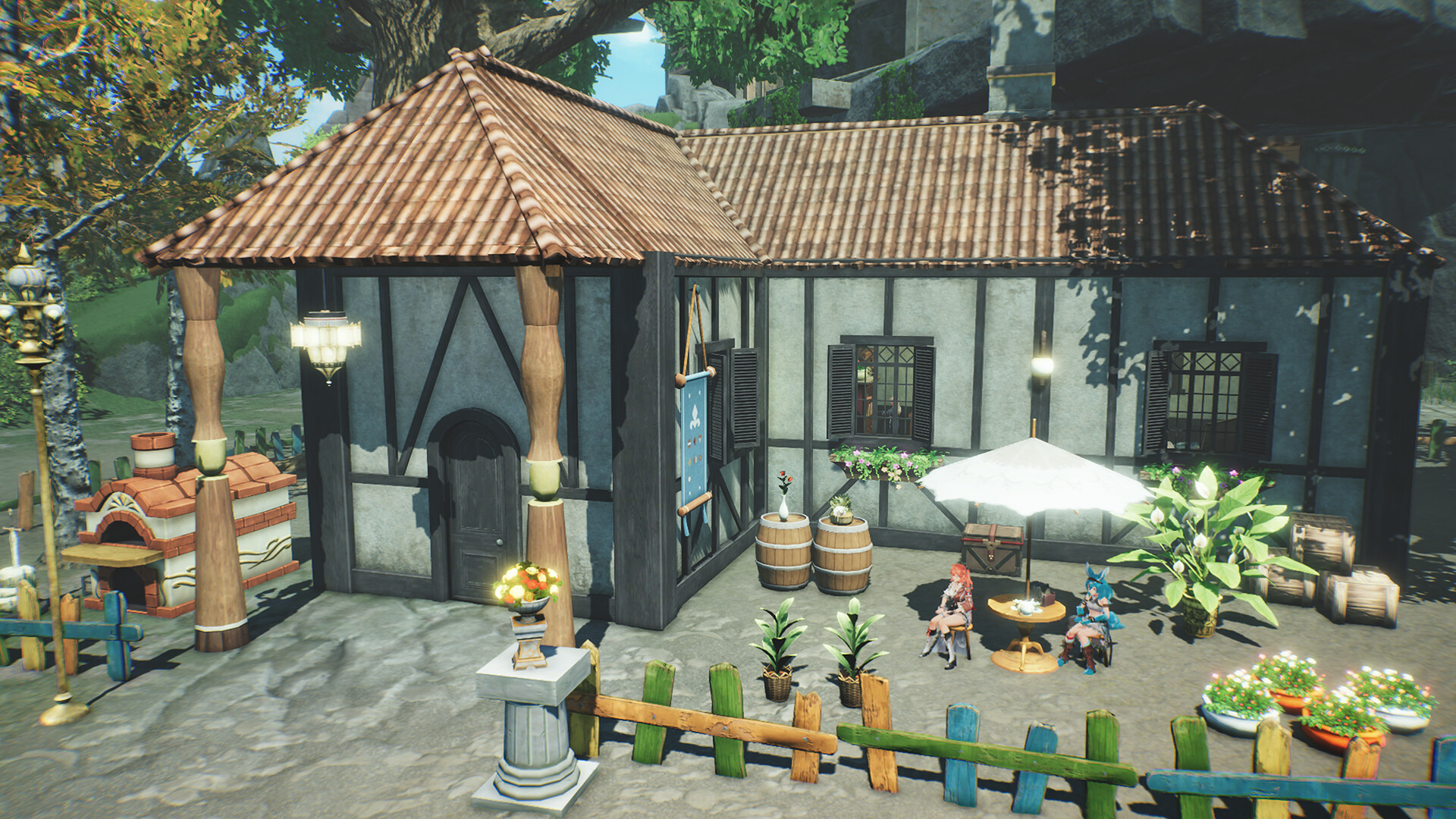
Ever wondered why some games look fine in screenshots but less convincing while you’re actually playing? Atelier Yumia is a good example, because its art direction uses bright skies, light bloom, and delicate environmental detail, which can look lovely on a stronger display and a bit muddy when compressed by weaker hardware. The Switch 1 version tends to soften edges, reduce clarity, and make distant scenery blurrier than it should be.
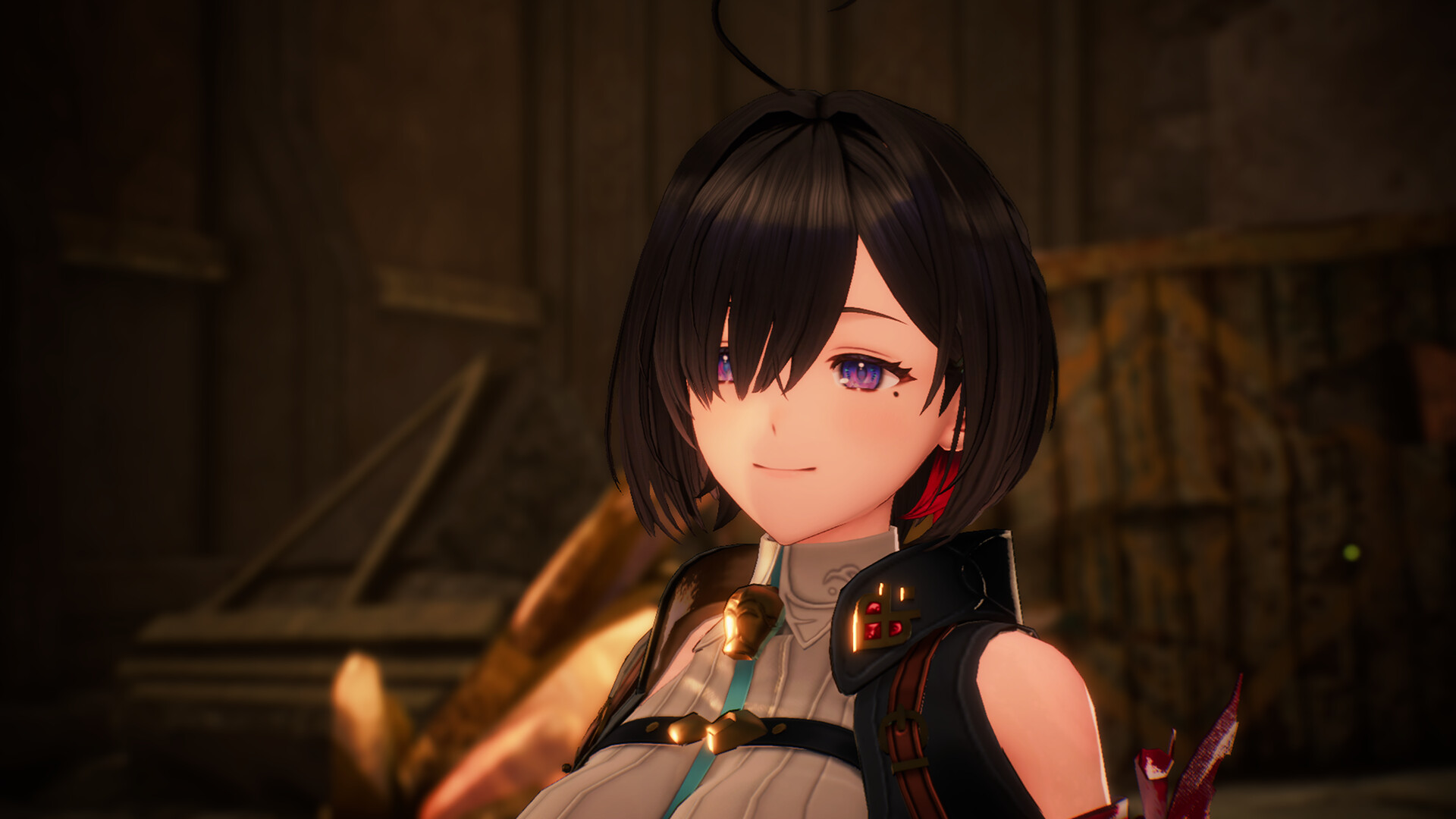
Plot twist: the Switch 2 Edition doesn’t suddenly make everything razor sharp, but it does improve the presentation enough that the game’s style comes through better. Textures look cleaner, the image holds together more consistently, and character models feel less like they’re being squeezed by resolution limits. That matters in a series like Atelier, where costume design, colour gradients, and tiny visual flourishes are part of the appeal.
Oh, and almost forgot: on the original Switch, foliage and shadows can feel noticeably simplified, and that can flatten the world a little. On Switch 2, the scene has more depth, even if it still isn’t trying to compete with a full TV console powerhouse. If you’ve ever spent time in a ryokan lobby and noticed how lantern light changes the feel of a room, this is a bit like that, the same place, but with the atmosphere tuned more carefully. Not bad, right?
Frame rate and load times, the real quality-of-life test
Here's the thing: for a game built around repeated movement, crafting trips, and battle transitions, the biggest difference is often not the obvious one. It’s the frame rate. The Switch 1 version can dip in situations that don’t look especially dramatic, which is exactly the sort of thing that annoys you after an hour, not after five minutes.
The Switch 2 Edition feels much steadier, and that steadiness changes the whole rhythm. Running through an area, triggering fights, opening menus, and returning to exploration all feel more connected. Load times also drop enough that you stop mentally preparing for the next pause. That sounds small, but for a JRPG, it’s huge.
That reminds me: Japanese learners often hear the word 間 (ma, space; pause), meaning space or pause, and this is a case where too much ma isn’t a good thing. The original Switch version has too much of it between actions. Switch 2 trims the dead time, which makes the alchemy loop, the gathering loop, and the story loop all feel more cohesive. Sounds good, right?
Who should choose which version
Picture this: you’re a Japan fan who loves Atelier for its mood, its subtle worldbuilding, and its comfortable pacing, not for ultra-hard combat. If that’s you, the Switch 2 Edition is the better choice, especially if you plan to play handheld and want a cleaner, smoother ride. It feels closer to how the game was meant to play.
To be fair, the Switch 1 version still has a place. If you already own it, and you’re satisfied with the experience, you don’t need to panic-buy another copy unless the performance issues really bother you. But if you haven’t started yet, and you have access to Switch 2 hardware, the upgrade is easy to recommend. The improved image quality and shorter load times aren’t luxuries, they’re quality-of-life fixes that make a noticeable difference.
What I especially like: this comparison shows how much a JRPG depends on technical comfort. Atelier Yumia isn’t trying to be flashy in the way that a giant action game does. It’s trying to keep you inside its calm little world. When the hardware supports that goal, the whole experience lands better. Highly recommended: pick the version that lets you stay in that flow without interruption. Convinced yet?
If you want more Japan culture, game coverage, and language-friendly reading, check out more Japan news on jpnerd.com.
In pictures
Frequently Asked Questions
Is the Switch 2 version of Atelier Yumia worth it?
Yes, especially if you care about smoother performance, cleaner visuals, and faster loading.
Does the original Switch version still play well?
It does, but it shows more slowdown and softer image quality, so the experience feels less polished.
Which version is better for handheld play?
The Switch 2 Edition is the stronger handheld choice because it keeps the game feeling more stable.