

Basically, this isn’t just another promo poster and a hand-wavy announcement. It’s a concrete event, with dates, venue details, and a clear connection to the Toei anime rollout, which makes it feel much more substantial for fans and Japanese learners alike.



Akane-banashi gets a real exhibition, not just a teaser campaign
Akane-banashi is moving into a new phase, because the TV anime adaptation has now been paired with a dedicated exhibition announcement. If you’ve been following 少年 (shonen, boys' manga) manga news in Japan, you’ll know how often titles get a key visual, a PV, and then a long wait. This time, there’s a concrete offline event attached to the project, and that makes the whole rollout feel much more alive.
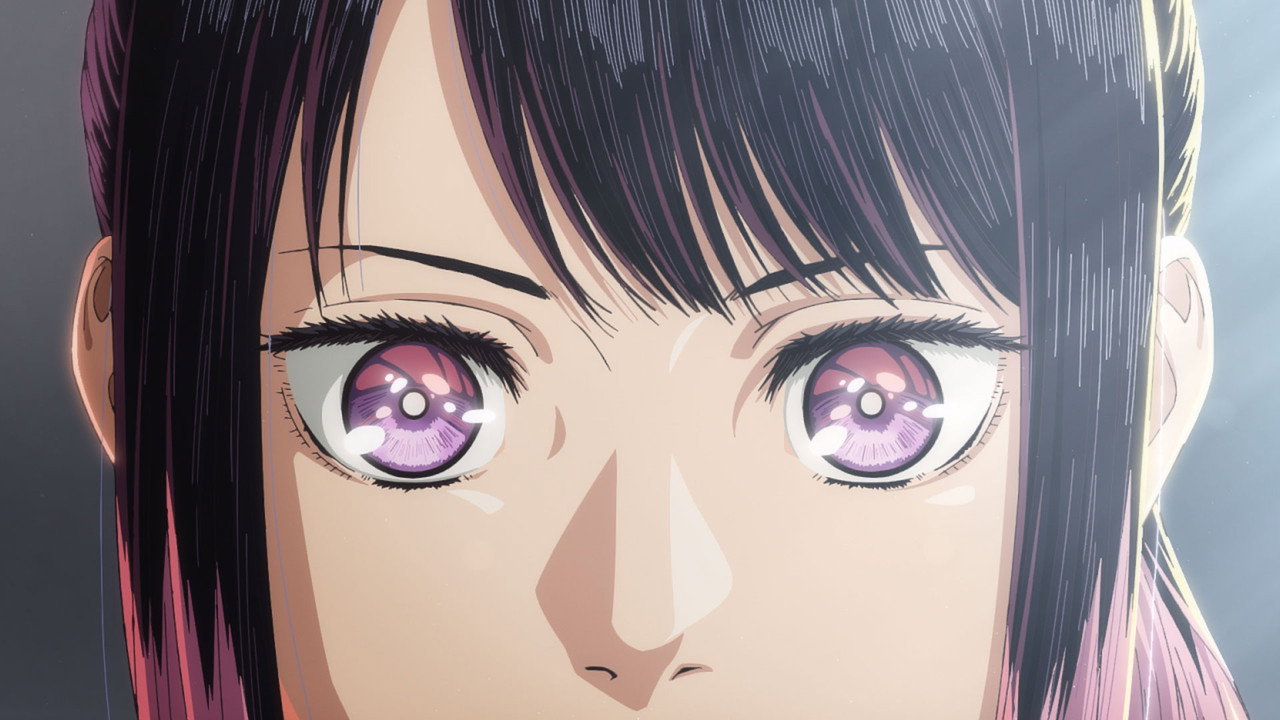
Here’s the thing: the original PR Times release frames this as part of the anime’s launch momentum, with Toei linked to the production context. That matters, because Toei Animation has the kind of reach that can turn a promising adaptation into a proper talking point across the anime and manga community. The exhibition gives fans a place to gather, look at materials, and celebrate the series before the broadcast hype really takes over. Not bad, right?
For Japanese learners, this kind of news is also great reading practice. Words like 展示 (tenji, exhibition; display), kinen, 会場 (kaijo, venue; event hall), and 開始 (kaishi, start; opening) show up often in event announcements, and once you get used to them, Japanese PR articles become much easier to scan. My tip: when you see an announcement like this, look for the place name, the opening period, and the tied-in title. That’s usually where the practical information lives.
What I especially like is that Akane-banashi is a series built around 落語 (rakugo, traditional comic storytelling), so the exhibition angle actually fits the story world. Rakugo is all about performance, timing, and presence, and an exhibition can echo that atmosphere through displays, visuals, and production notes. That’s genuinely fitting.
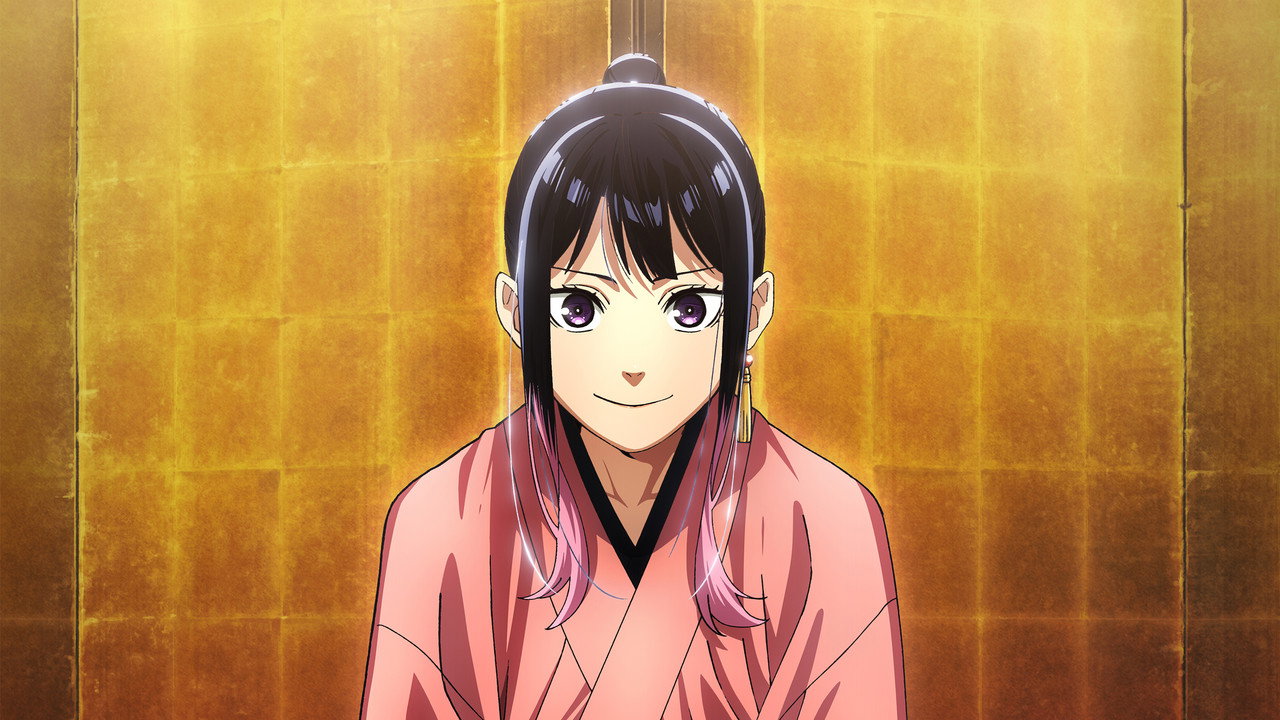
That reminds me: anime exhibitions in Japan are often more than wall decorations. They can include key visuals, rough sketches, character panels, voice cast messages, and special merchandise. If this Akane-banashi event follows that pattern, visitors will likely get a better sense of how the adaptation was built, not just a quick marketing hit. Personally...
Why Akane-banashi and Toei make this announcement worth watching
Toei’s name changes the tone of the announcement, because it signals a production setup that can support a wider promotional push. The company has decades of experience with long-running TV anime, theatrical releases, and seasonal event strategies, so when a title gets this kind of PR treatment, it usually means the publisher and studio want attention to last longer than a single day.
A great example: when a major manga gets an anime project, Japanese publishers often build a ladder of announcements. First comes the anime confirmation, then staff, then cast, then a visual or trailer, and finally live events or exhibitions. Akane-banashi now has that live-event piece, which makes the whole campaign feel more complete. That’s why fans should keep an eye on the next update, because exhibition news often comes before more detailed broadcast information.
The manga itself has already earned a loyal following for doing something many readers love, which is taking a traditional Japanese art form and making it feel fresh. If you’re learning Japanese, the series is also useful culturally, since rakugo vocabulary, honorific speech, and performance language can give you a richer sense of how Japanese works on stage and in everyday storytelling. That connection between language and art is one reason this title stands out.

What this means for anime fans on the ground
In practical terms, an exhibition gives fans a reason to travel, queue, and actually spend time with the series. Japanese anime events are often tied to limited merchandise, illustration displays, and photo spots, so they become mini pilgrimages for collectors. If you’ve ever visited an anime collaboration cafe or a character shop in Tokyo, you already know the vibe, and this should feel similar, just more focused on the story and the adaptation.
By the way, event announcements like this usually hint at stronger confidence from the publisher side. They don’t guarantee everything, of course, but they do suggest that Akane-banashi is being treated as a title with long-term value. Wait, there’s more.
What Japanese learners can take from the announcement
Let me show you why this matters beyond fandom. News like this is a useful bridge between Japanese study and real entertainment culture, because it teaches you how Japan announces anime projects in public. Terms such as 出発 (shuppatsu, departure; setting off), 記念展 (kinen ten, commemorative exhibition), and kaihō might show up in related articles, while place names and dates are usually written very clearly. Once you learn to spot them, you won’t feel lost in Japanese press releases.
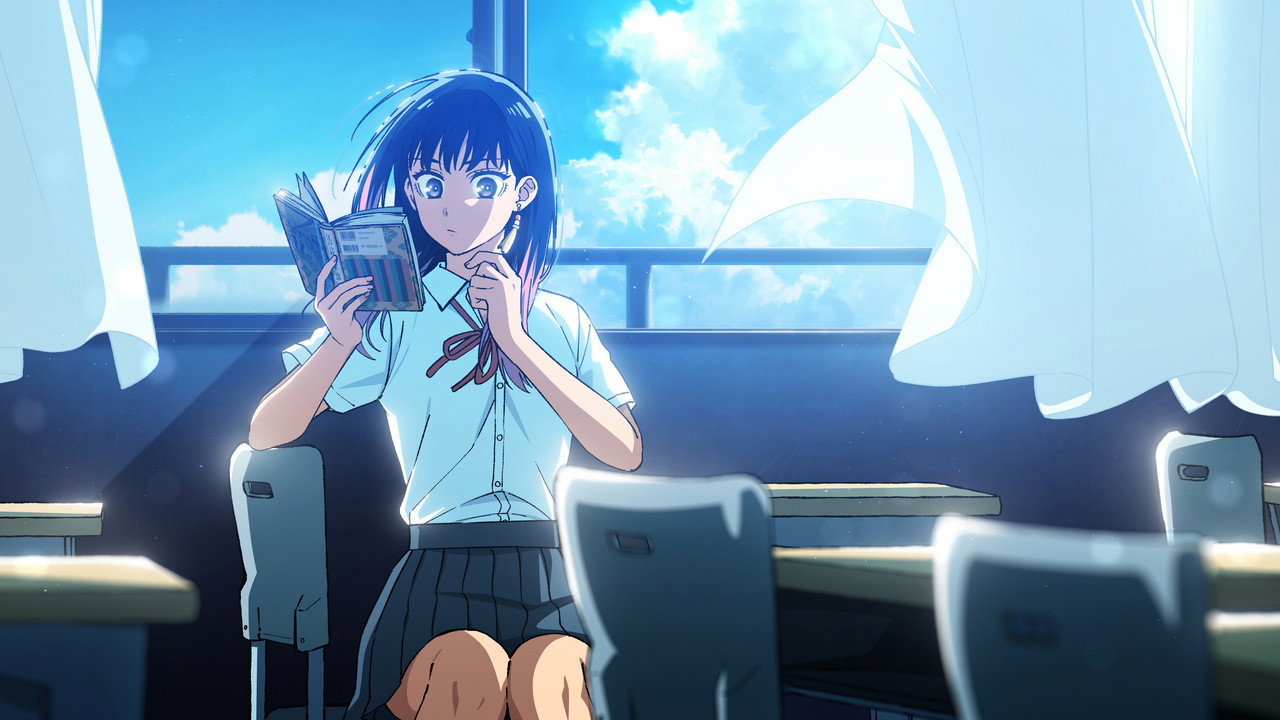
It’s early morning in Kyoto. You’re scrolling through anime news, and an exhibition announcement pops up for a title you already know. Suddenly the vocabulary feels less abstract, because the words are tied to a real event, a real venue, and a real release plan. That kind of context is gold for memory. Sounds good, right?
And there’s a cultural bonus too. Rakugo is a performance tradition with a long history, and Akane-banashi brings that world to a younger anime audience. If you’re studying Japanese, this is a great reminder that language learning isn’t only about textbooks. It’s also about the living culture around the language, from stage arts to fan events to the way publishers talk about their works. This is my absolute hidden gem!
Oh, almost forgot: if you enjoy Japan news like this, it’s worth following how exhibition announcements are phrased. The wording often tells you whether the event is a simple display, a full-scale special exhibition, or a release-linked campaign. That kind of detail can help you read Japanese press releases faster and with more confidence. Personally, I think that’s where the real fun starts.
For more updates like this, check out more Japan news on jpnerd.com.
In pictures
Frequently Asked Questions
What is Akane-banashi?
It is a manga series about rakugo performance, now being adapted into a TV anime.
Is the exhibition connected to the anime?
Yes, it is being announced as part of the anime’s release and promotion context.
Why is Toei important here?
Toei is a major anime studio, so its involvement suggests a serious promotional push.


