
If you like your Japan food news with a bit of travel context and a bit of green tea drama, this one’s properly worth a look. And if you’re learning Japanese, there are a few useful bits of vocabulary hiding in plain sight, which is always a pleasant little bonus.
![Dragon Ball Z: Kakarot [Master Edition]](https://s.pacn.ws/1/p/1eh/dragon-ball-z-kakarot-master-edition-908785.1.jpg?v=t8ja8t&width=400)


Bontemps in Osaka: 20 new drinks, and one very loud headline
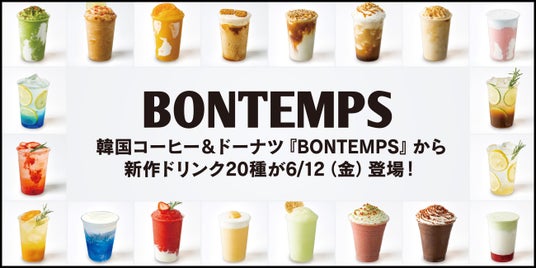
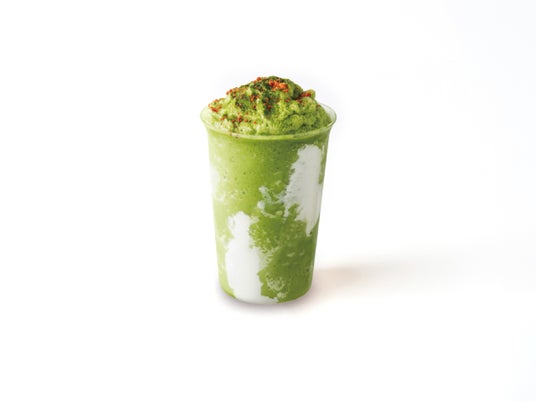
No joke: Bontemps has dropped 20 new drinks in Japan from 12 June, and the star of the show is Strawberry 抹茶 (matcha, powdered green tea) Foam. That name does a lot of heavy lifting, but it also tells you exactly what kind of brand we’re dealing with, the sort that looks at a perfectly decent cup of matcha and thinks, yes, but what if we made it more strawberry, more creamy, and more likely to end up on social media.
The launch matters because it isn’t just a one-off seasonal gimmick. It’s part of a broader brand push that ties Osaka to Bontemps’s expansion across Japan. The company only came to Japan in 2023, so this is still a relatively fresh arrival, not one of those chains that feels as if it’s been quietly lurking in the background since the Heian period. And yet, in a short time, it’s already started building a recognisable identity around coffee, desserts, and drinks that lean into the playful side of Japanese cafe culture. Convinced yet?
For Japan fans, that makes the news worth watching on two levels. First, there’s the product side, where strawberry and matcha meet in a foam-topped, dessert-forward drink. Second, there’s the business side, because Osaka is often where brands test the waters before widening out across the country. It’s a city that knows how to eat, how to queue, and how to decide whether something’s worth coming back for, which is rather useful if you’re trying to build a drink empire.
Why Strawberry Matcha Foam fits Japanese cafe culture so neatly
Let’s be honest: strawberry and matcha are already halfway to being a Japanese cafe cliché, but in the best possible way. One brings sweetness and colour, the other brings bitterness, depth, and that quietly assertive green tea note that Japanese learners will see everywhere, from sweets to lattes to Instagram captions. Put them together and you get the sort of flavour pairing that feels modern without being random, which is harder to pull off than it sounds.
What I especially like is the foam angle. Foam in Japan is never just foam. It tends to be treated as a texture, a topping, a tiny bit of theatre, and occasionally the difference between “fine” and “I’ll be thinking about this for the next three trains.” Strawberry Matcha Foam sounds designed to give you that layered experience, fruity at first, then earthy, then creamy, with the sort of finish that makes you pause and stare at the cup as if it’s just said something clever. My tip: if you order something like this in Japan, don’t rush it. Take a sip, then another, and let the contrast do its job.
By the way: if you’re learning Japanese, this is a nice moment to pick up some useful food vocabulary. Matcha is, naturally, matcha. Strawberry is 苺 (ichigo), and foam would usually be described as フォーム (foamu) in everyday brand language. You’ll also see words like ドリンク (dorinku) for drink and a lot of English-style branding around cafes, because Japan loves adopting foreign words and then styling them with immaculate confidence. No wonder, because the country has turned cafe menus into a small language lab with better lighting.
Seriously though: Bontemps is tapping into something very real here. Japan’s cafe scene has room for novelty, but only when novelty has a point. A strawberry matcha drink works because it sits right between dessert and tea, two categories Japanese customers already understand and enjoy. That is the trick, really. Make it familiar, then make it slightly more indulgent than expected. Wait, there’s more.
Osaka first, but the expansion is clearly national
Picture this: you’re in Osaka, you spot a new Bontemps drink board, and suddenly the menu looks like it’s been drafted by someone with a sugar rush and an eye for branding. That’s not a criticism, by the way. Osaka is exactly the kind of place where a bold cafe concept can get noticed quickly, especially if it has enough visual punch to stand out in a city that already runs on energy, food obsession, and the occasional very confident billboard.
The Osaka connection matters because it gives the launch a real-world anchor, not just a neat press-release flourish. Bontemps isn’t positioning these drinks as some remote headquarters experiment. It’s grounding the release in a city with an established food identity, then using that momentum to support a wider rollout across Japan. That’s why the 20-drink launch feels more strategic than it first appears. It’s not only about one seasonal hit, it’s about showing that the brand can scale nationally without losing its sense of play.
What this says about Bontemps as a Japan brand
Trust me on this one: when a foreign brand enters Japan in 2023 and starts expanding with a menu this broad, it’s trying to do more than sell a few nice drinks. It’s trying to become part of the local cafe rhythm. That means understanding how Japanese customers respond to limited-time items, photogenic drinks, and menu language that balances style with clarity. Bontemps seems to understand that a little better than most.
There’s also something very Japanese about the way expansion gets framed here. It’s rarely just “we are in the market now.” It’s Osaka first, then elsewhere, then maybe everywhere if the timing and the response are right. Steady, deliberate, practical. And then, of course, wrapped in a drink with strawberry foam on top, because Japan rarely resists a bit of visual flair when the substance is there too.
My verdict: this is exactly the sort of food-and-brand update that tells you where Japan’s cafe culture is headed, at least for the moment. Sweet, photogenic, slightly theatrical, and carefully tied to place. That’s a pretty decent formula, all things considered.
Why Japanese learners should pay attention to drink launches like this
Ever wondered why cafe news is so useful for Japanese learners? Because it’s packed with everyday language, brand naming patterns, seasonal vocabulary, and the social habits that sit around food in Japan. A launch like Bontemps’s gives you more than a product story, it gives you a small slice of how people talk about taste, trends, and limited-time offerings.
For example, words like seasonal, limited-time, and new release show up constantly in Japanese food marketing, and if you spend any time in Japan you’ll see the whole culture of kirawareta? No, that’s not the right mood at all. More like the culture of “let’s try the new thing before it disappears.” That sense of urgency is part of the fun. It’s why people line up for seasonal parfaits, why convenience stores keep changing their shelves, and why a drink like Strawberry Matcha Foam can suddenly become a talking point far beyond one cafe counter.
And if you’re building your Japanese vocabulary, this kind of brand update is a good excuse to notice how katakana words, native Japanese words, and English brand language all sit together in the same sentence. Japan does this constantly, and once you start noticing it, you’ll see it everywhere. All here, all in one drink menu.
If you want more Japan food and culture updates like this, you can keep browsing more Japan news on jpnerd.com.
Frequently Asked Questions
What is Bontemps launching in Japan?
Bontemps is launching 20 new drinks in Japan, led by a Strawberry Matcha Foam drink.
When do the new drinks start?
The drinks launch on 12 June in Japan.
Why is Osaka mentioned so prominently?
Osaka is tied to the launch as a key location for the brand’s Japanese growth, and it fits the company’s wider national expansion plans.


