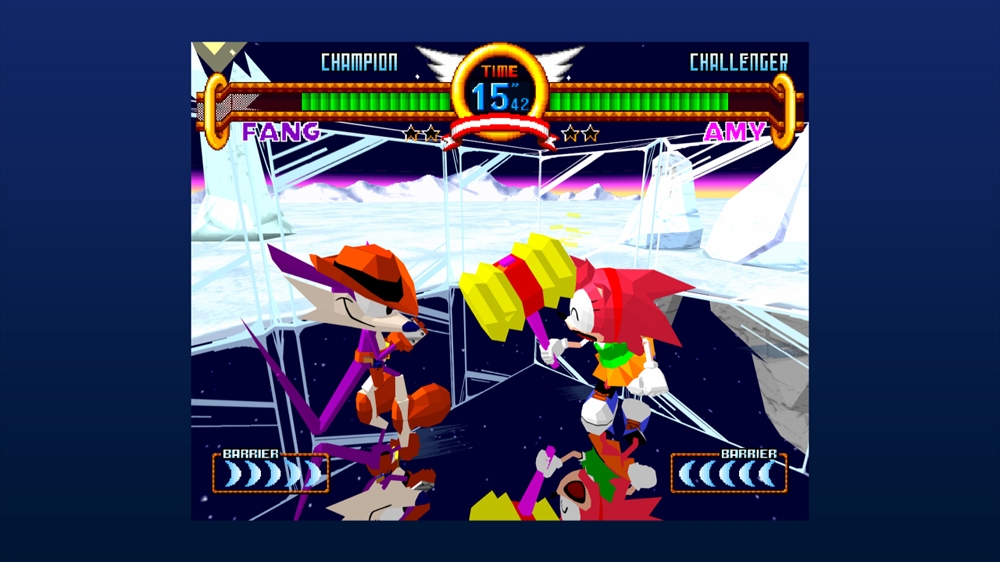
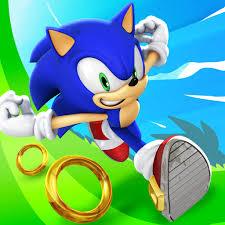
This year also lines up with Summer Game Fest 2026, so the timing feels deliberate. Sega isn't just celebrating an old mascot; it's setting the stage for the franchise's next move, and that's exactly the kind of moment Sonic fans like to watch closely.
![Dragon Ball Z: Kakarot [Master Edition]](https://s.pacn.ws/1/p/1eh/dragon-ball-z-kakarot-master-edition-908785.1.jpg?v=t8ja8t&width=400)


Here's the thing: Sonic the Hedgehog has always moved fast, but 35 years is still a serious milestone. Sega first introduced him in 1991, and since then Sonic has become one of the most recognisable characters in game history, not just in Japan, but worldwide.
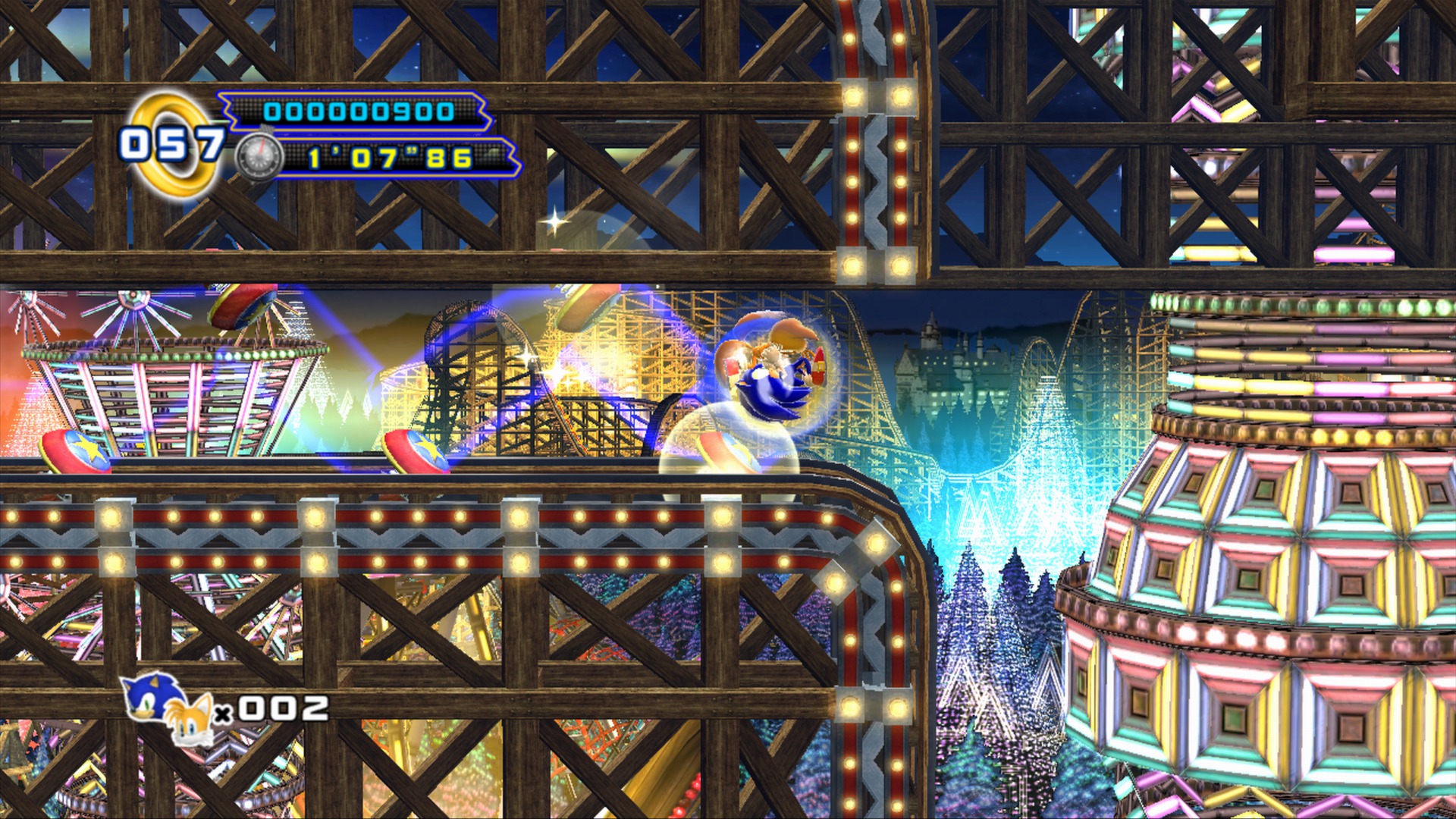
That anniversary matters because Sega didn't treat it like a sleepy birthday post. The company used the moment to look back, then forward, and that mix of nostalgia and next-step energy is very much part of how Japanese game companies handle major franchise anniversaries. Convinced yet?
Sonic's 35th anniversary marks a major Sega milestone
Fun fact: Sonic debuted on the Sega Genesis, known in Japan as the Mega Drive, at a time when Sega was trying to stand apart from Nintendo with speed, attitude, and a bright blue mascot. That worked. Sonic quickly became Sega's answer to Mario, and for a while he was everywhere, from arcade cabinets to cartoons and merch.
What many overlook: Sonic's long life isn't just about the games. The character has survived hardware shifts, company restructuring, and different creative eras. We got the 2D classics, then the ambitious 3D experiments like Sonic Adventure in 1998, and later a whole wave of cross-media appearances, including films and anime-style branding. Classic Japan, isn't it?
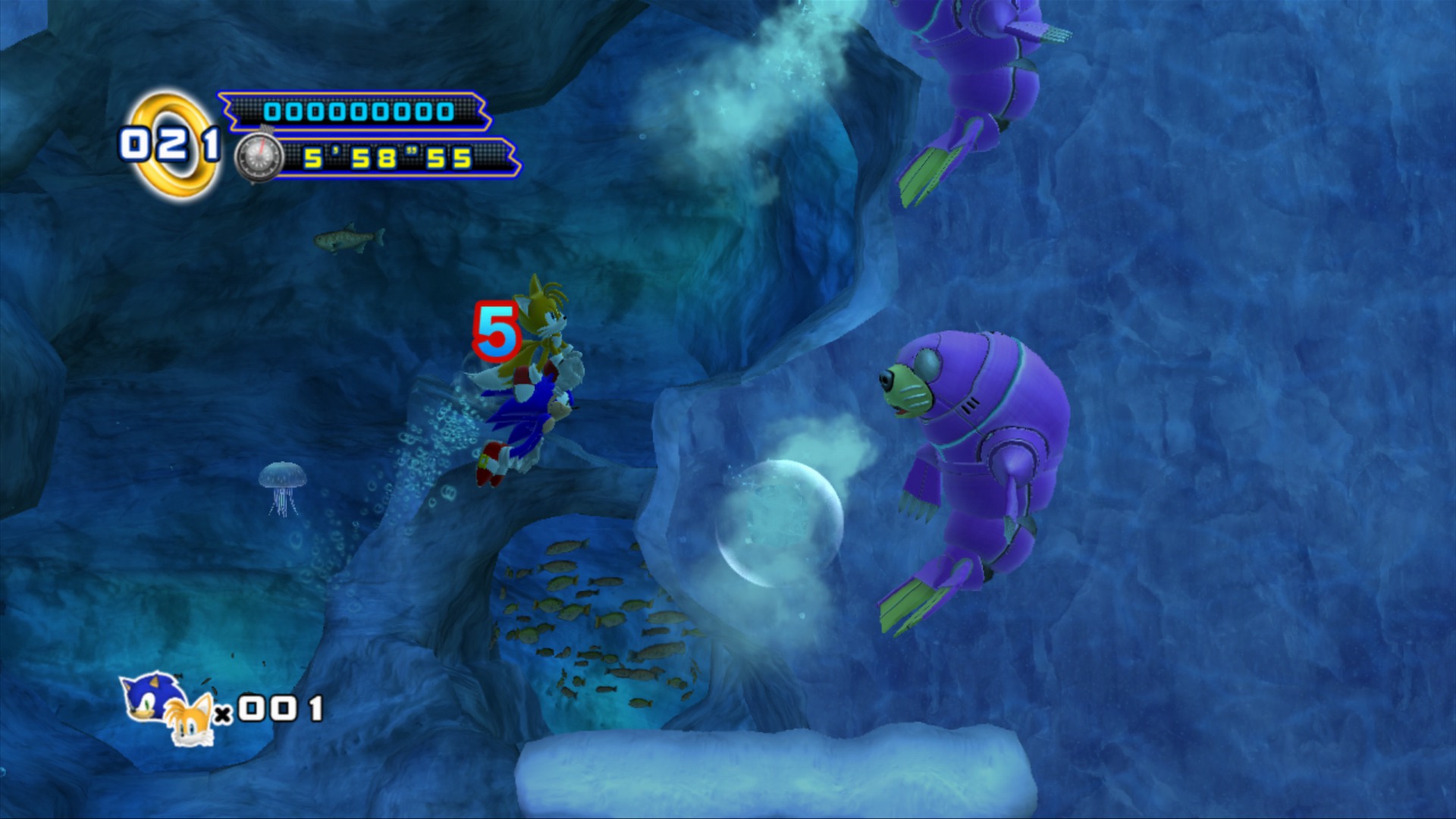
What I especially like: Sega has learned to use anniversaries as real branding moments, not just empty celebration. When a franchise reaches 35 years, the company can lean on memory, but it also needs to show it's still relevant. For a character built on movement, standing still would be the worst possible look. But that's not all.
Summer Game Fest 2026 and Sega's next-project tease
Guess what? Sega is already pointing fans towards Summer Game Fest 2026 as a place where the next Sonic chapter could appear. That matters because Summer Game Fest has become one of the biggest global stages for game announcements, and publishers now time reveals very carefully around it.
While we're at it: Sega's teaser doesn't have to mean a single game, either. It could signal a new mainline Sonic title, a remaster, a spin-off, or even another push in transmedia, especially after the success of Sonic films and the company's growing confidence in handling the brand across formats. Sega rarely wastes anniversary momentum if there is a bigger reveal coming later.
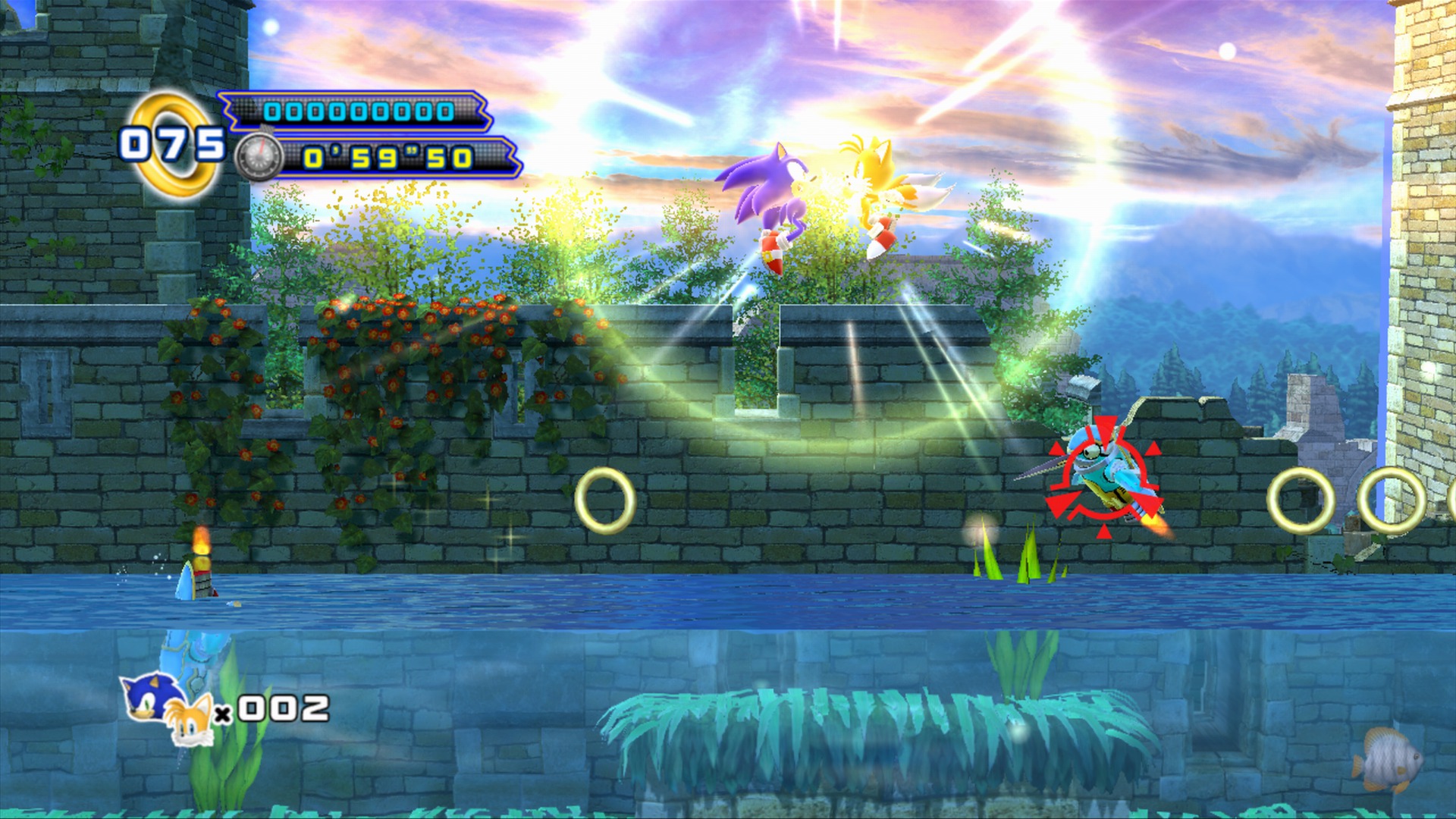
Pro tip: if you're following this as a Japanese learner, keep an eye on the kinds of words Sega and Japanese game media use around anniversaries. Phrases like kinen, aratana, and tenkai often show up in coverage, and they carry that sense of commemoration plus forward motion. That dual meaning is very Japanese, and it fits Sonic perfectly. From my experience...
Why Sonic still matters in Japan pop culture
It's early morning in Kyoto, and a lot of fans here still recognise Sonic instantly, even if they grew up more with PlayStation or Nintendo. That's because Sonic is bigger than a mascot now; he's a symbol of a certain era of game culture, when speed, music, and character design were all part of the sales pitch.
On the flip side: Sonic has also had a bumpy road in Japan compared with his Western reputation. Some 3D games underperformed, and Sega's domestic standing changed a lot over the years. Still, the character never disappeared, and the recent film success helped bring him back into broader conversation, especially among younger audiences and families.
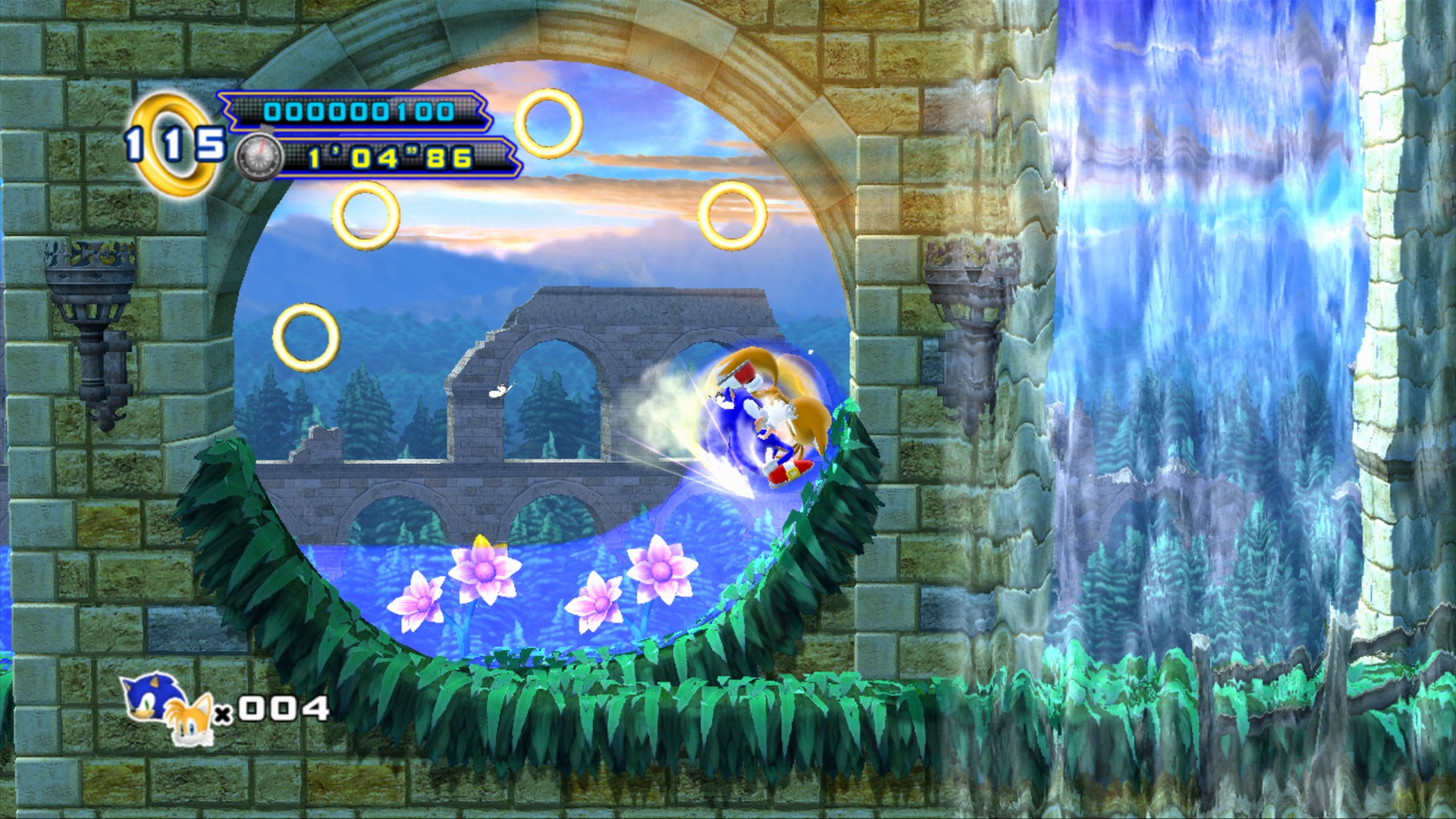
That brings us to the real reason this 35th anniversary feels important. Sega is not only celebrating the past; it's keeping the door open for a future that could bridge fans who remember the Mega Drive days with people discovering Sonic through modern releases. For Japan watchers, that kind of continuity is worth paying attention to. Highly recommended: follow how Sega frames these announcements, because the wording often tells you whether a big reveal is near.
And for learners, there is a nice bonus here. Game anniversaries in Japan are full of useful language, from kinen and mirai to kaihatsu and shin-sakuhin. You can read the news, spot the terms, and pick up vocabulary without it feeling like a textbook. That's why gaming coverage can be one of the easiest entry points into Japanese media habits.
If Sega does show more at Summer Game Fest 2026, expect the conversation to widen fast, from long-time fans to casual viewers who just know Sonic as the speedy blue icon. My tip: watch not only the trailer, but the Japanese social media reaction, because that's where you'll see what the company really struck. Not bad, right?
In pictures
Frequently Asked Questions
Why is Sonic's 35th anniversary important?
It shows that Sega still sees Sonic as a core franchise and is using the anniversary to build interest in future projects.
What is Sega hinting at for Summer Game Fest 2026?
Sega has pointed to future Sonic-related projects, which could include a new game, a remaster, or another media expansion.
Why do Japan fans care about Sonic now?
Sonic remains a major part of game history, and recent films and anniversary campaigns have kept the character visible in Japan.