
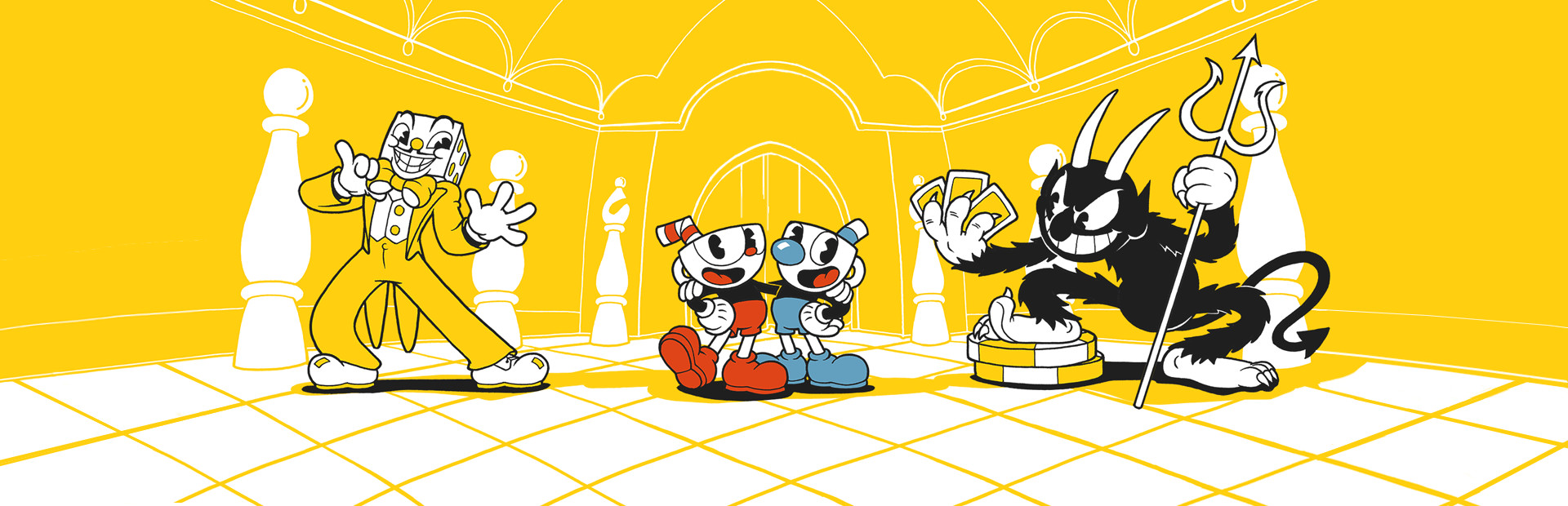
Ever wondered why retro games still get such a strong reaction? Studio MDHR knows the answer, and they leaned into it at Summer Game Fest 2026 with a brand-new 8-bit action-platformer set in the Cuphead universe. It’s a smart move, because the studio already built its name on vintage style, tight controls, and that hand-drawn look that made Cuphead such a hit.
![Dragon Ball Z: Kakarot [Master Edition]](https://s.pacn.ws/1/p/1eh/dragon-ball-z-kakarot-master-edition-908785.1.jpg?v=t8ja8t&width=400)


This time, though, the direction is different. Instead of mimicking 1930s cartoons, the new spinoff goes full 8-bit, with a Sega Master System-inspired feel that should immediately click with anyone who grew up around classic consoles. No wonder, because the team behind Cuphead’s always understood how nostalgia works, not as a gimmick, but as part of the game’s identity. Sounds good, right?
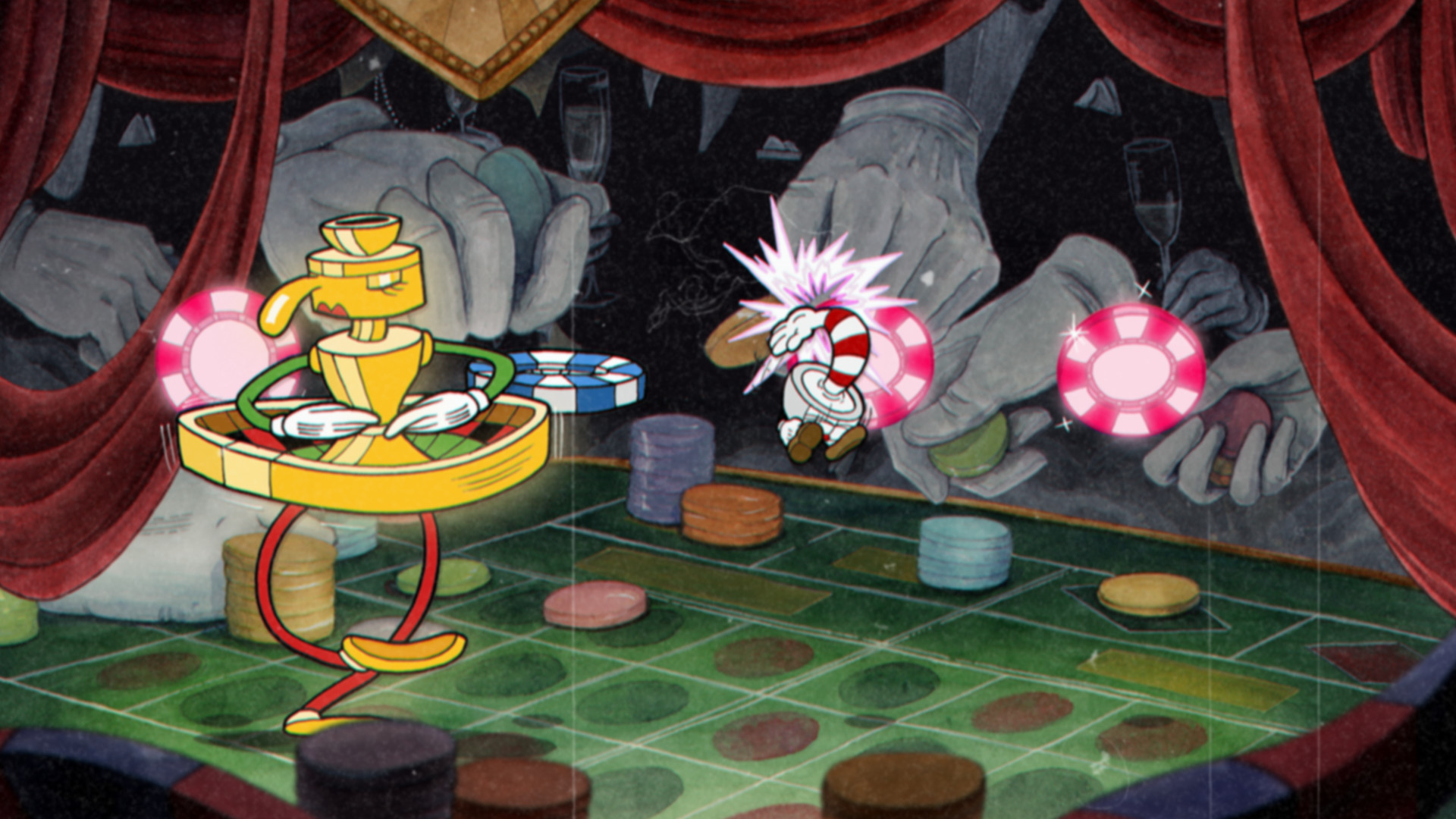
Studio MDHR brings Cuphead back in 8-bit form
Studio MDHR is the developer behind the original Cuphead, which launched in 2017 and quickly became one of the most talked-about indie games of the decade. The studio, founded by brothers Chad and Jared Moldenhauer, built its reputation on precise action design, tough boss fights, and a visual style that felt lovingly handmade. That history matters here, because the new spinoff isn’t just a cash-in, it comes from a team that already knows how to make difficult platforming feel fair and stylish.
Basically: if Studio MDHR says it’s making an 8-bit action-platformer, people pay attention. The original Cuphead sold millions of copies, earned awards, and became a pop culture shorthand for “retro done right”. So when the same studio shows up with a new project, fans naturally expect more than a simple remix. Convinced yet?
Why the 8-bit shift matters
What I especially like is the format change. Cuphead was famous for its 1930s animation look, but 8-bit opens the door to a different kind of nostalgia, one that many Japanese players will instantly recognise from the Famicom era. Think quick jumps, simple colour palettes, sharp sound effects, and that familiar retro tension where one mistake can cost you a run.
For Japanese learners, this is also a nice moment to pick up some gaming vocabulary. Words like saisho, justu, and dokidoki often describe that first burst of excitement when a trailer lands. And if you want to describe a game that feels old-school, you’ll often hear furui kanji rather than anything too formal. My tip: keep an ear out for fan discussions, because gaming talk is one of the easiest ways to hear natural Japanese in context. It’s well worth watching reaction clips from Japanese creators once the trailer spreads. But that’s not all.
Summer Game Fest 2026 gave the reveal extra weight
Did you know that Summer Game Fest has become one of the biggest stages for game announcements since Geoff Keighley launched it in 2020? That makes SGF 2026 the perfect place for a surprise reveal like this. Announcing a Cuphead spin-off there gives Studio MDHR instant global reach, from North America to Japan, and the timing alone makes the teaser feel bigger than a standard social media drop.
The best part: SGF announcements tend to travel fast. In Japan, they get picked up by games media, clipped for X, and debated in livestream chats within minutes. If you’ve ever followed a big Nintendo Direct or Tokyo Game Show stream, you know the rhythm already, the sudden reveal, the gasps, the flood of comments, then the frame-by-frame analysis. Classic Japan, isn’t it?
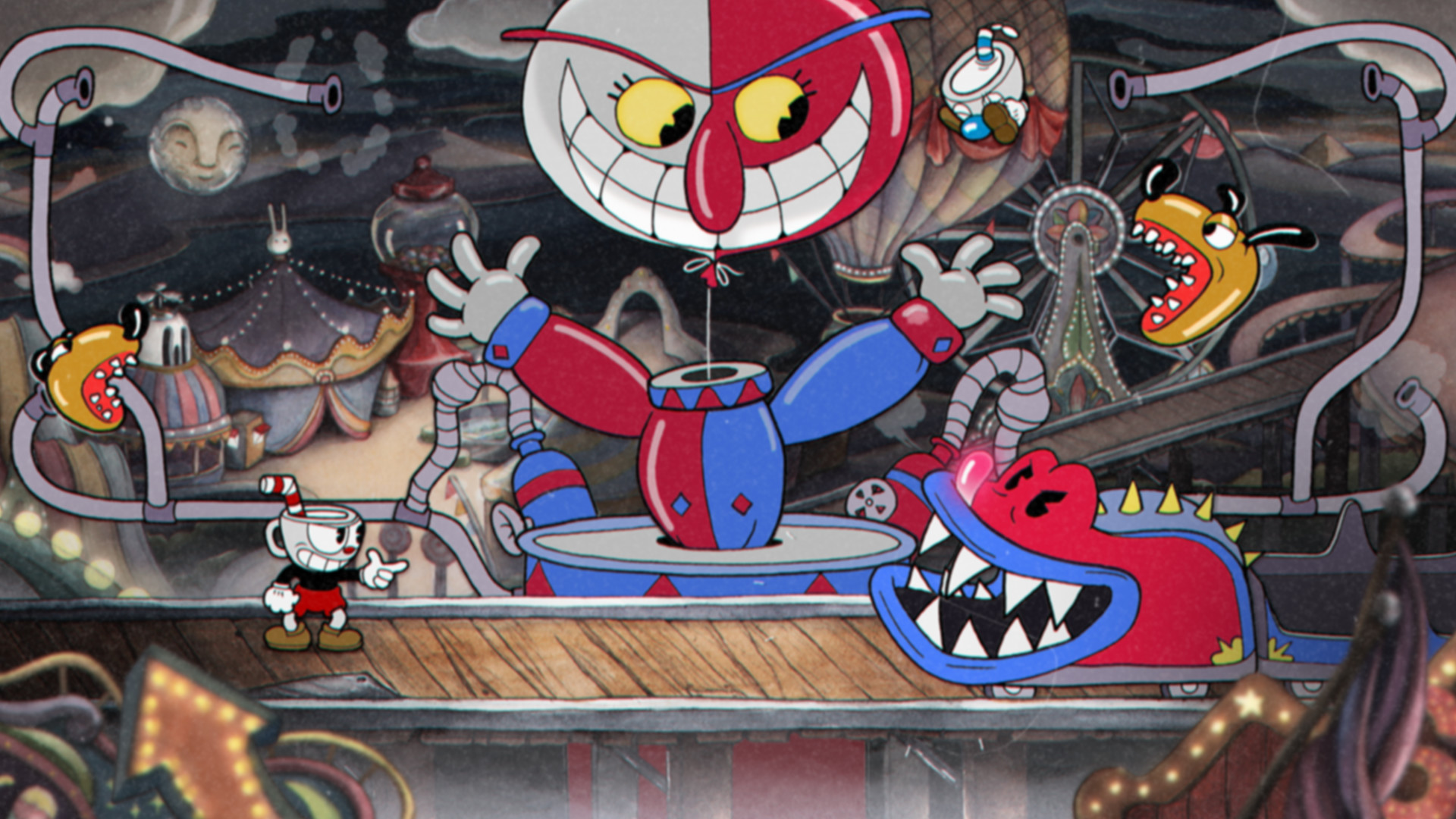
Why this reveal works so well
The combination of studio, genre, and event is doing a lot of heavy lifting. Studio MDHR gives the project credibility. 8-bit action-platformer tells you exactly what kind of play experience to expect. Summer Game Fest 2026 gives it a proper spotlight, not buried in a quiet press release.
On a related note: this is also a good example of how modern game marketing borrows from Japanese game culture, especially the idea of the teaser. Japanese fans are used to a slow build, a silhouette, a short clip, maybe one phrase like yokoso or tadaima. That sort of controlled reveal still works, because it leaves space for speculation. No exaggeration: that’s half the fun.
What Japanese fans and learners should watch for
Picture this: a narrow alley in Tokyo, late at night, with a tiny game shop still glowing behind the shutters. That’s the kind of atmosphere retro gaming creates, and Cuphead’s new spinoff seems designed to tap into exactly that feeling. Japanese fans who love old consoles, pixel art, and hard-but-fair action games will probably be among the first to dissect every screenshot and sound cue.
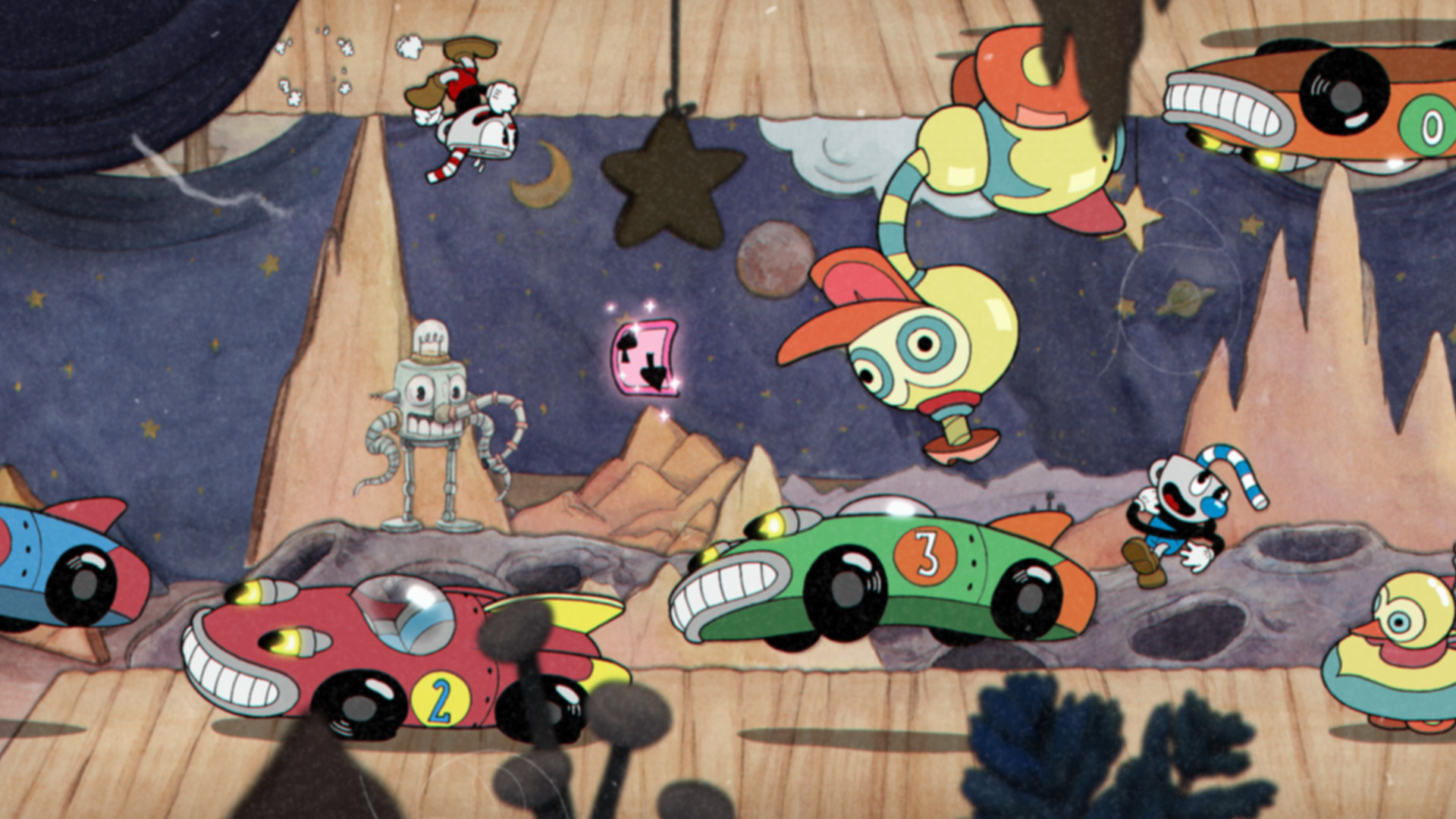
If you’re learning Japanese, this reveal is a useful reminder that games are full of everyday vocabulary. You’ll see words like action, kyanon, and sutēji used loosely in fan talk, plus plenty of borrowed English terms written in katakana. Pro tip: when a new trailer drops, read a few Japanese comments, then compare them with English reactions. You’ll learn how excitement is expressed differently, and you’ll get a feel for natural rhythm, too. Sounds good, right?
What happens next depends on how much Studio MDHR is willing to show after the Summer Game Fest 2026 announcement. But even from this first teaser, the project already has a strong hook, a respected developer, a clear genre, and a retro angle that should work especially well with Japan’s long-running love of classic games. If you’re a fan of both Cuphead and Japanese gaming culture, this one is worth following closely.
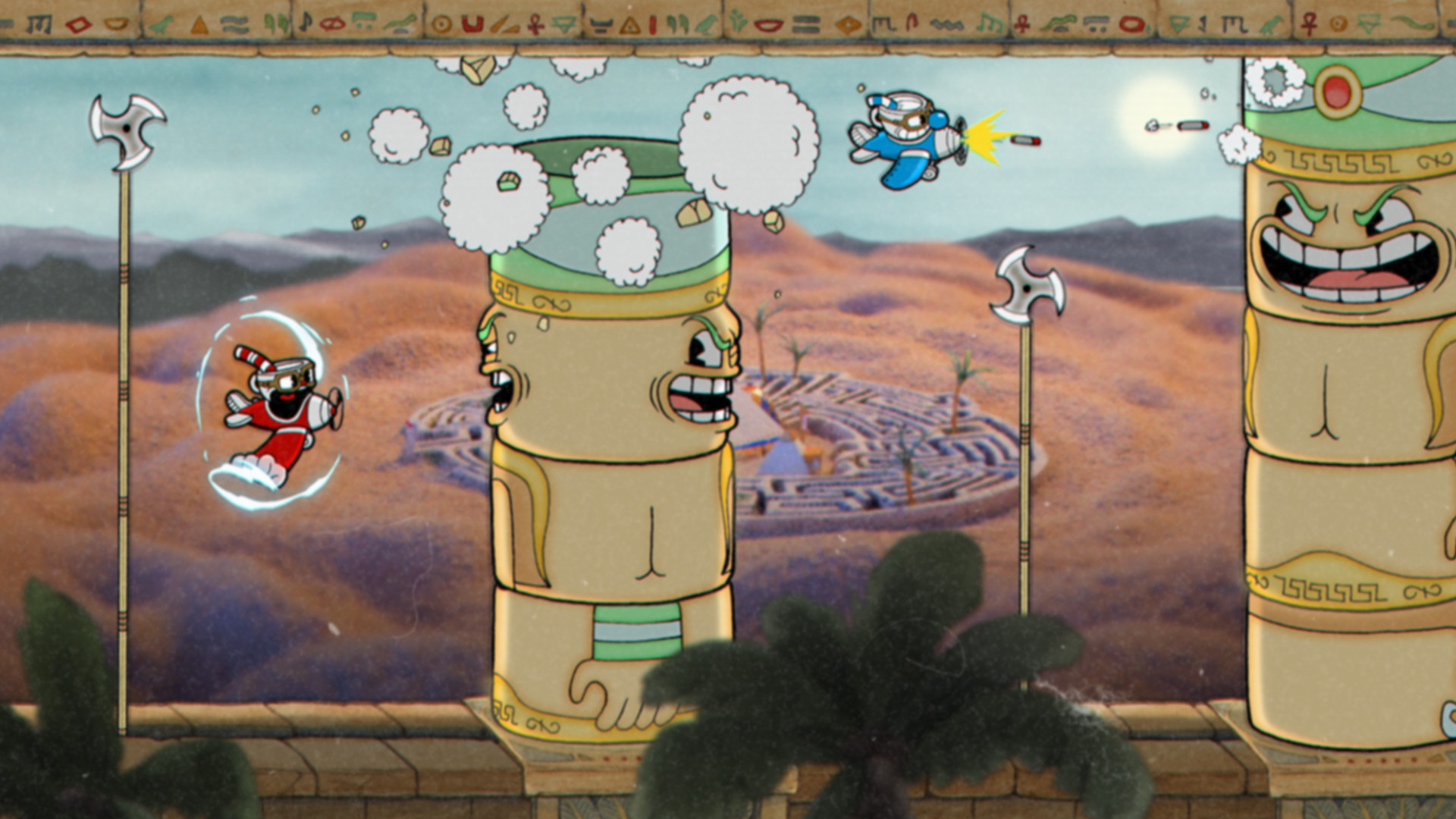
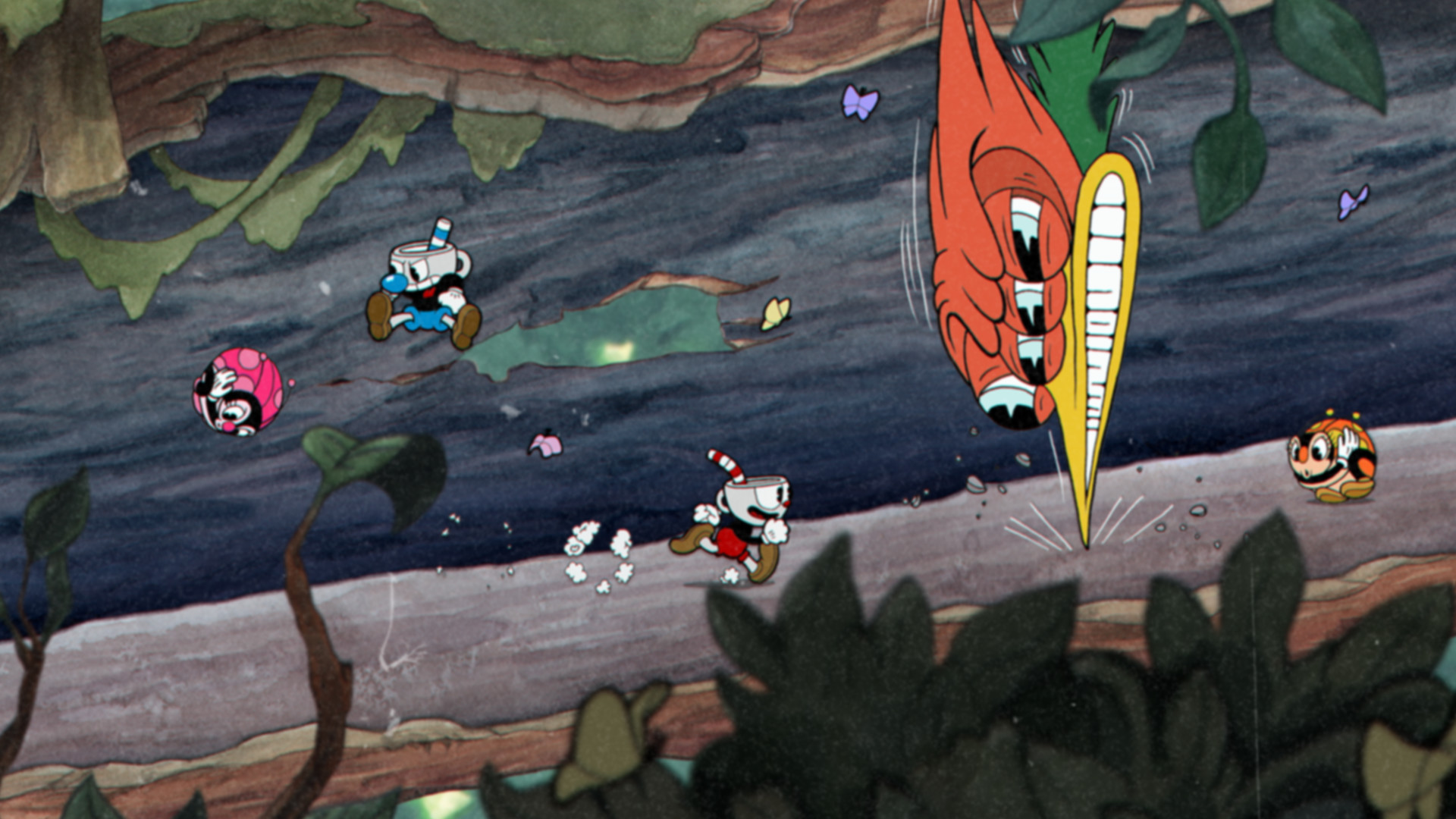
In pictures
Frequently Asked Questions
Who is making the new Cuphead spin-off?
Studio MDHR, the team behind the original Cuphead, is developing it.
What kind of game is it?
It is an 8-bit action-platformer with a retro feel.
Where was it announced?
The game was announced at Summer Game Fest 2026.


