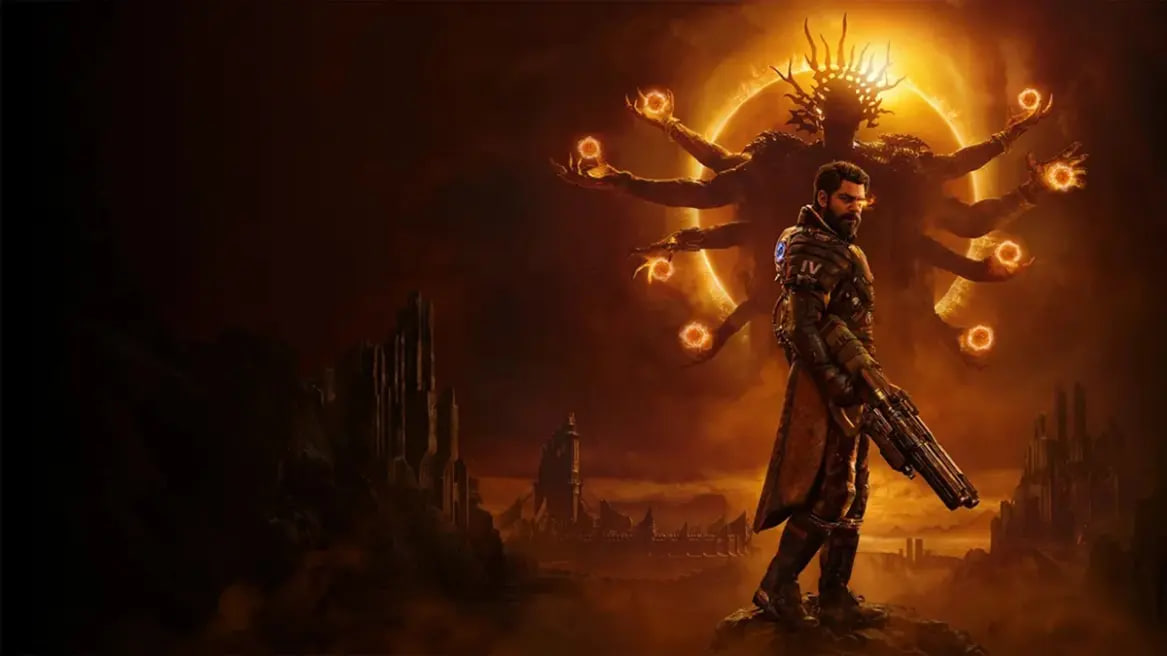
What many overlook is how much this game says about Japan’s creative scene right now. It’s not just another action title; it’s also a story about a female creative director, a young studio, and the enduring pull of yokai in modern pop culture.
![Dragon Ball Z: Kakarot [Master Edition]](https://s.pacn.ws/1/p/1eh/dragon-ball-z-kakarot-master-edition-908785.1.jpg?v=t8ja8t&width=400)
![Startup Company [Console Edition] (Limited Edition)](https://s.pacn.ws/1/p/157/startup-company-console-edition-limited-edition-741799.16.jpg?v=ry4mm8&width=400)
![Startup Company [Console Edition]](https://s.pacn.ws/1/p/157/startup-company-console-edition-741779.10.jpg?v=ry4ngq&width=400)
Imagine a narrow alley in Tokyo. Neon signs buzz overhead, rain hits the pavement, and something unseen is watching from the shadows. That’s the kind of mood KEMURI is aiming for, and honestly, it already has my attention.

Announced by PlayStation on 2 June 2026, KEMURI is a new PS5 action game planned for 2027, developed by Unseen, the independent studio founded by Ikumi Nakamura. The hook is simple to describe and hard to ignore, because you can either defeat yokai or wield their powers yourself. Sounds good, right?
KEMURI and the yokai possession system explained
Ever wondered why yokai keep showing up in Japanese games, anime, and folklore? Because they’re perfect for modern storytelling. Yokai can be frightening, funny, tragic, or bizarre, and that flexibility makes them a gift for game design.
In KEMURI, the big twist is the yokai-possession system. Instead of treating every spirit as just another enemy, the game lets you absorb, borrow, or channel yokai powers. That means combat should be more than simple button-mashing. You’ll likely be switching between attacks, movement tricks, and supernatural abilities, which is exactly the kind of mechanic that makes an action game feel fresh.
What many overlook is that possession mechanics are also a great way to make every encounter feel risky. If a power comes from a yokai, then using it may come with a cost, a limit, or a strange side effect. That tension is what makes the idea so smart. My tip: if KEMURI leans into that risk-reward loop, it could become one of those games people keep talking about long after release.
Who is Ikumi Nakamura, and why fans pay attention
I still remember exactly when many people first noticed Ikumi Nakamura, because her stage presence made game reveals feel human again. She became widely known during her work on Ghostwire: Tokyo, where her style, enthusiasm, and visual taste stood out immediately. Later, she founded Unseen, which is a move that says a lot about how Japan’s game industry is changing from the inside.
Compared with back home, where big studios often dominate headlines, Japan’s independent creative scene can feel more personal, more direct, and sometimes much braver. Nakamura’s path matters because she isn’t just a famous name attached to a project. She’s a creative director building a team and a tone, and that’s a very different kind of power.
Quick detour: if you follow Japanese game industry language, you’ll often hear words like kenshu, senmon, and sekkei around studio talk, but the real idea here is simpler. A strong creative director shapes the whole experience, from mood to movement to monster design. In that sense, KEMURI feels like an authorial game, not just a product. Simply brilliant.

Why Tokyo is the perfect world for KEMURI
Tokyo and yokai fit together surprisingly well. Hand on heart, this is one of the smartest parts of the pitch. Traditional spirit stories are often linked to rural shrines, old roads, and mountain folklore, but modern Tokyo gives them a new skin. High-rises, train stations, back alleys, and shuttered shops can all become haunted spaces.
On a related note, Tokyo is also a city of layers. You get ultra-modern districts, then turn a corner and find a tiny temple, a worn jizo statue, or a neighbourhood festival that feels unchanged for decades. That contrast is pure fuel for game worldbuilding. A yokai in Tokyo doesn’t feel like a museum piece. It feels alive, current, and a little dangerous.
For Japanese learners, this is a nice cultural doorway too. If you hear words like yurei, onmyoji, matsuri, or omamori in future trailers or interviews, they’ll all point towards the same world of spirits, rituals, and local belief. Learning those terms gives the setting extra depth. It’s not just vocabulary; it’s atmosphere.
Why KEMURI matters for Japan’s creative industry
Seriously though, KEMURI is interesting for more than its combat system. It shows how Japanese game culture keeps evolving through independent studios, especially when a creator with a strong visual identity gets room to build something new. That matters in a market where big franchises often dominate attention.
What I especially like is the combination of ambition and identity. KEMURI isn’t trying to imitate Western action games, and it’s not resting on nostalgia either. It uses yokai, Tokyo, and a stylish urban fantasy look to speak in a very Japanese voice. For jpnerd readers, that’s the sweet spot, because it connects pop culture, language, and real-world creativity in one place.
Insider tip: keep an eye on how Unseen presents the game over the next year or two. Trailers, developer interviews, and character art will probably reveal a lot about the tone. If the studio nails the balance between spectacle and folklore, KEMURI could become one of 2027’s standout PS5 titles. Personally, I’m rooting for it.
And if you enjoy following Japan’s game and culture scene, more Japan news on jpnerd.com is worth bookmarking.
Frequently Asked Questions
What is KEMURI?
KEMURI is a new PS5 action game announced by Unseen and led by Ikumi Nakamura. It combines yokai combat, possession powers, and a Tokyo setting.
When is KEMURI coming out?
The game is planned for 2027, according to the official PlayStation announcement.
Why are fans excited about it?
Because it blends Japanese folklore, stylish urban fantasy, and the creative vision of a well-known director with a strong visual identity.