The reason's simple: it gives you old-school dungeon design, fast combat, and a strong sense of adventure, but it also reminds you how much style and structure matter in Japanese game design. Classic Japan, isn't it?
![Dragon Ball Z: Kakarot [Master Edition]](https://s.pacn.ws/1/p/1eh/dragon-ball-z-kakarot-master-edition-908785.1.jpg?v=t8ja8t&width=400)

![Tiny Tina's Wonderlands [Next-Level Edition] (English)](https://s.pacn.ws/1/p/13a/tiny-tinas-wonderlands-nextlevel-edition-english-707353.12.jpg?v=rt1dpt&width=400)
I still remember exactly how Ys Origin first landed in the conversation around cult JRPGs, because it wasn't trying to be trendy. Nihon Falcom released it in Japan in 2006, then later brought it to a wider audience, and that timing matters. Twenty years later, it still feels fresh, which is rare for a game built on such clear, compact ideas.
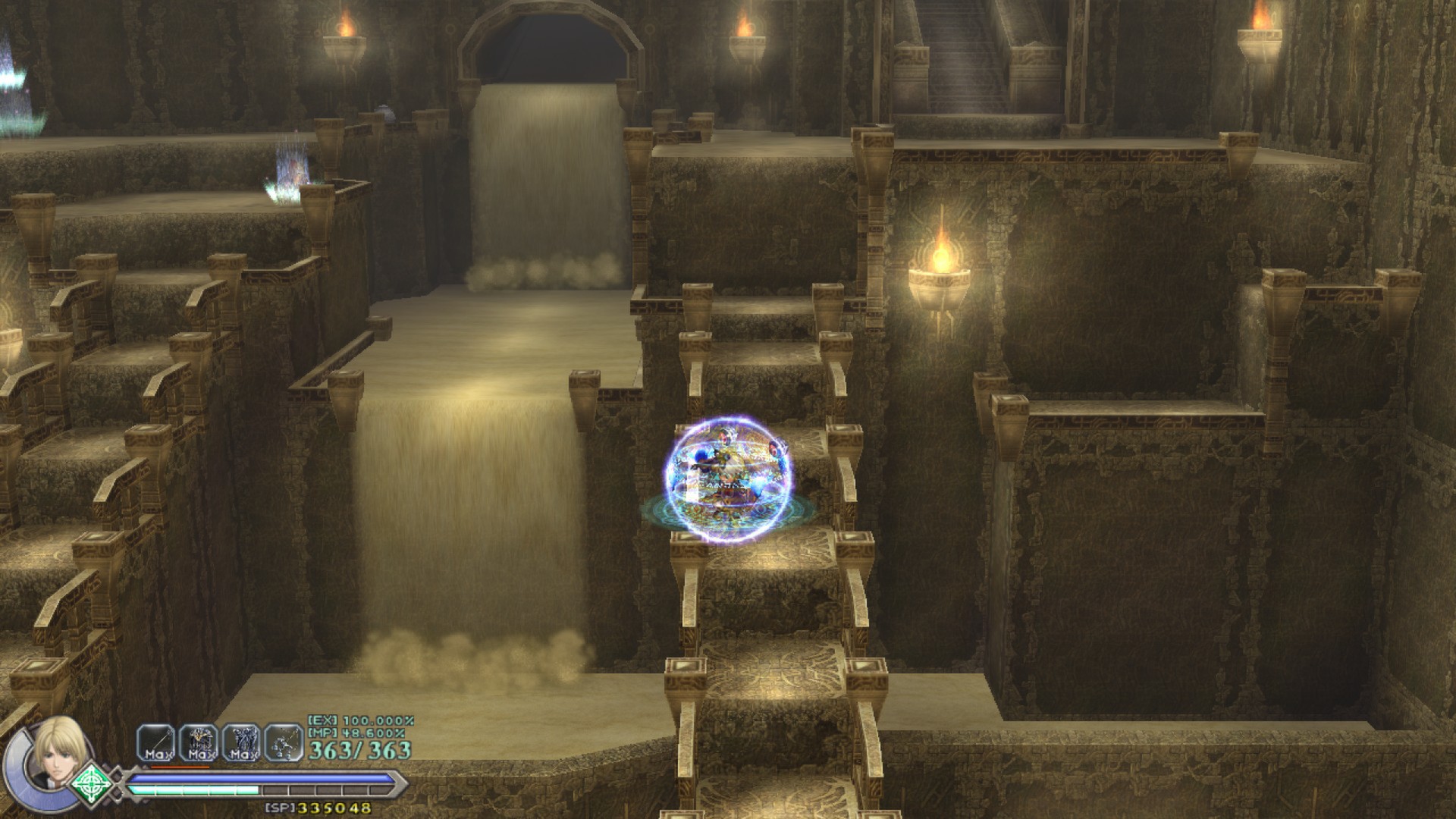
What makes it useful right now is the gap it can fill. Square Enix fans are watching for the company's next big action RPG with Zelda-like energy, and while we don't have a confirmed giant follow-up to obsess over yet, that wait's easier if you spend time with a game like Ys Origin. My tip: treat it as a training ground for pacing, movement, and dungeon logic. Sounds good, right?
Why Ys Origin Still Matters 20 Years Later
Ys Origin is a prequel to the long-running Ys series, and it takes place 700 years before the events of the first game. That kind of timeline feels very Japanese in spirit, because it loves history, legacy, and the feeling that every ruin has a story behind it. The game launched with three playable characters, Yunica, Hugo, and the unlockable Toal, and each route changes how you read the Tower of Darm.
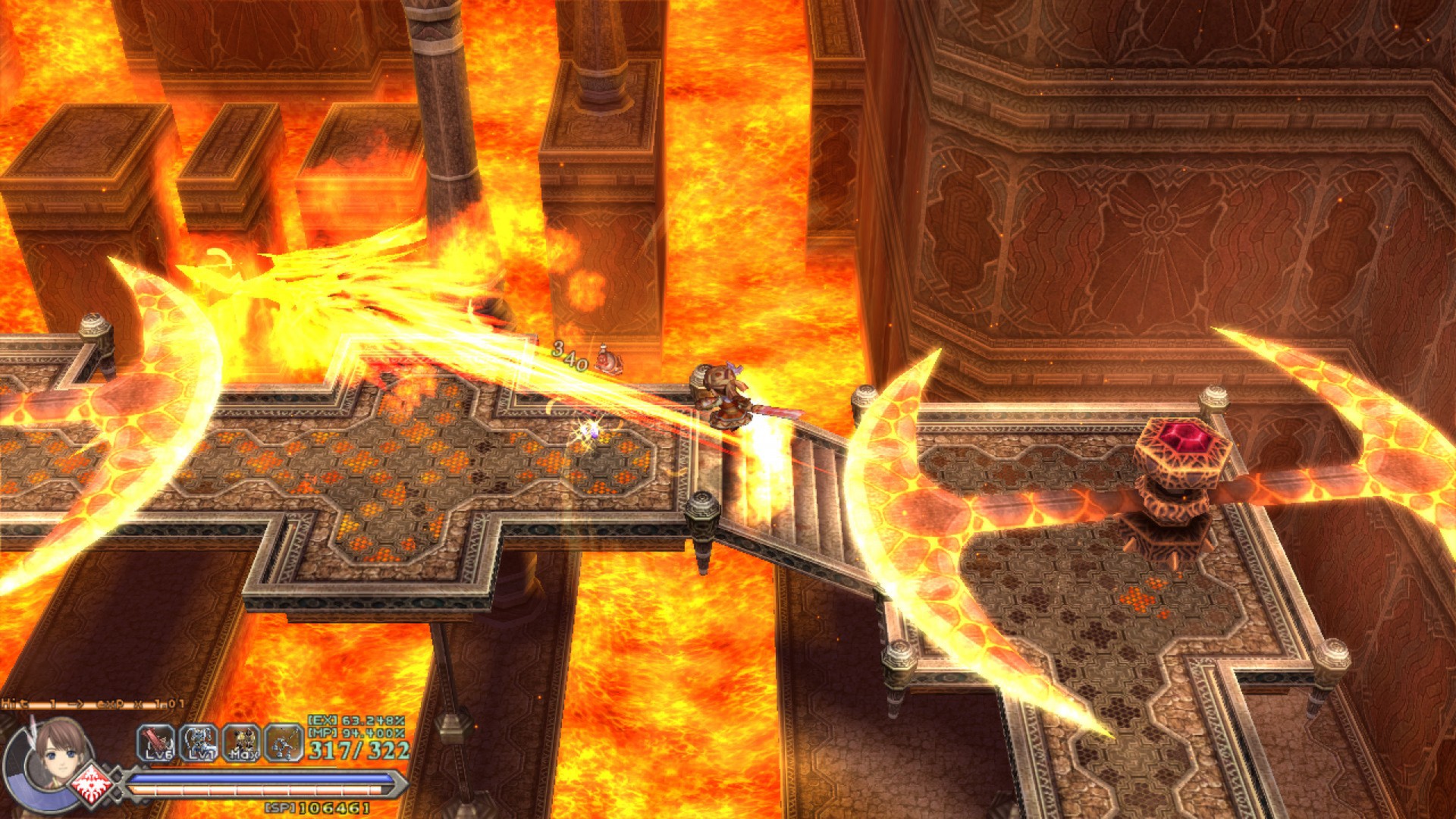
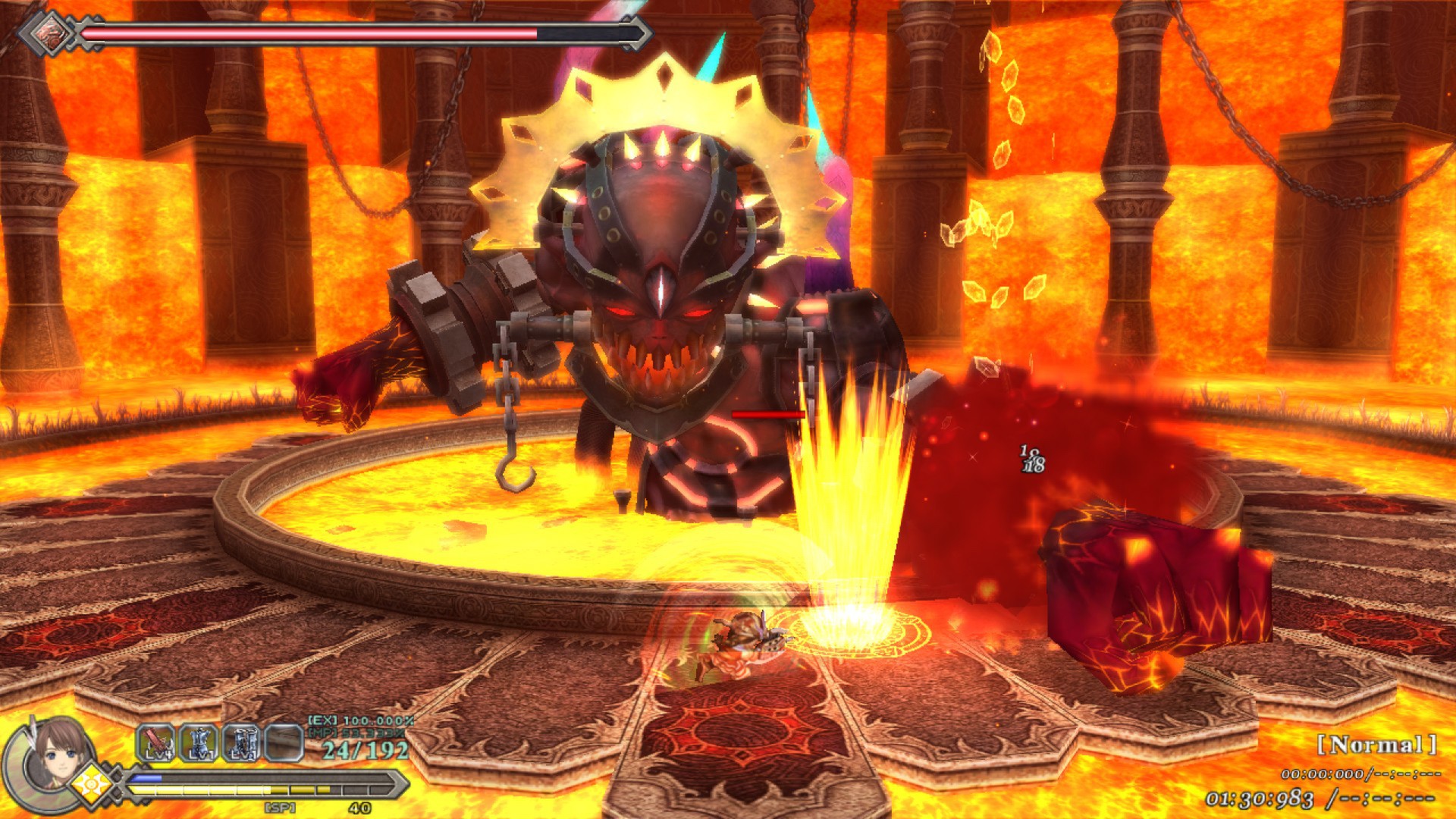
The Tower itself is the real star. It's a single, vertical dungeon, but it never feels repetitive because every floor teaches you something new. You get boss patterns, elemental tools, and constant pressure to keep moving, and that rhythm is what makes Ys feel different from slower, menu-heavy JRPGs. Hand on heart: if you like games that respect your time, this one still hits hard. But that's not all.
Fast Combat, Clean Design, Zero Fluff
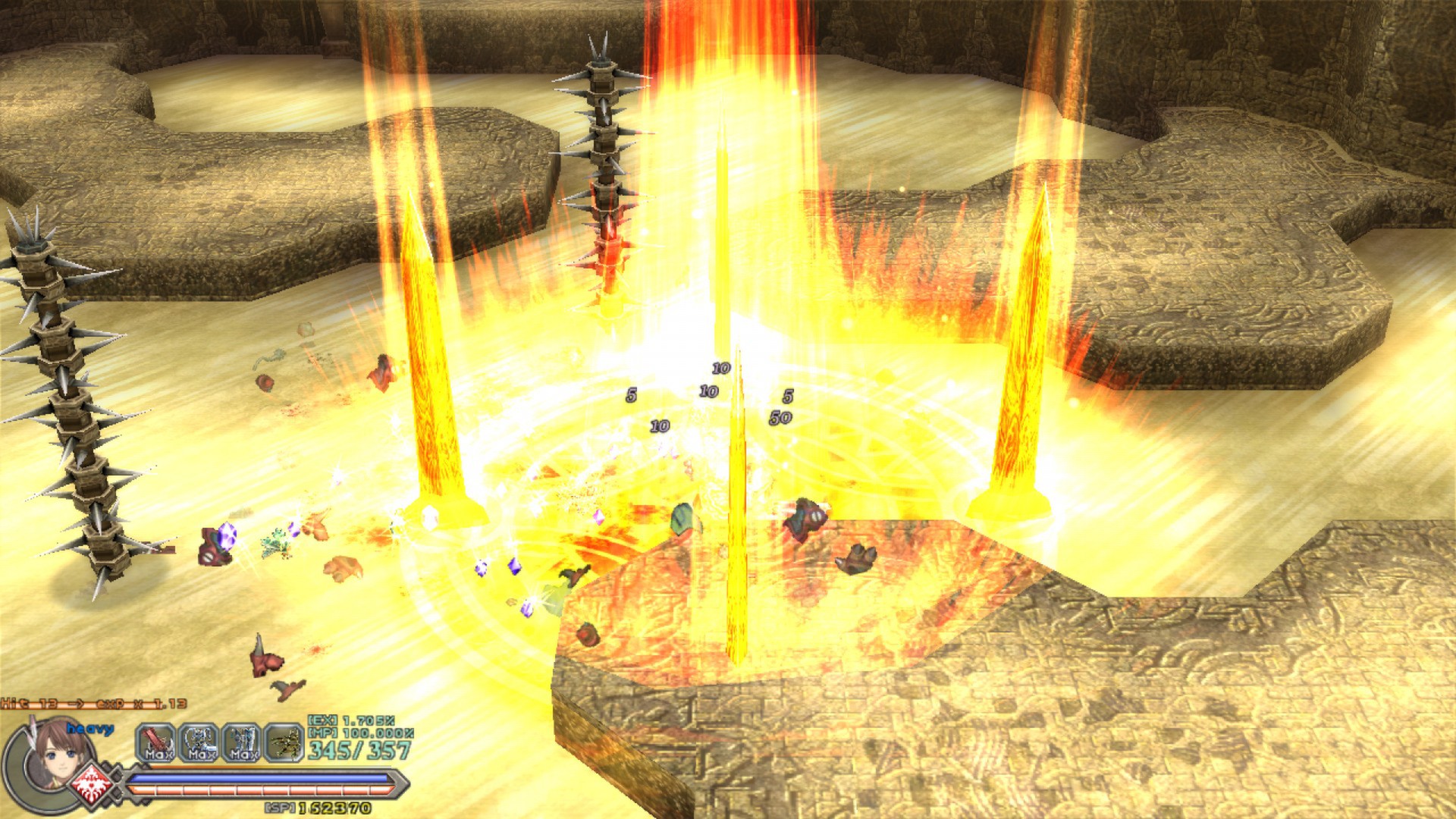
There is no wandering around for ages, no bloated side systems demanding homework. You level up, learn enemy behaviour, and push forward. The combat's simple to grasp, but the spacing, timing, and positioning have real depth, especially on higher difficulties. Let me show you why this matters for Japanese learning fans too: games like this are great for picking up romaji-friendly action vocabulary, words like tatsu, tsubusu, and susumu, which you can associate with movement, attack, and progression.
That kind of association helps when you later hear similar terms in other game contexts, from menus to dialogue. It also explains why Falcom has such a loyal fanbase in Japan. The studio doesn't waste motion, and that precision gives its games a very distinctive flavour. Highly recommended: play with headphones, because the soundtrack and sound cues are half the experience. Wait, there's more.
Square Enix and the Zelda-Like Comparison
Ever wondered why Square Enix keeps getting pulled into Zelda-like comparisons? The reason's simple: the company is often linked with adventure structure, exploration, and polished combat systems that sit between action RPG and puzzle-driven design. Think about games like Trials of Mana, the newer Seiken Densetsu remakes, or the way Square Enix often frames its worlds as places to explore, not just spaces to grind.
To be fair, Square Enix and Nintendo aren't the same design school. Nintendo's The Legend of Zelda series, from A Link to the Past to Breath of the Wild and Tears of the Kingdom, leans into systemic exploration and player discovery. Square Enix tends to bring stronger character drama, heavier presentation, and more visible RPG structure. That difference is exactly why fans keep making the comparison, because they're close enough to overlap, but far enough apart to feel distinct.

Speaking of which, that is why Ys Origin is such a good bridge game. It sits between those worlds. You get the speed and clarity of a compact action game, plus the dungeon logic and item-based progression that Zelda fans understand immediately. If Square Enix drops a big new adventure with that same balance of action and exploration, Ys Origin will have prepared you for the mood, the flow, and the stamina. Not bad, right?
A Better Bridge Than a Waiting Room
What I especially like is that Ys Origin doesn't try to be everyone's comfort food. It's brisk, a little severe, and proud of its structure. That makes it ideal for players who are tired of massive open worlds but still want that sense of moving through a handcrafted Japanese fantasy space. The game was originally designed by Masaaki Kato's team at Nihon Falcom, a studio with a long reputation for systems that feel carefully tuned rather than overdesigned.
The comparison to a future Square Enix Zelda-like title works best if you think in terms of feel, not copy-paste mechanics. Ys Origin gives you the thrill of opening new routes, understanding a dungeon through repetition, and fighting bosses that demand attention. If Square Enix leans into those same pleasures in its next big action adventure, then Ys Origin becomes the perfect warm-up, or even the perfect alternative if the wait drags on. Pro tip: try all three character routes, because the game changes shape more than you might expect.
For Japan fans, there is also something comforting about how the game reflects a certain 2000s JRPG mindset. It's stylish, practical, and obsessed with getting the fundamentals right. That feels very close to why so many people still love mid-era Japanese games, from handheld hits to console cult classics. The texture's different, the ambition's focused, and the results age surprisingly well. That brings us to...

How Japanese Learners Can Get More Out of It
Let me show you why this matters beyond pure gaming. If you are studying Japanese, action RPGs like Ys Origin are excellent for noticing repeated game language in context, especially because menus, item names, and combat prompts stay consistent. You can match romaji in your notes with what happens on screen, and that repetition helps vocabulary stick. Words tied to movement, attack, recovery, and status effects show up constantly, so you end up learning through pattern recognition.
The setting also gives you a nice cultural frame. Japanese games often respect hierarchy, ancient ruins, and the idea that present-day heroes are shaped by older conflicts. That's very visible here, and it mirrors a lot of storytelling in anime, light novels, and even shrine imagery. If you are someone who loves Japan through games, that layered feeling is part of the appeal. Classic Japan, isn't it?
So yes, if you're waiting for Square Enix' next Zelda-style project, Ys Origin is more than a stopgap. It is a compact lesson in Japanese game design, a reminder of how strong Falcom has always been, and a very playable way to spend the gap between announcements. I still think the game earns its cult status the hard way, through smart design rather than hype. And that's exactly why it still works twenty years later. Sounds good, right?
In pictures
Frequently Asked Questions
Is Ys Origin a good starting point for the series?
Yes. It is compact, has three routes, and explains the series' combat style very clearly.
Why do people compare Square Enix to Zelda?
Because Square Enix often makes action RPGs with exploration and puzzle elements that feel close to Zelda, even if the tone and structure are different.
Can Japanese learners benefit from playing action RPGs?
Yes. Repeated menu text, combat prompts, and item names make them useful for vocabulary practice.