
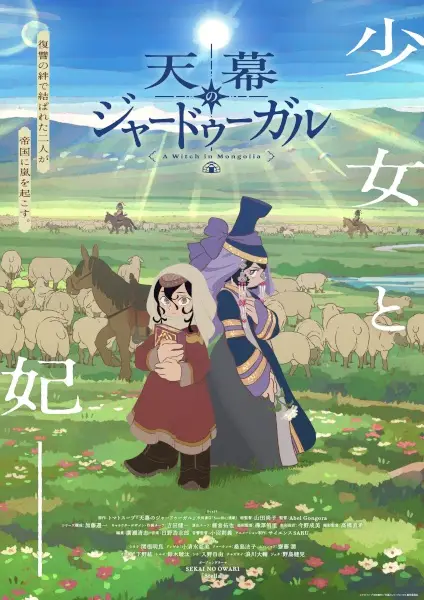
Hand on heart, that’s exactly why it deserves attention. If Science SARU really lands this adaptation, it could become the studio’s most talked-about curveball of the year, and a very cool entry point for anyone who likes Japanese storytelling that goes way beyond the usual lanes.



Science SARU’s 2026 Line-Up Has a Clear Quality Badge
Did you know that Science SARU’s 2026 slate already looks like a statement? The studio is attached to three big names that feel almost tailor-made to impress different corners of the anime crowd: Ghost in the Shell, Jaadugar: A Witch in Mongolia, and the final chapter of DAN DA DAN. That combination tells you a lot about the studio’s range, because these projects sit in completely different worlds.
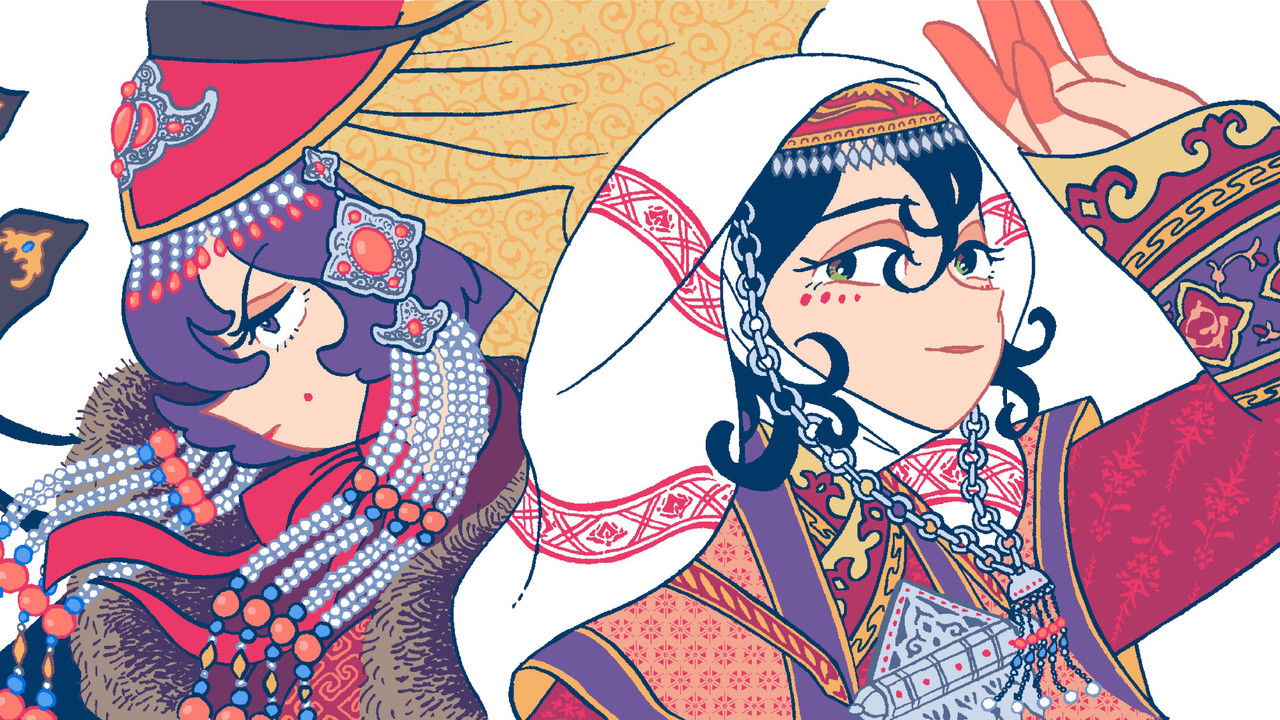
Ghost in the Shell brings cyberpunk prestige. DAN DA DAN brings loud weekly momentum and modern fan energy. Jaadugar, on the other hand, goes in a slower, more historical direction. For Japan fans, that’s a great reminder that anime isn’t only about neon cities or monster fights. It can also tell political and emotional stories set far away from Japan, yet still feel very Japanese in pacing, restraint, and visual taste. Personally, that mix is what makes Science SARU such a reliable name right now. Sounds good, right?
What Jaadugar: A Witch in Mongolia Is Really About
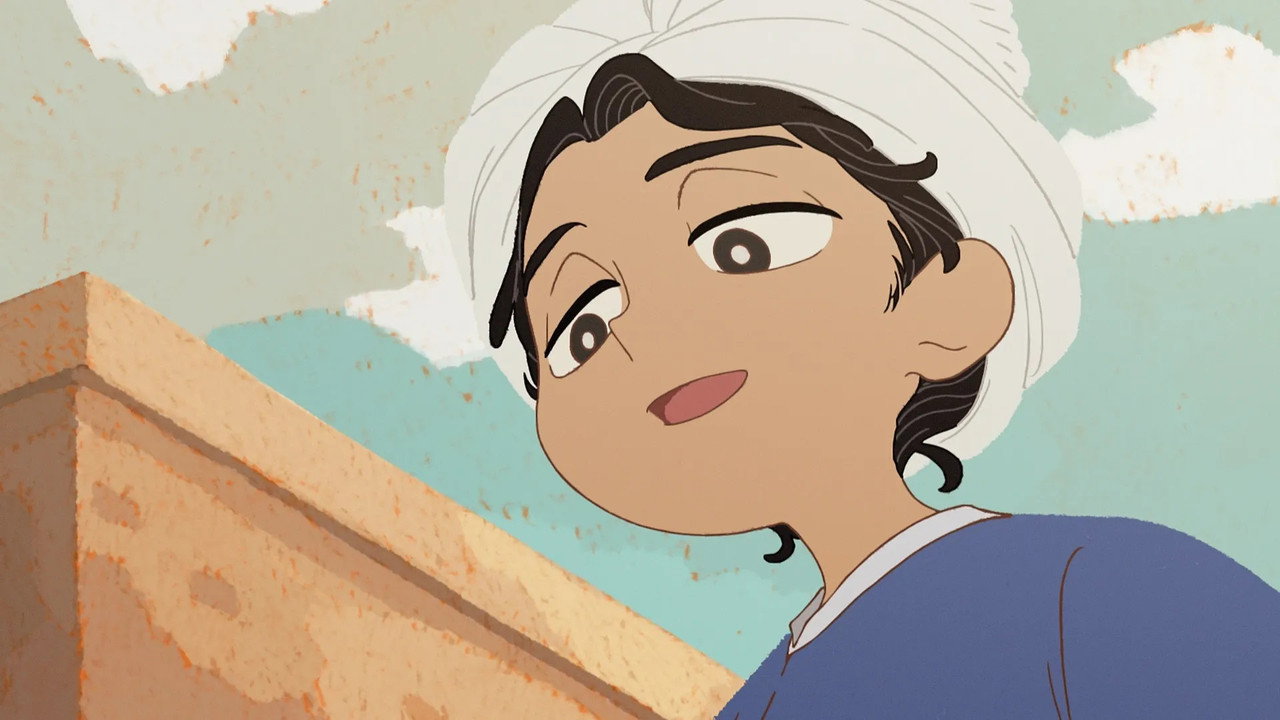
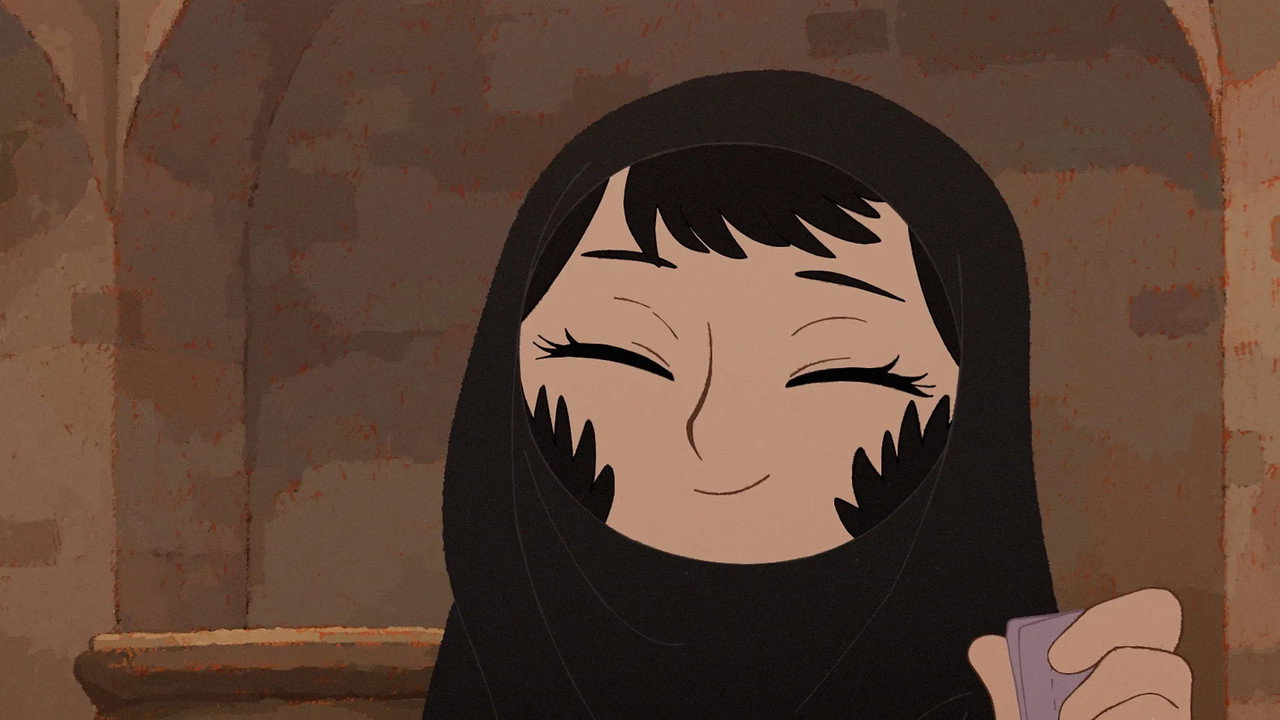
Plot twist: despite the title, Jaadugar: A Witch in Mongolia isn’t a fantasy about magic wands and spell circles. The original manga, written by Tomato Soup, is a historical work set in the Mongol Empire, with its centre of gravity in the 13th century. The story follows Sitara, a woman with medical knowledge, in a court full of power struggles, belief systems, and political tension.
That setup already makes it stand out. No school uniforms, no portal to another world, no chosen one prophecy. Instead, you get a chamber piece, dense with dialogue and social pressure, where knowledge itself becomes a form of power. For language learners, that kind of story is gold, because even the premise teaches you how words around medicine, authority, loyalty, and status can shape a scene. My tip: if you enjoy history and human drama, keep this title on your radar. Wait, there’s more.
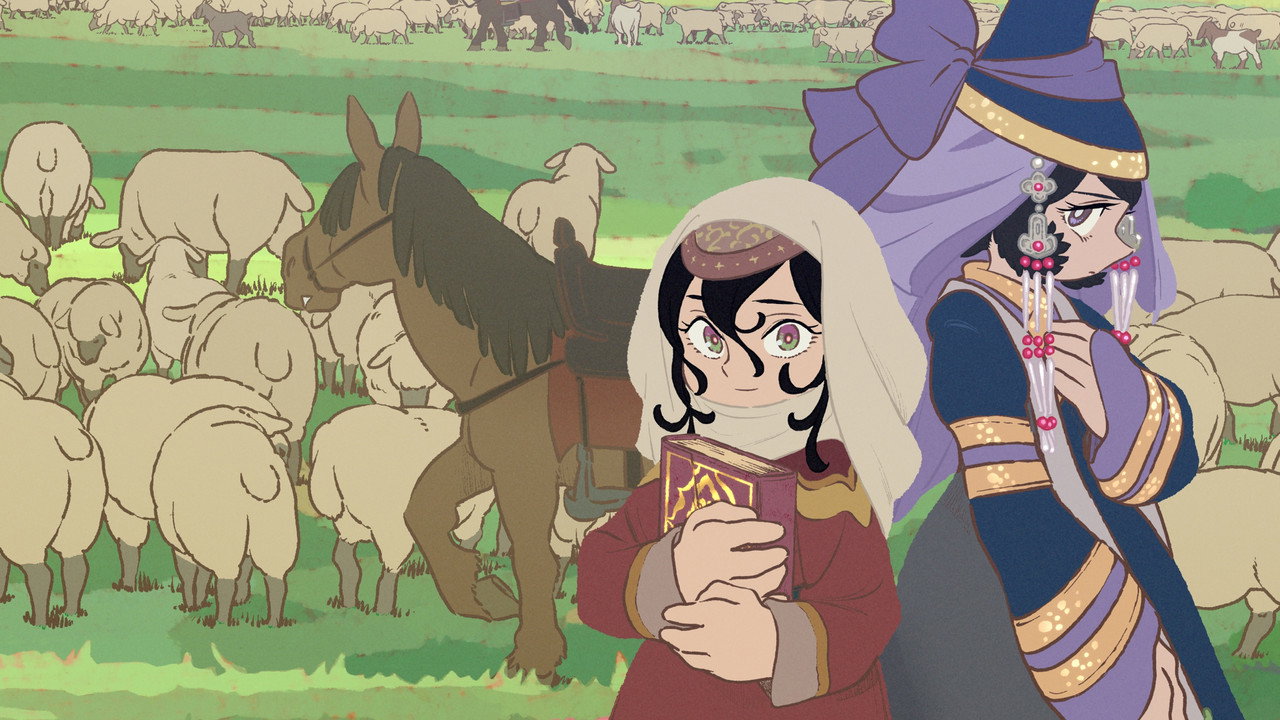
Why the setting matters so much
Imagine a narrow alley in Tokyo. Now replace it with steppe politics, tents, court rituals, and a world where information travels slowly but can still change everything. That shift in setting is the real hook here. Central Asia is rarely used as a main anime backdrop, and that alone gives the adaptation a fresh visual and cultural identity.
For example, a story set around the Mongol Empire naturally opens doors to different clothing, architecture, and social customs than the average Japanese period drama. You may not learn Japanese travel vocabulary from it, but you will get a strong feel for how historical narratives build atmosphere through names, rank, and carefully chosen speech. Not bad, right?
Why Science SARU Fits This Manga So Well
Trust me on this one: Science SARU is one of the few studios that can make a project like this look alive without polishing away its rough edges. The studio has built its reputation on flexible animation, bold colour choices, and expressive movement. Think of Keep Your Hands Off Eizouken!, Inu-Oh, and the visual energy of The Tatami Time Machine Blues. That background matters, because Jaadugar needs nuance more than spectacle.

To be fair, a historical title like this could easily become stiff in the wrong hands. Science SARU tends to avoid that trap. It likes motion that feels human, faces that can hold a thought, and scenes that breathe. If the adaptation keeps that approach, the series could capture the quiet intensity of the manga instead of flattening it into a museum piece. On the flip side, that same style also helps the emotional scenes land harder when the politics get messy.
Three 2026 projects, three very different audiences
Here’s the kicker: Ghost in the Shell may pull in long-time cyberpunk fans, DAN DA DAN will keep the weekly crowd talking, and Jaadugar could become the title that wins over viewers who usually skip anime altogether. That’s a smart spread. It gives Science SARU a prestige project, a buzz project, and a curveball project all at once.
For Japan learners, that matters too. Different anime expose you to different registers of Japanese, and historical or court-based stories often use more formal phrasing, indirect speech, and carefully layered relationships. You won’t be memorising textbook grammar from Jaadugar alone, of course, but you may notice how status and distance shape dialogue. Insider tip: pay attention to how characters signal respect or suspicion, because that’s where a lot of cultural meaning hides. Personally...
Why Japan Fans Should Care Even If It Isn’t Set in Japan
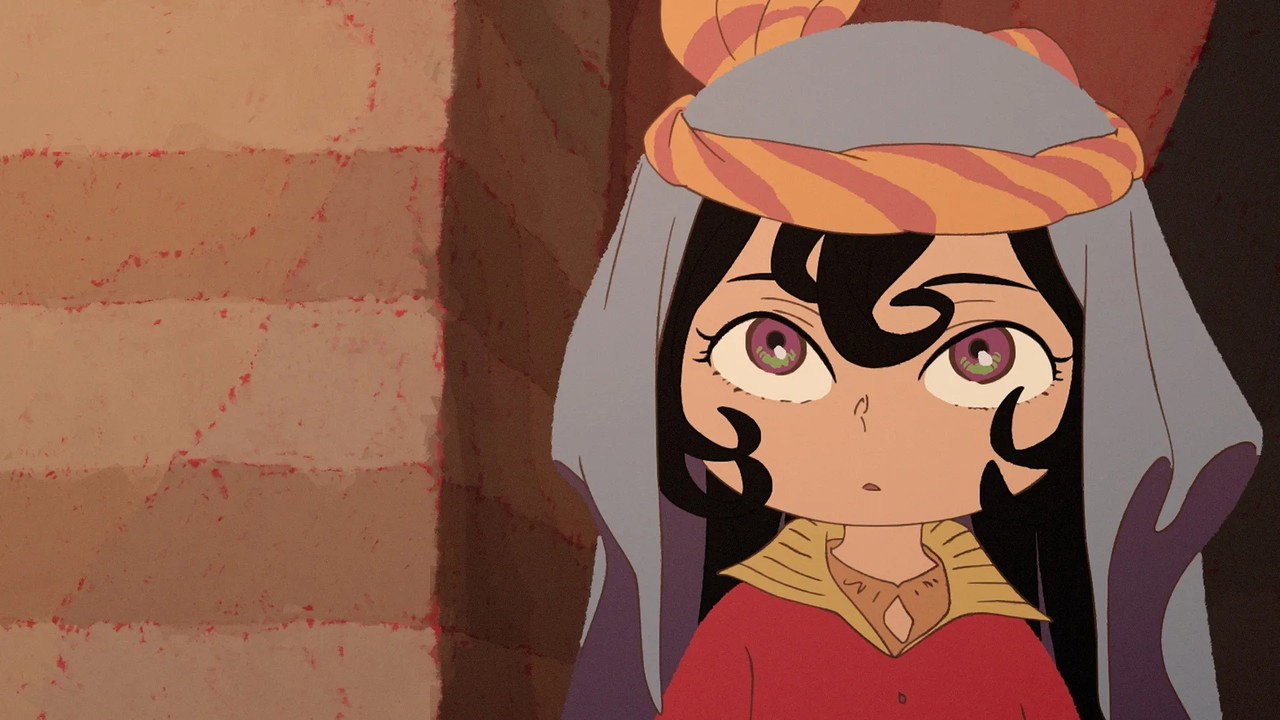
Oh, I almost forgot: one of the best things about being an anime fan is that you get to enjoy Japanese storytelling even when the story itself travels far beyond Japan. Jaadugar: A Witch in Mongolia is a perfect example. It shows that anime can take a Japanese production context, then use it to explore a completely different historical world with care and style.
That’s also why this project pairs so well with the Ghost in the Shell buzz. One title looks forward into tech anxiety, the other looks back into imperial history, and both ask serious questions about identity, power, and human agency. For readers on jpnerd.com, that’s a neat reminder that learning Japanese culture isn't only about sushi, shrines, and 侍 (samurai, samurai warrior) clichés. It can mean following the broader tastes of studios like Science SARU, and seeing how they pick stories that challenge expectations. Wild, isn’t it?
What I especially like is that Jaadugar feels like an anime for people who want something slower and sharper, not louder. If you like historical manga, court intrigue, or stories where intelligence matters more than brute force, this could be the 2026 title that sneaks up on everyone. And if you’re studying Japanese, projects like this are a good excuse to notice how context changes language, even when the setting is far from Kyoto or Tokyo. Sounds good, right?
In pictures
Frequently Asked Questions
What is Jaadugar: A Witch in Mongolia?
It is a historical manga adaptation set in the Mongol Empire, centred on politics, medicine, and court intrigue.
Why is Science SARU a good fit for this anime?
Science SARU is known for expressive animation and strong visual storytelling, which suits a dialogue-driven historical drama.
Is this anime connected to Japan?
Yes, through its production studio and storytelling style, even though the setting is Central Asia.

