

Set for Japanese theatres on 28 August 2026, after four delays and the reveal of two new magical girls, this one’s turned into pure fandom pressure-cooker energy. And honestly? I’m here for the chaos.



Madoka Magica: Walpurgisnacht Rising is finally real
Okay, so, Madoka Magica: Walpurgisnacht Rising isn’t some random side story, not a spin-off, not a cute little bonus for people who forgot to finish their MadoMagi rewatch. It is the direct continuation of Puella Magi Madoka Magica the Movie: Rebellion from 2013, which means the film is stepping straight into one of the messiest, most debated endings in modern anime. That alone makes it a big deal. Add the fact that it’s from Shaft, with Gen Urobuchi back on story duties, and you’ve got the kind of sequel people have been theorising about for over a decade.
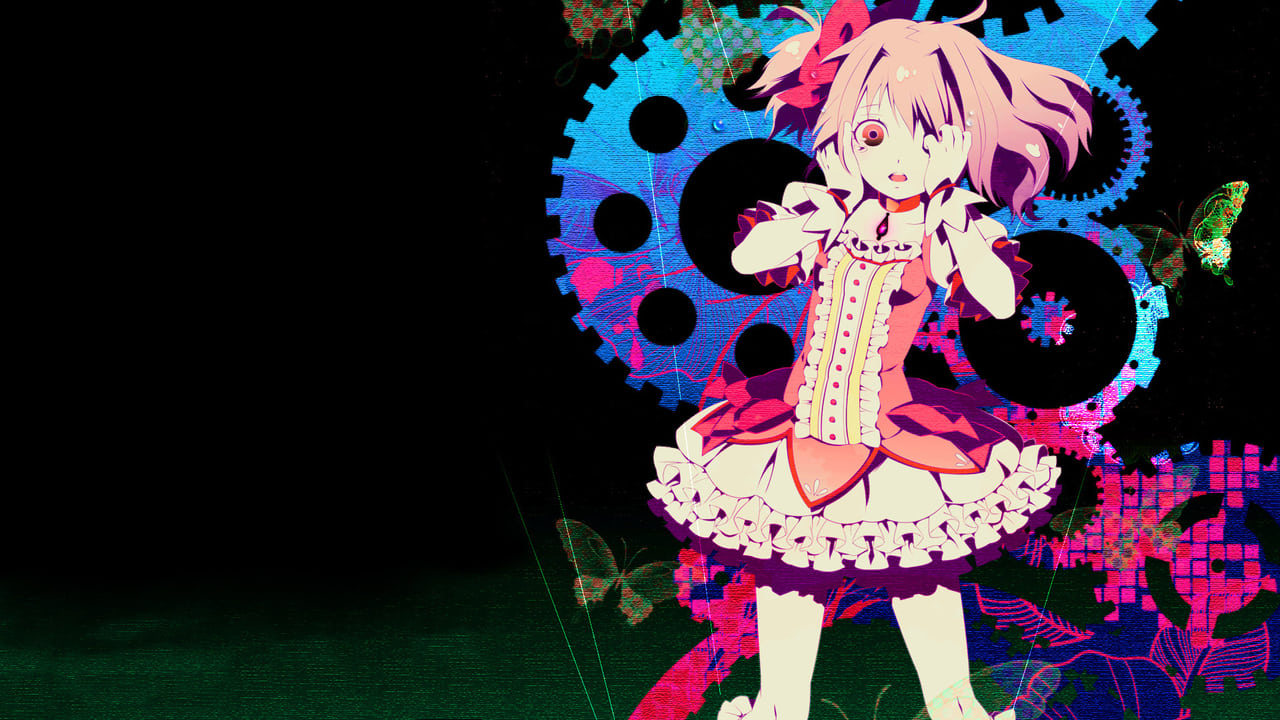
Here’s the deal: the film is now scheduled for Japanese cinemas on 28 August 2026, after being pushed back four times. That’s not a tiny delay. That’s the kind of delay that makes fandoms invent their own coping rituals, reread interviews, and start acting like frame-by-frame screenshot analysis is a personality trait. Wild, isn’t it?
And yes, I know a lot of anime sequels are announced years early and then drift around in production hell like a lonely UFO at 2 a.m. But Walpurgisnacht Rising has a different weight to it because Rebellion didn’t end with neat closure. It ended with a giant emotional bruise. So when this movie was finally shown again in trailer form, the reaction wasn’t, “Oh neat, another Madoka thing.” It was, “Wait, you’re actually answering the question now?”
Why Rebellion still matters after 13 years
Trust me on this one: if you only vaguely remember Rebellion, the ending is the reason this sequel matters so much. The 2013 film took the TV series’ already brutal emotional logic and then basically kicked the door down, especially with Homura’s decision at the end. That ending turned her from tragic heroine into something much harder to label, and fans have been arguing ever since about whether it was salvation, betrayal, love, corruption, or all four at once.
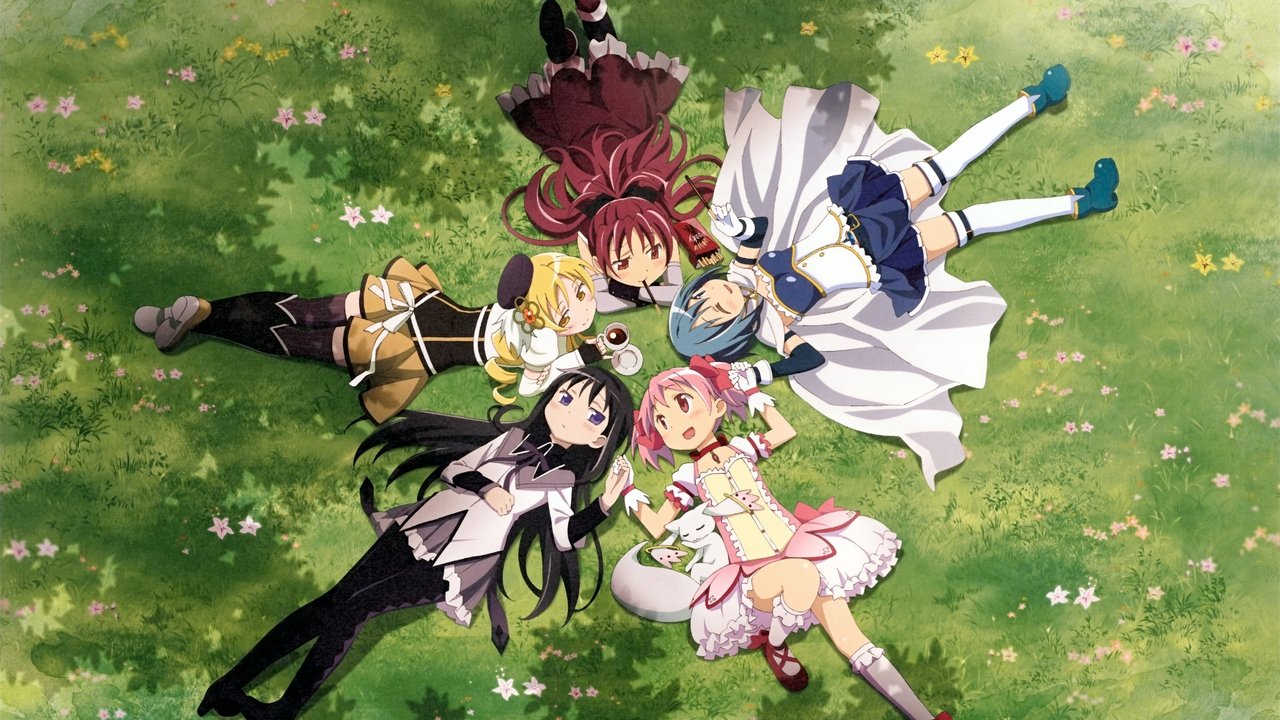
My tip: if you’re a Japanese learner, this is one of those franchise moments where understanding the vocabulary around feelings actually helps. Words like 闇 (yami, darkness) for darkness, 愛 (ai, love) for love, 絶望 (zetsubou, despair) for despair, and 絆 (kizuna, bonds; connection) for bonds aren’t just pretty anime words here, they’re basically the engine of the whole story. Madoka Magica has always been emotionally loaded in a very Japanese storytelling way, where what a character says is only half the point and what they’re unable to say is the other half. No wonder, because the series keeps making silence feel louder than dialogue.
And that’s why this sequel has been such a long wait. Rebellion wasn’t a clean ending that begged for a continuation, it was a provocation. It basically asked the fandom, “Okay then, now what?” and walked away. Thirteen years later, we’re finally getting the answer, or at least the next part of the argument. But that’s not all.
Four delays, new magical girls, and Shaft doing Shaft things
Here’s the kicker: Walpurgisnacht Rising has already been delayed four times, and that’s the kind of production history that makes anime fans develop trust issues for free. Delays can mean a lot of things, from schedule chaos to visual ambition to plain old perfectionism, and Shaft has never exactly been a studio known for half-assing its aesthetic choices. If they want the film to land emotionally and visually, they’re probably going to push and push until the whole thing feels right. Annoying? Yes. Classic? Also yes.
While we're at it: the third trailer revealed two new magical girls, and that matters more than it might sound at first. Madoka Magica stories are always doing the most with character design, silhouette, colour coding, and that weirdly elegant contrast between sweetness and doom. New magical girls aren’t just merch bait, they’re a signal that the film is widening its emotional battlefield. More characters means more possible bonds, more possible losses, more chances for the story to twist the knife.

And of course people are already combing through every visual detail, every blink-and-you-miss-it shot, every costume choice. Because anime fandom is like that. We all know it. We all do it. I’ve done the same thing myself with other franchises and then pretended I was being “analytical” instead of just emotionally unwell. At least this one deserves the obsession.
Why the new girls matter for the story
The introduction of new magical girls often means the sequel isn’t content to just repeat old beats. It suggests a larger system, a bigger conflict, maybe even a different relationship to the law of cycles, to witch logic, or to whatever philosophical nightmare Urobuchi is cooking up this time. And if the movie is truly going to confront Homura’s ending, then it needs new voices around her. Otherwise it would risk becoming a one-note duel between trauma and more trauma, which, let’s be honest, isn’t exactly a fresh recipe in this franchise.
So yes, the new characters are exciting, but they’re also structural. They tell us the movie isn’t merely nostalgia bait. It wants to move. It wants to change shape. That’s the kind of sequel I can respect, even if it takes its sweet time getting to the screen. Convinced yet?

What to expect from the 28 August 2026 Japan release
Picture this: Tokyo theatre screens, opening-day fan energy, people lining up with clear files and acrylic stands, and a franchise that’s spent 13 years living in the space between canon and argument finally getting a fresh theatrical chapter. That’s what 28 August 2026 means in practical terms. It’s not just a date, it’s a destination for the part of the fandom that never really stopped caring.
And because this is Japan, the release will likely be followed by the usual theatre circuit madness, limited goods, repeat-viewing incentives, and all the little promotional rituals that make an anime movie rollout feel like a seasonal event. Classic Japan, isn't it? The cinema release isn’t just about seeing the film once. It’s about the whole ecosystem around it, the tickets, the merch, the social posts, the first-night reactions, the tiny cultural moment it creates.
My opinion? I think the delay actually raised the stakes in a weirdly good way. If the movie had landed earlier, maybe it would’ve just felt like a long-awaited sequel. Now it feels like a statement. The team knew the expectations were absurdly high, and instead of rushing, they kept holding the line. That can fumble sometimes, sure. But when it works, you get something that feels earned, not manufactured.
Oh, almost forgot: if you’re using this as a Japanese study case, try following the release coverage in Japanese too. Look for words like 変身 (henshin, transformation), 新作 (shinsaku, new work; new release), 最終 (saishu, final), and 計画 (keikaku, plan) in anime news reports, because they come up all the time around franchise announcements. It’s a neat way to build vocab from something you already care about. Which is half the battle, honestly. Sounds good, right?
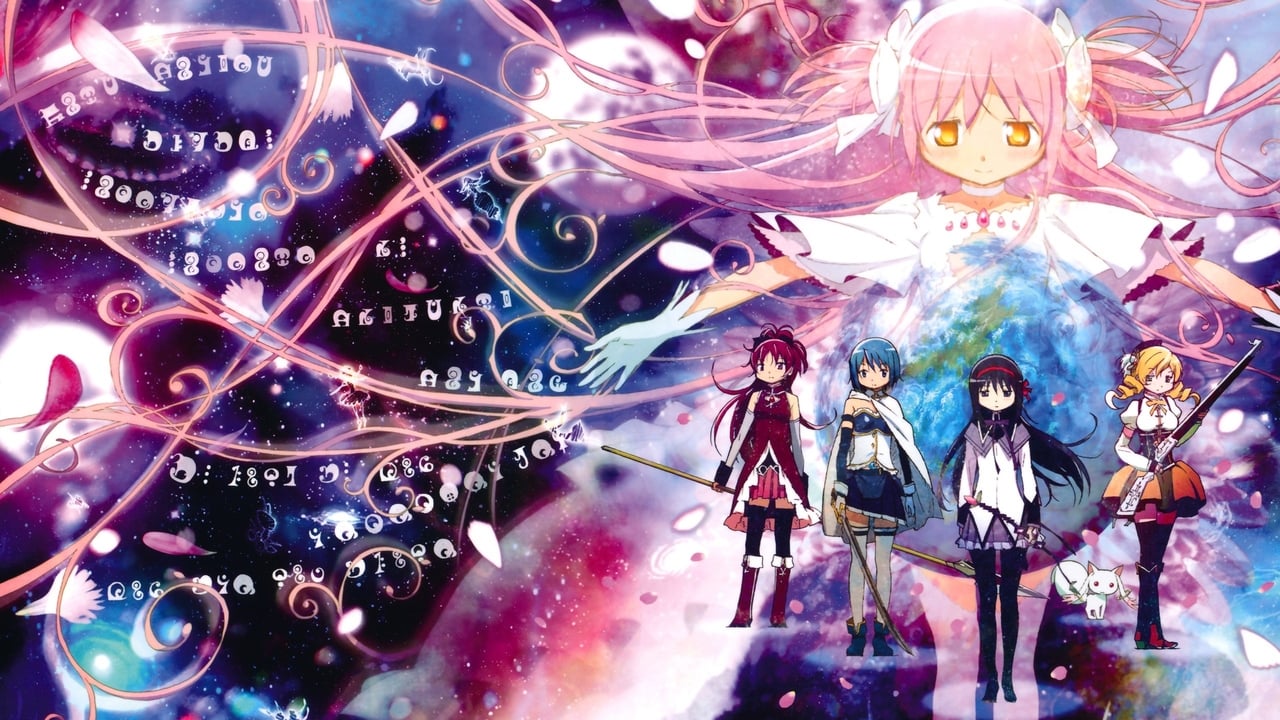
In pictures

Frequently Asked Questions
What is Walpurgisnacht Rising?
It is the direct sequel to Puella Magi Madoka Magica the Movie: Rebellion, continuing the story after its infamous ending.
When will the film be released in Japan?
The current Japanese theatrical release date is 28 August 2026.
Why are fans so invested in this movie?
Because Rebellion ended with a highly debated choice by Homura, and this film may finally address the consequences.

