If you’re into Japanese games, or you’re learning Japanese through them, this is exactly the kind of moment where hype, language, and release timing line up. Miss the window before the Direct, and you might miss the traffic too.
![Dragon Ball Z: Kakarot [Master Edition]](https://s.pacn.ws/1/p/1eh/dragon-ball-z-kakarot-master-edition-908785.1.jpg?v=t8ja8t&width=400)


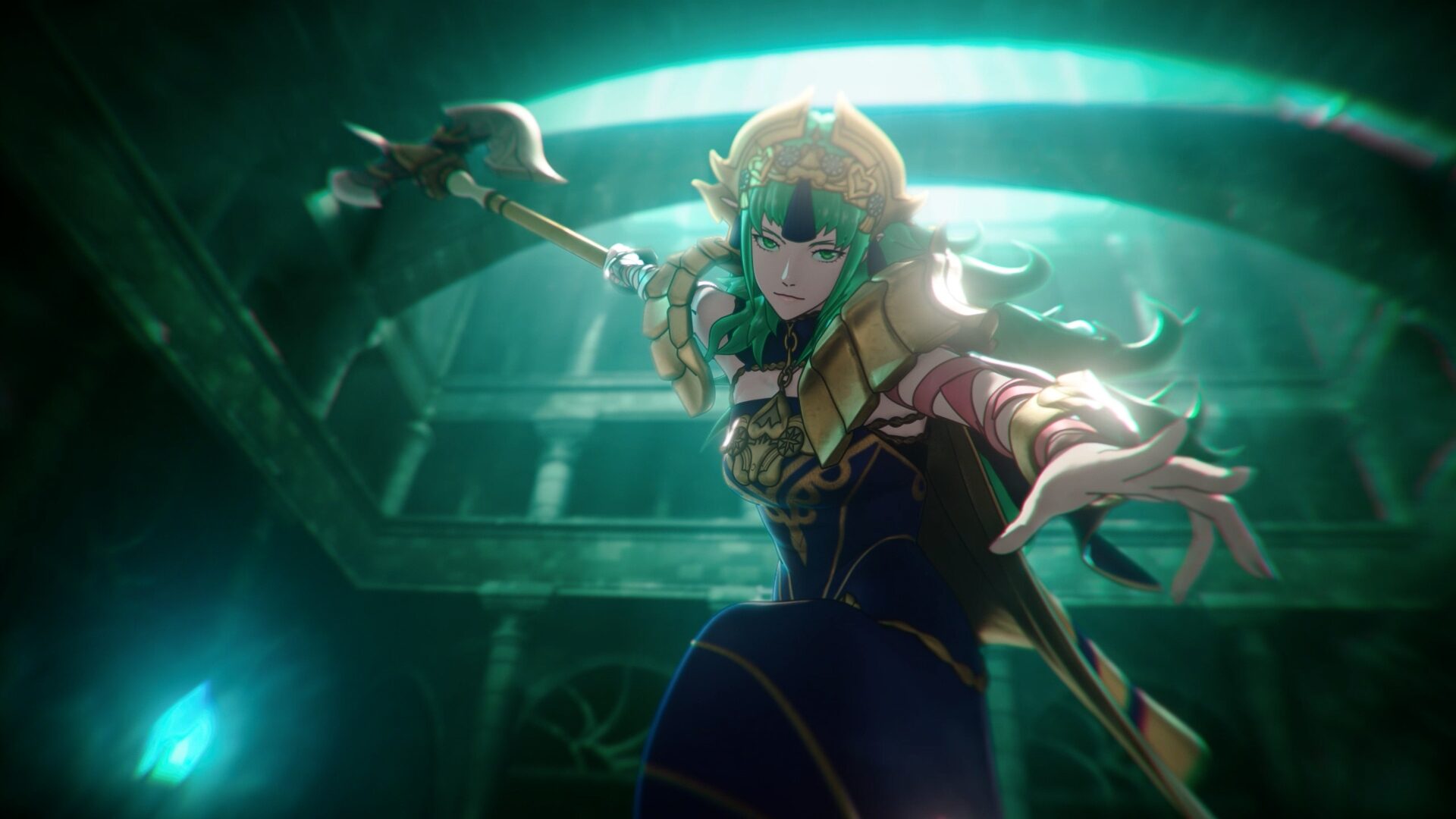
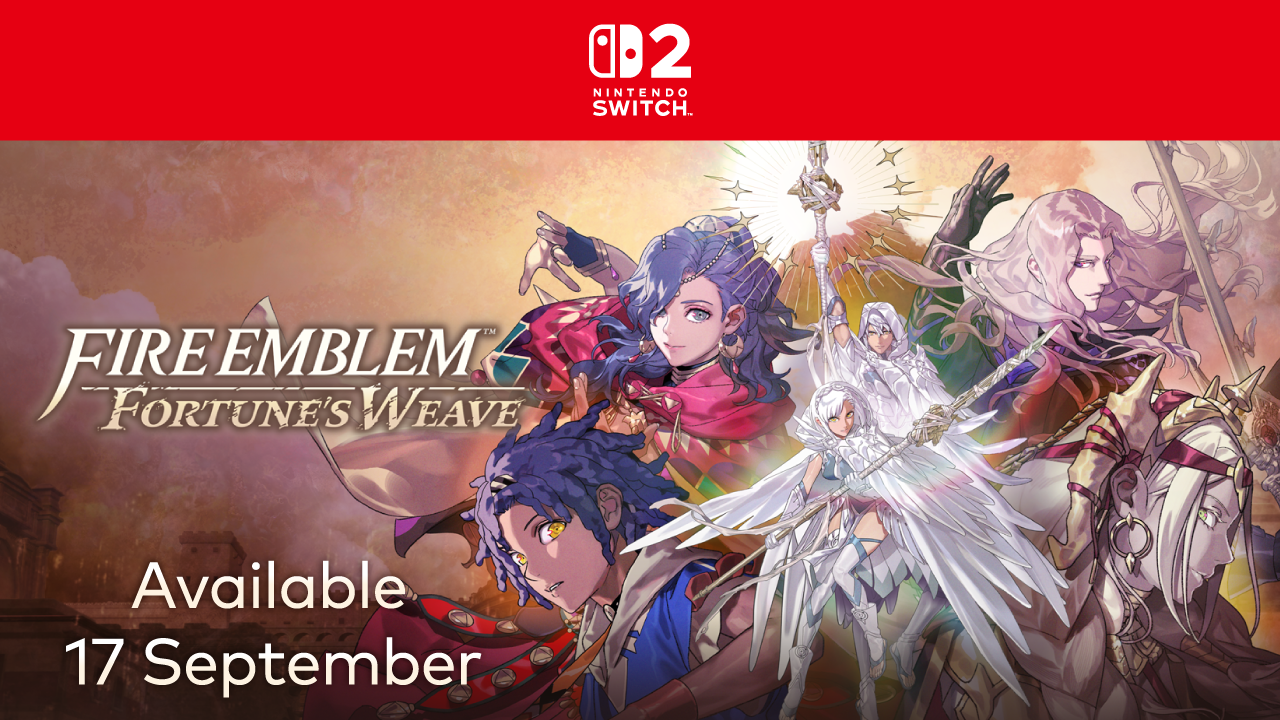
Fire Emblem: Fortune's Weave is one of those titles that can shift from niche curiosity to hot topic almost overnight. Right now, the spike is real, demand moved from 9 to 100, and the countdown to Nintendo Direct on June 9 is doing a lot of the heavy lifting. Wild, isn’t it?
What most people don’t know is that this kind of pre-Direct pattern can matter more than the reveal itself, at least for anyone publishing news or guides. If you wait until after June 9, you might still get clicks, but the strongest pre-show search traffic is already gone. That’s why this article is meant to go live before the event, not after.
Why Fire Emblem: Fortune's Weave is spiking now
Basically, Fire Emblem is a proven Nintendo name, and its fan base watches every Direct like hawks. The series began on Famicom in 1990 with Intelligent Systems, and in the West it became a much bigger name after Fire Emblem Awakening on Nintendo 3DS in 2012. Since then, every new hint, teaser, or trademark whisper has been enough to send fans searching.
Take Fortune's Weave, for instance. The title alone sounds like a classic Fire Emblem subtheme, something between fate, bond, and battlefield strategy. That kind of wording is catnip for fans who track naming patterns, and it gives Japanese learners a neat little language clue too, because words like 運命 (unmei, fate), 絆 (kizuna, bond), and takt can echo the same dramatic feel you see in the series' localisations.
And it gets better: Nintendo's own timing makes the wave even stronger. The official Nintendo Germany site at Nintendo is one of the places fans watch for regional updates, and once a June 9 Direct is on the calendar, search behaviour starts to cluster hard around that date. My tip: don't underestimate how fast that cluster can vanish once the livestream is over. From my experience, the days before the event are often the sweet spot.
June 9 Nintendo Direct and the inverted YouTube pattern
Picture this: a teaser drops, YouTube searches explode, then the algorithm cools off before the actual presentation. That inverted pattern is what makes pre-Direct coverage so interesting. Instead of a neat rise after the reveal, you often get a noisy climb before the show, followed by a smaller second wave once the trailer is out.
Compared with back home, where some game news cycles are slower and stretch over days, Nintendo hype can hit like a summer 祭り (matsuri, festival) crowd in Osaka, fast, loud, and packed shoulder to shoulder. No joke: a title can trend hard for a few hours, then fade if your post arrives too late. If you’re building jpnerd content, timing isn’t just helpful, it’s the whole game.
What the 9 to 100 jump tells us
Demand rising from 9 to 100 isn’t just a random line on a chart. It shows that the topic moved from low-level interest into peak curiosity, likely because people started linking the game name, the Direct date, and Nintendo's event cycle. That’s the sort of search moment that rewards fast publishing and clean keyword focus.
Pro tip: if you’re writing for a Japan audience, don’t bury the date. Put June 9 near the top, mention Nintendo Direct clearly, and keep the title specific. Readers don’t want fluff, they want the answer before the stream starts. My verdict: in news SEO, timing beats polish more often than people admit.
What Japanese learners can pick up from Fire Emblem coverage
That reminds me, game news is a great way to learn how Japanese entertainment language works in real life. Fire Emblem itself often uses terms like 青春 (seishun, youth), 勇気 (yuuki, courage), unmei, and 真剣 (shinken, serious; earnest) in promotional copy, and those words show up a lot in JRPG marketing. You don't need to read kana every minute to benefit either, because romaji vocabulary already helps you recognise patterns when you see them later in full Japanese.
Imagine a narrow alley in Tokyo. A little game store has a poster in the window, the staff are chatting about the next Direct, and someone says ありがとう (arigato, thank you) while checking a pre-order sheet. That’s the kind of everyday context where game names, brand names, and fan talk overlap. What I especially like is that Fire Emblem gives you a bridge between hobby language and actual Japanese media habits.
Insider tip: if you follow Nintendo Japan announcements regularly, you start noticing how often teaser language relies on compact, emotional nouns instead of long explanations. That can help learners too, because Japanese game marketing tends to be tight and symbolic. From my experience, those little word choices are often more useful than a full grammar lesson.
Why publishing before June 9 matters for jpnerd readers
Let's be blunt, the pre-Direct window is where the traffic is. If you publish after the Nintendo Direct, the story has already moved on, social feeds are flooded, and the first wave of interest has already been captured elsewhere. For a site like jpnerd.com, refreshing an existing article before the event is smarter than waiting for a post-show recap.
My tip: cover the anticipation, the numbers, and the date together. Mention that demand climbed to 100, point out the June 9 Direct, and explain why fans are watching the cycle so closely. Basically, you're not just reporting a game rumour, you're giving readers a snapshot of how Nintendo hype works in real time.
And here's the part Japan fans will appreciate most, the rhythm feels very Japanese. Hype builds in a short, concentrated burst, like a festival night in Kyoto when everyone arrives at once and the whole street changes in minutes. If you love Nintendo and you want better Japanese reading practice, this is a perfect moment to watch the wording, the timing, and the mood all at once. Wait, there's more.
For more Japan news and updates, see more Japan news on jpnerd.com.
Frequently Asked Questions
What is Fire Emblem: Fortune's Weave?
It appears to be a Fire Emblem-related title drawing strong attention ahead of Nintendo Direct on June 9.
Why is the demand spike important?
A jump from 9 to 100 suggests a sharp rise in search interest, which usually means strong pre-event attention.
Why publish before the Direct?
Because the biggest search traffic often happens before the event, not after it.