
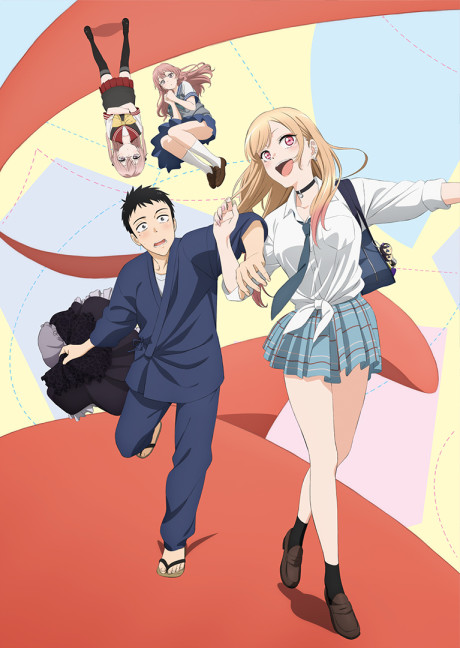
If you love Japan, cosplay, and the little details that make Japanese pop culture so addictive, this show still has plenty to offer. And yes, it’s the kind of anime that can pull Japanese learners in for the language, then keep them watching for the heart.


My Dress-Up Darling Season 2 on Netflix: why the timing feels right
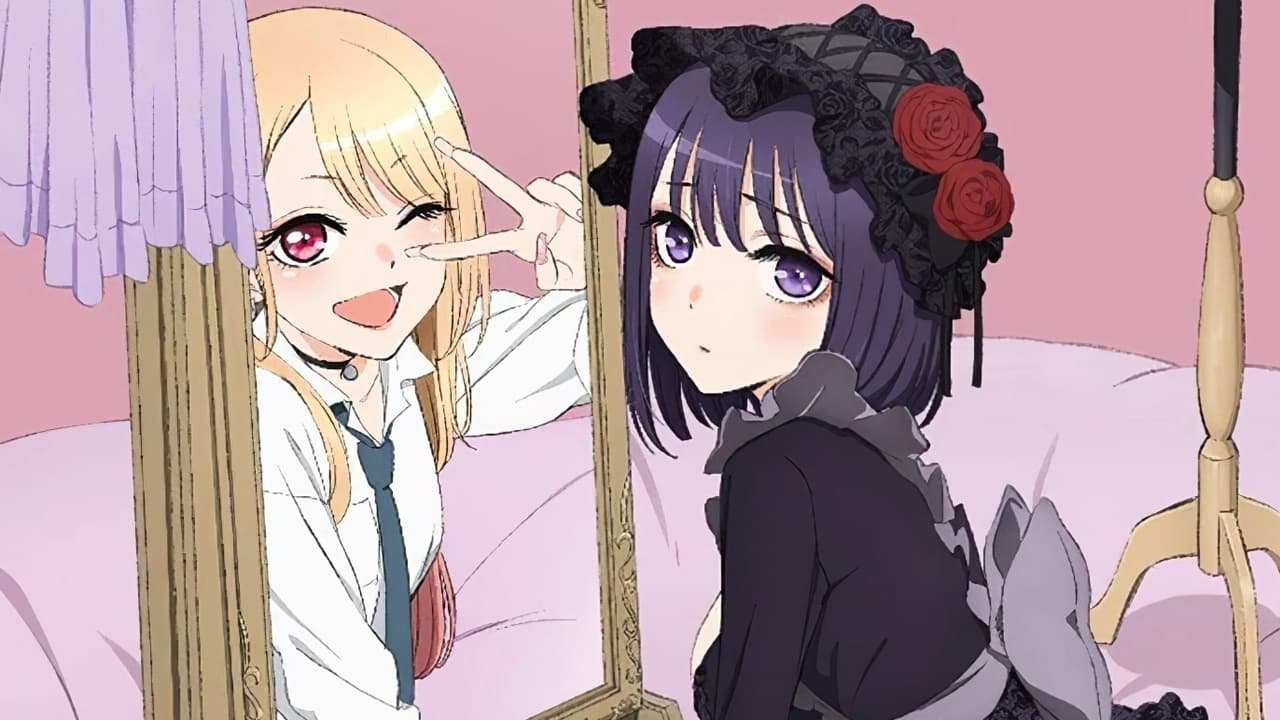
Know that feeling when a series suddenly lands at exactly the right moment? That’s what this Netflix release feels like. My Dress-Up Darling, known in Japan as Sono Bisque Doll wa Koi wo Suru, now has its second season available globally on Netflix, and the manga’s completed status makes it easier to enjoy the story without wondering where it’s all heading.

For Japan fans, that matters. You can binge the anime, then move straight into the manga if you want the full arc, no waiting around for the next chapter of Marin and Gojo’s story. Before I forget, this is also one of those rare titles where cosplay culture, school life, and オタク (otaku, otaku; hardcore fan) subculture actually blend into something warm and very watchable.
Let’s be honest: Marin Kitagawa is the reason a lot of people stick around. She’s confident, funny, and full of that bright, energetic presence you often see at real-life events like World Cosplay Summit in Nagoya, where craftsmanship and character love go hand in hand. Wild, isn’t it? My tip: if you’re learning Japanese, pay attention to how characters talk about hobbies, fabric, sewing, and admiration, because that vocabulary is practical and memorable. See what I mean?
Why Marin is such a strong cosplay character for Japan fans
Marin works because she doesn’t treat cosplay like a gimmick. She treats it like devotion, and that makes her feel believable to anyone who has ever spent a night fixing wig clips, checking a costume seam, or watching makeup tutorials before an event. On a related note, the series also respects the technical side of the hobby, especially through Gojo’s doll-making background, which gives the whole story a craft-focused backbone.
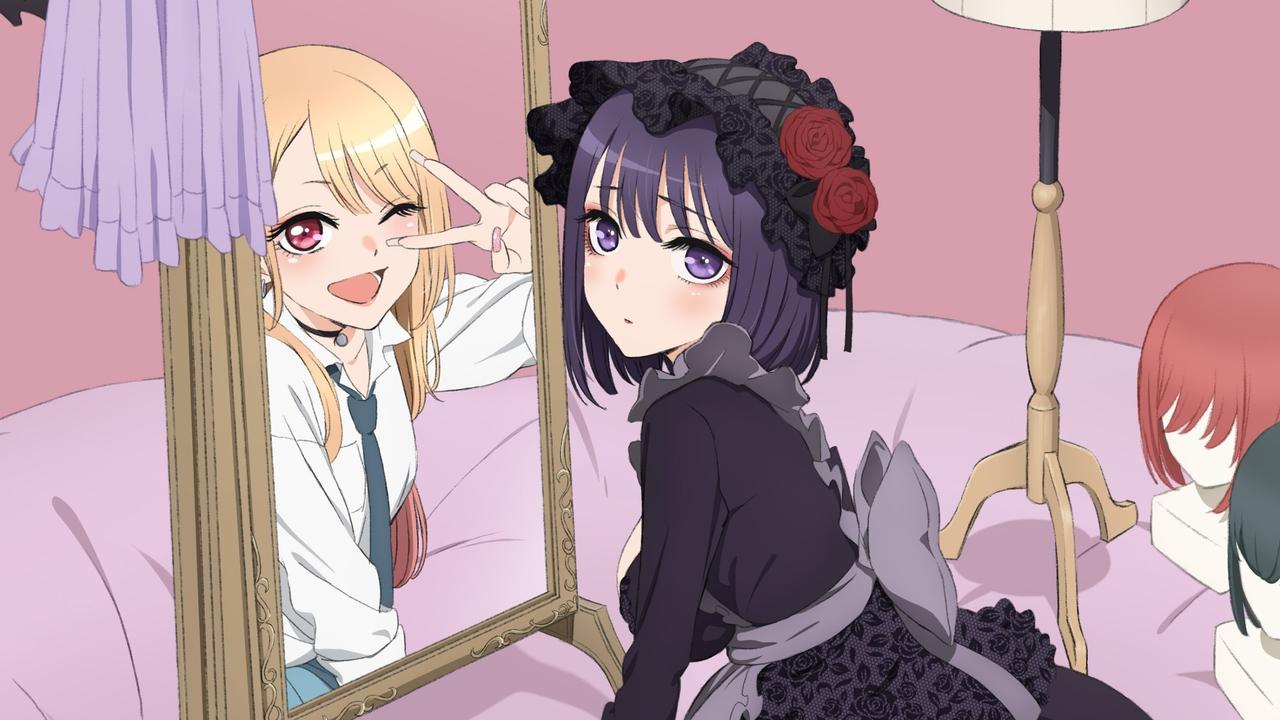
Imagine a narrow alley in Tokyo. You turn a corner and spot a small shop selling fabric, buttons, lace, and sewing tools, the kind of place that feels tiny from the outside but endless inside. That atmosphere is all over My Dress-Up Darling. The anime understands that Japanese hobby culture often lives in details, not spectacle alone. And it gets better: Marin’s enthusiasm is infectious, so even viewers who know nothing about cosplay can still enjoy the process. Simply brilliant.
Useful Japanese words you’ll hear in this kind of story
If you’re learning Japanese, this series gives you more than cute expressions. Listen for words like 犬 (inu, dog) for dog, 趣味 (shumi, hobby) for hobby, 縫い (nui, sewing) for sewing, 可愛い (kawaii, cute) for cute, and kisei isn’t the right one here, so don’t mix it up with costume-related terms. You’ll also hear a lot of casual speech, which is helpful if you want to get comfortable with everyday dialogue rather than textbook patterns.
Here’s the kicker: anime that sits in a school setting can still teach useful social language. Marin and Gojo often switch between casual and careful speech, and that contrast is gold for learners. You start hearing how tone changes based on comfort, age, and personality. Wait, there’s more.

Studio CloverWorks, manga finale, and why Season 2 matters now
Fun fact: the anime is produced by CloverWorks, the Tokyo-based studio also known for titles like Horimiya and Spy x Family. That tells you something about the visual polish. Faces are expressive, cloth textures stand out, and the lighting gives the show a soft, almost handmade feel that suits the story.
And because the manga has already reached its ending, the series now has a clear shape for new viewers. You can start Season 1, continue into Season 2, and then decide whether to jump to the manga for the full emotional payoff. That’s why this Netflix launch feels like more than a licensing update. It’s a clean entry point, and for a lot of people, that’s the difference between postponing a show and actually watching it.
Here’s the catch: if you’ve been waiting for an excuse, this is probably it. Streaming access removes the biggest barrier, especially for viewers outside Japan who used to rely on scattered availability. My verdict: if you like romance, craft, and character-driven anime, the timing is excellent. Insider tip: it’s also a great pick if you want a series that feels modern without being loud all the time. See what I mean?

Spira Spica, opening songs, and the easy playlist effect
What I especially like: the music is easy to revisit after the episode ends. Season 1’s opening theme by Spira Spica became closely linked with the series for many fans, and that matters because anime music often shapes how a show lives on outside the screen. The OP energy gives the whole story a bright launch, then sticks in your head for days. Wild, isn’t it?
If you’re the kind of person who keeps an anime playlist while studying, this is an easy add. The sound is upbeat without being overdone, which makes it good background music for reading, commuting, or reviewing Japanese vocabulary. And since streaming access and the manga ending now line up so neatly, My Dress-Up Darling feels less like an isolated title and more like a complete package.
Before I forget, if you want to follow more Japan-related updates, keep jpnerd.com in your bookmarks. You’ll find anime news, language angles, and pop culture context in one place, which is exactly what fans and learners usually want. That makes the series not just worth watching, but worth talking about too. My verdict: start it now, and enjoy the ride.
In pictures
Frequently Asked Questions
Is My Dress-Up Darling Season 2 on Netflix worldwide?
Yes, the second season is available globally on Netflix in supported regions.
Do I need to watch Season 1 first?
Yes, Season 1 sets up the characters, the romance, and the cosplay focus.
Is the manga finished?
Yes, the manga has ended, so new viewers can enjoy the anime with a clear endpoint in mind.

