

For Japan fans and language learners, this shift is worth watching. It says a lot about modern daily life in Japan, from AI curation and subscription boxes to the rise of restaurants where you don't even choose your own meal.
When people in Japan talk about what makes something worth buying, they used to start with コスパ (kosupa, value for money / cost performance), short for cost performance. Then came タイパ (taipa, time efficiency / time performance), short for time performance. Now a third idea is getting attention, メンタパフォーマンス (menta pafoomansu, mental performance / reduced mental load), or mental performance, and it asks a new question: does this make my brain feel lighter?

Cohort directive wise, this isn't just a cute buzzword. It reflects real fatigue, especially among younger consumers who are tired of constant scrolling, too many choices, and the pressure to make every decision “optimal.” If you understand kosupa and taipa, menta pafoomansu is the next step in the same story.
From kosupa to taipa to menta performance
Kosupa became a major everyday word in Japan because it matches a very practical mindset. People ask whether a 弁当 (bento, lunch box), a pair of sneakers, or a hotel room gives enough value for the money. In a country where quality control is famously high, price alone doesn't decide everything, value does. That mindset has been visible for years in places like Don Quijote, Uniqlo, and the endless convenience-store arms race.
Then taipa took over in the 2020s. The idea was simple: don't waste time. Watch a short video instead of a long one, pick a restaurant that gets food to your table fast, use apps that reduce friction, and squeeze more satisfaction out of each hour. Streaming platforms, recipe apps, and travel tools all leaned into that feeling. No wonder, because Japan's daily life is packed, and commute time, part-time work, and side hustles all add pressure.
The best part is that menta pafoomansu goes one layer deeper. It's not only about price or speed, it's about how much mental load a product, service, or experience removes. That means fewer choices, less comparison, and less decision fatigue. Sounds weird, but it's true. From my experience, that's exactly why some people now prefer a curated solution over a cheaper one that forces them to think too hard.
Let me show you why this matters. A product with strong mental performance can be slightly more expensive or slightly slower, and still win if it protects your attention. Personally, I think this is a very Japanese kind of evolution, because it keeps the old value logic, but adds emotional and cognitive efficiency.
What Japanese consumers are buying now
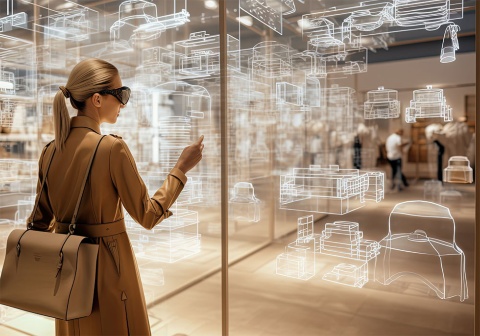
Did you know that...? Many of the most promising products in this trend aren't flashy at all. They're designed to reduce choice anxiety. AI-guided selection services are one example, where apps suggest clothes, cosmetics, gifts, or travel plans based on your history and preferences. In Japan, companies like ZOZO have built entire business models around helping users pick better, faster, and with less stress.
AI-guided selection and curated subscriptions
Stelacase-style fashion curation, beauty sample subscriptions, and meal-kit services all fit here. You don't have to compare 40 items, read 18 reviews, and still worry you chose wrong. A good curation box says, “We'll handle the thinking.” That's why subscription services can survive even when people are being more careful with spending.
Quick detour: this also explains why Japanese convenience retail keeps experimenting with ready-made sets, limited menus, and seasonal picks. When a store says, “This is the recommended one,” it reduces the burden of choice. For language learners, the word to notice is おすすめ (osusume, recommendation), meaning recommendation. In Japan, an osusume label can carry real weight, especially when customers are overloaded.
No-choice restaurants and decision relief
Imagine a narrow alley in Tokyo. You find a tiny counter restaurant with eight seats, one chef, and a fixed menu. You don't pick ten toppings, you don't negotiate portions, and you don't scroll through a tablet for five minutes. A place like that can feel oddly luxurious now, because the meal starts the moment you sit down. That's mental performance at work, even if the restaurant never uses the term.
On the flip side, this is where the “no-choice” idea becomes powerful. Omakase sushi already works this way, but the same logic is spreading to ramen shops, lunch sets, and even airport dining. In Tokyo, this kind of service is attractive because it turns a small daily decision into something calm and efficient. The best part is that you don't leave mentally drained.
One real-world example is the growth of omakase booking platforms and chef-driven tasting counters in Tokyo, Osaka, and Kyoto. The customer pays for trust. They don't want control, they want relief. Highly recommended: if you ever study Japanese food vocabulary, notice how often service language focuses on trust, recommendation, and simplicity.
Why attention detox is part of the story
That reminds me: this trend connects neatly to Japan's wider attention-detox mood. Younger users, especially people in Generation Z, are tired of endless SNS feeds, forced comparisons, and algorithmic pressure. The result is a quiet shift toward simpler interfaces, cleaner design, fewer notifications, and offline hobbies that feel calm instead of performative.
Quick detour: this isn't only a Japanese issue, but Japan has its own twist. The country already values order, tidy presentation, and service that anticipates your needs. So when consumers get tired of information overload, they don't always rebel loudly. They often move toward products that politely remove noise.
Search for this pattern in travel apps, wellness products, and even digital devices. A hotel that pre-sets your check-in. A planner app that gives one clear suggestion. A skincare brand that narrows the routine to three steps. These are all mental performance plays, because they save attention as much as time or money. What I especially like is that they fit the Japanese taste for restraint, not excess. But that's not all.
My tip: if you're learning Japanese, pay attention to how this trend changes everyday vocabulary. Words like kangaeru (to think), erabu (to choose), and raku (easy, comfortable) appear constantly in consumer talk. The deeper message is simple. In Japan, a good product now has to be cheap enough, fast enough, and mentally easy enough.
In pictures
Frequently Asked Questions
What does mental performance mean in Japan?
It means a product or service saves mental effort, not just money or time.
How is it different from cost performance and time performance?
Cost performance is about value for money, time performance is about speed, and mental performance is about reducing stress and decision fatigue.
Which businesses benefit most from this trend?
AI recommendation services, curated subscription boxes, and restaurants with fixed menus or omakase-style service.


