
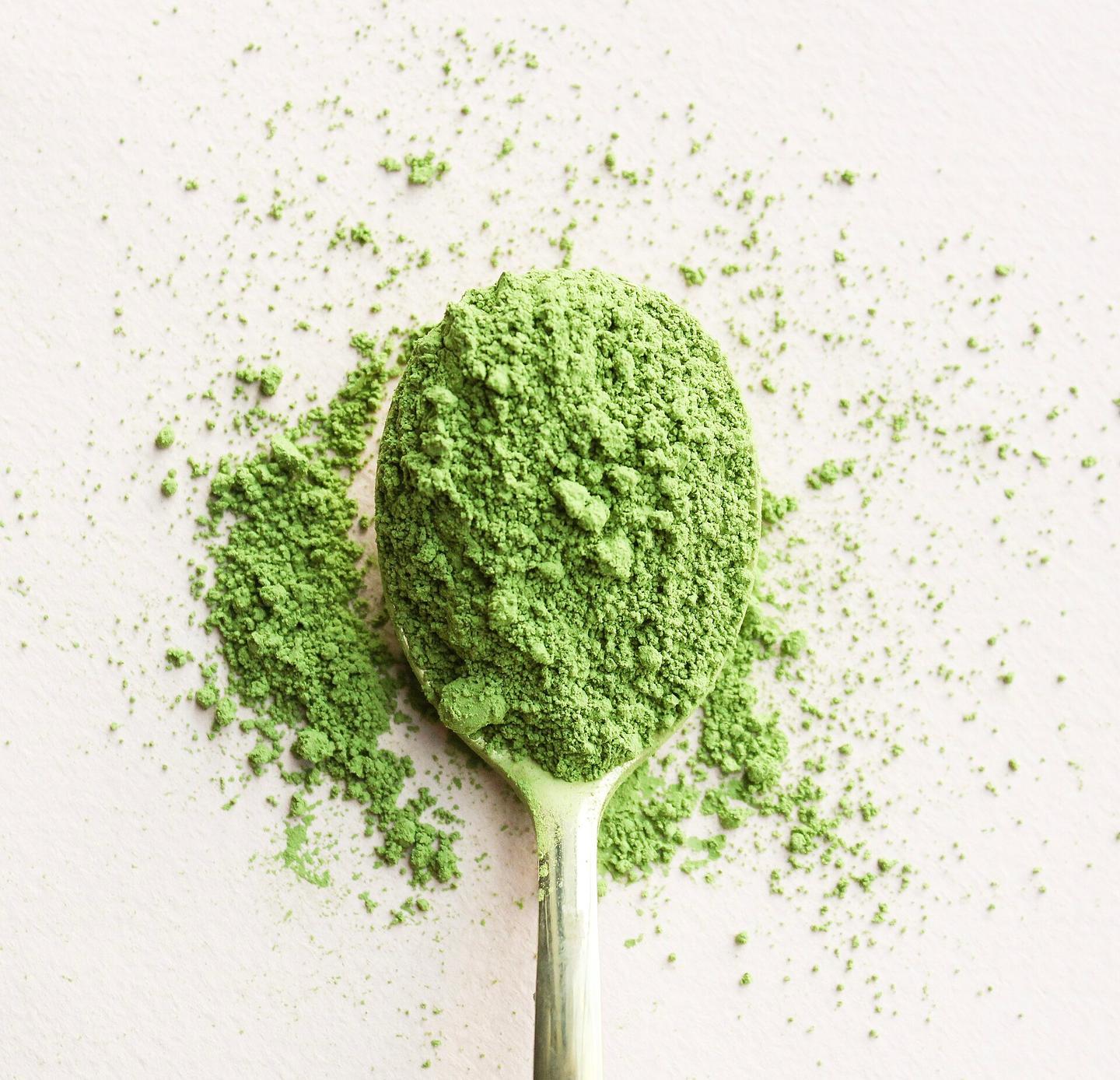
If you love Japanese food and drinks, this matters more than it may seem. The same powder that turns up in lattes, sweets, and home cooking is now caught between domestic demand and global demand, and that’s creating real strain in the supply chain.
Matcha prices in Japan are rising for a simple reason: supply is tight
Here’s the thing: 抹茶 (Matcha, powdered green tea) isn’t just powdered tea. It starts as 碾茶 (tencha, tea leaves used to make matcha), a shaded green tea leaf that must be grown, steamed, dried, and then carefully ground in stone mills or industrial equipment. That process takes time, and Japan doesn’t have unlimited capacity.
Kyoto and Kagoshima remain two of the most important tea-producing areas, and both have been feeling the pressure. According to Japanese media reports, some producers are already warning that they can’t keep up with new orders, especially from overseas buyers. When production is limited and demand jumps, prices move. Classic market logic, isn’t it?
Hand on heart: this isn’t just a trendy drink story. It’s a farming story. Tea growers need more workers, more land management, and more stable income before they can plant extra bushes. That means a fast price shift today can turn into a long-term production problem tomorrow.
Why the worldwide matcha boom is pushing Japanese tea farmers
Fun fact: matcha used to be a niche product outside Japan. Now it’s everywhere, from cafe menus in New York and London to supermarket shelves in Berlin and Seoul. Social media helped, of course, but so did the broader interest in Japanese food, lighter desserts, and drinks with a clean green colour.
That popularity has changed buying patterns. Export buyers often want larger, more consistent volumes than small domestic channels. They also place orders early and in bulk. For a tea farmer, that sounds great on paper, but it can mean less flexibility, more pressure to standardise, and a higher risk of running short during the season.
While we’re at it: there’s also a difference between matcha for drinking and matcha for cooking. Ceremonial-grade matcha needs very careful handling. Culinary-grade matcha is used in cakes, ice cream, 餅 (mochi, rice cake), and sauces, and it’s often bought in larger quantities. When both segments grow at once, the squeeze gets worse.
My tip: if you’re a Japanese learner, this is a useful time to remember a few words. noukagyou means agriculture, 冷凍 (reitou, freezing; refrigeration) means refrigeration, and 価格 (kakaku, price) means price. You’ll see these words often in food and business reporting. They’re practical vocabulary, not classroom filler. My verdict: worth learning.
Green tea prices are rising, not just matcha
Did you know that matcha doesn’t exist in a vacuum? The broader green tea market in Japan is also under pressure. Tea farmers grow more than one kind of tea, and the economics of 煎茶 (sencha, steeped green tea), 番茶 (bancha, coarser everyday green tea), hojicha, and tencha are linked in real life, even if consumers treat them as separate products.
Rising costs for fertiliser, fuel, packaging, and transport are adding to the problem. Labour is another issue. Japan's rural farming regions are ageing, and tea fields need pruning, harvesting, and careful maintenance. If a farmer can’t secure labour at the right time, leaf quality drops, and that affects price too.
Oh, and almost forgot: weather matters as well. Tea harvests depend on temperature, rain, and timing. A bad spring can tighten supply, and a strong summer demand season can make the shortage feel even sharper. When you combine weather, labour, and export demand, even a familiar product like matcha can become more expensive faster than people expect.
What this means for tea drinkers in Japan
For Japanese households, the effect is already visible. Stores may limit purchase quantities, and small shops may raise prices more gradually than large chains. Some cafes switch blends or shrink serving sizes. That’s not always easy to notice at first, but it changes the everyday matcha experience.
On the flip side: higher prices can help farmers keep going, if the money reaches them. That part matters. Tea farming is hard, seasonal work, and many growers have been struggling for years with thin margins. A better price can support better pruning, better processing, and better long-term planning. Personally, I think that point is often lost when people talk only about cheap lattes.
How Japan is balancing export demand and local supply
Quick detour: Japan has a long history of exporting tea, but the current matcha boom is on a different scale. Buyers abroad often want Japanese origin specifically, because they associate it with taste, colour, and trust. That reputation helps exports, yet it also puts Japan in a delicate position. If too much product leaves the country, local shoppers notice the shortage first.
Some producers are trying to expand capacity, but tea bushes don’t grow overnight. New fields take years before they produce stable yields. Stone milling also has limits, because it’s slower than large-scale industrial grinding. Even with investment, the industry can’t instantly catch up with a sudden wave of global demand. That’s why supply pressure can last longer than a single season.
For learners of Japanese culture, this is a good example of how food, farming, and economics meet in one cup. Matcha isn’t only a flavour. It’s part of a production chain, a regional industry, and a modern export story. When you order a matcha latte, you’re touching all of that, even if only indirectly. See what I mean?
If you want more context on food and current events in Japan, you can also read more Japan news on jpnerd.com.
Frequently Asked Questions
Why is matcha becoming more expensive in Japan?
Demand is rising faster than supply. Export demand, labour shortages, and higher production costs are all pushing prices up.
Is the price increase only about matcha?
No. Other green teas are also affected by farming costs, weather, and labour shortages.
Will prices go back down soon?
Not quickly. Tea production takes time, so any increase in supply will likely be gradual.


