
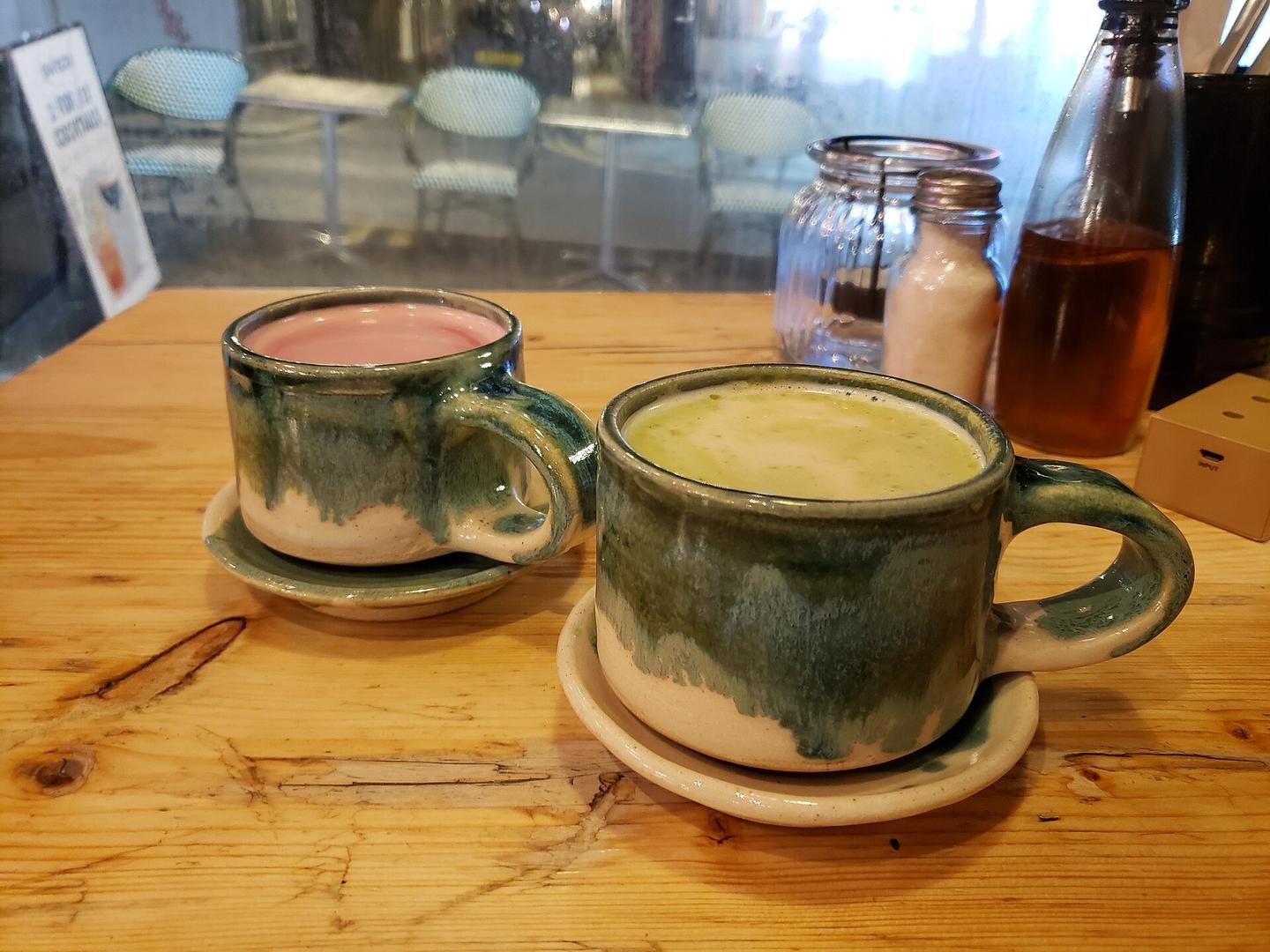
I love following stories like this because they sit right at the crossroads of culture and daily life. 抹茶 (matcha, powdered green tea) looks simple in a cup, but once you start looking closer, you uncover labour, branding, and regional change.
Why this matcha report stood out in Japan's media scene
Matcha in Japan has become a story that crosses food, tourism, and local industry. That’s part of why an Mbc Radio report on the subject drew attention and ended up winning a Galaxy Award, one of Japan's best-known honours for broadcast excellence. The award matters because it signals serious journalism, not just a seasonal feature about green tea lattes.
Basically, the report did more than praise a trendy flavour. It treated matcha as a cultural product with real-world consequences. And that’s what makes it worth paying attention to.
For Japan fans and language learners, this is a good example of how media topics can reveal vocabulary and context at the same time. Words like 茶 (cha, tea), matcha, and 煎茶 (sencha, green tea) are easy to recognise, but the surrounding language often points to bigger ideas like brand power, regional identity, and supply pressure. Classic Japan, isn't it?
The matcha boom across Japan: from Kyoto to Kagoshima
Take Kyoto, for instance. Long before matcha became an Instagram drink, the city was already tied to tea ceremony culture, 和菓子 (wagashi, Japanese sweets) pairing, and the quiet prestige of high-grade 碾茶 (tencha, tea leaves used for matcha). That older image still shapes how visitors think about matcha today, even when the cup comes with cold foam or sweet syrup.
But Kyoto is only part of the story. Yame in Fukuoka, Uji in Kyoto Prefecture, and Nishio in Aichi Prefecture are all closely associated with Japanese tea culture, while Kagoshima has become a major production area for green tea. When demand spikes, these regions are asked to do more than preserve tradition. They’re asked to scale it.
Here's the catch: matcha production isn't as easy as growing more tea leaves and grinding them faster. True matcha starts with shaded tea leaves, usually tencha, which are then dried and stone-ground. That takes time, skill, and equipment. If you've ever tasted a good 薄茶 (usucha, thin tea) bowl, you know the difference immediately. My tip: if you see the phrase usucha in a tea menu, that's the lighter, more whisked style.
What the boom looks like on the ground
In practical terms, the boom can mean longer lead times, higher prices, and more pressure on farms that already face ageing workforces. It can also mean that small producers get caught between international demand and local expectations. Some tea makers want to keep quality high, but buyers often want volume, consistency, and export-ready packaging. See what I mean?
Speaking of which, the regional angle is what made the radio report feel grounded. A good broadcast story doesn't just quote numbers. It lets you hear what a place is carrying. In tea towns, that can mean warehouse work, seasonal labour, and the quiet worry that a once-stable product is now moving faster than the people who make it.
What the Galaxy Award says about the report's strength
The Galaxy Award is given in Japan for outstanding work in television, radio, advertising, and related media. It is a respected name, and for good reason. Winning it suggests that the Mbc Radio team did the hard part well: they found a local issue, built it into a wider story, and kept the reporting clear enough for listeners outside the tea industry.
Trust me on this one: that is harder than it sounds. A report can have all the right facts and still feel flat if it doesn't connect the human side with the economic side. This one appears to have done both. It looked at matcha as a beloved product, but also as a supply chain under strain. My verdict:
That balance is why award juries notice a piece like this. The best regional journalism in Japan often works this way. It starts with a place, then quietly opens onto national change. A local tea report can end up saying something about labour, consumer taste, and the speed of cultural branding. And that's why the topic has stayed in the spotlight.
Matcha, language, and what learners can discover from this story
Know that feeling when a food word turns out to carry a whole culture with it? Matcha is one of those words. For Japanese learners, it is worth noticing how often it appears alongside terms like genki, 改善 (kaizen, continuous improvement), and omotenashi in tourist contexts, even when the real story is more complicated than the menu suggests.
What I especially like is that this kind of news report gives you practical language context. You can hear how media frames a regional product, how speakers describe pressure on producers, and how local identity is folded into everyday commerce. If you are studying Japanese, that is gold. Not because you need to memorise everything, but because the words start to live inside a real scene.
Fun fact: Japan's tea culture isn't frozen in time, even when it looks traditional from the outside. It adapts, argues with itself, and keeps moving. Matcha is a perfect example. It can be ceremonial, stylish, exportable, and fragile all at once. That tension is what makes the current boom so interesting.
For me, the most revealing part of this story is not the drink itself. It is the way a simple green powder can become a mirror for regional Japan. You can taste the marketing, the labour, and the heritage in the same cup. That’s not a small thing. It’s culture in motion.
And if you want to keep following stories like this, stay close to the places behind the product. Tea regions in Japan often have the most to say when the rest of the country starts paying attention. This is my absolute hidden gem!
Frequently Asked Questions
Why did the matcha report win attention?
Because it turned a popular food topic into serious regional journalism and won a Galaxy Award for strong broadcast reporting.
Why is matcha such a big topic in Japan right now?
Demand has grown at home and abroad, but production takes time, labour, and careful processing, which puts pressure on tea regions.
Can Japanese learners use this topic to study language?
Yes. It is a good way to learn food vocabulary, media language, and regional terms through a real cultural story.


