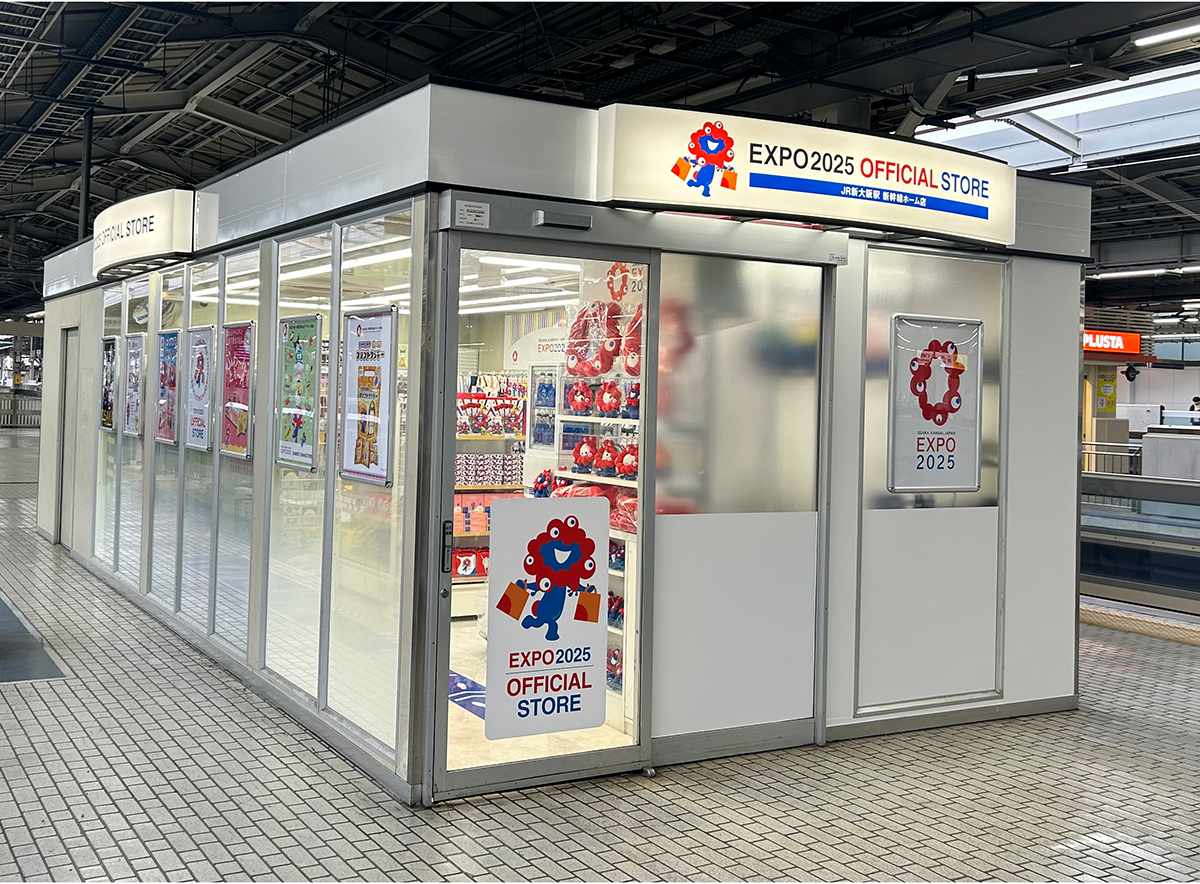
For Japan travellers, this is a neat snapshot of station shopping and event-driven food culture. You get a limited-time Expo comeback at the station, and a long-term 弁当 (BENTO, lunch box) presence in the city.



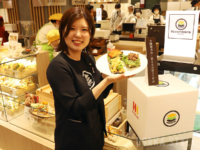
JR Shin-Osaka Shinkansen Homestore brings back the Expo buzz
Know that feeling when you step into a station shop and suddenly the whole trip feels more alive? That’s exactly the vibe at JR Shin-Osaka 新幹線 (shinkansen, bullet train) Homestore right now, because the Osaka-Kansai Expo store has returned there for a limited run. The shop sits inside one of the busiest transfer points in western Japan, so it makes perfect sense that Expo goods would reappear here first.

What many overlook is that Shin-Osaka isn’t just a rail hub, it’s a retail stage. People rushing for the shinkansen often still stop for souvenirs, 駅弁 (ekiben, station bento), regional snacks, and event goods, even if only for a minute. That quick stop is part of Japanese station culture, and it explains why Expo-themed items feel so natural in this setting.
Here’s the catch: this return is temporary. The Osaka-Kansai Expo store is back, but only for a limited period, so if you want those branded goods, you shouldn’t assume they’ll be there next month. In Japan, these short shopping windows create real urgency, and fans know to move fast. Wait, there’s more.
Why Osaka station shops and Expo stores work so well together
Let me show you why this combo works. Japanese stations have long been more than transport points, they’re retail ecosystems. At major stations like Shin-Osaka, you can buy gifts, lunch boxes, sweets, and limited collaboration items without leaving the station complex. That makes them ideal for pop-up concepts tied to a major event like the Osaka-Kansai Expo.
Fun fact: the word ekiben refers to boxed meals sold at train stations, and that whole culture is built on the idea that travel food can be part of the experience, not just fuel. Expo goods fit into that same mindset. They’re practical, collectable, and tied to a moment in time. For visitors learning Japanese, this is a great place to notice how everyday shopping and event marketing blend together in Japan.
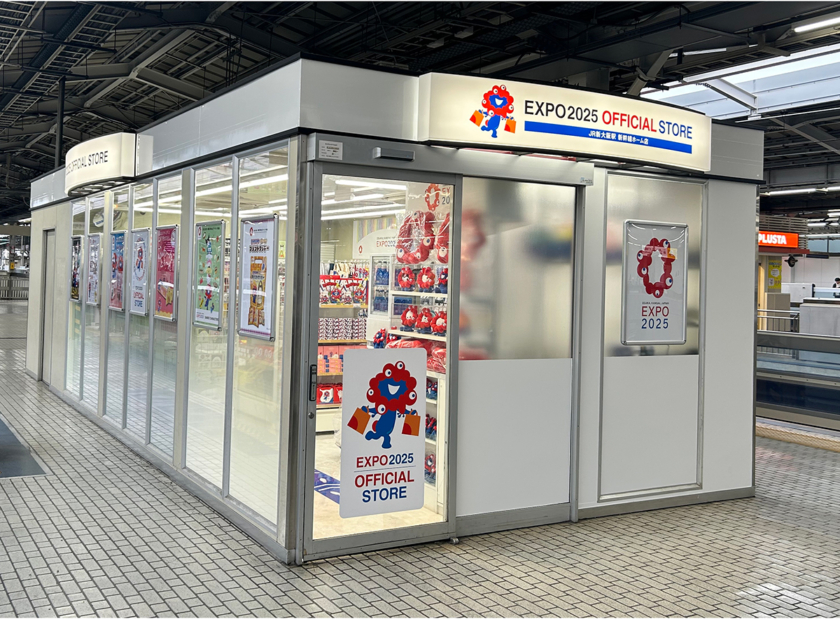
A great example: a station shop near a shinkansen platform can sell both a local sweet and a souvenir linked to an international event. That mix isn’t random, it’s very Japanese. The store becomes a tiny exhibition of place, season, and travel. Not bad, right?
Useful Japanese terms you’ll see around these shops
Compared with back home, Japanese retail signage often says a lot with very few words. If you see shinkansen, that’s the bullet train. If you see homestore, you’re usually looking at an official base shop or main outlet. And if a product is limited-time only, words like 期間限定 (kikan gentei) or 指定期間 (shitei kikan, designated period) can signal that it won’t be around forever.
My tip: when you’re exploring station shops in Japan, keep an eye on display signs and dates. Many items are seasonal or tied to events, so the best finds are often the ones with the smallest shelf life. From my experience, that’s where the fun starts. Convinced yet?
One-Hand BENTO gets a permanent home at Abeno Harukas
Compared with the temporary Expo store at Shin-Osaka, One-Hand BENTO is taking the opposite route. Starting 29 April, it gets a permanent store at Abeno Harukas in Osaka. That’s a big deal, because Abeno Harukas is one of the city’s best-known landmarks, and a permanent food shop there has the kind of visibility most brands dream about.



What I especially like is that the name One-Hand BENTO tells you exactly what the concept is about. These bentos are made for easy eating on the go, one hand, no fuss. That fits Osaka perfectly, a city where people appreciate food that’s tasty, practical, and a little playful. Highly recommended: if you’re into Japan’s grab-and-go food scene, this is my absolute hidden gem!
Take One-Hand BENTO, for instance. It sits at the intersection of convenience and culture, because bento in Japan is never just a packed meal. It can signal travel, nostalgia, design, and regional identity all at once. A permanent store gives the concept room to grow beyond a temporary trend, and that makes it especially interesting for repeat visitors.
What this means for Osaka food fans
Let’s be honest: permanent locations matter. A pop-up can create excitement, but a fixed shop creates habit. If you’re staying in Osaka for a few days, or if you live there, Abeno Harukas becomes the kind of place you can return to when you want something easy, branded, and distinctly Japanese. That’s a different experience from the limited-time Expo shop, and the contrast is part of the story.
For Japanese learners, this also gives you a nice shopping vocabulary bridge. You’ll hear words like bento, お土産 (omiyage, souvenir), and kaisan or teiban depending on context, and you’ll see how retail spaces use language to guide behaviour. Japan teaches you with signs as much as with lessons, and this is a perfect example. Wait, there’s more.
Why this matters for Japan fans and language learners
The first time I went to Japan, I was surprised by how often station shopping became part of the day. You buy a snack before the train, a gift after work, and maybe an event item just because it catches your eye. This Osaka update sits right inside that pattern, and it’s a great reminder that Japanese travel culture is built around small, well-timed purchases.
For Expo fans, the temporary comeback at Shin-Osaka gives you a reason to stop by the station even if you’re not boarding a train. For bento fans, Abeno Harukas gives you a stable place to track down One-Hand BENTO after 29 April. Those are two different shopping moods, but both feel very Osaka: energetic, efficient, and a bit celebratory.
If you’re studying Japanese, notice how often event culture and food culture overlap in everyday life. That overlap is useful vocabulary in action, and it’s also one of the easiest ways to understand modern Japan beyond the textbook. From my experience, that’s where real learning sticks.
In pictures

Frequently Asked Questions
Where is the Osaka-Kansai Expo store back again?
It has returned at JR Shin-Osaka Shinkansen Homestore, but only for a limited time.
When does One-Hand BENTO open permanently in Osaka?
The permanent store at Abeno Harukas starts on 29 April.
Why are station shops so important in Japan?
They mix travel, gifts, food, and limited-edition goods, so they are part of daily life as well as tourism.