
For Japan fans, that mix of infrastructure and fandom is classic Japan, isn't it? And for Japanese learners, it's a handy reminder that everyday travel vocabulary can suddenly show up in a very playful setting.
Pokémon airport in Japan: when a terminal becomes the destination
No joke: airports in Japan are already strong on design, cleanliness, and usability, but a Pokémon airport in Japan takes things a step further. The idea isn't just to place a few character posters near the gates, it's to turn the terminal into a proper themed experience that people actually want to visit, photograph, and share.
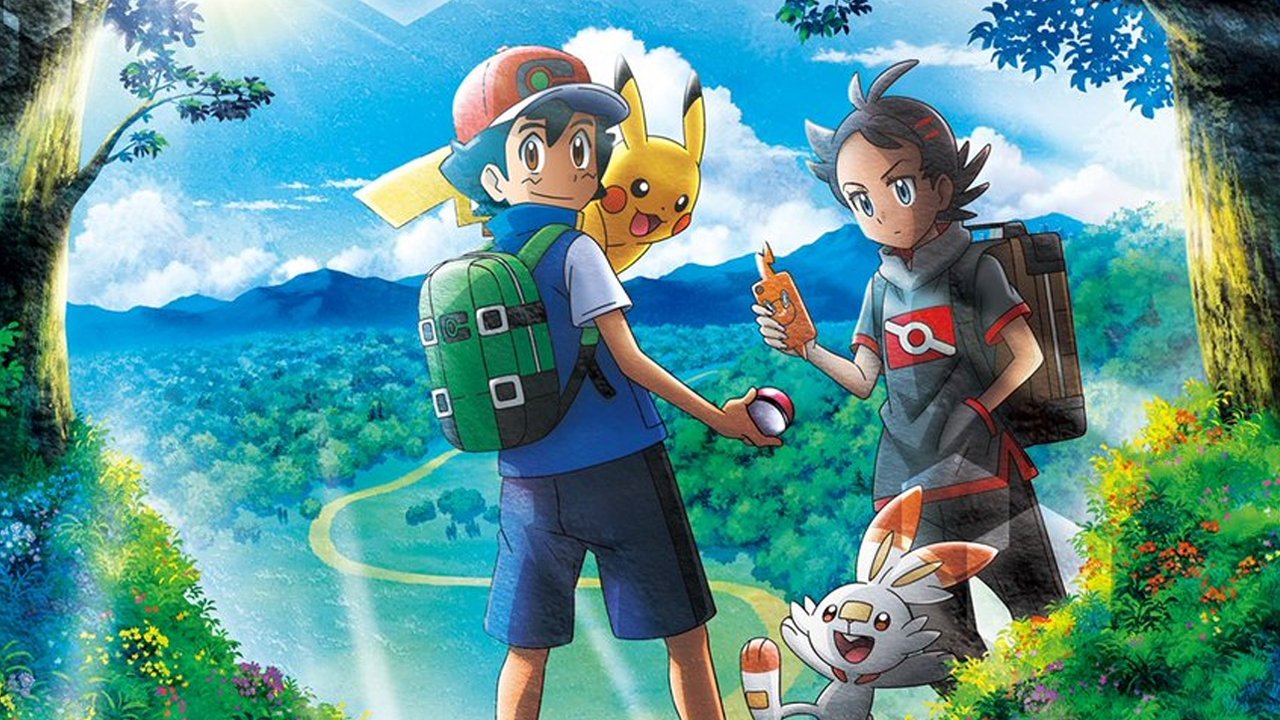
Hand on heart: that is exactly why this kind of story spreads so fast among Japan fans. It blends travel with fandom, and it makes a very ordinary place, check-in counters, waiting areas, corridors, feel like part of the adventure. Sounds weird, but it's true.
Travel meets fandom in a very Japanese way
What many overlook: Japan has long been good at using pop culture to strengthen public spaces. Think of the Pokémon Center Okinawa, which opened in 2022 as a regional fan spot, or the long-running collaboration culture around trains, manhole covers, buses, and shopping arcades. Airports fit that pattern perfectly because they are already full of movement, anticipation, and bright visuals.
Unlike what we're used to in many countries, a Japanese airport can feel like a staged experience instead of a purely functional one. If a terminal gets a Pokémon makeover, it doesn't just attract children. It also pulls in adult fans, photographers, and people who simply enjoy seeing infrastructure treated with imagination. Simply brilliant.

Why this kind of attraction works so well
First, the setting is practical. Everyone passing through an airport has time to look around, and that gives themed design a built-in audience. Second, the brand does a lot of the work. Pikachu, Eevee, and the rest of the Pokémon lineup are instantly recognisable, even to people who don't follow the games closely.
Third, there's a strong shareability factor. A colourful terminal becomes social media fuel, and that matters in Japan travel culture. One photo of a gate area with giant character art can do what a hundred brochures can't. Convinced yet?
What a colourful themed airport actually gives visitors
Seriously though: the appeal isn't only about cute decoration. A proper themed airport can guide visitors through the space with visual cues, photo corners, merchandise zones, and seating areas that feel intentional. When a terminal is designed this way, it stops being background noise and starts becoming part of the trip.
My tip: if you spot a Pokémon-themed area, don't rush straight to the gate. Walk the whole terminal first. Look for display boards, limited-edition goods, local tie-ins, and seasonal details, because Japanese pop-up design often changes with the month, the prefecture, or the event calendar.




Japanese vocabulary you might actually use here
On a related note: airport travel gives you useful everyday Japanese. 空港 (kuko, airport) means airport, 飛行機 (hiko-ki, airplane) is airplane, 切符 (kippu, ticket) is ticket, and 待ち合わせ (machi-awase, meeting up / rendezvous) means meeting up. If you're learning Japanese, themed spaces like this are great because the labels are often short, visual, and easy to connect with real-life objects.
That makes the experience more than just cute. It becomes a tiny vocabulary lesson while you're waiting for departure, and that's a very learner-friendly way to absorb words without sitting at a desk. From my experience...
Why Japan fans love these concrete theme attractions
What most people don't know: Japan is full of concrete theme attractions that sit somewhere between tourism, branding, and everyday life. There are Hello Kitty trains, character cafes, anime train wraps, and even themed convenience store corners. A Pokémon airport in Japan belongs to that same family of experiences, and that's why it feels so shareable.
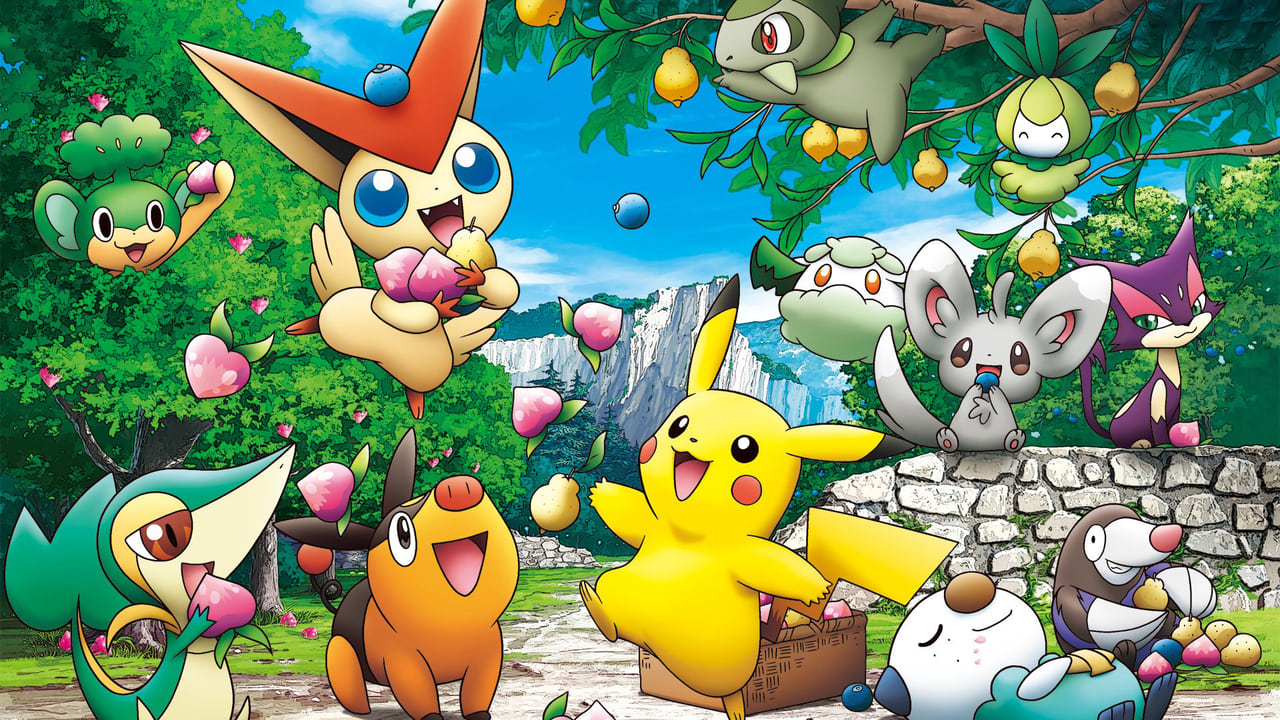
For travellers, this kind of place adds an easy win to the itinerary. You're already going to the airport, so you don't need to make a special detour. Yet you still get something memorable, and that balance between convenience and delight is a big part of why themed infrastructure works so well in Japan.
No exaggeration: the best part is that these projects don't feel random. They usually connect with local identity, seasonal campaigns, or regional tourism plans. That's what makes them more than just decoration, and that's why Japan fans keep hunting for them. Classic Japan, isn't it?
Of course, the real magic is in the details, the colours, the sound of rolling suitcases, the little photo spots, the way a terminal can suddenly feel less anonymous. If you love Japan travel, keep an eye out for these crossover spaces, because they're some of the easiest stories to understand and the easiest to share. Sounds good, right?
In pictures


Frequently Asked Questions
What is a themed airport?
It is an airport or terminal designed around a specific brand, character, or cultural theme.
Why do Japan fans like airports like this?
They combine travel, design, and pop culture in one place, which makes them easy to visit and share.
Is this useful for Japanese learners?
Yes, because airports use everyday words and signs that help learners connect vocabulary with real-life situations.