
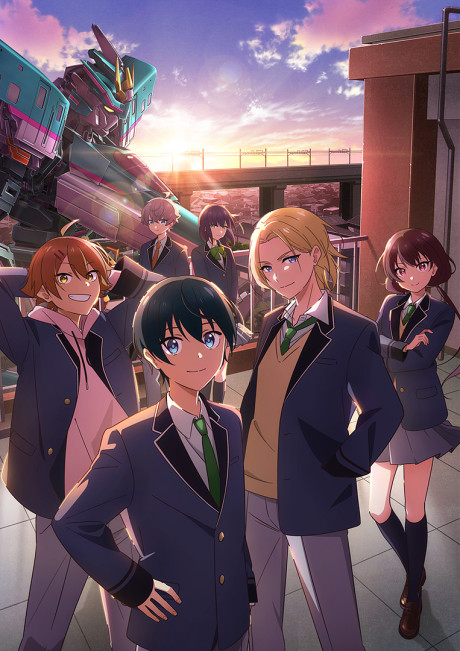
Shinkansen, Genshin Impact, and the Shinkalion connection
Ever wondered why Japanese fans can link a fantasy game like Genshin Impact with bullet trains? The answer sits right at the meeting point of fandom, design, and rail culture. On HoYoLAB, one fan discussion used Shinkalion, the long-running train-transforming anime toy and show project, to explain the 新幹線 (Shinkansen, bullet train) world in a way that Genshin players could instantly recognise.
Basically, if you already understand character classes, elemental themes, and flashy transformations from Genshin, then Shinkalion makes Japan's rail system feel much easier to read. A train is still a train, of course, but in Shinkalion it becomes a hero machine with a clear identity, dramatic poses, and enough merchandising power to make any tomica shelf look serious. No wonder, because Japanese media loves turning real transport into something kids can name, remember, and collect. Convinced yet?

What Shinkalion is, and why Japan fans keep bringing it up
Did you know that Shinkalion began as a collaboration between Tomy and East Japan Railway Company, with the first animated series Shinkansen Henkei Robo Shinkalion airing in 2018? The concept is simple and very Japan: real Shinkansen trains are reimagined as robots that transform into giant メカ (mecha, giant robot). That means the project sits neatly between rail enthusiasm, toy collecting, and anime storytelling.
That brings us to the Tomica connection. Tomica Shinkalion models made the whole idea tangible, because fans could hold a train in one hand and a transforming robot in the other. For younger viewers, that mattered. For adult rail fans, it made the lore feel grounded in actual rolling stock, from models inspired by the E5 Hayabusa to other famous Shinkansen types. In practice, the franchise became a tiny crash course in Japanese train names, shapes, and route pride. Wait, there's more.
Why Genshin fans reacted so strongly
Imagine a narrow alley in Tokyo. A traveller spots a ガチャ (Gacha, capsule-toy style)-style game ad, then sees a kid carrying a Shinkalion toy, and suddenly the same visual language starts to click. Genshin Impact fans are used to characters, elemental powers, region aesthetics, and collectible design, so Shinkalion's bold colour coding and transformation logic feel surprisingly familiar.
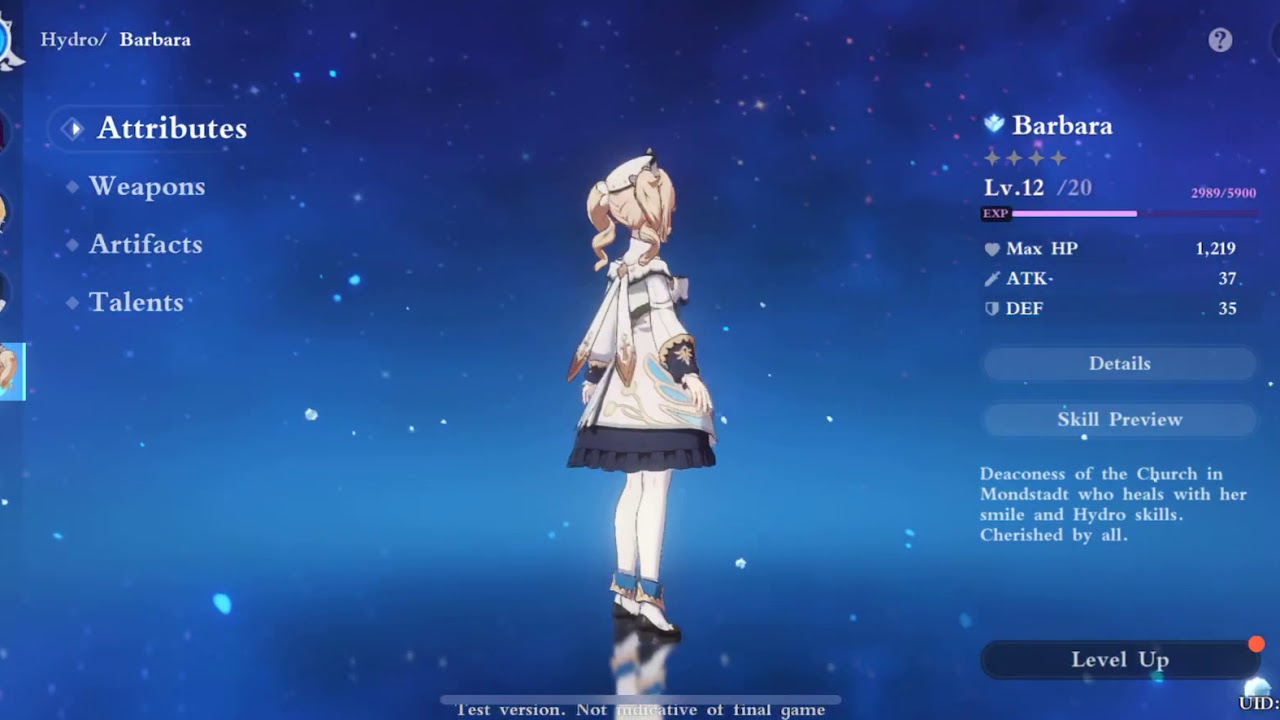
Speaking of which, the HoYoLAB post worked because it didn't treat rail culture as cold hardware. It framed trains like a fandom object, something you can love, name, compare, and debate. That is exactly how a lot of Japanese hobby culture works. You don't just ride the train, you learn the model, the line, the livery, and maybe even the release year. Highly recommended: once you start paying attention, stations stop being background noise and become part of the story.
HoYoLAB, fan discussion, and the power of crossover culture
Quick detour: HoYoLAB is HoYoverse's official community platform, and it has become a lively space for players who want to share fan art, theory posts, cosplay, and cross-media comparisons. Posts there can spread fast, especially when they connect a big global game like Genshin Impact with a Japanese icon that feels both nostalgic and nerdy. Shinkalion hits that sweet spot.
What I especially like: this kind of post doesn't need a hard sell. Fans already understand that Japan's pop culture often runs on shared references, whether that's mecha anime, toy lines, or station-name wordplay. A crossover like this says, in effect, if you like fantasy worlds, look at the real-world systems that inspired Japanese imagination in the first place. Classic Japan, isn’t it?




How train culture becomes fandom language
Compared with back home, where railways are often just transport, Japan treats trains like regional identity, design history, and hobby material all at once. Shinkansen aren't only fast, they are symbols of post-war modernity, starting with the 東海道 (Tokaido, Tōkaidō (Eastern Sea Road)) Shinkansen in 1964, the line that changed domestic travel forever. By the time Shinkalion came along, the visual language was already there, shiny noses, strong silhouettes, and enough engineering prestige to feel heroic.
For Japanese learners, this is also a nice vocabulary lesson. Words like 電車 (densha, train), 線 (sen, line), 駅 (eki, station), and jinja may look basic, but once you see how fans discuss trains online, they become part of a much bigger cultural map. My tip: when you read Japanese fan posts, notice how often practical nouns become emotional ones. A train is never just a train. It can be a memory, a mascot, or a transformation scene. But that’s not all.
Tomica Shinkalion and the toy logic behind the reference
Here’s the deal: Tomica has spent decades making miniature vehicles feel collectible, and that is exactly why the Shinkalion reference lands so well. The toys give fans a physical bridge between real transport and anime imagination. If you've ever assembled a model, lined up cars on a desk, or compared box art with a friend, you'll get the appeal immediately.
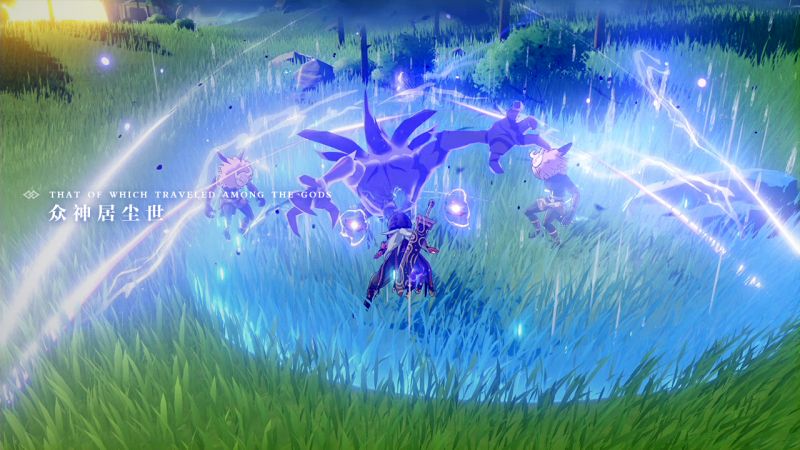
The reference also works because the franchise is deeply tied to Japanese toy culture, where play, display, and fandom overlap. A train becomes a robot. A robot becomes a symbol. A symbol becomes a conversation topic on HoYoLAB, and suddenly Genshin fans are talking about Japanese rail technology, design, and history. That crossover isn't random at all, it’s how modern fandom keeps itself alive.
If you love Japan for both anime and trains, this is one of those rare moments where the two interests meet naturally. The Shinkansen gives you the real-world steel and speed, while Shinkalion turns that into character and spectacle. For learners, that means more than entertainment. It gives you a memorable hook for vocabulary, a clear look at how Japanese franchises build meaning, and a fun reason to keep exploring. This is my absolute hidden gem!
In pictures
Frequently Asked Questions
What is Shinkalion?
It is a Japanese media franchise that turns Shinkansen trains into transforming robot heroes.
Why did Genshin Impact fans talk about it?
Because the visual style and fan culture made it easy to compare with characters, collections, and world-building in Genshin Impact.
Is this useful for Japanese learners?
Yes. It connects train vocabulary, pop culture, and real Japanese fandom habits in a memorable way.
