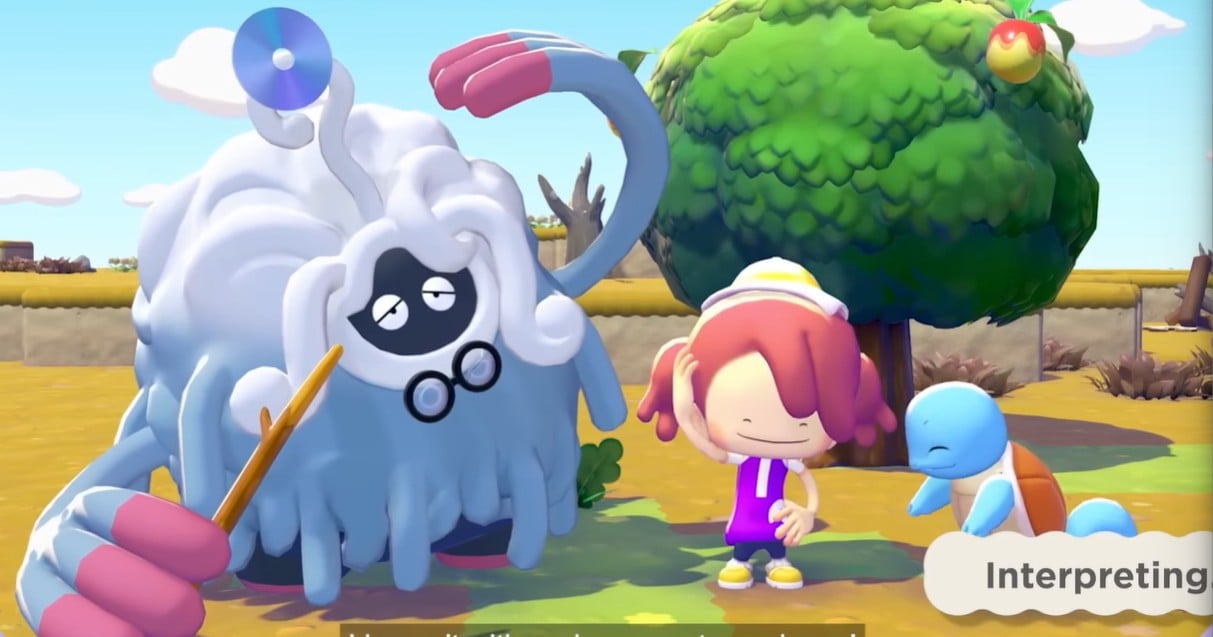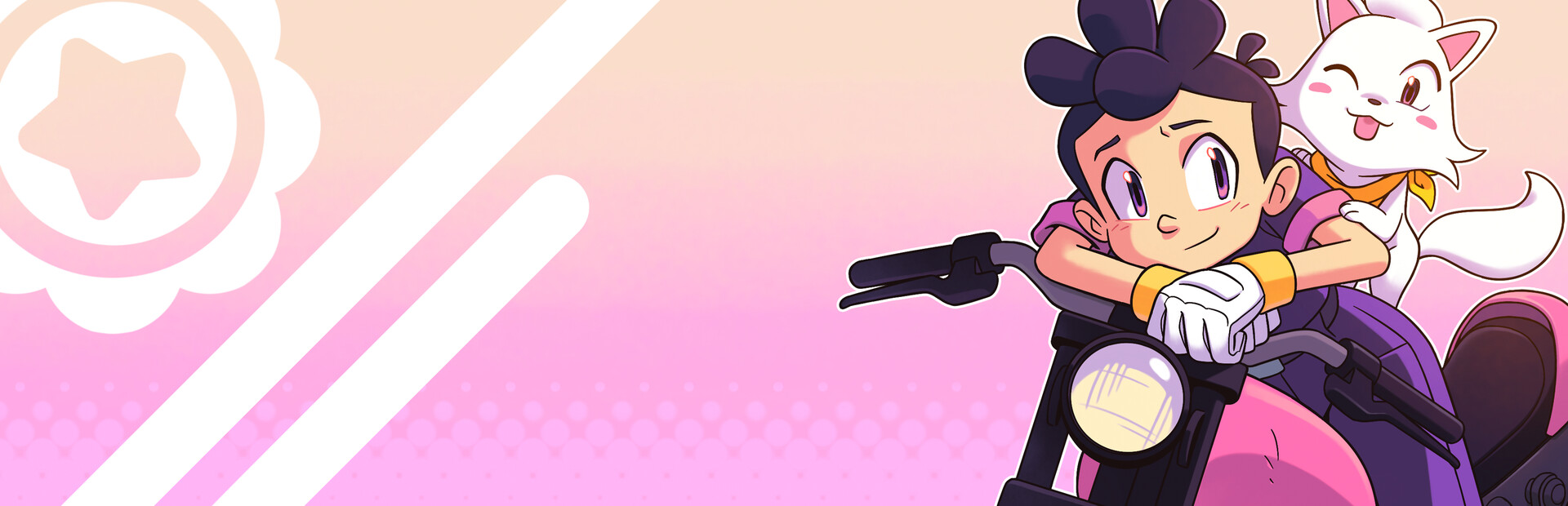
Guess what? It didn’t just blend into the booth noise. It had that rare mix of style, polish, and personality that makes you stop, look twice, and start imagining how it would feel on a Switch screen.
![Dragon Ball Z: Kakarot [Master Edition]](https://s.pacn.ws/1/p/1eh/dragon-ball-z-kakarot-master-edition-908785.1.jpg?v=t8ja8t&width=400)
BitSummit in Kyoto, where indie games get their loudest moment
BitSummit has become one of the most important indie game events in Japan, and Kyoto is the perfect place for it. The city already carries so much game history, from Nintendo’s long legacy to the creative energy that keeps Kyoto feeling both old and new at once.
The event itself began in 2013, and since then it has grown into a serious stage for small studios, solo developers, and publishers looking for attention in the Japanese market. Compared to back home, where many indie showcases get buried under giant franchise headlines, BitSummit feels more like a festival with personality. You can almost hear the enthusiasm in the halls, mixed with controller clicks and the steady murmur of people trying to spot the next surprise hit. Personally, it’s the kind of atmosphere that sticks with you.
Why Kyoto makes the setting matter
Kyoto isn’t just a backdrop, it changes how the event feels. This is a city where tradition and game culture sit side by side, so a summer showcase like BitSummit gets an extra layer of charm. Ever wondered why that matters? Because presentation is part of the story, and in Japan, atmosphere can shape how a game is remembered.
For Japan fans, that matters even more. A cool デモ (demo, demo / trial version) in Kyoto isn’t just a demo, it's a memory tied to location, season, and the broader rhythm of Japanese pop culture. No wonder, because the city gives even a scrappy indie title a sense of occasion. But that's not all.
Petal Runner and the Pokémon-inspired appeal
Petal Runner is the kind of title that instantly triggers comparisons to Pokémon, and that comparison isn’t random. The game leans into a bright creature-collecting vibe, with a world that clearly understands the appeal of cute companions, adventure, and exploration. That doesn’t mean it copies Pokémon, though. It means it borrows the emotional hook that made monster-catching such a powerhouse in the first place.
What many overlook: inspiration and imitation aren’t the same thing. A game can take cues from Pokémon’s sense of discovery, team-building, and friendly rivalry, then build something that feels fresh in its own lane. Petal Runner seems to be doing exactly that, at least from the BitSummit demo impressions. My tip: if you love games where the world itself feels like it wants to be collected, watched, and learned, keep this one on your radar. Sounds good, right?
The look, the mood, and the Switch-friendly dream
From a distance, Petal Runner already has the kind of visual identity that indie fans talk about for weeks. It looks playful, colourful, and readable, which is exactly what you want when a small game is trying to stand out on a crowded show floor. Hand on heart: that first impression matters a lot, especially for games hoping to land on Nintendo Switch, where handheld play and clean visuals can make or break the experience.
There’s also a very Japanese logic to its charm. Cute design, compact scope, and a strong hook, those ingredients fit the same cultural lane that has helped so many animal, monster, and mascot-driven games succeed in Japan. It’s early morning in Kyoto. That kind of game can feel especially at home there, because the city knows how to make small details feel meaningful. Simply brilliant.
Nintendo Indie World, and why the comparison keeps coming up
The Nintendo Indie World connection makes sense, because that showcase has become one of the best places for smaller games to reach a global Nintendo audience. If a game like Petal Runner gets momentum at BitSummit, the next obvious dream is a strong Indie World reveal, followed by that all-important Switch wishlist spike. Nintendo’s audience is used to polished indie charm, and that’s a real advantage.
That reminds me: Nintendo fans don’t always need giant mechanics to get excited. Sometimes all it takes is a memorable art style, a sharp concept, and a world that feels good to move through. Petal Runner seems built for exactly that kind of reaction. It’s the sort of project that can go from “interesting” to “why hasn’t this launched yet?” very quickly, if the final version keeps the same spark. Not bad, right?
Why the Indie World angle matters for Japan learners too
For Japanese language learners, game news like this is a nice gateway into real-world vocabulary. You’ll often see terms like インディー (inderu, indie), demo, and スタイル (sutairu, style) in preview coverage, but more importantly, you start noticing how Japanese media talks about mood, polish, and cute character design. That’s useful reading practice, and it gives you a better feel for how games are discussed in Japan.
If you follow Nintendo Indie World, BitSummit, or other Japanese gaming events, you’ll also notice how the language around them is often shorter and punchier than English coverage. That rhythm is worth paying attention to. It can help you read Japanese announcements faster, even when you don’t know every word. Personally, I think that’s one of the easiest ways to build confidence.
Why Petal Runner stole the show
Petal Runner stood out because it had a clear identity at a festival built on competition. BitSummit is full of clever ideas, but not every game leaves a real impression after five minutes. This one seems to have done that by combining approachable design, Pokémon-like emotional appeal, and a presentation that fits the Nintendo crowd extremely well.
What I especially like: it feels like a game made by people who understand why players love Japan-flavoured creature adventures in the first place, yet still want to build something with its own voice. That balance is hard to pull off. If the final release keeps that balance, Petal Runner could become one of those indie titles people mention whenever they talk about Kyoto’s summer game scene. Sounds good, right?
Frequently Asked Questions
What is BitSummit?
BitSummit is a major indie game event held in Kyoto, Japan, where developers show new projects to players, press, and publishers.
Why is Petal Runner getting attention?
It stands out for its Pokémon-inspired appeal, strong visual style, and the kind of Switch-friendly presentation that appeals to Nintendo fans.
Why does Nintendo Indie World matter here?
Nintendo Indie World is a key showcase for smaller games, so any indie title that gains momentum at BitSummit can look like a strong fit for that audience.