

For Japanese learners, it’s also a neat reminder that pop culture details can turn into language practice. One poster, one film, and one small text choice can tell you a lot about design, branding, and Japanese writing.


LEGO Ideas and the second review round
What most people don’t know is that LEGO Ideas doesn’t work on a fixed, predictable release schedule. Fan designers submit projects, supporters vote, and then LEGO groups the successful entries into review rounds, where it decides what may become an official set.
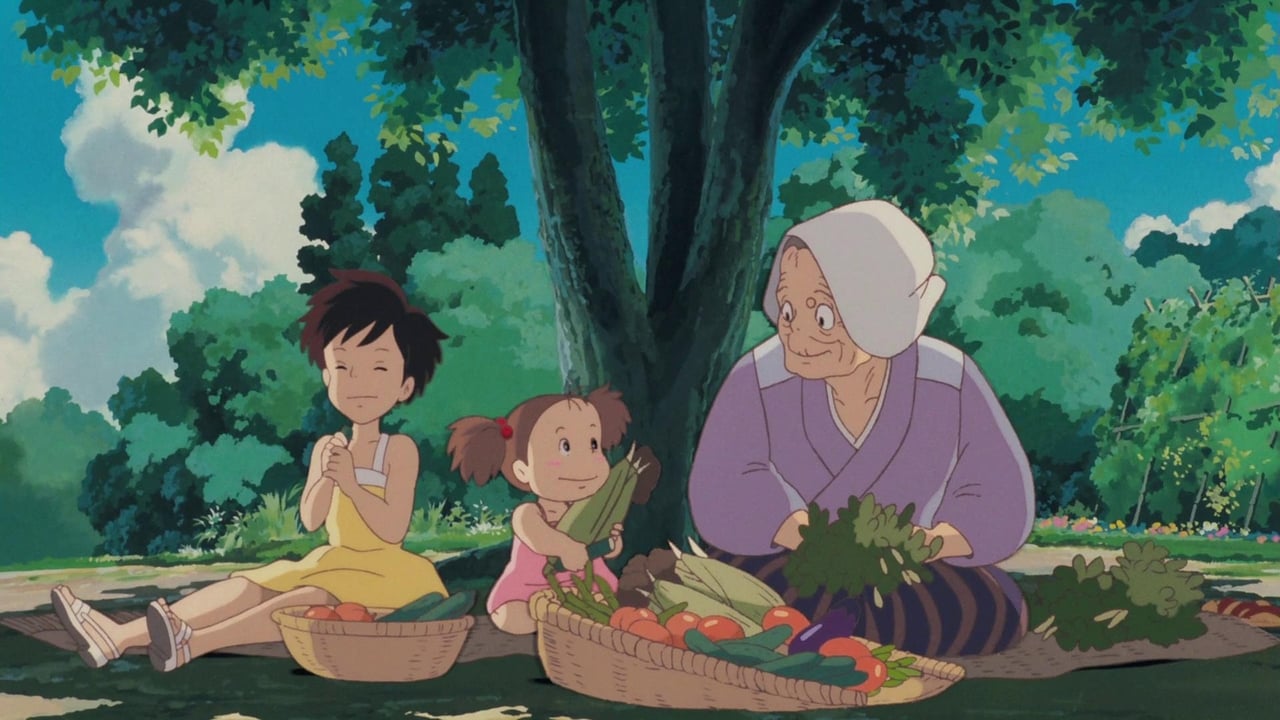
The news this time is that the second LEGO Ideas review of the cycle has welcomed a model with a clear Studio Ghibli link. That matters because LEGO has usually leaned on its own brands, movie licences, and big global franchises. A Miyazaki-related idea sitting in the review pile feels a little unexpected, and that’s exactly why it stands out.
For Japan fans, this is the sort of crossover that lands instantly. LEGO is playful, mechanical, and modular, while Studio Ghibli films are packed with atmosphere, quiet emotion, and hand-drawn warmth. Put them together, and you get something that feels a bit odd at first, but also weirdly natural. Sounds weird, but it’s true.
Speaking of which, the second review round is where fan-made ideas start to look very real. Once a model gets that far, the conversation changes from fandom wishful thinking to business decisions, licensing, and production limits. From my experience, that shift is always the most interesting part of LEGO Ideas news. My verdict: this is where a cute build can turn into an actual collector’s item.
Why the My Neighbor Totoro poster detail matters
The model in question draws on Brick Fanatics' reporting about the first Miyazaki-inspired entry to reach the review stage in this round, and the reference image tied to My Neighbor Totoro is the big hook. Released in 1988 and directed by Hayao Miyazaki, the film is one of Studio Ghibli's most recognisable titles, alongside Spirited Away from 2001 and Princess Mononoke from 1997.
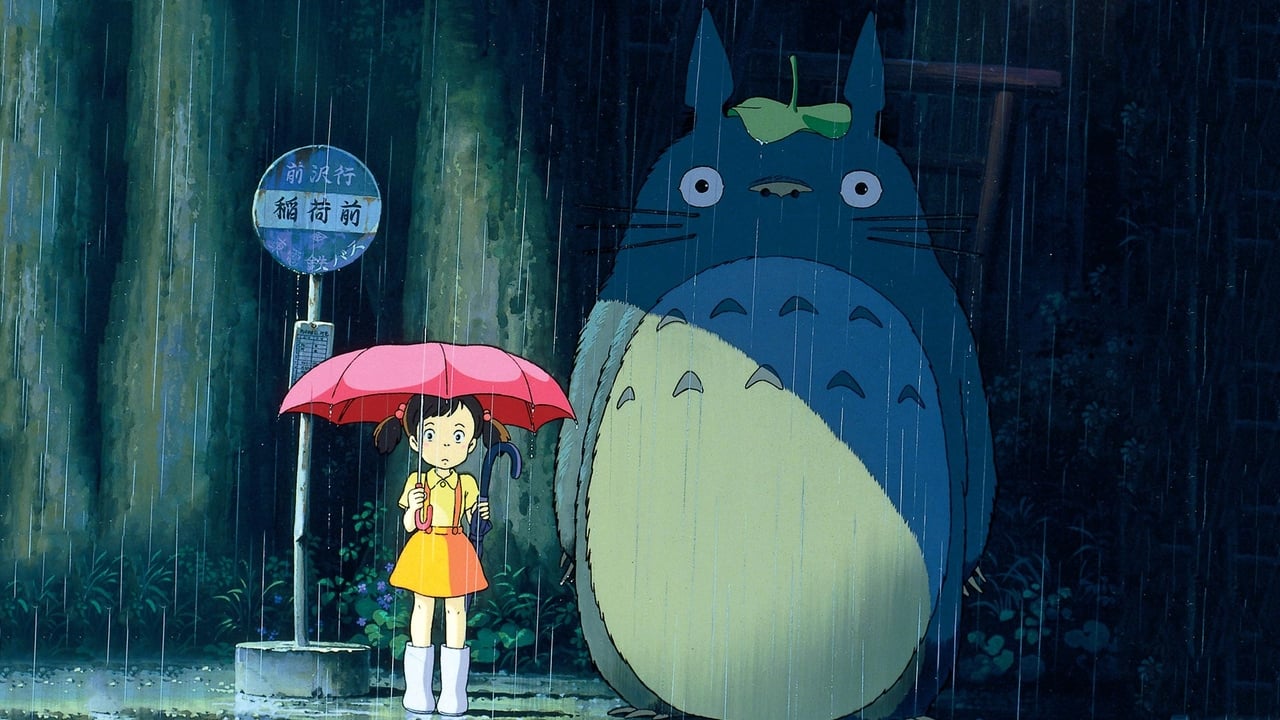
The poster angle is clever because it doesn’t rely only on Totoro himself. Instead, it leans on the visual language of the film, the sort of thing fans spot in one glance. If you’ve spent any time in Japan, you know how often posters, flyers, and station ads do more than advertise a title, they build mood. On a related note, that’s one reason Japanese design feels so rewarding to learn from.
What I especially like is that a poster-based LEGO build naturally invites detail hunting. Is the composition balanced? Are the colours close to the original? Does the model capture the feeling of the artwork, not just the character? LEGO Ideas succeeds when fans can recognise the source material before they even read the caption. No wonder, because...
Kanji on the original poster, and why learners should care
The detail that really gives this project extra texture is the 漢字 (kanji, Chinese characters) on the original poster. That is the sort of thing a casual viewer may skip past, but Japanese learners should absolutely slow down there. The poster doesn’t just say 'Totoro' and leave it at that, it uses Japanese writing to anchor the image in its native context.
Kanji matter here because they change how a title feels. For example, the Japanese title Tonari no Totoro reads simply enough in romaji, but once you see the original typography, the poster stops being a generic film image and starts feeling local, specific, and rooted in Japan. That’s a useful lesson for learners, because Japanese media often mixes hiragana, katakana, and kanji for effect, not just for grammar.
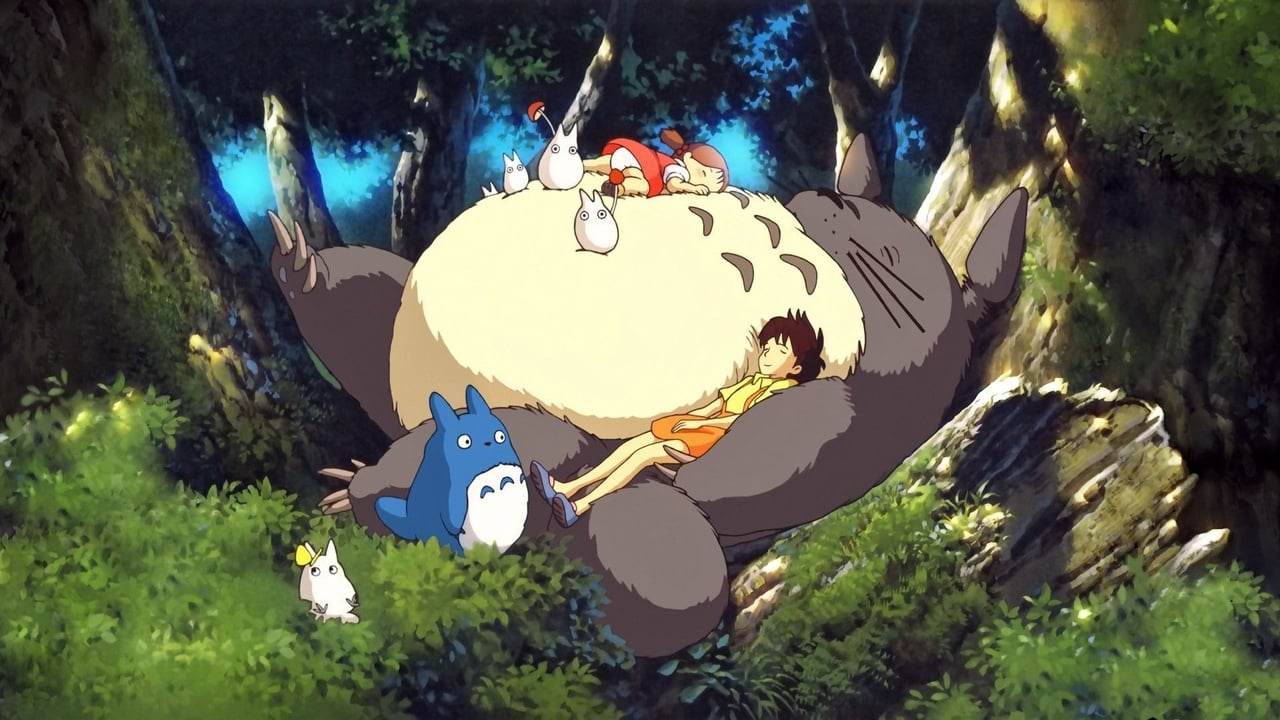
Insider tip: when you study Japanese through posters, titles, or album covers, don’t just read the main words. Check how the writing is arranged, which script is used, and whether the text is bold, handwritten, or formal. Those choices tell you something about tone. Hand on heart, that’s much more fun than memorising isolated vocabulary lists.
For anyone learning Japanese, this Totoro connection is a nice reminder that visual culture can become language study. If you know words like kanji, 映画 (eiga, film; movie), 看板 (kanban, signboard; poster), and pokka for a poster-style mood, you start seeing how Japanese design communicates before a single line of dialogue appears. That reminds me, the best study material is often sitting in plain sight on a film poster or train ad. Wait, there’s more.
Why this crossover hits so well for Japan fans
I still remember how many Japan fans react to Studio Ghibli news like this: they don’t just ask whether a set will be made, they ask whether it feels right. That’s fair. Miyazaki's worlds are built from quiet place, gentle movement, and careful visual storytelling, so any LEGO version has a high bar to clear.
To be fair, LEGO is also a perfect fit for Japanese hobby culture. The country already has a strong scene around model kits, character goods, and display shelves that are arranged with almost museum-level care. A Totoro-inspired LEGO project taps into that same collector instinct, where the box, the print, and the finished build all matter.
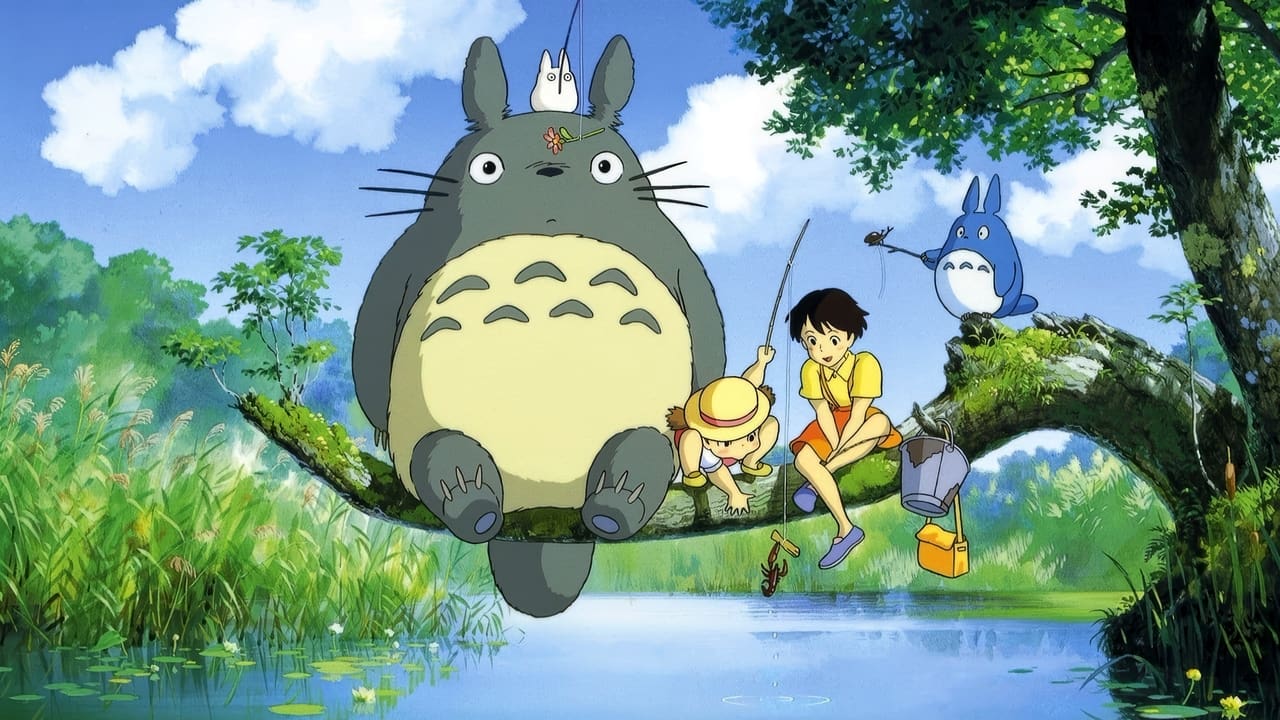
There’s also the nostalgia factor. My Neighbor Totoro is not a niche reference, it is one of the most widely loved Japanese animated films worldwide. For people who learned Japanese through Ghibli films, or who first encountered Japan through anime and art books, this kind of model feels personal. My tip: if LEGO ever turns this into a real set, expect fans to display it next to Ghibli art prints, not just on a toy shelf.
And yes, the kanji detail keeps the whole thing from feeling superficial. It is a small reminder that Japanese culture is often carried by tiny visual cues, not only big names. That’s exactly the sort of thing jpnerd readers tend to appreciate. From my experience...
If you want to follow more Japan news like this, keep an eye on how Western brands borrow from Japanese visual culture, especially when the source material comes from Hayao Miyazaki and Studio Ghibli. A single review-round entry can say a lot about global fandom, design respect, and how Japanese writing still adds meaning even in a toy project. Not bad, right?
In pictures

Frequently Asked Questions
What is LEGO Ideas?
It is a fan-submission platform where builders propose set concepts and supporters vote on them.
Why is the Totoro reference important?
It connects the model to one of Studio Ghibli's most famous films and gives the project instant recognition.
Why mention the kanji on the poster?
Because it shows how Japanese writing adds identity and style, not just text.

