
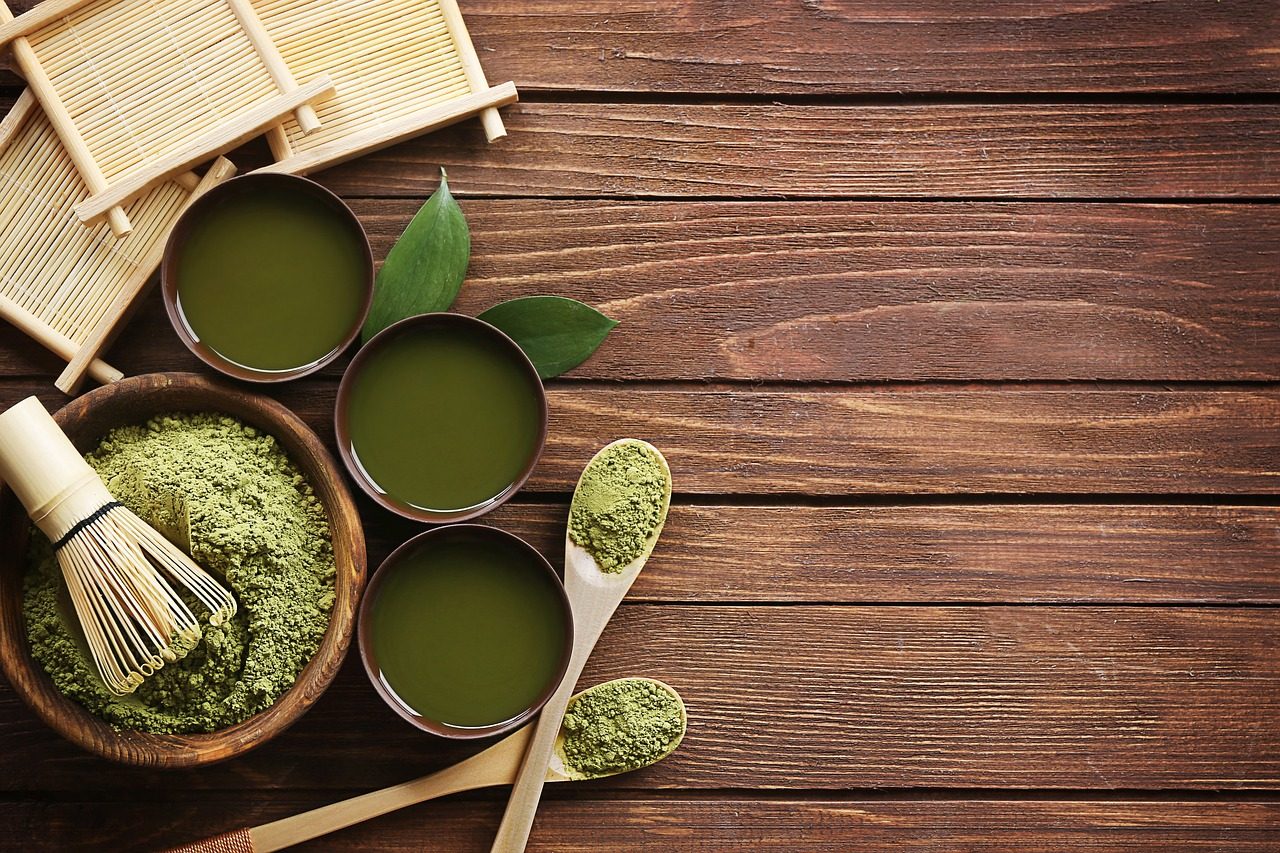
For Japan import buyers, 2026 feels like a year to get serious about supply chains, because 抹茶 (matcha, powdered green tea) demand is still strong and the best partners are getting choosier. If you care about business logic and not just green powder in a tin, this is where the real decision starts.
Matcha from Japan in 2026: why the supplier model matters
Matcha from Japan isn't one single market, it’s a layered one. On one end, you’ve got farms and mills in places like Uji in Kyoto, Nishio in Aichi, and Yame in Fukuoka. On the other, you’ve got trading companies that bundle product, language support, export paperwork, and often a broader supplier network.
That difference matters more in 2026 than it did a few years ago. Export demand stays high, but Japanese producers are also under pressure from labour costs, tea leaf availability, and batch planning. If you're importing for retail, food service, or private label, you can't just ask for "good matcha" and hope the rest works itself out. See what I mean?
Direct factory vs. trading company: the practical comparison
What a direct factory gives you
A direct factory relationship can be excellent if you want tight control over specs. You can ask for particle size, colour tone, 旨味 (umami, savory taste) level, harvest season, and packaging format. That's useful if you're selling premium products or building a brand around one consistent profile.
The best part: you may get better pricing once volumes rise. If a tea mill or processor in Japan knows you're serious, they'll often talk in practical terms, like annual forecast, MOQ, and tolerance on lead time. My tip: if your volume is stable, ask for a factory visit, even if it’s only a video call at first. You learn a lot from how they talk about equipment, storage, and inspection. Convinced yet?
What a trading company adds
Trading companies are often the smarter first step. They can source from multiple factories, handle communication, and smooth out the bumps that come with Japan's exacting business culture. If one mill has a crop issue, a good trading partner may already have a backup line ready.
Compared with back home, where buyers sometimes chase the lowest invoice and fix problems later, Japanese trading companies tend to think in terms of reliability and relationships. That can feel slower at first, but it's often what keeps shipments moving. For small and mid-sized importers, that safety net can be worth more than a tiny price gap. Not bad, right?
How matcha is actually produced in Japan
What most people don't know is that matcha starts long before grinding. Farmers shade the tea plants, usually for around 20 to 30 days before harvest, to raise chlorophyll and amino acids, which help create that deep green colour and rounded flavour. After picking, the leaves become 碾茶 (tencha, tea leaves used to make matcha), and only then are they stone-ground into matcha.
That production chain is why origin and processing matter so much. A great farm doesn't automatically mean great matcha, because milling speed, storage temperature, oxygen exposure, and grinding method all affect the final cup. In Kyoto's Uji area, for example, traditional stone mills are still part of the quality story, while larger processors elsewhere may use modern systems for scale. Classic Japan, isn't it?
Why 2026 buyers should care about processing details
By 2026, buyers are paying more attention to consistency than ever. A bright green sample is nice, but if the next batch swings towards bitterness or dull colour, your customers notice immediately. That's why good suppliers talk about more than price. They talk about harvest timing, nitrogen management, and how the tea is packed for export.
On a related note, shelf stability matters too. Matcha is sensitive to light, heat, and air, so a supplier who understands export packaging can save you a lot of trouble later. Before I forget, ask whether the product was nitrogen-flushed, refrigerated, or stored in a controlled room. Those details can explain why one sample looks fresh and another doesn't. From my experience...
How to choose the right partner for Japan import
Here's the thing: there isn't a universal winner between factory and trading company. The right answer depends on your business stage. If you already know your spec, sell enough volume, and want direct product development, a factory can be ideal. If you're testing the market, need faster communication, or want to reduce sourcing risk, a trading company is often the better move.
For Japan import projects, I usually look at four points first: product consistency, communication speed, sample turnaround, and export readiness. Then I check whether the supplier speaks in specifics. A good partner won't just say "premium quality". They'll tell you harvest area, cultivar if known, lot size, and whether the leaf was used for ceremonial-grade or culinary-grade production. That's why the conversation matters more than the brochure.
My tip for first-time buyers
My tip: don't chase the lowest quote on day one. Ask for two or three samples from different channels, one direct factory, one trading company, maybe one from a specialist exporter. Then compare aroma, colour, solubility, and how the supplier handles your questions. The supplier who answers clearly is often the one who saves you time later. That's a proper little win.
And if you're learning Japanese at the same time, this is a great real-world vocabulary set. Words like 流通 (ryutsu) for distribution, 商品 (shohin) for product, or 出荷 (shukka, shipping; dispatch) for shipping show up constantly in supplier emails. Even if you only know a little Japanese, spotting those terms helps you read the business logic faster. While we're at it, that's also a very Japan way of working, precise, quiet, and full of subtext. See what I mean?
Frequently Asked Questions
Is a factory always cheaper than a trading company?
Not always. A factory can be cheaper at higher volumes, but a trading company may save money by reducing mistakes, delays, and extra coordination.
Which option is better for small importers?
For small importers, a trading company is often easier because it usually offers better communication, sourcing flexibility, and less operational risk.
Why is Japanese matcha production so location-specific?
Because climate, tea tradition, processing methods, and local expertise all affect the final product, especially in regions like Kyoto, Aichi, and Fukuoka.


