
And it gets better: this campaign also ties in with a water station collaboration, so the tea pitch isn’t just about flavour, it’s about how people actually drink and move through a shopping space.
AEON Mall VTuber Brings Matcha Into the Spotlight
Guess what? AEON is using a VTuber to sell 抹茶 (matcha, powdered green tea), and that’s exactly the kind of move that tells you how Japan handles retail culture right now. Instead of relying only on posters, in-store displays, or plain product copy, the brand is leaning into digital personality, short-form attention, and a bit of fandom energy.
For Japan fans, this is more than a marketing stunt. It shows how a mall chain can borrow the language of online culture, then turn that into something physical, visible, and local. Wild, isn't it? A tea campaign that lives both on screen and in the shopping centre.
Why a VTuber works so well here
No joke: VTubers already speak the same emotional language as a lot of younger Japanese consumers. They feel approachable, they can be funny without trying too hard, and they can make a product feel like part of a scene rather than just an item on a shelf. AEON clearly knows that a cute avatar can do what a dry flyer can't.
Take matcha, for instance. It’s a product with real cultural weight, but it’s also become a lifestyle item. People buy it for taste, for health, for social media photos, and sometimes just because the packaging looks good. A VTuber fits that mix perfectly, since the character can explain, hype, and tease the product in a way that feels native to online Japan.
Compared with back home, where a supermarket tie-in might stop at a coupon or a mascot, Japan often goes one step further. The character becomes part of the brand story. That’s why this AEON move feels less random than it sounds. See what I mean?
AEON mall, matcha boom, and the shadow side of hype
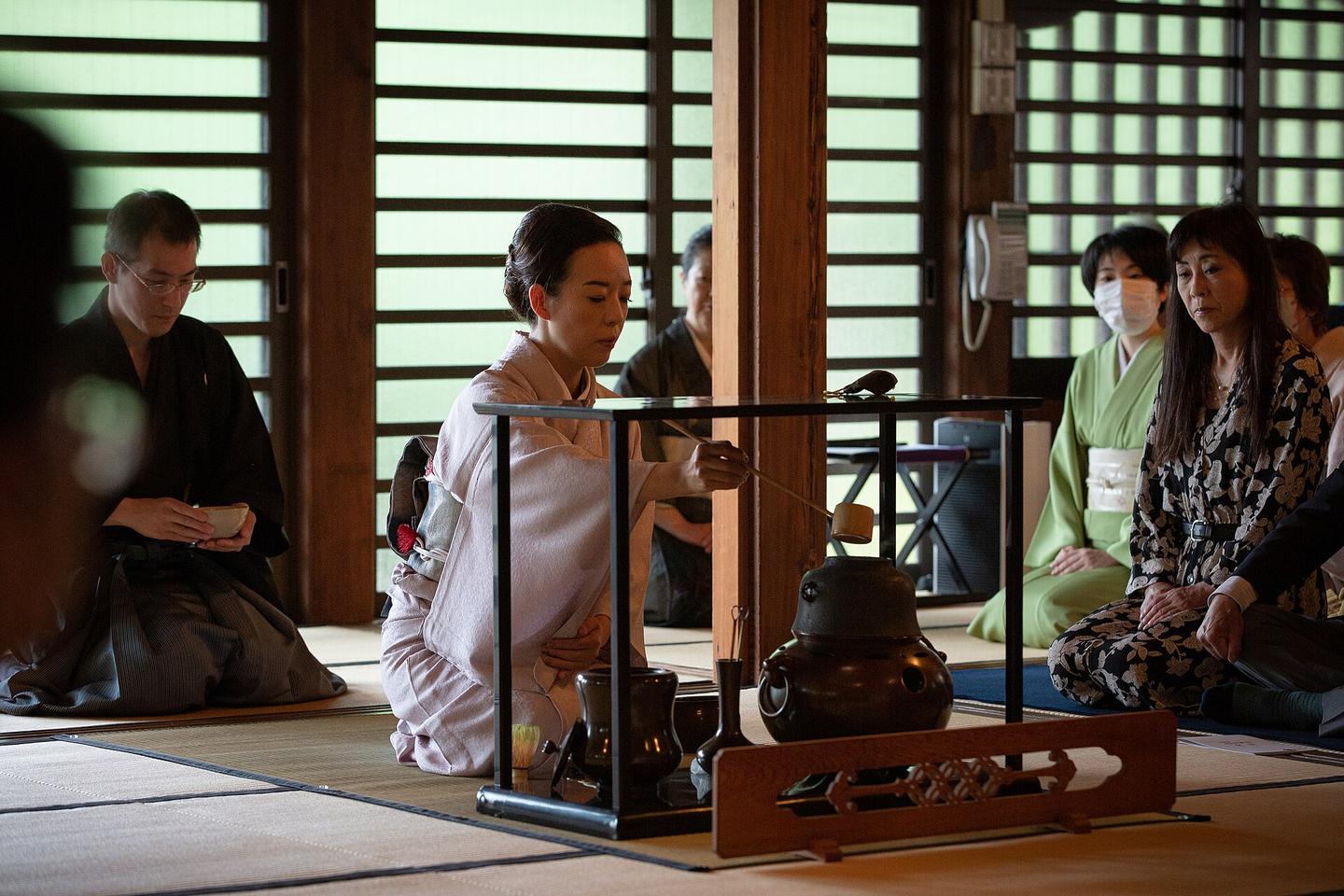
Fun fact: Japan’s matcha boom isn’t just about tea ceremonies and traditional cups anymore. The drink has become a global trend item, showing up in lattes, desserts, soft serve, chocolates, and even cosmetics. Kyoto, Uji, and Nishio have all benefited from the prestige of green tea, and the word matcha has become easy marketing shorthand almost everywhere.
But every boom has a shadow. Seriously though: when demand spikes, prices can climb, supply can tighten, and some buyers start treating matcha like a limited-edition drop instead of an everyday ingredient. That’s the tension AEON is stepping into. It wants the excitement, but it also has to keep the product accessible enough that regular shoppers don’t feel shut out.
Hand on heart: that balance is harder than it looks. If the campaign feels too trendy, it can look like it’s chasing social media clout. If it feels too plain, it won’t stand out at all. AEON’s answer seems to be to make the tea fun, but still grounded in a real retail setting where people can walk in, compare products, and actually buy them.
What the matcha boom means for learners
For Japanese learners, this is a great moment to notice how marketing language works. Words like 美味しい (oishii, delicious), 最安 (saiyasu, cheapest), キャラクター (kyarakuta, character), and 関係 (kankei, relationship; connection) can show up around campaigns like this, even if the exact phrasing changes. If you listen closely to promo videos or in-store announcements, you’ll hear a lot of short, upbeat language, with simple grammar and repeated emphasis.
Insider tip: if you want to practise listening, try following the tone rather than every single word. Japanese retail ads often use rhythm, repetition, and polite enthusiasm. That makes them easier to shadow than a dense news report, and it’s a nice way to pick up natural pacing. Not bad, right?
Water station collaboration: the smartest part of the campaign
Plot twist: the most interesting piece may not be the VTuber at all, but the water station collaboration. On the surface, that sounds simple, even a little technical. In reality, it’s very clever, because matcha depends on water quality, temperature, and preparation. If you’re serving or mixing tea, water isn't background noise, it’s part of the product.
That makes the collaboration more than a branding add-on. It connects the drink to daily life inside the mall, where people are already moving, resting, shopping, and looking for something refreshing. AEON is basically saying: this isn’t only about green tea powder, it’s about the full experience of drinking tea in a modern Japanese space.
Quick detour: Japan’s convenience with water stations, refill points, and public hydration culture also matters here. A mall is a semi-public stage, and when a brand links matcha to a water point, it turns something ordinary into a tiny ritual. That’s a smart way to make the campaign memorable without making it feel forced. Sounds good, right?
How this fits Japan’s retail style
What I especially like: this kind of collaboration respects context. It doesn’t pretend that matcha exists in a vacuum. It places the tea inside a shopping trip, near a drink break, near a branded character, and near a practical service that people actually use. That layered approach is very Japanese retail, where the smallest detail can carry a lot of meaning.
Oh, almost forgot: this also helps with shareability. A water station and a VTuber are both easy to film, post, and talk about. The campaign becomes something you can notice even if you weren’t originally looking for tea. That’s exactly how modern mall marketing spreads, one small surprise at a time.
What AEON’s matcha and VTuber collab tells us
Seriously though: this isn’t just a tea story. It’s a snapshot of how Japan keeps blending old and new. Matcha brings the cultural heritage, the VTuber brings digital personality, and the water station adds practical reality. Put them together, and you get a campaign that feels very 2026, even if its roots are old-school Japanese tea culture.
For Japan enthusiasts, that mix is the fun part. You can enjoy the marketing angle and still learn something about how Japanese brands think. They don’t usually sell a product in isolation. They sell atmosphere, memory, and a little bit of belonging. My tip: if you’re studying Japanese, pay attention to campaigns like this, because they’re packed with real-world language and cultural clues.
And if you’re just here for the matcha hype, fair enough. The drink is still delicious, the branding is smart, and AEON has found a fresh way to keep an old favourite in the conversation. Wait, there's more: this is exactly the kind of crossover that makes Japan’s retail scene worth watching. more Japan news on jpnerd.com
Frequently Asked Questions
Why is a VTuber useful for selling matcha?
A VTuber can make the product feel fun, friendly, and easy to notice, especially for younger shoppers and online audiences.
Why does the water station collaboration matter?
It connects the tea campaign to everyday use, since water is part of how matcha is prepared and enjoyed.
What does this trend say about Japan retail?
It shows how Japanese brands often combine digital culture, physical stores, and lifestyle branding in one campaign.


