
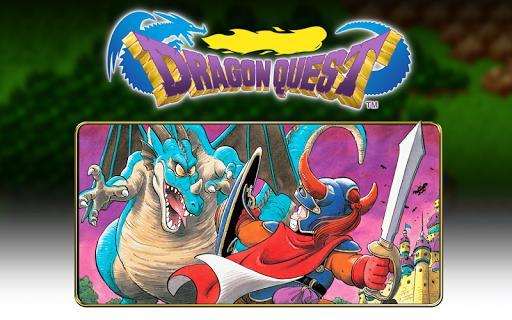
Sounds weird, but it's true. Once you look at the Famicom's text system, the bow stops being a joke item and starts looking like a neat little time capsule from 1980s game design.
![Dragon Ball Z: Kakarot [Master Edition]](https://s.pacn.ws/1/p/1eh/dragon-ball-z-kakarot-master-edition-908785.1.jpg?v=t8ja8t&width=400)
Dragon Quest item design was always about clarity first
Did you know that early Dragon Quest item names were shaped as much by hardware as by fantasy ideas? The first game, released by Enix in 1986 for the Famicom, had to communicate everything through a very limited text system, so each weapon name had to be short, readable, and easy to fit on screen.
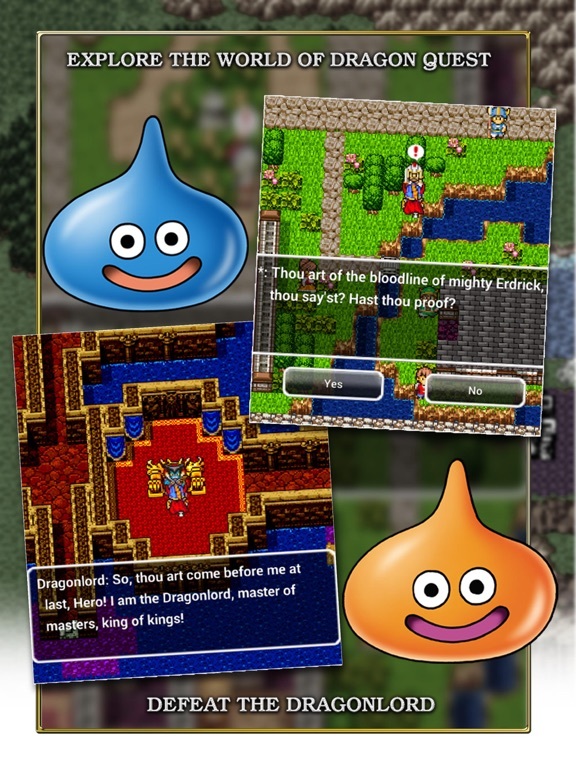
That sounds simple, but it's a big deal. If a game only gives you a few characters per line, every extra symbol matters, especially when menus, shops, and battle messages all need to stay clean.
What many overlook is that Dragon Quest wasn't just inventing monsters and spells, it was also inventing a style of compact, player-friendly interface that later JRPGs copied for years. The series' item naming has always leaned practical, even when the world itself feels full of myth and whimsy. From my experience, that's part of why Dragon Quest still feels so readable compared with some older RPGs that got text-heavy fast.
Take the bow, for instance
Take the weakest bow in Dragon Quest, for instance. The item is often remembered as a funny little low-tier weapon, but its existence is tied to a very specific naming problem, not just a design whim.
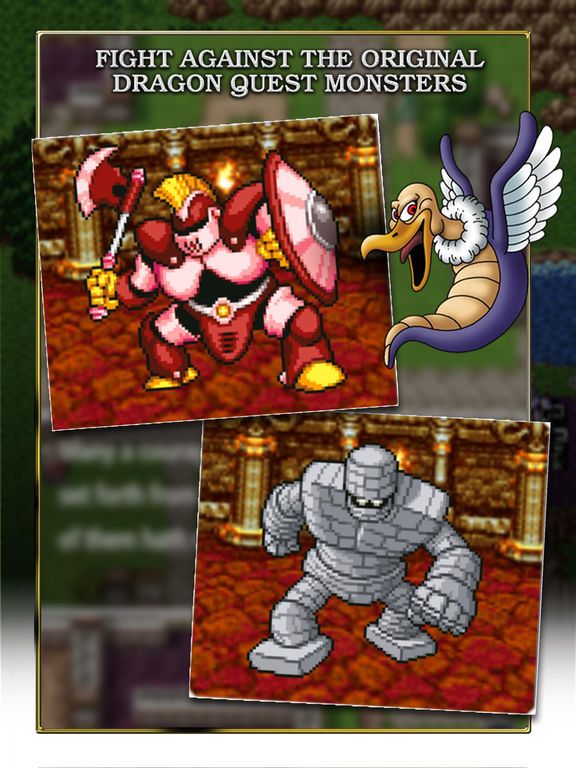
Yuji Horii explained that the intended name involved 漢字 (kanji, Chinese characters (kanji)), but the Famicom version couldn't handle that elegantly. So the team went with a simpler reading, and that technical compromise ended up giving the weapon its odd, almost plain feel.
Compared to back home, where older game systems often relied on fixed alphabetic text, Japan's game developers had to juggle a writing system with thousands of characters. That's a completely different level of menu pressure, and it affects everything from item lists to save data. Convinced yet?
The Famicom couldn't display kanji, and that changed the word choice
Here's the thing: the original Famicom had very tight limits on text display. It wasn't designed to comfortably show full kanji in the way modern Japanese gamers take for granted, so developers had to work around those constraints with 仮名 (kana, kana syllabary), abbreviations, or simplified wording.
That becomes extra clear with Dragon Quest's weapon naming. The source of the story points to a bow name that would have used kanji tied to white oak, or 白樫 (shirogashi, white oak), but the machine's text limitations forced a different approach. Instead of a clean kanji label, the team had to settle for a version the Famicom could actually present on screen.

Quick detour: this wasn't just a Dragon Quest problem. Early Japanese software across the board often had to compromise on script support, because memory, fonts, and display routines were all expensive. A lot of us remember retro games as charmingly simple, but underneath that charm was a constant fight against tiny ROM sizes and limited character sets.
Why shirogashi matters in the lore
For example, gashi or shirogashi sounds like the sort of weapon material name that fits Dragon Quest perfectly. It evokes wood, tradition, and a very old-school fantasy vibe, and in Japanese it carries a neat visual feel when written in kanji.
But let's stick with the hardware angle for now. If a game can't cleanly render the kanji, the name loses part of its flavour, so the developers had to choose a readable substitute that wouldn't break the UI. That is why this weakest bow isn't just a throwaway item, it's a small lesson in how software limitations shape lore.
My tip: if you're learning Japanese, pay attention to these kinds of item names in old games. They often reveal why certain words were chosen, and they show how pronunciation, meaning, and technical limits all collide. Sounds good, right?

What this says about Dragon Quest's wider item philosophy
Speaking of which, Dragon Quest has always treated equipment naming as part of the game's identity. Weapons like the 夕暮れの剣 (yugure no ken, twilight sword)-style fantasy naming in later entries, or simple beginner gear in the earliest games, all help players understand what kind of world they're in without needing a wall of exposition.
That approach matters because Dragon Quest, unlike some other RPG series, never wanted players to feel lost in menus. A shop item should be understood at a glance, and a weak bow should look weak before you even buy it. What I especially like is that the series keeps these names rooted in plain language, so even a beginner Japanese learner can start noticing patterns right away.
Take the Famicom-era context seriously, and the story becomes even better. Yuji Horii wasn't just writing fantasy, he was writing fantasy for a machine with real limits, in an era when the Famicom Disk System had only just expanded what Japanese games could do. That constraint produced clever workarounds, and sometimes the workaround becomes the legend.
Fun fact: these kinds of technical decisions are part of why retro game trivia is so rewarding for Japan fans. A single item name can tell you about Japanese writing systems, 1980s console design, and the practical mindset behind one of the country's most famous game series. From my experience, that's the sort of detail that makes old games feel alive rather than dusty. Convinced yet?
In pictures

Frequently Asked Questions
Why did the weakest Dragon Quest bow get that name?
Because the original kanji-based idea didn't fit the Famicom's text limitations, so the developers used a simpler version.
Was the Famicom unable to show Japanese text at all?
No, but its support was limited, and kanji were especially difficult to display cleanly in many games.
Why do fans care about this old item-name story?
It shows how hardware limits shaped Dragon Quest's style, including its menus, naming, and worldbuilding.
