If you love Japan and cars, Hakone gives you both at once, the driving and the atmosphere. Classic Japan, isn’t it?



Hakone mountains as a driving backdrop
What makes Hakone special is the setting. The area sits in the Fuji-Hakone-Izu National Park, about 80 to 90 kilometres south-west of Tokyo, and the roads here climb through forest, steam, lake country, and mountain passes. You’re not just driving to a destination, you’re driving through a landscape that changes every few minutes.
The best-known road for enthusiasts is the Hakone Turnpike, a privately managed toll road that opened in 1962. It’s about 15 kilometres long, and it’s built for flow, not stress. Smooth surface, sweeping bends, clear sightlines, and several places where you can pull over, breathe, and stare out at the valley below.
Hand on heart: that’s the kind of road that gets people talking about cornering lines, throttle control, and grip even if they’re usually quiet back home. No exaggeration: for a car fan, Hakone is one of those places where the drive itself is the attraction. My verdict? It earns the hype.
Curves, Mount Fuji views, and pure driving fun
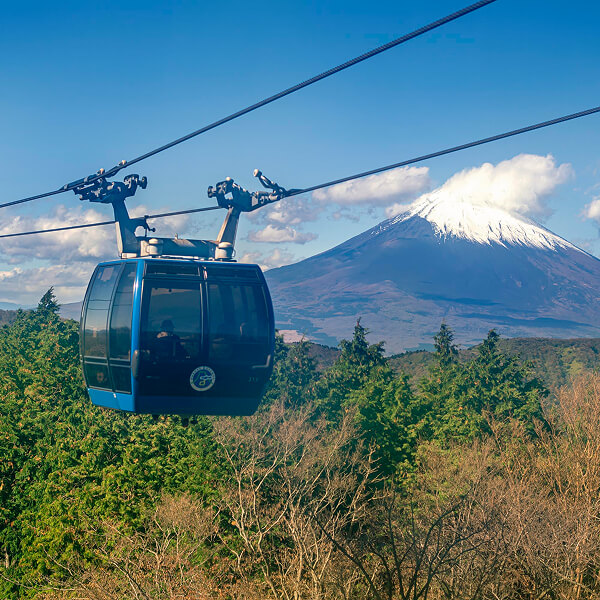
Why do people rave about driving here? Because Hakone’s got the full package. Tight switchbacks near the mountain sections, longer flowing curves on the Turnpike, and, on a clear day, Mount Fuji appearing in the distance like it’s posing for your dashcam. Sounds odd, but it’s true.
Picture this: you leave the city, the buildings thin out, the air gets cooler, and suddenly you’re climbing above the treeline. The road bends left, then right, then opens up to a viewing point where you can spot Lake Ashi and the cone of Fuji beyond it. If you’re into photography, this area practically sets up the shot for you.
Before I forget, the Turnpike isn’t the only road worth your time. Nearby, roads around Lake Ashi, the old Tokaido route, and the passes leading towards Odawara and Gotemba all add to the experience. The first time I went to Japan, I didn’t expect to get such a strong “mountain driving” feeling so close to Tokyo. That contrast is what makes Hakone memorable. But that’s not all.
What kind of car lovers does Hakone suit?
Basically, almost everyone with petrol in their veins. Sports car fans will love the rhythm of the bends. GT drivers get a smooth, scenic route that still feels lively. Even EV drivers have a reason to come, because the area has decent infrastructure and the silence of an electric car makes the mountain air feel even sharper.



There’s also a strong Japanese car culture angle here. You’ll spot everything from tuned coupés to tidy 軽 (kei, light-car class) cars, and sometimes classic Japanese machines on weekend runs. If you’re learning Japanese, this is a fun place to pick up words like ノリ (nori, flow; vibe), meaning a good vibe or flow, and 車 (kuruma), the everyday word for car. A simple phrase like ii nori da ne can come in handy when someone’s car looks perfectly set up for the road.
My tip: go early in the morning on a weekday if you can. Traffic’s lighter, the air’s clearer, and the chances of catching Fuji without clouds are better. On the flip side, weekends bring more people, more noise, and less of that private-mountain feel. Personally, I’d choose sunrise over a crowded midday run any time.
How to make a Hakone road trip better
Want the best experience? Start in Odawara or from the Tokyo side, then build in a loop that includes the Turnpike, Lake Ashi, and one or two scenic stops. A relaxed half-day works well, but a full day’s better if you want to add a ryokan stay, an onsen soak, and a proper dinner after the drive. That mix of motion and recovery is very Japan.
One smart move is to check weather and road conditions before you go. Mountain roads can change quickly, and visibility around Fuji can go from perfect to zero in a matter of minutes. If you’re renting a car, confirm ETC compatibility for toll roads, because that’ll make the trip smoother. If you’re browsing ideas before your trip, the travel write-up at Travel + Leisure Asia is a useful starting point for car-focused Japan planning.
On a related note, Hakone isn’t only for drivers chasing speed. It’s also for people who want atmosphere, texture, and that very Japanese feeling of place. You finish a mountain run, step into a ryokan, take off your shoes, and everything slows down. Not bad, right? What I especially like is that the day feels complete, not just exciting. My verdict: if you’re building a Japan trip around cars, Hakone belongs near the top.
If you want more Japan travel and culture coverage, more Japan news on jpnerd.com.
Frequently Asked Questions
Is Hakone good for a day trip by car?
Yes. A day trip works well, especially if you start early and focus on the main driving roads and a few scenic stops.
Can you see Mount Fuji from Hakone?
Yes, on clear days you can see Mount Fuji from several spots around Hakone, including viewpoints near the Turnpike and Lake Ashi.
Do you need a special car to enjoy Hakone?
No. A sports car is fun, but any well-maintained car can make the trip enjoyable.