Basically, this is a choice between easy access, postcard views, and serious hot-spring town atmosphere. No wonder, because each one scratches a different travel itch.



Hakone in winter: easy onsen days with a classic Japan feel
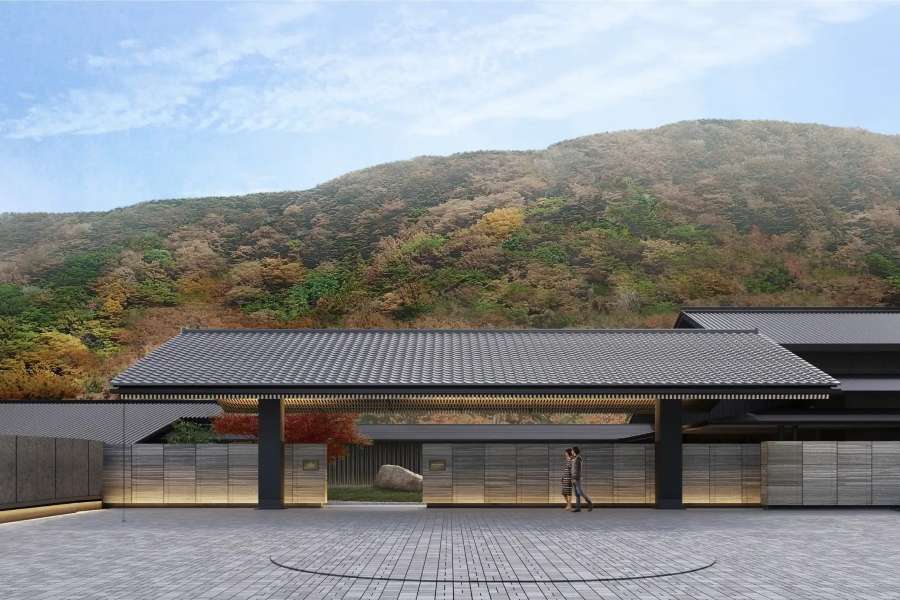
Hakone is the easiest place to recommend if you want a winter trip that feels polished and simple to plan. It sits in Kanagawa Prefecture, just south-west of Tokyo, and many visitors treat it as a one-night escape rather than a long stay. The area is known for ryokan, open-air baths, and the old-school Hakone Tozan Railway, which starts in Odawara and climbs through steep mountain scenery.
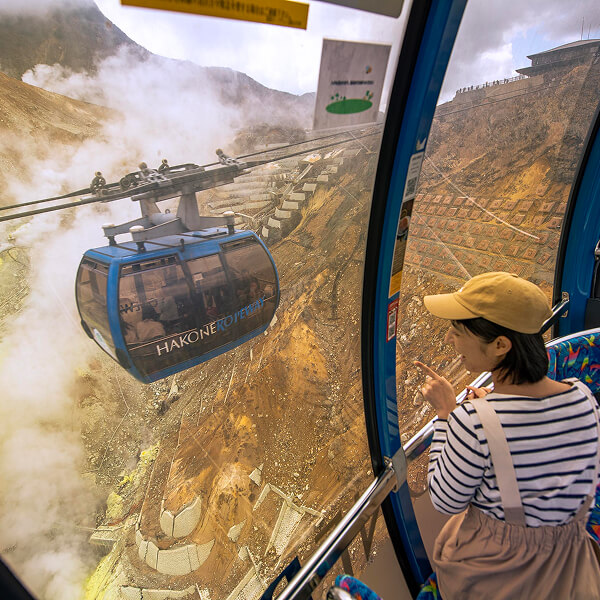
Hand on heart: Hakone works because it balances comfort and variety. You can ride the ropeway around Owakudani, take the pirate-style boat on Lake Ashi, soak in an onsen, and still be back in Tokyo quite easily. Winter adds a crisp edge to everything, and when the sky is clear, Fuji often appears in the distance like a bonus prize. Classic Japan, isn't it?
Why Hakone is strong for winter travel
Compared with back home, where a spa town might mean one main street and not much else, Hakone feels like a whole cluster of mini attractions. You get museums, steam vents, lake views, and plenty of ryokan that know exactly how to package a relaxing stay. If you're learning Japanese, this is a good place to notice useful travel words like onsen, ryokan, 浴衣 (yukata, light cotton kimono), and 露天風呂 (rotenburo, open-air bath) in real life, not just in a textbook.
Seriously though: Hakone's biggest strength is convenience. If this is your first winter onsen trip in Japan, it may be the least stressful choice. Personally, I'd pick Hakone if I wanted a one-night reset with reliable logistics and a decent shot at Fuji.
Fujikawaguchiko in winter: the best Fuji views if the weather plays along
The first time I went to Japan, I quickly learned that Fuji is not shy about hiding behind clouds. Fujikawaguchiko, on the northern side of Lake Kawaguchiko in Yamanashi Prefecture, gives you some of the best framed views of the mountain, especially in the colder months when the air is dry and visibility is often better.
Here's the thing: Fujikawaguchiko is less about a big spa-resort feel and more about scenery. The town itself is spread around the lake, with ryokan, guesthouses, cafes, and observation spots that all seem designed to place Fuji in the centre of your photo. If you want that iconic winter image, snow on the ground, Fuji behind it, this is the one that can make your camera very happy. Wait, there's more.
Winter atmosphere around Lake Kawaguchiko
Winter here can feel quiet in a good way. Some of the seasonal light-up events around the Fuji Five Lakes area usually start in late autumn and run into winter, and the town's slower pace makes it easier to enjoy an unhurried soak after a day outside. The caveat is that the weather can be brutally clear or disappointingly cloudy, and your Fuji view is never guaranteed.
My tip: stay at a lakeside ryokan with a private bath if you can. That gives you both the scenery and the onsen experience without having to dash around in the cold. Speaking of which, if you are studying Japanese, this is a good place to practise basic hotel phrases like お願いします (onegai shimasu, please), ありがとうございます (arigato gozaimasu, thank you very much), and the polite check-in style you'll hear at almost every ryokan.



Kusatsu in winter: the snowiest and most onsen-heavy of the three
Trust me on this one: if you care most about hot springs, Kusatsu often wins. It sits in Gunma Prefecture at around 1,200 metres above sea level, so it gets a proper winter feel, with more snow than Hakone and usually more than Fujikawaguchiko too. The town is famous for Yubatake, the steaming hot-water field in the centre, and for an onsen culture that feels proudly traditional.
Unlike what we're used to in many modern resort towns, Kusatsu still feels like a place built around bathing first and sightseeing second. The water is strongly acidic, the baths are central to local identity, and the whole town seems to lean into that identity. If you like the idea of walking through snow to a bath, then grabbing a snack near Yubatake while steam rises into the cold air, Kusatsu has serious winter charm. Personally, that sort of atmosphere is hard to beat.
What makes Kusatsu stand out
No wonder, because the setting is half the appeal. The higher altitude means colder temperatures and a better chance of snow, which creates exactly the kind of scene many Japan fans imagine before their first trip. You will also notice a very local rhythm here, with fewer famous landmarks than Hakone or Fujikawaguchiko, but a stronger emphasis on bathing, strolling, and eating. That makes Kusatsu especially good for travellers who want to slow down and stay put.
Here's the catch: Kusatsu is less convenient from Tokyo. It usually takes longer to reach, often via train and bus through stations like Naganohara-Kusatsuguchi, so it rewards people who don't mind a bit of extra transit time. My verdict: if winter atmosphere and onsen quality matter more than speed, Kusatsu is hard to beat.
Which one should you choose for winter, Fuji, and snow?
So, how do they stack up? Hakone is the best all-rounder, Fujikawaguchiko is the best bet for Fuji views, and Kusatsu is the strongest pick for snow and bathing culture. If your ideal winter trip is about easy access and a classic first-time onsen escape, choose Hakone. If your dream is Fuji reflected in a lake with winter air and a scenic ryokan, go for Fujikawaguchiko. If you want a colder, more atmospheric hot-spring town, Kusatsu is the one.
What I especially like is that each place teaches you something different about Japanese travel vocabulary and etiquette. In Hakone you hear practical resort language. In Fujikawaguchiko you notice how often people talk about views and weather. In Kusatsu you feel how deeply onsen can shape a whole town's personality. That is the kind of cultural detail language learners remember.
My honest ranking for winter would be this: Kusatsu for onsen atmosphere, Fujikawaguchiko for Fuji photos, Hakone for convenience. If you can only do one and you're coming from Tokyo for a short break, Hakone is the safest choice. If you have one clear goal, choose the place that matches it instead of trying to force one destination to do everything. more Japan news on jpnerd.com
Frequently Asked Questions
Which place is best for first-time winter visitors?
Hakone is usually the easiest first choice because it is convenient, well connected, and simple to plan.
Which place has the best chance of a Fuji view?
Fujikawaguchiko is generally the strongest option for clear Fuji views, especially in cold, dry winter weather.
Which place feels most like a hot-spring town?
Kusatsu has the strongest onsen atmosphere, with a town centre built around bathing and steam.