
Takoman and the Shinryoku Ocha Matsuri mood
Here’s the thing: spring snack releases in Japan are rarely just about taste. They’re also about mood, season, and a bit of local pride, and Takoman’s 新緑 (shinryoku, fresh green leaves) お茶 (ocha, tea) 祭り (Matsuri, festival) fits that pattern nicely. The name itself brings up shinryoku, or fresh green leaves, so the whole event feels like an early-summer bridge between 桜 (sakura, cherry blossom) season and the stronger green-tea flavours that Japanese fans wait for every year.
Takoman is the kind of brand that knows how to make seasonal sweets feel like a small celebration. No exaggeration, that matters in Japan, where limited-time items often become part of the memory of a season, not just a quick purchase. If you’ve ever seen people line up for sakura 餅 (mochi, rice cake) in March or sweet potato treats in autumn, you already know the vibe. But that’s not all.
Why this seasonal theme works
Unlike what we’re used to in many other countries, Japanese convenience and snack culture loves a tight seasonal window. A product can be around for only a few weeks, and that scarcity makes it feel special. For learners, this is a good place to pick up the word 季節 (kisetsu), meaning season, because seasonal packaging is everywhere in Japan, from family-run 和菓子 (wagashi, Japanese sweets) shops to big-name confectionery brands.
Shinryoku Ocha Matsuri sounds festive, but it also points to an everyday Japanese habit: enjoying tea with sweets. That pairing is basic, yes, but it never gets boring. From my experience, the best snack releases are the ones that make you want a cup of hot tea straight away, even if the weather outside says otherwise. See what I mean?
Daisekki THE MATCHA brings matcha to the centre stage
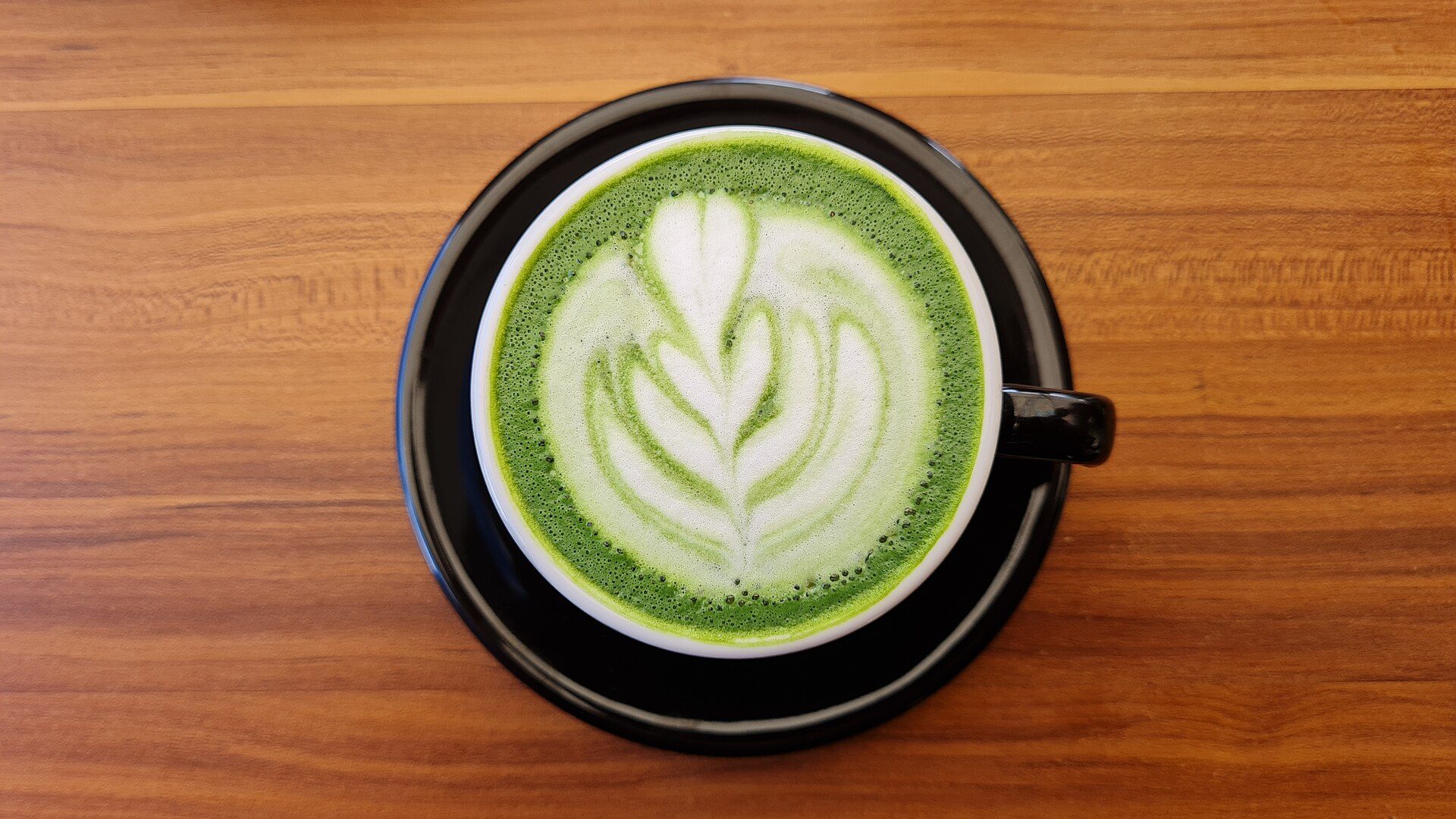
The star item here is Daisekki THE MATCHA, and the name alone tells you what Takoman is aiming for. Matcha isn’t treated as a background flavour, it’s the main event, with that deep green colour and slightly bitter, creamy taste that matcha fans love. If you’ve been learning Japanese food vocabulary, this is a nice reminder that ocha doesn’t just mean tea in a general sense, it can also point to a whole tea culture built around aroma, bitterness, and careful balance.
What I especially like is that matcha sweets can go in two directions. Some are very sweet and mellow, while others lean into the tea’s bitterness. Daisekki THE MATCHA seems to aim for the second path, the one that feels a little more grown-up. Highly recommended if you already enjoy matcha latte, this is the kind of sweet that may surprise you with a stronger tea finish. That brings us to the texture side.
Texture, aroma, and the Japanese sweet tooth
Japanese tea sweets often work because they respect contrast. You get soft cake, creamy filling, or a chewy bite, then a burst of tea aroma. That kind of balance is part of why matcha desserts stay popular year after year, from matcha parfaits in Kyoto cafes to supermarket snacks in Tokyo. Wild, isn’t it?
My tip: if you’re learning Japanese, keep an ear out for words like kaori for aroma, nigami for bitterness, and aji for taste. They come up a lot in food reviews, and they help you describe snacks more naturally than just saying something is “good”. A small vocabulary shift, but it makes a big difference when you’re reading Japanese product announcements. But that’s not all.
Why the Shizuoka connection matters
Shizuoka is one of Japan’s best-known tea regions, and that regional link gives this release a stronger story. The prefecture is famous for tea fields with views of Mt. Fuji, and that image alone carries a lot of weight for Japanese consumers. When a sweets campaign connects to Shizuoka, it’s not just borrowing a place name, it’s borrowing trust, flavour identity, and a sense of local craftsmanship.
For Japan fans, that regional angle is part of the fun. You’re not only buying a snack, you’re also tasting a place. Think of it like this: Kyoto often signals refined tea culture, while Shizuoka brings you closer to production, farming, and everyday tea life. Seriously though, that local connection can make a simple sweet feel much more grounded.
How regional branding shapes taste expectations
Japanese food marketing loves meibutsu, or local specialties, because it gives products a story that feels real. Even when a snack is made for a wide audience, a prefectural tie-in creates an instant point of reference. For learners, this is a useful cultural clue, since Japan’s food labels often tell you where an ingredient comes from, not just what it tastes like. From my experience, those labels are worth reading closely.
Shizuoka tea also suggests a certain flavour expectation: clean, fragrant, and not too heavy. If Takoman leans into that profile with Daisekki THE MATCHA, the result should appeal to people who like a smoother matcha finish rather than a dessert that overwhelms the tea note. That’s a small detail, but in Japan, small details are often the whole game. See what I mean?
What Japan learners can take from this spring release
There’s a language-learning angle here that goes beyond snack envy. Seasonal product announcements are great reading practice because they mix food terms, place names, and polished promotional language. You’ll see words like shinryoku, ocha, and matcha alongside expressions that show how Japanese brands create atmosphere. It’s a very practical way to build reading confidence while keeping things tasty.
I still remember just how often tea and wagashi show up together in Japanese writing. That pairing is everywhere, from local cafe menus to department store sweet halls, and it teaches you how Japanese culture links flavour with season and setting. If you want to train your eye for these patterns, read a few product pages each month, and compare how they describe sweetness, aroma, and region. The best part is that you’ll start recognising the formula almost automatically.
Takoman’s Shinryoku Ocha Matsuri may not be the most surprising food story of the year, but it does exactly what a good seasonal release should do. It gives you colour, regional identity, and a strong matcha message in one neat package. For matcha fans, and for anyone who likes learning Japanese through food culture, that’s pretty easy to enjoy. But that’s not all.
Frequently Asked Questions
What is Takoman known for in this release?
Takoman is highlighting seasonal tea sweets, with matcha as the main flavour focus.
Why is Shizuoka important here?
Shizuoka is one of Japan’s best-known tea regions, so the connection adds local credibility and a clear flavour identity.
Is this a good topic for Japanese learners?
Yes. It includes useful food vocabulary, seasonal language, and a strong example of how regional branding works in Japan.


