Why Sakura Season 2026 in Tokyo Is Worth Planning Around
The 2026 bloom forecast puts peak sakura in Tokyo right around late March to early April, which lines up beautifully with a long weekend if you time it right. Hanami, written 花見 (hanami, literally "flower viewing"), is one of those Japanese traditions that sounds simple on paper but feels completely different when you're actually sitting under a canopy of blossoms with onigiri in one hand and a can of coffee in the other. It's not just pretty; it's a full cultural experience.



Fun fact: the custom of hanami dates back over 1,000 years, originally connected to aristocratic court culture before it became the beloved public picnic tradition it is today. The word sakura (桜) itself is one of the first Japanese vocabulary words many learners pick up, and for good reason. Cherry blossoms are woven into Japanese identity at every level, from poetry and painting to school entrance ceremonies and company outing culture.
Here's the thing: Tokyo isn't short on options. The challenge is knowing which events are worth your time and which are overhyped tourist traps. Let me show you why these ten made the cut.
The 10 Best Sakura Festivals and Hanami Spots in Tokyo 2026
1. Ueno Park Sakura Festival
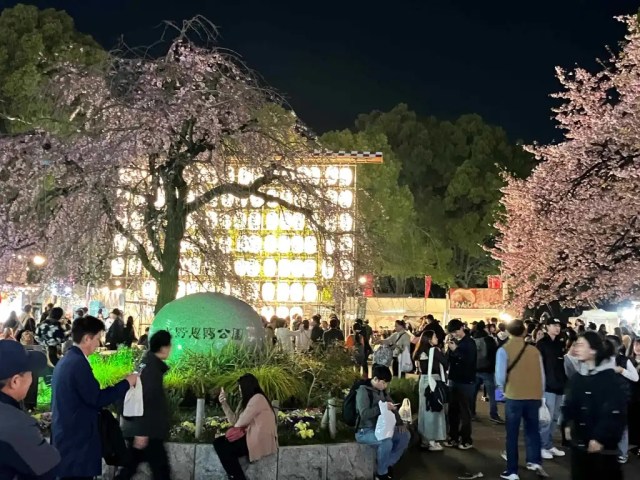
Ueno Onshi Park is the classic. Over 1,000 somei yoshino trees line the main paths, and during peak bloom, the whole park turns into a tunnel of pink. The official Ueno Sakura Festival runs for about two weeks and includes food stalls, live performances, and evening illuminations called yozakura (夜桜), which translates to "night cherry blossoms." My tip? Go on a weekday morning before 9 am if you want photos without a crowd of 50,000 people in the background.
2. Chidorigafuchi Moat Night Illumination
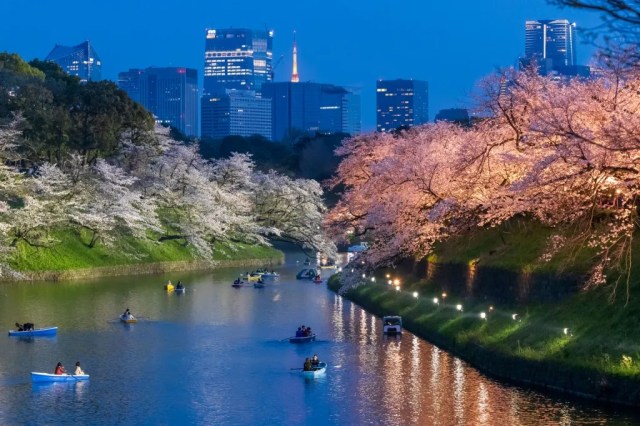
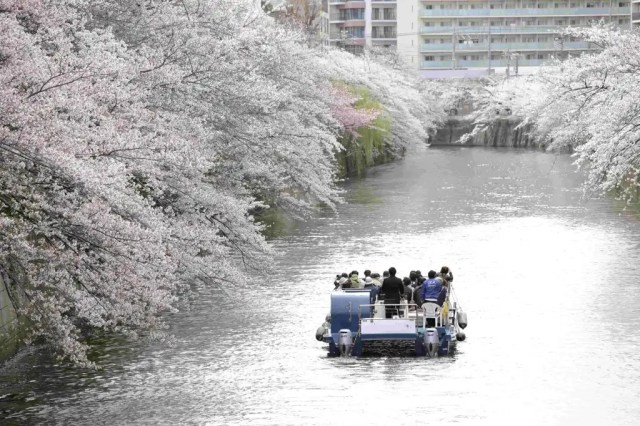
Know that feeling when something looks even better than every photo you've ever seen of it? That's Chidorigafuchi. The 700-metre walking path along the moat near Kudanshita station is lined with cherry trees that hang directly over the water, and the reflections during the evening illumination period are genuinely stunning. Rowboats are available to rent for around 800 yen per 30 minutes, which could either be the most romantic thing you'll do in Japan or the most chaotic, depending on your group. Convinced yet?
3. Shinjuku Gyoen National Garden
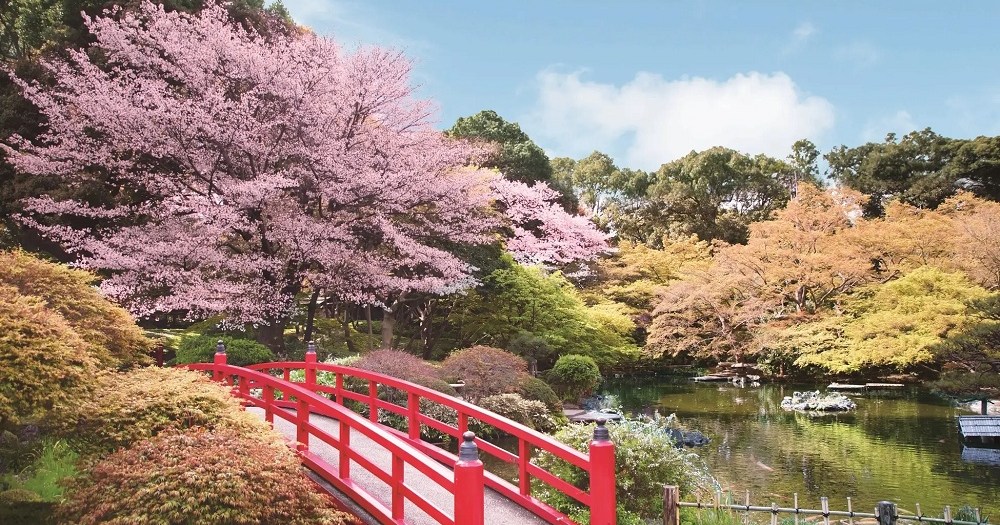
Shinjuku Gyoen is the hanami spot for people who want to actually enjoy hanami. Alcohol is technically banned inside the park, which keeps the atmosphere calm and family-friendly. The garden holds around 1,500 trees across multiple varieties, including the late-blooming ichiyo and kanzan types, meaning the bloom season here stretches longer than most spots. Entry costs 500 yen for adults. What I especially like is the mix of Japanese, French, and English garden styles, which makes for a visually varied stroll even when the sakura aren't at absolute peak.
4. Meguro River Cherry Blossom Festival
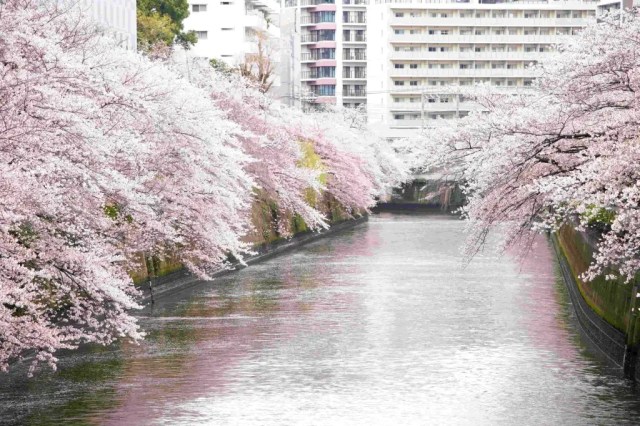
The Meguro River cuts through one of Tokyo's most stylish neighbourhoods, and the roughly 4-kilometre stretch between Nakameguro and Daikanyama stations becomes one of the most photographed spots in the city during bloom season. Around 800 cherry trees line both banks. The area is packed with cafes, boutiques, and restaurants that set up special sakura menus. And it gets better: the evening illuminations here are among the most atmospheric in all of Tokyo, with the pink blossoms reflecting off the dark water below street level.
5. Sumida Park Sakura Matsuri
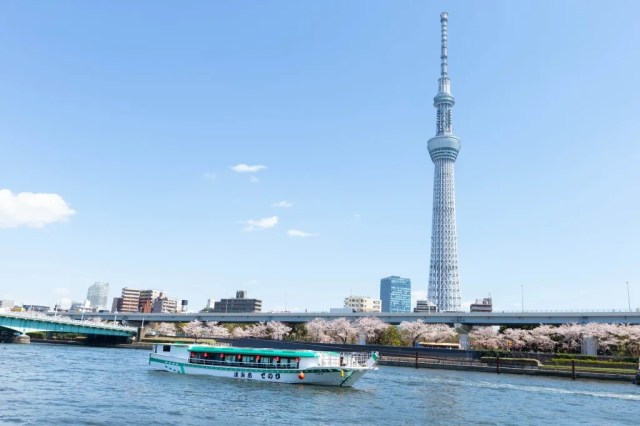
Sumida Park sits right across the Sumida River from Asakusa, one of Tokyo's most iconic sightseeing districts. The park hosts around 1,000 cherry trees and an official matsuri (祭り, festival) with food stalls, taiko drum performances, and traditional dance. Combining a hanami picnic here with a visit to Senso-ji Temple just across the river makes for a near-perfect Tokyo day. By the way, the kanji for matsuri, 祭り, is a great one to learn early since you'll see it on event signs all over Japan.



6. Yoyogi Park Free Live Music Events
Yoyogi Park near Harajuku station doesn't have an official sakura festival like Ueno does, but what it lacks in organisation it more than makes up for in atmosphere. Buskers, drum circles, amateur bands, and the occasional full band setup with PA systems create a kind of spontaneous live music hanami vibe that you won't find anywhere else in the city. Blankets, convenience store snacks, and a sunny afternoon under the blossoms here cost essentially nothing. This is my absolute hidden gem for budget travellers who want the real Tokyo spring experience.
7. Inokashira Park in Kichijoji
Inokashira Park is a local favourite that tends to fly under the radar for international visitors. The central pond is surrounded by cherry trees, and small paddle boats shaped like swans are available for rent. There's a small Benzaiten shrine on an island in the middle of the pond, and the whole area has a relaxed neighbourhood feel that's very different from the tourist density of Ueno or Asakusa. Insider tip: Kichijoji itself is a genuinely lovely neighbourhood for exploring on foot, with excellent vintage shops, jazz cafes, and the Ghibli Museum just a short walk away in nearby Mitaka.
8. Koganei Park and the Edo-Tokyo Open Air Architectural Museum
Hand on heart, this combination is one of the most underrated spring outings in Greater Tokyo. Koganei Park in western Tokyo holds around 1,900 cherry trees across various spots, and the adjacent Edo-Tokyo Open Air Architectural Museum lets you walk through reconstructed historical buildings from the Meiji, Taisho, and Showa eras with blossoms in the background. It's like doing a history lesson inside a bloom festival. Not bad, right?
9. Asukayama Park Sakura Festival, Kita Ward
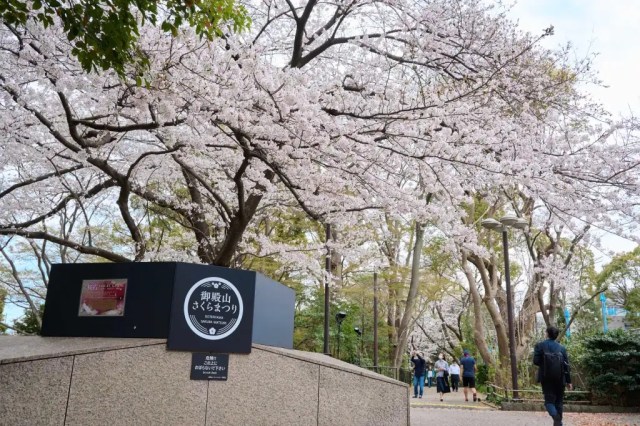
Asukayama Park in Kita Ward is one of Tokyo's oldest designated hanami spots, with a history of public cherry blossom viewing going back to the Edo period when the eighth Tokugawa shogun Yoshimune planted trees here to encourage public enjoyment of the blossoms. Three small museums sit within the park grounds. A free monorail called the Asukayama Park Monorail connects the park to the nearest street. The whole area has a charmingly local, non-touristy feel that serious Japan fans will appreciate. Wait, there's more: the park is also the location of the Asukayama Sakura Festival, which includes food stalls and entertainment across the peak bloom weekend.
10. Showa Kinen Park, Tachikawa
Showa Kinen Park is technically outside the Tokyo city centre in Tachikawa, but it's absolutely worth the 40-minute train ride from Shinjuku on the Chuo Line. The park spans 180 hectares and features over 1,500 cherry trees, including a spectacular rapeseed flower field that turns yellow just as the sakura bloom pink. The colour contrast alone is worth the trip. The park also hosts family-friendly events, rental cycle paths, and wide open lawns that make genuine hanami picnics possible without shoulder-to-shoulder crowds. Personally, if I could only recommend one spot for families or photographers, this would be it.
Hanami Language and Culture Tips for Japanese Learners
If you're learning Japanese, sakura season hands you one of the best real-world vocabulary opportunities of the year. Beyond sakura (桜) and hanami (花見), here are a few words worth knowing before you go. Mankai (満開) means "full bloom," and you'll see it everywhere in news reports and park signs during peak season. Chiru (散る) means "to fall" and describes the petals drifting down, which has its own poetic significance in Japanese culture tied to ideas of transience and beauty. The concept of mono no aware (物の哀れ), loosely translated as "the pathos of things" or a bittersweet appreciation of impermanence, is deeply connected to the sakura experience. It's one of those cultural concepts that language textbooks mention but that only really clicks when you're sitting under a tree watching the petals fall.
The best part? Japanese people are generally delighted when foreign visitors show genuine interest in seasonal traditions. Even attempting basic phrases like "hanami ni ikimashita" (I went hanami-ing) or complimenting the blossoms with "kirei desu ne" (It's beautiful, isn't it?) will earn you warm responses. Let's be honest: no amount of textbook study replaces the cultural immersion of actually being there during sakura season.
In pictures
Frequently Asked Questions
When is peak sakura season in Tokyo in 2026?
Based on current forecasts, peak bloom in Tokyo is expected around late March to early April 2026, with full bloom typically lasting about one week depending on weather conditions. Check the Japan Meteorological Corporation's official forecast closer to the date for precise timing.
Do I need tickets or reservations for hanami in Tokyo?
Most public parks like Ueno, Yoyogi, and Sumida are free and open without reservations. Shinjuku Gyoen charges a 500 yen entry fee. Some special evening illumination events may have ticketed sections, so check individual event pages closer to the date.
What does hanami mean in Japanese?
Hanami (花見) literally means "flower viewing" in Japanese. Hana (花) means flower, and mi (見) comes from the verb miru, meaning to see or look at. The tradition involves gathering outdoors under cherry blossom trees to eat, drink, and enjoy the seasonal beauty together.