
What I especially like is the pace; it feels local, practical, and refreshingly unflashy. If you enjoy train timetables, bus stops, and a bit of Japanese vocabulary along the way, this route is right up your street.
Start at Shin-Yamaguchi Station and plan the route first
Yamaguchi by bus works best when you begin at Shin-Yamaguchi Station, the main rail gateway for the prefecture. It sits on the Sanyo 新幹線 (Shinkansen, bullet train / high-speed rail) line, so if you’re coming from Hiroshima, Fukuoka, or Osaka, the transfer is usually straightforward, and that makes the whole coast trip feel less like a logistics puzzle and more like a proper day out.
Seriously though: don’t treat this like a last-minute hop-on, hop-off adventure. Local buses in Yamaguchi aren’t packed with every-10-minute service, so checking timetables matters. The key idea is simple: use Shin-Yamaguchi as your base, then move towards the coast with a fixed plan, not hope.
How Japanese regional transport changes the experience
That reminds me: regional travel in Japan often rewards patience more than speed. In cities, you get dense networks and frequent departures. Along the coast in Yamaguchi, you get the opposite: fewer buses, quieter roads, and stops that feel tied to daily life rather than tourism.
For Japanese learners, that’s a nice bonus, because you’ll see real transport words in context, like バス (basu) (bus), 乗り場 (noriba) (boarding stop), and 時刻表 (jikoku-hyo) (timetable). It’s practical vocabulary, not textbook fluff, and that makes it stick. Sounds odd, but it’s true.
My tip: screenshot the timetable before you set off, and check the last return bus twice. In rural Japan, missing the final connection can change your whole afternoon. But that’s not all.
Coastal sightseeing without a car in Yamaguchi
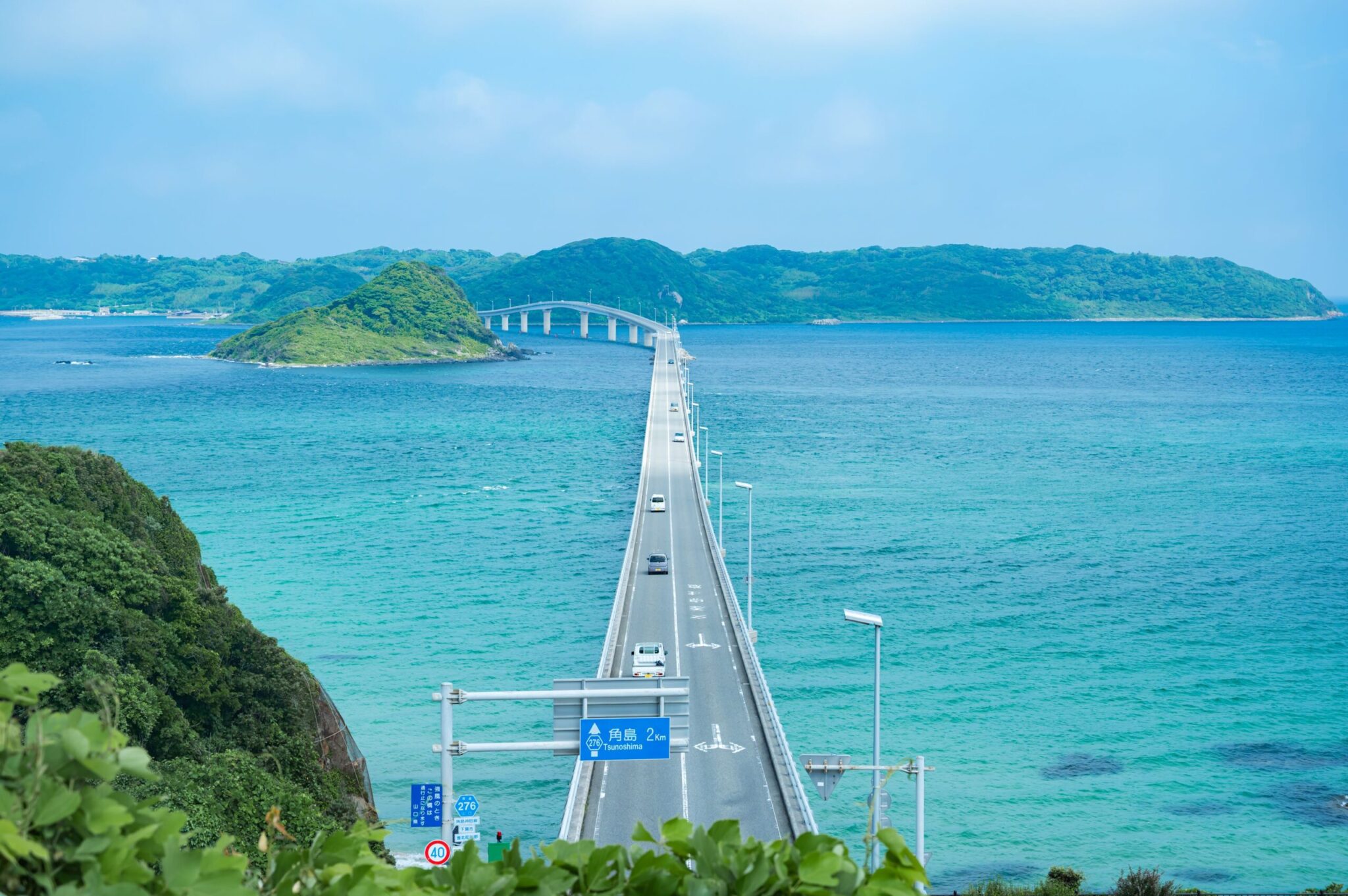
Picture this: you’re rolling past quiet coastline, fishing harbours, and small seaside towns, all while someone else does the driving. That’s the appeal of a bus-based coast trip in Yamaguchi. You don’t need a rental car to enjoy the scenery, and honestly, not having to navigate narrow roads or parking lots is a relief.
Compared with back home, where coastal trips often mean long motorway stretches and giant car parks, this kind of route feels more intimate. The bus stops put you closer to local life. You’ll notice convenience stores, school routes, old houses, and little roadside shops that would blur past if you were driving.
One good approach is to pick just a few stops rather than trying to “do” the entire coast. A relaxed bus day might include a station-area lunch, a seaside walk, and a return with enough time to spare for a sunset view. Classic Japan, isn’t it?
What makes the coastal side special
Fun fact: Yamaguchi Prefecture has coast on both the Seto Inland Sea side and the Sea of Japan side, so the vibe changes depending on where you go. On the Seto side, the water often feels calmer, the light softer, and the shore more sheltered. It’s a great fit for slow sightseeing.
Local buses make those differences feel real. You’re not just ticking off landmarks; you’re moving through neighbourhoods that still depend on regional transport. That’s one reason this route works so well for readers who want something beyond the standard Tokyo-Kyoto-Osaka loop. See what I mean?
Onsen options along the way for a slower day
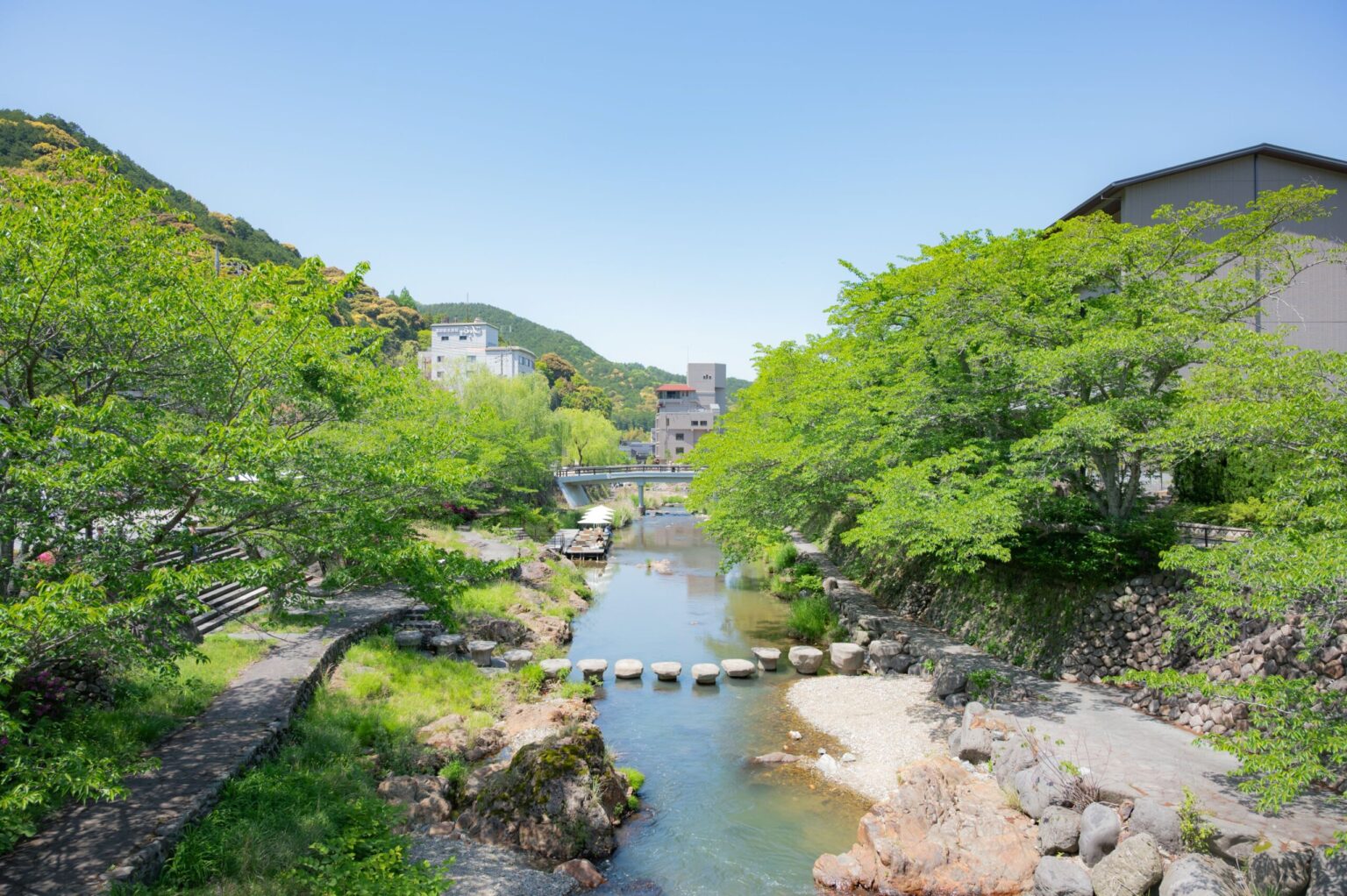
Before I forget: one of the nicest things about a Yamaguchi coastal bus trip is how easy it is to add an onsen stop. Yamaguchi is known for hot spring areas such as Yuda Onsen near Yamaguchi City, and a little farther afield you’ll find well-loved bathing towns like Nagato Yumoto Onsen in the northern part of the prefecture.
That doesn’t mean you need to turn the whole trip into an onsen crawl. Even one bath after a bus ride can completely change the rhythm of the day. You step off the bus, have a soak, eat something local, and suddenly the route feels like a mini retreat rather than just transport between points.
Speaking of which... this is where Japan’s regional travel really shines. In many countries, buses are only about getting from A to B. In Japan, they can be part of the experience, especially if your final stop includes a ryokan, a public bath, or a simple neighbourhood 銭湯 (sento, public bathhouse). Simply brilliant.
How to fit an onsen into a bus itinerary
Pro tip: choose one place where luggage storage, foot access, and bus frequency all make sense together. If you’re staying overnight, book a ryokan near the station or bus stop, then use the next morning for a short coastal detour. If it’s a day trip, keep your bathing plan short and realistic, because regional timetables don’t care about your wishes.
For Japanese learners, this is also a good moment to pick up words like 日帰り (higaeri, day trip) onsen for a day-trip bath and 海産 (kaisan, seafood / marine products) for seafood, which often appears on local menus. Food, bathing, transport; it all connects neatly. My verdict: that’s exactly why this style of travel feels so satisfying.
Practical tips for bus travel in Yamaguchi Prefecture
Unlike what we're used to in many big Japanese cities, the bus network here isn’t designed for spontaneous wandering. That’s not a flaw, it’s just how regional Japan works. Once you accept that, the whole trip gets easier, because you stop fighting the schedule and start using it.
First, keep an eye on payment methods. Some routes accept IC cards, but not every local service is equally modern, so carrying small change is still smart. Second, plan around daylight, especially if you want coastal photos. Third, check if your chosen stop is a walk from the sea, or only “coastal” in the geographic sense.
For learners, listening to stop announcements is useful too. Even if you don’t catch every word, hearing place names and transport phrases in a real setting is great practice. A short ride can teach you more than a long study session. No exaggeration: that’s one of the best ways to train your ear.
If you want a Japan trip that feels local, calm, and a little off the standard route, Yamaguchi by bus is a strong choice. It’s not flashy, but it has character, and the mix of coastal scenery, onsen stops, and regional transport makes it memorable. But that’s not all.
In pictures
Frequently Asked Questions
Can you explore Yamaguchi’s coast without renting a car?
Yes. With a careful timetable and a base at Shin-Yamaguchi Station, you can see a lot by local bus.
Is this trip good for first-time visitors to regional Japan?
Yes, if you’re comfortable planning ahead. It’s a good introduction to how regional transport works outside big cities.
Can you add an onsen stop to a bus trip?
Absolutely. Yuda Onsen and Nagato Yumoto Onsen are both strong options, depending on your route and timing.


