
The drink star here is 抹茶 (matcha, powdered green tea), and the whole setup shows just how far Japanese café culture has travelled. It’s not just about a latte with green foam; it’s about mood, design, and a little bit of 和 (wa, harmony) in the middle of Jeddah.
Son Of A Bee brings matcha culture to Jeddah
Guess what? Jeddah has picked up another Japan-inspired café stop, and this one isn’t shy about its matcha obsession. Son Of A Bee has turned green tea into the main event, and that alone says a lot about how Japanese café ideas keep spreading far beyond Japan.
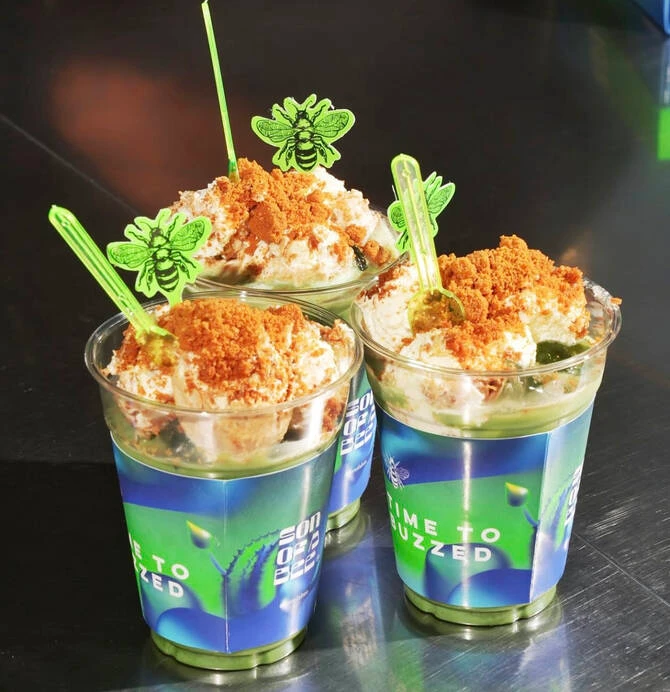
Compared with back home, where a matcha drink might be part of a long menu, here it feels like the star of the show. That’s smart, because matcha already carries a strong image in Japan, from tea ceremonies to modern café drinks in Shibuya and Kyoto. My tip: if you want to understand why people keep chasing matcha abroad, start with a place that treats it with this much care. Personally...
Why matcha works so well
Matcha has a bitter edge, a gentle sweetness when it’s balanced well, and a colour that instantly looks good on social media. No wonder, because it connects old-school Japanese tea culture with today’s café habits in one sip. In Japanese, the word for tea is 茶 (cha), and matcha is the powdered form that has become a global café signal for calm, style, and a small dose of ceremony.
Hand on heart, many matcha drinks outside Japan are too sweet, too milky, or just green in colour only. Son Of A Bee seems to understand that the real appeal is balance, not just a trendy shade. Sounds good, right?
Metallic Matcha & Coffee Bar: Japan aesthetics in a Saudi setting
Here’s the kicker: one of the most eye-catching parts of this Jeddah scene is the metallic matcha and coffee bar concept. It sounds sleek, and it looks sleek too. The shiny surfaces, tidy presentation, and minimalist feel echo the kind of design language you’ll often see in modern Japanese cafés, where every detail feels intentional.
Unlike what we're used to in many fast-moving café chains, this kind of space slows you down. The drinks become part of the interior, not just something you grab and leave with. That reminds me: Japanese café culture often treats the cup, the tray, and the room as one experience, even when the menu is simple. My verdict: that approach travels very well.
What gives it a Japanese feeling?
It’s not only the matcha. It’s the restraint. Soft lighting, uncluttered counters, and a menu that doesn’t scream for attention all help create that Japan-like mood. In Japan, this kind of visual calm is common in places that aim for 癒し (iyashi, soothing comfort), the relaxing, soothing atmosphere people look for after a busy day.
Seriously though, the best Japan-inspired cafés outside Japan don’t copy a ryokan or a tea room exactly; they borrow the feeling. Son Of A Bee seems to do that well, and that’s why it stands out in Jeddah rather than blending into the usual café crowd. Highly recommended: keep an eye on places that understand atmosphere as much as flavour. Personally...
Why Jeddah is ready for this matcha moment
Jeddah has a food scene that’s already used to international influences, and Japanese flavours fit right in. The city’s café culture is active, social, and image-conscious, which makes it a natural home for a matcha-forward spot. You can feel that same energy in other cities where Japanese drinks and desserts have caught on, from Seoul to London.
What many overlook is that matcha isn’t just trendy because it’s green. It also gives cafés a way to offer something that feels both premium and cultural. In Japan, quality matcha can be tied to region, grade, and preparation style, and even casual drinks often borrow that prestige. When a café in Jeddah builds around matcha, it’s tapping into a whole set of associations, not just a flavour.
Small Japanese details that matter
Picture this: a menu board with a few focused drinks, a neat cup presentation, and a visual style that feels more Tokyo side street than a generic mall café. That’s the kind of detail Japan fans notice first. Even if you’ve only learned a handful of Japanese words, you can spot the influence quickly: 茶室 (chashitsu) for tea room, おもてなし (omotenashi) for hospitality, and wa for harmony.
What I especially like is that places like this can be a low-pressure entry point for Japanese culture. You don’t need to know the tea ceremony steps or read a matcha farming guide from Uji to enjoy it. You just sit down, order, and get a tiny taste of Japan in another city. My verdict: that’s the sort of crossover I’m happy to see.
Matcha as the star flavour, not a side note
Here’s the kicker: many cafés use matcha as one item among many, but Son Of A Bee seems to treat it as the main character. That changes everything. Once matcha gets centre stage, the menu, design, and even customer expectations shift towards a more focused identity.
For Japan learners, this is a neat example of how language and food travel together. Words like matcha, 禅 (zen, Zen (Buddhist meditation tradition)), and omotenashi often appear in café marketing overseas, and they do so because they carry a clear image. If you’re learning Japanese, it’s worth noticing which words are borrowed directly and which ones are only borrowed as style.
Seriously though, a good matcha café outside Japan doesn’t need to be a replica. It just needs a clear point of view, and Son Of A Bee appears to have one. That makes it more memorable than a place that tries to do everything at once. Sounds good, right?
Frequently Asked Questions
Where is Son Of A Bee located?
It is in Jeddah, Saudi Arabia.
Why is this café getting attention?
Because it combines a strong matcha focus with a Japan-inspired café atmosphere.
What makes the place feel Japanese?
The minimalist design, careful drink presentation, and calm overall mood give it a Japanese feel.


