
Tokyo Skytree puts matcha and koji in the spotlight
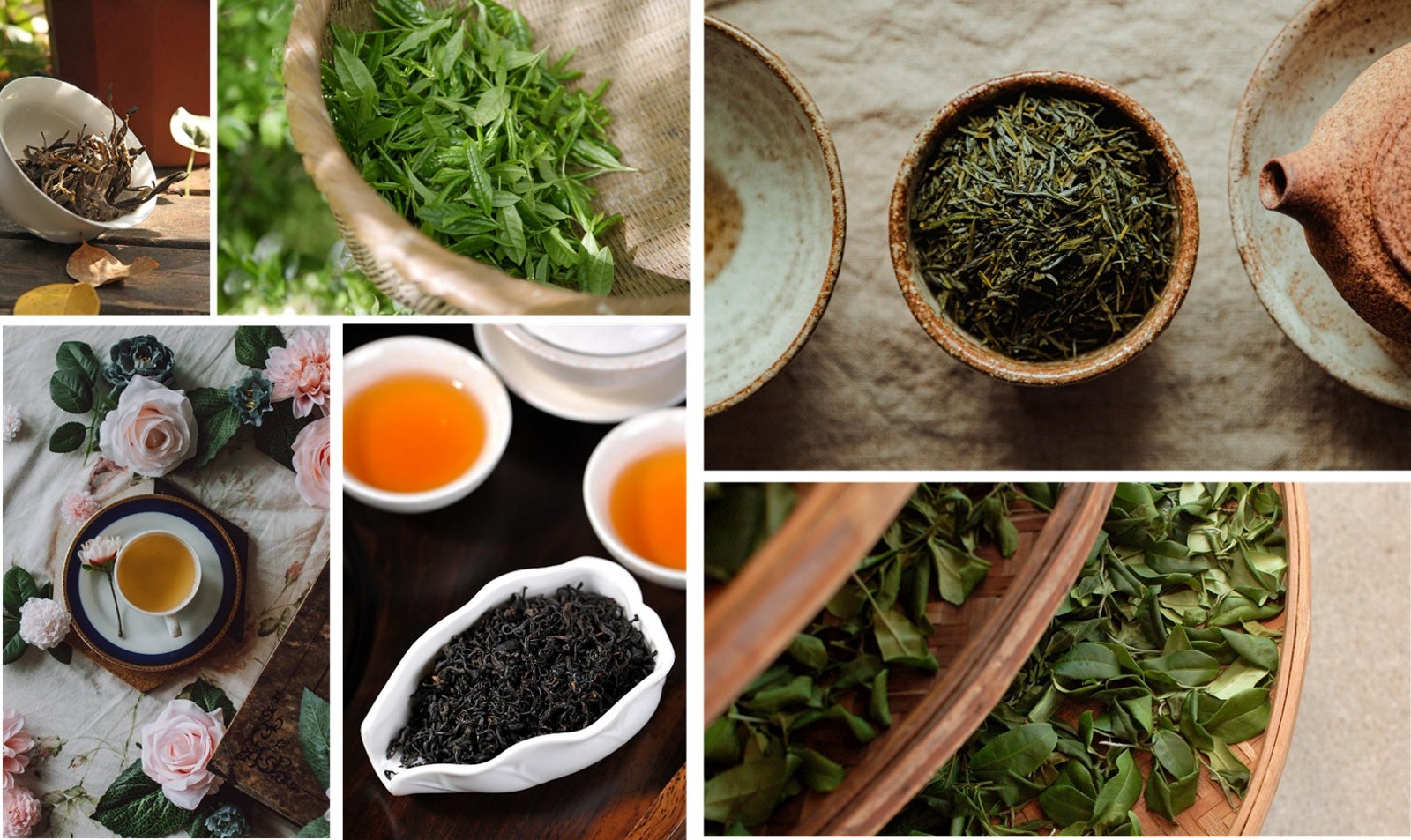
Tokyo Skytree is best known for the view, but this time the draw is what you can sip. From 20 to 22 May 2026, the landmark will host a 抹茶 (Matcha, powdered green tea) and 麹 (Koji, fermentation starter) Drink Tasting & Sales event, and that alone makes it worth a closer look for Japan fans.
What most people don't know: koji is one of the quiet heroes of Japanese food culture. It’s the mould starter used to make 味噌 (miso, fermented soybean paste), 醤油 (shoyu, soy sauce), sake, amazake, and plenty of other staples, and it’s been part of Japanese cooking for centuries. Pair that with matcha, and you get a theme that feels both traditional and a bit experimental. Wild, isn’t it?
Why this Tokyo Skytree event matters for Japan food fans
Compared with back home, Japanese food events often focus on one ingredient and explore it from several angles. That’s why a tasting event like this can be so fun, because it’s not just about drinking something sweet or green, it’s about the story behind the ingredient.
Matcha has become a global favourite, but in Japan it still carries strong ties to tea culture, 和菓子 (wagashi, Japanese sweets), and even the calm rhythm of the tea ceremony. Koji, on the other hand, is all about fermentation, 旨味 (umami, savory taste), and the deep flavour base that runs through everyday Japanese meals. Put them together at Tokyo Skytree, and you get a modern food event with proper cultural roots. Pretty brilliant.
What to expect from the tasting and sales setup
Here’s the deal: a tasting-and-sales format usually means you can try products on site, then buy the ones you like. That makes sense for visitors who want to compare flavours without guessing blindly, and it’s especially helpful when a theme leans into fermentation, where taste can change a lot from one product to another.
I’d expect drinks that highlight matcha's grassy bitterness, maybe softened with dairy or plant-based ingredients, alongside koji-based drinks that bring a mellow sweetness or a savoury edge. If the organisers are leaning into the fermentation angle properly, there could be amazake-style drinks, modern mixed beverages, or limited seasonal items made just for the three-day run. My tip: if you see a drink list posted in advance, check the ingredients closely, because koji products can vary a lot in sweetness and intensity. From my experience...
Koji culture, fermentation, and why learners should care
Seriously though: if you’re learning Japanese, food events like this are a goldmine. You get real vocabulary in context, and food terms tend to stick better than textbook lists. Words like koji, hakko, and amasake may come up around this event, and once you know them, Japanese menus and product labels suddenly make a lot more sense.
That brings us to the cultural angle. Fermentation is deeply embedded in Japan's food identity, from miso soup at breakfast to shoyu on the dinner table. Even beyond taste, fermentation reflects patience, craft, and a respect for process, which are all values that show up in Japanese cooking across the country. If you want to understand how Japan balances old techniques with new presentation, this is exactly the kind of event to watch. See what I mean?
Useful Japanese words to know before you go
Fun fact: if you’re reading event signage or talking about it with friends, a few romaji words will help a lot. Matcha means powdered green tea, koji is the fermentation starter, and hakko means fermentation. You might also see eigyoka or kikan gentei for limited-time sales, and those little phrases are everywhere at Japanese pop-up events.
That kind of vocabulary matters because Japanese event culture loves short, catchy labels. Once you spot them, you can move faster through a venue, and you’ll feel less lost when the menu gets creative. That reminds me: many Japan fans first learn their best Japanese from menus, not apps. Wait, there's more.
Why Tokyo Skytree is a smart venue for this kind of event
It’s early morning in Kyoto. Or at least that’s the mood this sort of event can create, even in the middle of bustling Tokyo. Tokyo Skytree is a destination with huge foot traffic, easy access, and a built-in audience of tourists and locals who are already in sightseeing mode.
That makes it a clever place to stage a food event. Visitors can pair a tasting stop with shopping, a view from the observation decks, or a full day in the Sumida area. For food brands, that matters because a three-day window from 20 to 22 May 2026 is short, so visibility is everything. Highly recommended: if you’re in Tokyo during those dates, build the visit around the event rather than trying to squeeze it in as an afterthought.
The best part: events like this often feel more relaxed than big festivals. You get to talk to staff, ask about ingredients, and try something you might not find again after the event ends. From my experience...
If you enjoy Japanese seasonal food culture, keep an eye on this one. It blends matcha, koji, and the fermentation theme into a format that feels very current, but still rooted in real Japanese tradition. And for language learners, it’s another chance to connect words with taste, which is one of the nicest ways to learn.
Frequently Asked Questions
When is the Tokyo Skytree matcha and koji event?
It runs from 20 to 22 May 2026.
What kind of event is it?
It is a drink tasting and sales event focused on matcha and koji, with a fermentation theme.
Why is koji important in Japanese food culture?
Koji is used to make many classic Japanese foods and drinks, including miso, shoyu, and sake.